Finito: Stop Smoking
- 131.00
- 4.0
- Installs
- 10.00K
- Price
- Free

Screenshots

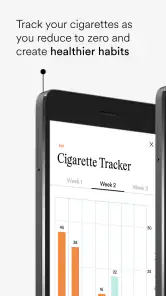
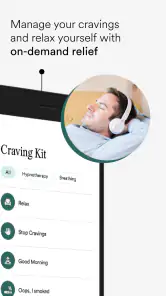
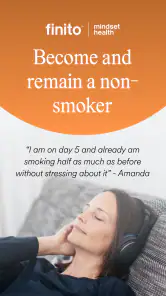
Analysis by Reviewed
I approached Finito: Stop Smoking as someone looking for a practical way to break the smoking routine rather than another general wellness app. It comes from Mindset Health and sits in the medical category, with a clear focus on self-hypnosis for people who want to stop smoking. The central idea is simple: change the mental association with cigarettes, then use repeated listening and deliberate choices to support that change.
That sounds straightforward, but quitting rarely depends on one perfect session. The real test is what happens between sessions: when coffee arrives, when stress hits, when other smokers are nearby, or when an old habit appears before I have time to think. My experience with this kind of app is that the value depends less on impressive wording and more on whether the routine is easy enough to follow when motivation is uneven. Finito is strongest when treated as a structured aid, not as a magic button.
From the first decision to handling a real craving
Starting with the right expectation
The first useful step is deciding what role Finito should play. It is not a replacement for medical care, nicotine-replacement products, or advice from a qualified professional. It is better understood as a guided mental tool for someone who wants to work on the thought patterns and automatic associations connected with smoking.
That distinction matters. A person who expects one short exercise to erase withdrawal, irritability, and every trigger may feel disappointed. Someone who sees the app as a repeatable part of a quit plan has a more realistic chance of using it well. I would especially consider it for a smoker who notices that cigarettes are tied to predictable moments: the first drink of the day, a work break, driving, finishing a meal, or winding down at night.
The app is free to install, which makes trying the basic experience less intimidating. At the same time, in-app purchases range from about thirty dollars to one hundred fifty dollars per item, so I would check the available access and payment choices carefully before committing. The free entry point is useful for judging whether the voice, pacing, and approach suit me; it should not be confused with unlimited access to every part of the program.
Building a quit routine instead of waiting for motivation
I would begin by choosing one dependable listening window rather than promising to use the app whenever I feel inspired. A quiet period before sleep can work for some people, while another person may prefer a calm morning before the day becomes demanding. The important detail is to protect the session from interruptions and make it part of an existing routine.
One practical workflow is to listen at the same point each day, then write down the next high-risk moment before putting the phone away. For example, if I know the difficult point will be a mid-afternoon break, I can decide in advance whether I will walk outside, drink water, contact someone, or simply delay the cigarette urge for a few minutes. Finito supplies the mental exercise; I still need to connect it to a concrete action in my own schedule.
More From Our News Desk

Clash of Clans Is Won Between the Battles

Android Auto Makes the Case for Quieter Car Software

MobiOffice: Transforming Mobile Productivity with Seamless Integration

EA SPORTS FC™ Mobile Soccer: Redefining Mobile Sports Gaming

How Microsoft OneDrive Became a Mobile Productivity Giant

How Google Translate Breaks Language Barriers Effortlessly
This is one of the less obvious trade-offs. A hypnosis session may feel personal and focused, but it does not automatically redesign the environment around me. The handoff from the app to everyday life is my responsibility. If cigarettes, lighters, and familiar smoking cues remain immediately available, the strongest session can be undermined by a rushed decision later.
What the listening experience is actually asking from me
Self-hypnosis works best when I give it attention instead of playing it in the background while answering messages. I would use headphones or a quiet room when possible, sit or lie somewhere safe, and avoid listening while driving or doing anything that needs full awareness. The aim is to follow the guidance and let the exercise occupy my attention for a while.
That requirement makes Finito different from a quick reminder or a habit tracker. A tracker asks me to report what happened. This kind of app asks me to participate in a guided mental process before or during the point at which I might smoke. If I am not comfortable with hypnosis, dislike spoken guidance, or find it difficult to relax with an audio-led exercise, the format may feel awkward rather than helpful.
I also found it useful to separate two goals: reducing the emotional pull of smoking and managing the physical discomfort of quitting. Finito is aimed more at the first goal. Nicotine withdrawal can involve symptoms that deserve a broader plan, and a person with a long or complicated smoking history may benefit from discussing cessation options with a clinician. The app can fit beside that support, but it should not carry the entire burden.
The first handoff: turning a session into a decision
The most important handoff happens when the guided exercise ends. I need to move from a passive listening state into a specific choice: not buying cigarettes, not accepting one socially, postponing the next cigarette, or following the quit plan I made earlier. Without that bridge, it is easy to feel calm for a short time and then return to the old pattern as soon as the next trigger appears.
I would prepare a small “after-session” routine. It could be as simple as standing up, drinking something, brushing my teeth, and changing rooms. These actions are not special features of Finito; they are ways to carry its intention into the physical world. The change of location is particularly useful when the usual smoking spot has become automatic.
Another helpful handoff is telling one trusted person what I am trying to do. I would not ask that person to police me. I would ask for a specific kind of support, such as not offering cigarettes, helping me leave a smoking situation, or listening when a craving peaks. This makes the app part of a larger support chain rather than an isolated promise made to myself.
Using it during an ordinary day
Imagine a weekday in which I usually smoke after lunch. I listen to a session at a calm time, then mark lunch as a risk point. After eating, I leave the table immediately instead of lingering where I normally smoke. I take a short walk, keep my hands occupied, and remind myself that the urge is a temporary event rather than an instruction. If the craving remains strong, I use the support plan I prepared instead of treating the discomfort as proof that the app failed.
This scenario shows where the app can be valuable. It gives me a repeated mental cue before the predictable challenge, while the change in routine handles the environmental cue. The result does not come from listening alone. It comes from combining the session with timing, distance from cigarettes, and a response that I have already chosen.
For someone who smokes mainly in response to stress, the workflow may need another adjustment. A session before a stressful meeting may help establish intention, but it cannot guarantee calm during the meeting. I would pair it with a short breathing pause, a drink, or a plan to step away afterward. For someone whose strongest trigger is social, the handoff may involve telling friends in advance that cigarettes should not be offered.
Where the workflow becomes inconvenient
The first friction is consistency. A quit aid that depends on repeated attention can be easy to neglect precisely when life becomes busy. If I only open it after I have already smoked, I may be using it as an apology rather than as preparation. Setting a fixed reminder outside the app may therefore be more reliable than trusting memory.
The second friction is emotional fit. Some people respond well to a calm, guided voice and imaginative exercises; others prefer a direct plan, written coaching, or measurable tracking. Finito’s self-hypnosis approach will not feel equally natural to everyone. I would give it a fair trial, but I would not force myself to continue if the format creates resistance every time I open it.
The third issue is cost progression. Since the app is free to start but includes paid items from roughly thirty dollars up to one hundred fifty dollars, I would read the purchase screen slowly and confirm what access each option provides before paying. This is especially important for anyone expecting a completely free cessation program. The price may be reasonable for someone who values the method, but it is a meaningful consideration when compared with free public-health resources, counseling, or a standard habit-tracking app.
How it compares with familiar alternatives
Compared with a simple quit-smoking tracker, Finito places more emphasis on mental rehearsal and suggestion than on charts, streaks, or cigarette counts. A tracker can make progress visible and expose patterns in timing or spending. Finito may be more appealing to someone who already understands their triggers and wants help changing the emotional script around them.
Compared with nicotine-replacement products, it addresses a different part of the problem. Replacement products are designed to help manage nicotine withdrawal, while self-hypnosis aims at the habit and expectation surrounding smoking. Some people may reasonably use both under appropriate guidance, because one does not automatically substitute for the other.
Compared with counseling, the app is more private and available on demand, but it lacks the personal feedback of a professional who can adapt a plan to medical history, dependence, mental health, or repeated relapse. Counseling is the better choice when I need accountability, tailored support, or help dealing with complicated triggers. Finito is more convenient when I want a personal tool I can use alone and repeat without scheduling an appointment.
It also differs from meditation apps. Meditation may help with general stress and attention, but Finito is more narrowly directed toward stopping smoking. That focus can be an advantage for a person who does not want a broad library of relaxation content. It can also be a limitation for someone whose smoking is closely tied to anxiety, sleep problems, or another issue that needs wider support.
Who is most likely to benefit
I think Finito is a good fit for an adult smoker who is ready to make a serious attempt, is open to self-hypnosis, and can protect a few quiet moments for regular listening. It may be particularly useful when cigarettes feel connected to routines and beliefs rather than only to physical withdrawal. The app’s Everyone content rating makes it broadly accessible from a store perspective, but age suitability should never replace personal judgment about health needs.
I would be more cautious about recommending it as the only strategy to someone with severe withdrawal, repeated unsuccessful attempts, a medical condition affected by smoking, or a high level of distress. That person should consider professional cessation support. I would also steer away from it for anyone who expects detailed medical supervision, live coaching, or a complete record of every cigarette and trigger.
The developer, Mindset Health, has positioned the product around a focused intervention rather than a large all-purpose health platform. That narrow purpose is part of its appeal. I do not have to sort through unrelated wellness material to reach the smoking-related exercise. The downside is that I need to build the missing pieces myself: support contacts, trigger planning, withdrawal management, and a way to review progress.
Practical questions before committing
One question is whether I need an internet connection every time I want to use it. I would check the app’s current behavior on my own device before planning sessions in places with poor reception, rather than assuming every session is available offline. This is a small detail, but it can matter if my chosen routine is a commute, a work break, or travel.
Another question is whether I can use it alongside medication or other cessation aids. The safest answer is to treat Finito as a behavioral support and ask a pharmacist or clinician about combining it with medication, nicotine replacement, or treatment for another condition. The app’s medical category does not make it a substitute for individualized medical advice.
A third question is what to do after a slip. I would avoid the all-or-nothing reaction of deleting the app or declaring the attempt over. Instead, I would record what happened, identify the trigger, adjust the next handoff, and return to the routine. A slip can reveal a weak point in the plan, such as social pressure or an unplanned stressful period. The useful outcome is a better response next time, not self-punishment.
Finally, I would ask whether the purchase is worthwhile for my situation. If the sessions feel natural and I am actually using the method, paying may make sense as part of a broader quit plan. If I dislike hypnosis or rarely complete the exercises, spending more will not solve the underlying mismatch. The free starting point is best used as a fit check, not as a promise that the entire experience will remain free.
My result after looking at the complete workflow
Finito makes the most sense when I follow the whole chain: identify the smoking trigger, listen with real attention, make a concrete decision immediately afterward, change the surrounding routine, and use another person or treatment option when the challenge is bigger than self-guidance. Its strongest contribution is helping me work on the automatic mental link between a situation and a cigarette.
Its weakest point is also clear: the app cannot make the handoffs for me. It cannot remove every cigarette from my environment, handle withdrawal on its own, persuade friends to change their behavior, or provide the judgment of a clinician. That is not a flaw unique to this product, but it is important to understand before relying on it.
With an average rating of about four stars from more than seven hundred ratings, and over ten thousand installs, it has attracted a modest audience rather than presenting itself as a universal solution. The current version is 45.2 and supports Android six or later, so compatibility should be straightforward for many older devices. I would still update carefully and make sure the app runs comfortably before building my entire routine around it.
My honest recommendation is conditional but positive: try Finito if you want a focused self-hypnosis approach and are prepared to combine it with real-world planning. Do not choose it because the idea of quitting without effort sounds attractive. Choose it because you are willing to listen, notice your triggers, and act differently when the session is over. The outcome depends less on one calming exercise than on the quality of the handoff into the next difficult moment.
Finito: Stop Smoking Frequently Asked Questions
Who developed Finito: Stop Smoking, and what kind of app is it?
Finito: Stop Smoking is a medical app developed by Mindset Health. Its short store description is “Finito,” and its summary presents the approach as stopping smoking with self-hypnosis. It is intended as digital support for people working toward quitting, rather than as a general-purpose health tracker. Before downloading, consider whether a self-hypnosis-based approach fits the kind of support you are looking for.
Is Finito: Stop Smoking available for my device?
Finito: Stop Smoking is available for Android devices running Android 6.0 or later. The app is free to download, so you can install it and review its available features before deciding whether to make an in-app purchase. If you use an iPhone or iPad, check the App Store directly for availability and compatibility with your device before proceeding, since platform support can differ.
What is Finito: Stop Smoking, and how does it help users quit?
Finito: Stop Smoking is a quit-smoking support app designed to help you understand your smoking habits, set a quit goal, and stay motivated throughout the process. It typically combines progress tracking, savings and health milestones, motivational information, and tools for managing cravings. The app is best viewed as a practical companion rather than a medical treatment, especially for people who need additional clinical support.
Is Finito: Stop Smoking suitable for everyone who wants to quit?
The app can be useful for many smokers, including people preparing to quit and those who have already stopped. However, quitting methods are personal, and the app may not address every situation, such as heavy nicotine dependence, pregnancy, serious health conditions, or withdrawal requiring medication. If you are concerned about symptoms or have struggled to quit repeatedly, speak with a doctor or qualified cessation professional.
What features should I expect after downloading Finito: Stop Smoking?
After setting up your profile and smoking information, Finito generally focuses on tracking your smoke-free time, money saved, cigarettes avoided, and possible health improvements. It may also provide educational content, motivational reminders, milestones, and craving-management suggestions. Available features can vary according to the app version, subscription plan, device, and region, so checking the current store listing is recommended before downloading.
Pros
- Tracks smoke-free time
- money saved
- and cigarettes avoided.
- Craving tools offer quick distractions during difficult moments.
- Progress milestones can make quitting feel more motivating.
- Simple interface makes daily check-ins fast and easy.
- Helpful for identifying personal smoking patterns over time.
Cons
- Some features may require a premium subscription.
- Statistics depend on accurate and consistent user input.
- Reminders may feel repetitive during a quit attempt.
- The app cannot replace medical advice or nicotine treatment.
- Limited value for users who prefer gradual reduction plans.
- Category
- Medical
- Version
- 45.2