Filament Bible
- 308.00
- 4.1
- Installs
- 100.00K
- Price
- Free

Screenshots
Analysis by Reviewed
If you are looking for a Bible app that connects reading on a screen with material you can hold in your hands, Filament Bible takes a different route from the usual digital Bible. I found it most interesting as a companion to a printed Filament Bible rather than as a standalone replacement for every study tool. Its central idea is simple: the physical Bible remains part of the experience, while the app adds digital reading and reference material around it.
That makes the first few minutes feel different from opening a conventional reading app. You are not simply choosing a translation, tapping a verse, and moving on. The experience is designed around moving between paper and phone, so the value becomes clearer when you approach it as a connected reading system. For someone who already enjoys a printed Bible but wants more guidance and supporting material, that combination can be genuinely useful.
Getting from installation to a useful first reading
What to expect before you begin
Filament Bible belongs in the Books & Reference category, and it is developed by Tyndale House. The app is free, with an Everyone content rating, so it is easy to try without treating the installation as a major commitment. It has passed the early stage of being an obscure experiment too: the app has over one hundred thousand installs, an average rating of 4.1, and roughly one thousand one hundred ratings.
Those figures do not tell me whether it will suit every reader, but they do suggest that the concept has found an audience. The app was released on September 5, 2018, and its current version is 4.1.8. It supports Android 7.0 and later, which is helpful if you are using an older phone rather than a recent flagship model.
The most important expectation is that this is not simply a digital shelf containing every possible Bible tool. If your priority is rapid verse lookup, extensive cross-referencing, or a large collection of study utilities, a more traditional Bible app may feel more direct. Filament Bible is more appealing when you want your reading to slow down and connect with printed pages, reflection, and guided material.
I would also avoid installing it with the assumption that the phone alone explains the entire product. The store summary describes it as “The Print+Digital Bible,” and that phrase is a useful way to understand the design. The short description, “Filament Bible,” is brief, but the experience itself is built around the relationship between a physical edition and its digital companion.
Setting it up without overcomplicating the experience
For a first-time user, the sensible approach is to begin with the Bible you actually plan to read. Keep the printed Filament Bible nearby and resist the temptation to explore every screen before opening a passage. The app makes more sense when you start with a real reading intention, such as following a chapter for a quiet morning or preparing for a small-group discussion.
More From Our News Desk

Clash of Clans Is Won Between the Battles

Android Auto Makes the Case for Quieter Car Software

MobiOffice: Transforming Mobile Productivity with Seamless Integration

EA SPORTS FC™ Mobile Soccer: Redefining Mobile Sports Gaming

How Microsoft OneDrive Became a Mobile Productivity Giant

How Google Translate Breaks Language Barriers Effortlessly
During setup, pay attention to the edition or connection choices presented by the app. The practical question is not merely whether the app opens; it is whether it recognizes the printed Bible you intend to use. If you have more than one Bible at home, choosing the wrong edition can make the later experience confusing because the physical page and the digital material may not line up in the way you expect.
My advice is to place the phone beside the book, rather than holding one and hiding the other behind it. This small change makes the print-and-digital relationship feel intentional. The printed page gives you a calmer reading surface, while the phone becomes the place to consult additional material when a question or theme catches your attention.
It is also worth thinking about where you will use it. At a desk or table, the two-part format feels natural. On a crowded commute, it is less convenient because you need to manage both a physical book and a phone. That is an important trade-off: a standard digital Bible is easier when portability is the only goal, while Filament Bible is stronger when you have room to read and reflect.
Your first meaningful success
The first useful action is not browsing through menus. Choose a familiar passage in the printed Bible, open the corresponding place in the app, and use the digital material to deepen that reading. This gives you an immediate test of the product’s main promise: can it help you notice something in the text without pulling you completely away from the text itself?
I found this workflow more rewarding than starting with a random search. A random search treats the app like a reference database. Beginning with a printed passage turns it into a reading companion. You can read several paragraphs on paper first, form your own impression, and then use the app to explore the surrounding context or supporting content. That order matters because it lets your own reading come before the explanations.
A useful routine is to mark one question before opening the digital material. It might be a historical question, a question about a person in the passage, or simply a request for help understanding the larger theme. Then use the app to look for material related to that question. This prevents the additional content from becoming an endless stream of distractions.
The best first result is a clearer reading habit, not a longer session. If you finish a passage understanding where to continue and why the extra material helped, you have already tested the app properly. You do not need to explore every option on the first day.
How the print-and-digital workflow changes Bible reading
The physical book gives the reading a sense of place. I can remember where a passage appeared on a page, notice the relationship between nearby sections, and read without the visual interruptions that are common on a phone. The app adds convenience when I want supporting material without searching through separate books or opening several unrelated tools.
This combination is particularly helpful for readers who begin with a printed Bible but regularly pause because they want context. Instead of abandoning the reading to search the wider internet, the app gives the digital side of the experience a defined role. That can make study feel less scattered.
There is a subtle benefit for beginners as well. A new reader may not know which reference resources are worth trusting or how to search for background information. A companion app can provide a more approachable starting point than a blank search box. I would still encourage independent thinking, but the guided structure can make the first steps less intimidating.
The limitation is that the two formats demand a little discipline. If you prefer reading entirely on one screen, switching between paper and phone may feel like unnecessary friction. The app’s strongest feature is also the reason it will not suit everyone: it asks you to preserve a physical reading experience instead of replacing it completely.
Common confusion and how I would handle it
The first possible confusion is assuming that every Bible app works the same way. Filament Bible is not best understood as a universal digital library where you immediately jump between many unrelated resources. Its identity is tied to the print-plus-digital format, so the printed Bible is not an optional decoration in the workflow.
A second point is the difference between reading and researching. If you open the app every time a verse raises a question, you may end up spending more time navigating than reading. I prefer a simple rule: read a section first, note the questions that genuinely matter, and then consult the app in one focused pass. This keeps the supporting material useful instead of letting it interrupt every sentence.
Another source of frustration can be expecting the app to replace a full study library. Readers who need advanced original-language tools, highly specialized academic references, or a large collection of translations may be happier with a dedicated study platform. Filament Bible has a more focused purpose. Its appeal comes from making Bible reading approachable and connected, not from trying to become every possible research tool.
Some users may also wonder whether the free price means the experience is too limited to matter. In my view, the more relevant question is whether the format matches your habits. Free access makes experimentation easy, but no price can make an inconvenient workflow feel natural. If you never use a printed Bible, the central idea may not offer enough benefit to change your routine.
At the other extreme, committed print readers may wonder why they need an app at all. The answer is convenience during moments when a physical volume alone leaves you wanting more context. The app can act as a bridge between quiet reading and guided exploration. It is not there to make the printed book obsolete.
Everyday situations where it works well
Imagine starting a short morning reading before work. You read the selected passage from the printed Bible, then use the phone for a brief look at the material connected with it. Because the paper remains in front of you, the session feels less like scrolling through an endless feed. You can close the app and return to the page without losing the basic thread of the reading.
It can also work well before a group conversation. Rather than arriving with isolated notes from several websites, you can read the passage in print and use the companion material to organize your thoughts. That does not turn the app into a substitute for discussion, but it can help a first-time reader arrive with a clearer question or observation.
Families may find the physical side useful because it creates a shared object rather than placing every person on a separate screen. One person can read from the page while another checks the app for supporting material. The arrangement is not perfect in a small space, but it encourages conversation more naturally than everyone silently browsing alone.
For travel, the verdict is more mixed. If you are packing light, a phone-only Bible is plainly easier. If you are taking the printed Bible anyway, the app adds value without requiring a separate reference book. That is the kind of situation where its design feels practical rather than novel for novelty’s sake.
Three habits that make the app more useful
First, use a two-pass method. On the first pass, read the printed passage without opening the phone. On the second, consult the app only for the questions you wrote down. This protects the quiet part of reading and makes the digital material answer a real need.
Second, keep the app tied to a physical bookmark or a visible page. This sounds simple, but it reduces the mental effort of remembering where you stopped. The print-and-digital format works better when the two sides remain synchronized in your routine, not merely installed on the same device.
Third, treat the supporting content as a prompt for reflection rather than the final word on every question. If the app introduces a theme, return to the passage and check how that theme fits the actual wording and surrounding context. This habit is especially valuable for beginners, who can otherwise accept an explanation without noticing what the text itself emphasizes.
A fourth useful habit is to choose one regular reading location. The app is less likely to become a forgotten icon when the printed Bible, phone, and reading time have a consistent place. That is not a feature hidden in a menu, but it is a real advantage of a product designed around a physical object: the setup can become a visible invitation to read.
Who should choose it, and who should skip it
I would recommend Filament Bible to someone who likes printed books but wants digital support close at hand. It is also a good candidate for a first-time Bible reader who feels unsure about where to begin and prefers a guided path over a huge collection of technical tools. Readers preparing for personal reflection, family reading, or a small discussion may appreciate the balance between paper and phone.
I would be more cautious if your main requirement is speed. People who frequently search isolated verses, compare many translations, or build detailed digital notes may find a conventional Bible app more efficient. Likewise, if you do not own or plan to use a compatible printed Bible, much of the distinctive appeal is reduced.
Accessibility and personal reading preferences matter too. Some people need adjustable digital text, one-handed navigation, or a completely screen-based experience. Others find paper easier on the eyes and more memorable. Filament Bible makes sense when its physical component is a benefit for you, not an obligation you tolerate.
The rating of 4.1 from around one thousand one hundred ratings gives the app a respectable reception, but I would not treat it as proof that it will fit every routine. The concept is specific. That is a strength for the right reader and a limitation for someone seeking an all-purpose reference app.
How it compares with ordinary Bible apps
A typical Bible app usually wins on immediacy. You install it, search for a passage, adjust the display, and keep everything on one screen. That is ideal for a quick lookup or reading while away from home. Filament Bible wins in a different area: it gives printed reading a digital layer without asking you to abandon the page.
Compared with a physical Bible alone, the app is more convenient when you want supporting material at the moment a question appears. Compared with a large study platform, it is less overwhelming and likely easier for a newcomer to approach. The trade-off is breadth. A specialized study app may offer more technical depth, while Filament Bible offers a more coherent print-centered experience.
I also see a difference in attention. Many digital Bible tools encourage rapid movement between references, notes, and searches. That can be valuable, but it can also turn reading into navigation. Filament Bible’s format encourages a slower rhythm. If your goal is to absorb a passage rather than collect as many references as possible, that restraint may be exactly what you want.
My recommendation after using the whole approach
Filament Bible is worth trying when you want your Bible reading to have both a physical anchor and digital assistance. I like that its purpose is easy to explain: start with the printed page, use the app when you need guidance or context, and return to the text with a clearer focus. That is more meaningful than adding another generic reading app to a crowded phone.
It is not the right choice for every Bible reader. People who want a fully digital library, advanced research features, or the fastest possible verse search should look elsewhere. The print-and-digital design requires a compatible reading habit, and switching between formats will feel unnecessary to some users.
For a first-time user, my suggested path is reassuringly small: install the free app, keep the printed Bible beside you, read one familiar passage, and use the digital side only after you have formed your own first impression. If that short routine helps you stay with the passage and ask better questions, the app has earned a place in your reading life.
Overall, I see Filament Bible as a thoughtful Books & Reference app rather than a universal Bible replacement. Tyndale House has built its identity around connecting two kinds of reading, and that focus gives it a clear personality. Choose it for the bridge between print and digital, not for features it was never meant to prioritize.
Filament Bible Frequently Asked Questions
Can I use Filament Bible on my phone or tablet?
Filament Bible is a mobile app for reading and study, and it supports devices running Android 7.0 or later. Before downloading, check that your device meets this requirement and has enough available space for the app and any content you choose to access. The app is free to download and is intended for a broad audience, with an Everyone content rating.
What is Filament Bible, and how does it work?
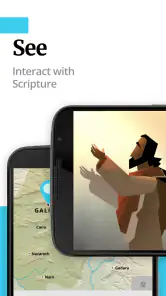
Filament Bible is a study-focused Bible app designed to help readers understand Scripture through additional explanations, background information, devotional material, maps, articles, and other learning resources. Instead of simply displaying the biblical text, it connects passages with supporting content intended to provide context and encourage deeper reading. The exact features and available Bible editions may depend on the platform, region, and selected version.
Which Bible translations are available in Filament Bible?
The translations available in Filament Bible can vary depending on the edition of the app, licensing agreements, operating system, and country. Before downloading, users should check the current store listing or the app’s in-app translation menu to confirm that their preferred version is supported. Some content may also be tied to a specific printed or digital Bible edition, so compatibility is worth checking in advance.
Does Filament Bible require an internet connection?
Filament Bible may require an internet connection for downloading the app, accessing certain study resources, synchronizing information, or loading media-rich content. Some Bible reading features may remain available offline after content has been downloaded, but offline access can differ by translation and resource. If you plan to use the app while traveling or without mobile data, test the desired passages and tools beforehand.
Is Filament Bible free to download and use?
Filament Bible is free to download. Users should still review the current app-store description for details about optional purchases, subscriptions, or content connected to particular Bible editions. Availability of resources can change over time, and some features may require registration or an associated product. Always check the pricing information shown for your device before confirming a download.
Pros
- Clear
- readable Bible text with helpful study resources.
- Supports personal notes
- highlights
- and bookmarks for reflection.
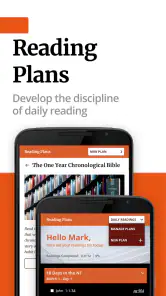
- Useful reading plans help maintain a consistent study routine.
- Clean interface makes switching between books and passages easy.
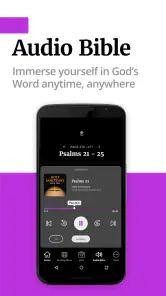
- Audio Bible options can make listening convenient while traveling.
Cons
- Some study tools or translations may require an in-app purchase.
- The number of available translations can vary by language and region.
- Audio downloads may use considerable storage space on your device.
- Advanced features may take time for new users to discover.
- Offline access may be limited for certain content or resources.
- Category
- Books & Reference
- Version
- 4.1.8