Ethiopian Bible
- 56.00
- 3.2
- Installs
- 100.00K
- Price
- Free

Screenshots
Analysis by Reviewed
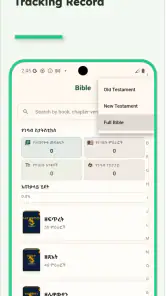
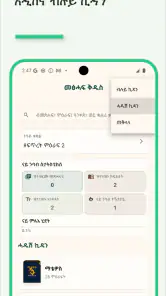
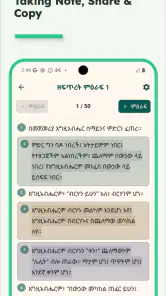
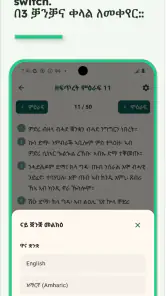
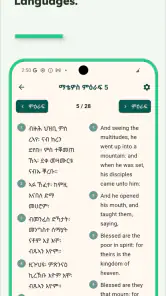
I spent time with Ethiopian Bible as a practical reading app rather than treating it like a simple digital book. Its main appeal is clear: it brings the Ethiopian Bible into one mobile reading experience with English, Amharic, and Tigrigna available for readers who want to move between these languages. That makes it more useful than a basic single-language Bible when family members, study partners, or church groups prefer different languages.
This is a free Books & Reference app from GeezApps, rated for Everyone. The current release is version 2.5.0, and it requires Android 7.0 or later. I also noticed that it has passed the 100K+ install mark, so it is not an obscure experiment with no established audience. At the same time, its average rating sits at 3.2 from around 193 ratings, which tells me that interest is real but the experience is not universally smooth.
How the free access affects its value
The most important cost detail is straightforward: the app is free. That changes the way I judge it. I am not expecting the polish, extensive study tools, or carefully refined reading experience that might justify a paid purchase. Instead, the question is whether the free access makes it easier to keep the Ethiopian Bible nearby and consult it across English, Amharic, and Tigrigna.
For many readers, the answer will be yes. A free app removes the hesitation of buying a digital edition before knowing whether its layout and language handling suit you. You can install it, read a passage, compare the available languages, and decide whether it fits your routine without putting money at risk. That is especially helpful for someone who wants a Bible reference on a phone but does not need a large library of commentary or study material.
Free access also makes the app practical as a secondary reference. I would not necessarily replace a preferred printed Bible or a more advanced study application immediately. Instead, I would keep this one available for moments when I need to check wording in another language, read while away from home, or share a passage with someone who is more comfortable in Amharic or Tigrigna.
There is a useful distinction here between free access and feature depth. The app delivers value because the core purpose is focused: Bible reading in three relevant languages. It should not automatically be judged against subscription-based tools that include extensive notes, audio libraries, reading plans, or scholarly resources. If those extras are essential to you, the absence of a purchase price does not make this app a complete replacement.
A multilingual reading tool with a specific audience
The language combination is the reason to choose this app. English gives the reader a familiar option for general reading or comparison, while Amharic and Tigrigna make the app more relevant to Ethiopian and Eritrean households, communities, and readers maintaining a connection with those languages. The benefit is not merely having three labels in a menu. It is being able to use the same phone as a bridge between different reading preferences.
More From Our News Desk

Clash of Clans Is Won Between the Battles

Android Auto Makes the Case for Quieter Car Software

MobiOffice: Transforming Mobile Productivity with Seamless Integration

EA SPORTS FC™ Mobile Soccer: Redefining Mobile Sports Gaming

How Microsoft OneDrive Became a Mobile Productivity Giant

How Google Translate Breaks Language Barriers Effortlessly
One realistic example is a family reading together. A parent may be more comfortable with Amharic, a younger family member may read English more quickly, and another relative may prefer Tigrigna. A shared digital Bible can make it easier for each person to follow the same passage in the language that feels most natural. That is a more meaningful use case than simply saying the app is “multilingual.”
I also see value for language learners. A reader who understands English but is improving Amharic or Tigrigna can use a familiar passage as a comparison point. Rather than studying isolated vocabulary, the reader can notice how a verse or chapter is expressed in another language within a meaningful context. This is not a dedicated language-learning course, so it will not replace one, but it can support a personal reading habit.
Another less obvious use is preparation before a conversation or gathering. If you expect to discuss a passage with relatives or friends who use different languages, checking the wording beforehand can reduce confusion. The app is particularly useful when the goal is not deep academic research but quick, respectful cross-language reference.
What I found useful in everyday reading
The strongest part of the experience is its portability. A physical Bible is still valuable, especially for readers who like turning pages, writing notes, or reading without a device. But a phone is usually already in your hand. Having the Ethiopian Bible available there makes spontaneous reading easier during a quiet break, while traveling, or when someone asks about a passage unexpectedly.
I would use it in a simple routine: open the app during a commute or before bed, choose the language that matches my mood or purpose, and read a manageable section instead of carrying a separate book. When I need to discuss the passage with someone else, I can switch languages rather than relying on memory or searching through separate applications.
That workflow also reveals a practical tip: choose the reading language before settling into a longer session. Switching between languages is most useful when done intentionally. If you are reading for reflection, stay in the language that feels most natural. If you are comparing wording, keep the same passage open in mind and move between versions carefully rather than jumping around without a purpose.
The app is also a sensible starting point for someone who has never used a digital Bible. It keeps the concept approachable because the central task is reading, not configuring a complicated study system. For an older relative or a family member who wants access to scripture on a phone, a focused app may feel less intimidating than a crowded platform filled with social features and recommendations.
Where the experience may feel limited
The rating of 3.2 suggests that not every user has found the app equally satisfying. I would take that seriously, especially because reading applications depend heavily on navigation, text presentation, and reliability. Even when the content is valuable, small problems with finding passages, changing languages, or reading comfortably can affect whether the app becomes part of a daily routine.
My main caution is to keep expectations realistic. The store summary presents it as a complete Bible in your pocket, but that does not mean it offers every tool found in larger Bible platforms. The confirmed identity of the app is a multilingual Bible reader, not a full study suite. Readers who depend on detailed cross-references, extensive commentary, audio, synchronized notes, or structured reading plans should consider whether a broader alternative would serve them better.
This tradeoff matters because free apps often win through accessibility rather than completeness. If your priority is carrying the text and consulting it in English, Amharic, or Tigrigna, the focused approach is a strength. If your priority is building a highly organized research library, you may find yourself needing another app alongside it.
There is also a difference between occasional reference and long reading sessions. On a phone, extended reading can be less comfortable than using a printed edition or a larger-screen reader. I would use this app confidently for short sessions, quick searches, and language comparison, but I would not assume that every reader will prefer it for hours of uninterrupted study.
Another point is device compatibility. The minimum requirement is Android 7.0, so the app is accessible to many Android users, including people with older phones. Still, anyone using an iPhone should not assume that the same installation experience applies, because the listed requirement is specifically for Android. That is an important practical check before recommending it to someone who uses a different platform.
How it compares with printed Bibles and broader apps
Compared with a printed Ethiopian Bible, this app wins on portability and language flexibility. A printed edition can feel more natural for extended reading and may be easier to annotate, but carrying multiple language editions is inconvenient. The app offers a lighter way to move between English, Amharic, and Tigrigna without filling a bag with books.
Compared with a single-language Bible app, its advantage is more specific. Many general Bible apps are designed around English or a wide international audience. This one is more appealing when the Ethiopian Bible and these three languages are central to your reading life. A generic app may provide a larger collection of tools, but it may not offer the same focused relevance.
Compared with a premium study platform, the decision depends on your purpose. A paid or subscription-based service may be better for organized research, guided plans, media, and advanced references. This free app is better value when you mainly need the text itself and want to avoid paying before you know whether a particular tool fits your habits.
I would also avoid installing several Bible apps without a plan. That can create a cluttered reading routine, with passages and bookmarks scattered across different places. A useful approach is to make this app your multilingual reference and keep a separate study tool only if you genuinely use its additional resources. That division gives each app a job instead of making both compete for attention.
Who will get the most from it
I think the best match is a reader who wants a free Ethiopian Bible app and values access to English, Amharic, and Tigrigna in one place. It is especially suitable for multilingual households, people who regularly communicate across those languages, and readers who want a portable reference rather than a feature-heavy study environment.
It can also suit someone returning to regular Bible reading. The low commitment makes it easy to begin with a short daily passage, then decide later whether more advanced resources are necessary. For that user, the app's value is not measured by the number of extras but by whether it removes friction between the intention to read and actually opening the text.
Students and community volunteers may find the language comparison useful when preparing a discussion, provided they treat it as a reading aid rather than a substitute for careful source checking. Likewise, relatives who share passages through conversation can benefit from having a common digital reference even when their preferred reading languages differ.
I would be more cautious about recommending it as the only Bible tool to someone who needs intensive study features. A pastor, researcher, or serious note-taker may want a platform built around references, annotations, search depth, and long-term organization. The free price is attractive, but it does not remove the need to match the tool to the task.
Small habits that make the app more useful
First, use the multilingual design deliberately. Read a passage once for meaning in your strongest language, then consult another language only when you have a clear reason. This prevents the comparison process from becoming a distraction and makes differences in phrasing easier to notice.
Second, treat the app as a conversation tool. If your family or group uses different languages, agree on the passage first, then let each person read it in the language they prefer. This is more effective than passing one phone around and asking everyone to follow an unfamiliar translation.
Third, keep a separate method for personal notes if detailed annotation is important to you. A small notebook or another trusted tool can preserve reflections without forcing this app to become something it was not designed to be. That separation is useful because it keeps the reading experience simple while still supporting deeper study.
Finally, test it during the exact situations in which you expect to rely on it. Read a passage at home, try it during a short break, switch languages, and see whether the navigation feels natural to you. The average rating indicates a mixed overall response, so personal comfort matters more than assuming the app will suit everyone equally.
My recommendation for prospective users
I would recommend trying it if your main requirement is a free, portable Ethiopian Bible with English, Amharic, and Tigrigna available for reading. The app has a clear audience and a useful role: it can connect multilingual readers with the same scripture without requiring a paid purchase. Its 100K+ installs also show that it has reached a meaningful number of Android users.
I would not recommend choosing it blindly as a replacement for every Bible resource. The 3.2 average rating is a reminder to pay attention to how the app behaves on your own device and whether its reading flow matches your expectations. If you need advanced study organization, extensive supporting material, or a more polished long-session experience, a broader alternative may be the better primary choice.
For me, the value is strongest when the app is used with a clear purpose: quick reading, multilingual comparison, family use, or keeping the Ethiopian Bible close during the day. It is less convincing when judged as an all-in-one research platform. That distinction makes the recommendation more honest and more useful.
Overall, Ethiopian Bible is worth trying for readers who care about its specific language coverage and want free access on a compatible Android device. I see it as a practical companion rather than a universal replacement for printed editions or feature-rich Bible software. If English, Amharic, and Tigrigna access are the reason you are looking, this focused app offers a sensible starting point; if they are not, another Bible reader may give you more relevant value.
Ethiopian Bible Frequently Asked Questions
What languages does Ethiopian Bible support?
The app’s summary describes Ethiopian Bible as offering Scripture in English, Amharic, and Tigrigna. That makes it relevant to readers who prefer one of these languages, or who want to compare texts across them. Check the language options after opening the app to choose the text that best suits your reading and study needs.
What is the Ethiopian Bible app, and what content does it include?
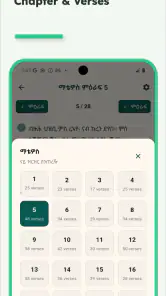
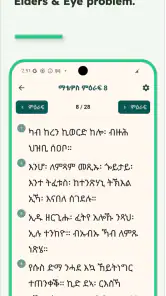
Ethiopian Bible is a mobile Bible-reading app focused on providing access to Ethiopian biblical texts in a convenient digital format. Depending on the edition and app version, it may include books associated with the Ethiopian Orthodox Tewahedo tradition, along with standard Bible sections, chapter navigation, search tools, bookmarks, and reading options. Users should check the app description to confirm the exact translation and collection included.
Does Ethiopian Bible work offline after installation?
Many Bible apps allow users to read downloaded books without an internet connection, which is useful when traveling or when mobile data is limited. However, offline availability can vary by version, device, and the way the app stores its content. After installing Ethiopian Bible, open several chapters while connected to the internet and test them in airplane mode before relying on the app for offline study.
Is Ethiopian Bible available in Amharic or other Ethiopian languages?
The app is generally intended for readers interested in Ethiopian Scripture, but language support may differ depending on the edition. Some versions may offer Amharic text, while others can include English, Ge’ez, or additional language options. Before downloading, review the screenshots, language information, and settings carefully to make sure the available text matches your preferred reading language.
Does the app include the complete Ethiopian Orthodox Bible canon?
Users should not assume that every application labeled Ethiopian Bible contains the complete Ethiopian Orthodox Tewahedo canon. Mobile apps can differ considerably in the number of books, translations, and supplementary materials they provide. If access to the full traditional canon is important to you, compare the listed books with a trusted Ethiopian Orthodox reference and verify the app’s contents after installation.
Pros
- Includes Ethiopian Orthodox books rarely found in standard Bible apps.
- Offline access makes reading possible without an internet connection.
- Useful search tools help locate verses and passages quickly.
- Simple layout is comfortable for extended reading sessions.
- Supports personal study with bookmarking and note-taking features.
Cons
- Some translations may use older or difficult-to-understand English.
- Navigation can feel less intuitive for first-time users.
- Audio readings may be unavailable for certain books or passages.
- Limited customization options for fonts
- colors
- and reading themes.
- Content accuracy and updates may depend on the selected edition.
- Category
- Books & Reference
- Version
- 2.5.0