Emoji Battery Icon Customize
- 467.00
- 4.4
- Installs
- 10.00M
- Price
- Free

Screenshots
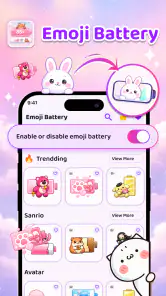
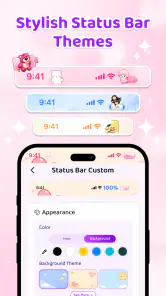
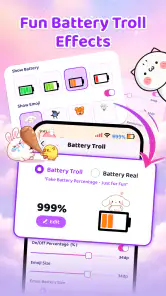
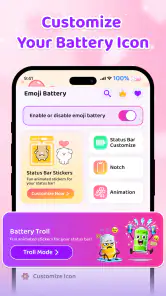

Analysis by Reviewed
I like phone customisation best when it changes something I see often without making ordinary tasks harder. Emoji Battery Icon Customize takes that idea to a tiny but visible part of Android: the battery indicator and status bar. It is a free personalization app from ZAppsolution, aimed at people who would rather see a playful emoji, sticker, or theme than the standard battery display. That narrow focus is also the main question to ask before installing it: do you want a small visual change, or are you hoping for broader control over how your phone looks?
A small status-bar change, with trust worth considering
My first impression is that this is a decorative tool rather than a battery-management utility. Its appeal is in changing the look of a familiar status symbol, not in helping you extend battery life or understand power use. That distinction matters: if you want practical battery diagnostics, your phone’s settings or a dedicated battery tool is a better fit. If the standard indicator feels dull and you enjoy personal touches, the app has a clear purpose.
The audience is broad, but the experience is still personal. Someone who likes expressive themes may enjoy seeing a small visual flourish throughout the day; someone who prefers a clean, restrained interface may find an emoji in the status area distracting. I would treat the change as an accent, not a full makeover. A subtle choice is more likely to feel pleasant during work, navigation, or a busy notification-heavy day than a design that competes with everything else on screen.
Trust is particularly relevant for an app that changes a system-facing visual element. I would not assume anything about permissions, data collection, account requirements, or privacy practices without clear, current information in the app and its Android permission screens. Before granting access, I would read each request in context and ask whether it makes sense for the specific visual change I want. If the request is unclear, I would pause rather than treating access as an automatic part of customisation.
What the app is designed to change
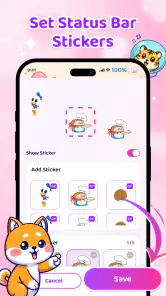
The central idea is to give the battery display a more individual look using emoji, stickers, and themes. In practice, that makes the app most useful for people who notice small interface details and want their phone to feel less like every other handset. It is not the right choice if your priority is changing icons across the whole home screen, redesigning widgets, or applying a coordinated system-wide theme; those jobs call for a launcher or a broader theming option instead.
One useful way to approach a status-bar design is to judge it against the background where you actually use your phone. A bright sticker that looks charming on a preview may be harder to distinguish against a light screen or busy status area. I would test a restrained design first, then check it on both a plain screen and an app you use frequently. The practical test is not whether the design looks impressive in isolation, but whether the battery remains easy to recognise at a glance.
There is a trade-off between personality and legibility here. An emoji can make the indicator feel more expressive, but the standard battery symbol has the advantage of being familiar and instantly readable. If you often check your charge while walking, commuting, or using your phone one-handed, clarity should win over novelty. A decorative style is best when it stays recognisable without requiring you to stop and interpret it.
Choices matter more than the theme count
The most useful control is the ability to choose a look that suits your own tolerance for visual noise. Rather than cycling through every style, I would start with the simplest option that feels different enough to be worthwhile. Then I would live with it through a normal day. That small trial helps separate a design that is amusing for a minute from one that remains comfortable after repeated glances.
A second practical tip is to change one visual choice at a time. If the app offers several kinds of decoration, adjusting a single element makes it easier to tell whether the battery display is still legible or whether another status-bar detail is drawing too much attention. This is especially useful for people who rely on quick glances rather than opening the notification shade. A custom indicator should reduce boredom, not add a tiny daily puzzle.
I would also keep the original appearance in mind as a fallback. Customisation is most enjoyable when returning to a familiar display is easy, especially if the new look clashes with a work profile, a navigation session, or a bright wallpaper. Before settling on a style, check how the phone behaves in the situations where you depend on the status bar. If it feels less clear, the standard indicator is not a failure; it is simply the more useful option for that moment.
Privacy and control should be checked on the device
Because this app touches a system-facing part of Android, I would pay attention to the exact controls shown during setup rather than relying on assumptions about what a battery customiser needs. Android presents permission prompts and settings through the operating system, so read each one before approving it. If a permission seems unrelated to changing the appearance, do not grant it casually. You can also revisit app permissions in Android settings and remove access you no longer want to keep.
Data-sensitive moments can arise even in a simple personalisation app: installation, initial setup, permission prompts, and any optional purchase are all points where I would slow down and read what is on screen. I would avoid entering personal information unless there is a clear reason and a control I understand. This is a cautious way to use any customisation tool, not a claim that this app does or does not collect particular information.
There is no need to create a more complicated workflow than the app’s purpose requires. If a visual choice can be made without sharing personal details, I would stick to that path. If the app presents account-related options or asks for access, make a deliberate decision instead of tapping through. For people who share a phone or use a managed device, checking with the device owner or administrator first is sensible, since system-level appearance changes may not be welcome in every setting.
How it compares with familiar alternatives
Compared with leaving Android’s default battery display alone, this app offers a more playful identity but may sacrifice some of the standard indicator’s visual familiarity. Compared with a launcher, it is a narrower tool: a launcher can reshape home-screen icons and layout, while this app is focused on the battery icon and status-bar styling. That narrower scope is a benefit if you want one small change without rebuilding your home screen, and a limitation if you want your entire interface to match.
It also differs from a battery-monitoring app. Those tools are chosen for information and power habits; this one is chosen for appearance. I would not install it expecting charging advice, battery-health analysis, or longer battery life. Keeping those expectations separate prevents disappointment and makes the decision simple: use it for visual expression, and rely on Android’s own battery settings when you need functional information.
For a realistic everyday example, imagine checking your phone repeatedly during a long day of appointments. A distinctive but clear battery design can make the status area feel more personal without changing your routine. But if you are trying to conserve power and need to spot a low charge instantly, the plain familiar icon may serve you better. That is why I would choose based on the task and not assume a custom style is automatically an improvement.
Who should try it, and who should pass
I can see this working well for someone who enjoys emoji-led personalisation, wants a small change rather than a new launcher, and is comfortable reviewing Android’s permission prompts carefully. It is also a reasonable option for someone who likes trying visual styles and can switch back if a design becomes tiring. The app has a 4.4 average from around 425,000 ratings and has passed 10 million installs, which suggests that many Android users have found the idea appealing; those figures are context, not a guarantee that every device or preference will suit it.
I would skip it if you value a minimal status bar, depend on the default battery symbol for quick recognition, or want tools that explain battery consumption. I would also avoid adding it to a tightly controlled work phone until you know whether personalisation apps are permitted. The key question is not whether emoji are fun in general, but whether this particular corner of the interface is somewhere you want extra decoration.
The app is free to download, with in-app purchases priced from $2.99 to $9.99 per item. I would begin with the free experience and decide whether the available customisation is useful before spending anything. That keeps the choice proportional: this is a small cosmetic adjustment, so a purchase makes sense only if a specific paid option gives you a look you genuinely want. It is suitable for Everyone, but that age label does not replace a careful look at prompts or purchase screens.
Compatibility and a sensible first try
The current version is 1.1.9, and the stated minimum Android requirement is version 8.0. Before installing, I would check the Android version on the phone I plan to use, especially if it is an older device. The app was released on March 25, 2026, so anyone comparing it with long-established system customisation tools may prefer to test it directly rather than assume its workflow matches theirs.
My recommended first session is simple: install it, inspect every permission request, select a conservative design, and then check the result in the places where you normally glance at the battery. Give it a day before trying a more elaborate style. If the status area stays readable and the change still feels pleasant after repeated use, keep it. If you find yourself searching for the battery level or wishing the display were quieter, revert to the default and remove any access you no longer need.
Overall, Emoji Battery Icon Customize is an appealingly focused option for Android users who want a playful battery indicator rather than a complete visual overhaul. ZAppsolution has built its appeal around a small, visible detail, and that focus is both its strongest point and its boundary. I would recommend trying it when personal expression matters more than strict minimalism, while staying attentive to permissions and purchase choices. If you want dependable battery information, broad theme controls, or the least distracting status bar, Android’s standard tools or a different category of app will suit you better.
Emoji Battery Icon Customize Frequently Asked Questions
What does Emoji Battery Icon Customize do?
Emoji Battery Icon Customize is designed to personalize the way your device’s battery level appears, using emoji-style graphics or themed icons instead of—or alongside—the standard battery indicator. The exact customization options can vary by app version and device, so check the screenshots and feature details on the download page before installing. It changes the presentation of battery information, not the device’s actual battery capacity or charging performance.
How do I set up the emoji battery icon?
After installing the app, open it and review the available emoji, themes, and display settings. Depending on how the app works on your device, you may need to select a design, grant requested permissions, or enable a widget or notification display. Android and iOS handle system status-bar customization differently, so the icon may appear in an app screen, widget, or notification rather than replacing the built-in battery symbol.
Does Emoji Battery Icon Customize work on Android and iOS?
Availability and functionality depend on the specific version offered in your device’s app store. Android generally allows more options for widgets and interface customization, while iOS places tighter limits on changing system indicators such as the status-bar battery icon. Before downloading, confirm that the listing supports your operating system and device model, and read recent reviews for reports about compatibility with your OS version.
Does the app need special permissions, and is it safe to use?
A battery-themed customization app may request permissions to display widgets, notifications, or information needed to show the battery level. Review each permission prompt and grant only access that makes sense for the feature you want. Also check the developer information, privacy policy, and current store listing before installing. Those details are the best way to understand what data the app collects and how it handles it.
Is Emoji Battery Icon Customize free, and will it affect battery life?
The price and business model can vary by store listing and app version. Check the download page for any upfront cost, advertisements, subscriptions, or in-app purchases before proceeding. A customization app should not change your battery’s physical capacity, but an actively updating widget or background service may use some power. If you notice unusual battery drain, review the app’s background settings or remove it to compare.
Pros
- Offers a playful way to personalize the battery indicator.
- Emoji designs make the remaining charge easy to spot at a glance.
- Customization adds a personal touch to the device’s interface.
- A fun alternative to a plain battery icon.
- May appeal to users who enjoy emoji-themed personalization.
Cons
- The emoji battery display may be less clear than a standard percentage.
- Some designs could be difficult to distinguish at small sizes.
- Personalization options may be limited compared with full theme apps.
- Compatibility can vary across Android versions and devices.
- Battery indicators may not update as smoothly as the system icon.

- Category
- Personalization
- Version
- 1.1.9