Edmtrain Concerts & Raves
- 794.00
- 4.9
- Installs
- 100.00K
- Price
- Free

Screenshots
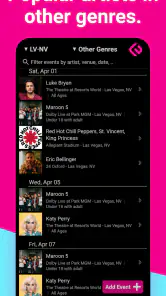
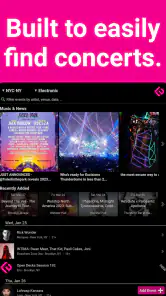
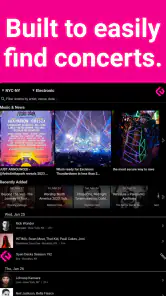
Analysis by Reviewed
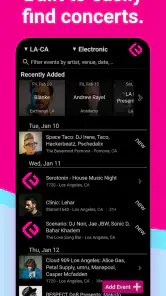
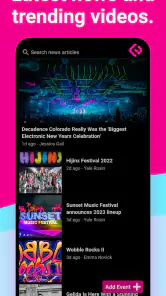
Finding the right electronic music event is often harder than finding the music itself. An artist may appear in a city for one night, a club may announce a lineup across several social channels, and smaller events can disappear quickly beneath unrelated posts. I found Edmtrain Concerts & Raves useful because it treats that problem as a focused event-discovery task rather than trying to become a general social network, streaming service, or ticket marketplace.
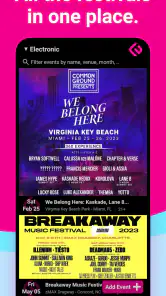
In my experience, the app is most valuable when I already know the kind of night I want but not exactly where to find it. I can browse nearby EDM shows, look for a familiar artist, and use the listings to discover names I might otherwise miss. It is a free Events app from EDM Train LLC, aimed at people who want to see electronic artists live or keep track of the local rave scene. Its Teen content rating also makes its audience broader than an adults-only nightlife tool, although the real-world event’s own entry rules still matter.
The important thing is to understand what this app does best. It is a discovery layer for live electronic music. I would not treat it as a complete replacement for a venue’s official page, a ticket provider, or a messaging app for coordinating a group. Used alongside those tools, it can make the first part of planning much easier.
How connectivity changes the search for a night out
Why the app is strongest when the network is available
The central experience depends on current event information being delivered to the phone. That makes connectivity part of the app’s usefulness, not just a background technical detail. When I have a reliable connection, the app fits naturally into the moment when I am deciding what to do: I can check the local scene, scan upcoming options, and move from a vague idea such as “I want house music this weekend” toward a specific show.
This is different from browsing a saved music library. A concert listing is time-sensitive, and the value comes from seeing what is happening around me now or soon. Network access helps the app behave like a live noticeboard rather than a static catalog. That is especially helpful in a city with several venues, where searching one club at a time would be slow and easy to abandon.
I also like the discovery angle. Searching only for artists I already know would make the app a calendar for familiar names. The better habit is to use known artists as an entry point, then inspect nearby events and unfamiliar lineups. That turns the app into a way of expanding my listening plans instead of merely confirming them.
There is a practical trade-off here. The same freshness that makes connected browsing useful means I should not assume that an event page is the final word on doors, ticket availability, age restrictions, or last-minute changes. Before leaving home, I would still check the venue or official event source. The app helps me find the night; the organizer remains the sensible place to verify the final logistics.
Using it in ordinary mobile situations
The app makes the most sense on a phone because event discovery rarely happens at a desk. I might open it while commuting, during a lunch break, or when friends ask what is happening later in the week. These are short sessions, so the useful workflow is not to inspect every possible listing. I first choose a location, identify a manageable set of events, and then investigate only the options that fit my timing and taste.
A realistic example is a Friday afternoon when my plans have fallen through. I can check the app for nearby electronic shows, notice an artist I recognize, and then look at the surrounding listings for alternatives. If I am meeting friends, I can share the event details through whatever communication app we already use, while keeping the discovery step separate from the group conversation. That division is helpful: the event app finds the possibilities, and the messaging app handles decisions.
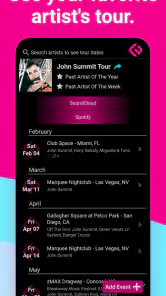
Another good use is planning ahead for a trip. Rather than waiting until I arrive in a new city, I can use the app to understand whether the dates overlap with events that interest me. This is particularly useful for someone who follows touring artists but does not want to monitor every artist account individually. I would still confirm the venue’s location and ticket instructions before building a travel plan around a listing.
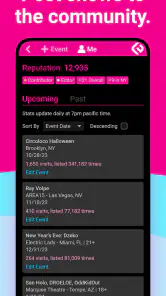
For regular local users, a quick weekly check may be more effective than constantly opening the app. Looking once when making weekend plans reduces distraction and gives enough time to compare artists, venues, and practical details. For someone who attends shows often, that simple routine can be more useful than relying on an algorithmic social feed where event announcements compete with unrelated content.
What happens when reception is weak
Connectivity becomes more important at exactly the moments when a phone may be under pressure: traveling through unfamiliar areas, moving between venues, or standing in a crowded place where mobile service is inconsistent. I would not make the mistake of treating the app as my only source of information once I am already on the way to a show. Before leaving, I would note the venue, event name, and any important instructions, then keep the official ticket or confirmation available through the appropriate source.
This preparation is not a criticism of the app so much as a sensible boundary for any connected event-discovery tool. Finding an event and proving entry are different jobs. If the app is unavailable at the door, I should not expect it to substitute for a ticket wallet, email confirmation, or venue guidance. The safest workflow is to use it early, while I have time and a strong connection, and then carry the information needed for the actual night separately.
Weak reception can also make browsing feel more frustrating when I am trying to compare several events quickly. In that situation, I would narrow the search instead of repeatedly refreshing broad results. Start with the preferred city or area, check the most relevant listings, and save the important details elsewhere if necessary. This is one of the less obvious habits that makes the app feel more dependable: reduce the amount of live information being requested at once.
If plans change, I would repeat the same process. Reconnect when possible, check the current event information, and verify any change with the organizer or venue before traveling. A listing app is excellent for surfacing options, but it should not be treated as a guarantee that every detail remains unchanged right up to the start time.
Making sensible choices with mobile data
People who are careful with mobile data can still use the app sensibly by treating it as a planning tool rather than leaving it open throughout the night. I would browse while connected to trusted Wi-Fi when convenient, narrow the results to the places and dates that matter, and avoid repeatedly scanning the entire event landscape without a clear purpose. The biggest saving is usually behavioral: decide what I am looking for before opening the app.
This approach also improves attention. Endless browsing can turn a useful event search into a stream of possibilities with no decision at the end. I prefer a three-step process: choose the area, shortlist events, and verify the practical details elsewhere. It keeps the app’s role clear and avoids using connectivity simply to revisit the same information.
Someone traveling internationally should be especially deliberate. Checking events before leaving hotel Wi-Fi is more comfortable than depending on roaming service while moving around an unfamiliar city. I would also avoid assuming that a listing contains every piece of information needed for the night. Venue directions, entry requirements, ticket instructions, and schedule changes deserve a second check from the official source.
There is a useful distinction between data-conscious use and offline expectations. I can plan intelligently around connectivity without claiming that the app provides a complete offline experience. If I know I will be underground, in a remote area, or inside a crowded venue, I should prepare the information I need before that situation begins.
Where it compares well with usual alternatives
The usual alternative is to follow individual artists and venues on social media. That can work for major names, but it scatters information across many accounts and makes smaller discoveries dependent on which posts happen to appear. This app’s focused purpose is its advantage: I can approach the local EDM calendar from the event side rather than rebuilding it artist by artist.
Another alternative is a general ticketing app. Those services are often better when I already know the exact event and want to purchase admission. They are less convenient for open-ended discovery, especially when I want to compare several electronic shows without starting with a specific ticket seller. I see this app as the earlier step in the decision process.
Search engines and map apps are useful for finding a venue, but they are not always good at expressing the shape of a local scene. A map can tell me where a club is; it does not necessarily help me discover which electronic artists are appearing there across the coming days. Edmtrain’s narrower focus gives it more practical relevance for that particular search.
There are also situations where a social platform is better. If I want live crowd reactions, a friend’s recommendation, or direct discussion about set times, a community feed may offer more context. If I want a purchase receipt or venue-specific entry instructions, the official ticket source is better. The app wins when the question is, “What EDM events should I investigate?” It is not the universal answer to every question that follows.
Useful habits that are easy to miss
My first tip is to search by scene, not just by headline artist. A familiar name is a good starting point, but the more interesting results often come from examining nearby events and supporting lineups. This is how the app can become a discovery tool rather than a simple reminder service.
My second tip is to separate discovery from commitment. I would shortlist an event in the app, then verify the venue, date, entry conditions, and ticket path before buying anything or arranging transport. That small pause prevents a common mistake: confusing an appealing listing with a fully confirmed plan.
My third tip is to use the app before the night begins, not only when friends are already waiting. A connected search is easier when I have time to compare options and recover from a weak signal. Once I have chosen, I keep the practical information I need in a more dependable place, such as the official ticket confirmation or a note shared with the group.
A fourth useful habit is to compare events by the whole evening rather than by artist name alone. Venue location, travel time, and the kind of lineup can change whether a show is realistic. The app helps expose the choices, but my final decision should include the effort required to get there and return safely.
Who will enjoy it, and who should skip it?
I recommend it to people who regularly attend electronic shows, listeners who want to discover artists live, and newcomers who find the local rave calendar confusing. It is also a good fit for travelers who want to inspect the event landscape around their destination before making plans. The focused design makes sense for anyone who would rather browse a relevant list than follow dozens of separate accounts.
I would be less enthusiastic if someone wants a complete nightlife planner covering every genre, restaurant, party, and social activity. The app’s specialization is its strength, but it also narrows its usefulness. A general events service may be better for mixed interests, while a ticketing app may be better for someone who already knows the exact concert they want to buy.
It may also disappoint users who expect the app itself to handle every stage of a night out. Discovery is the clear starting point. Ticket purchases, group chat, navigation, venue policy checks, and last-minute confirmation may still require other tools. That is not a flaw when the app is used for its intended purpose, but it is an important expectation to set.
Audience, trust, and overall value
The app has built a strong public reception, with a 4.9 average from roughly 4.5 thousand ratings and more than 100 thousand installs. Those figures suggest that its focused approach resonates with a substantial group of electronic music fans. I would still judge it by whether it fits my own habits: if I rarely attend EDM events, the specialization may not justify keeping another event app around.
It has been available since January 25, 2013, which gives it the feel of an established product rather than a brand-new experiment. The developer is EDM Train LLC, a name that matches the app’s narrow focus. I appreciate that alignment because the product’s purpose is immediately understandable: it is built around finding electronic music events, not around stretching into unrelated features.
The app is free to use, which lowers the barrier to trying it during a weekend-planning session or before a trip. Free access is particularly useful for discovery because I can investigate several possibilities before deciding whether any one event deserves my money. The cost of the evening still comes from tickets, transport, and venue spending, so the app’s free price should be seen as a convenient planning advantage rather than a complete entertainment budget.
My final view is positive, with one clear condition: use it as a connected discovery companion, not as the sole authority for a time-sensitive night out. It is at its best when I have a location in mind, want to scan electronic music options, and need a faster alternative to checking artists and venues one by one. Its network dependence makes preparation worthwhile, but it also encourages a sensible workflow: browse early, verify important details, and keep entry information accessible outside the discovery step.
For anyone who wants a more direct route from “what is happening nearby?” to a promising EDM show, this is a worthwhile free app to try. I would keep it in my planning routine if live electronic music were a regular part of my calendar. If my interests were broader or I needed ticketing and social coordination in one place, I would pair it with other services or choose a broader alternative instead.
Pros
- Covers EDM events across many major North American cities.
- Useful filters help narrow events by date
- venue
- or artist.
- Event listings often include venue details and ticket links.
- Artist pages make it easy to discover upcoming performances.
- Clean layout makes browsing concert calendars quick and simple.
Cons
- Coverage is limited outside the United States and Canada.
- Some ticket links redirect to external websites or platforms.
- Event details may change without immediate updates in the app.
- The interface can feel sparse in cities with fewer listed events.
- Push notifications and advanced discovery tools may be limited.

- Category
- Events
- Version
- Varies with device