digiPunchCard
- 23.00
- 3.4
- Installs
- 10.00K
- Price
- Free

Screenshots
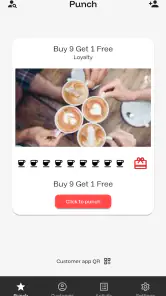
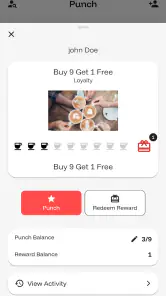
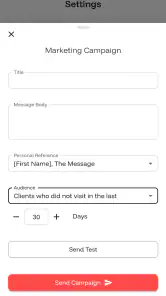
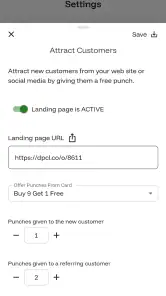
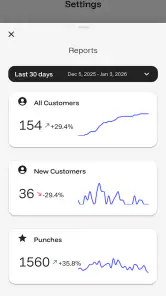
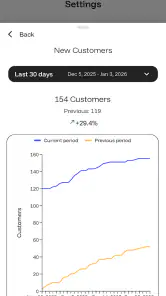
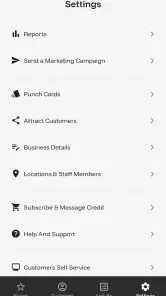
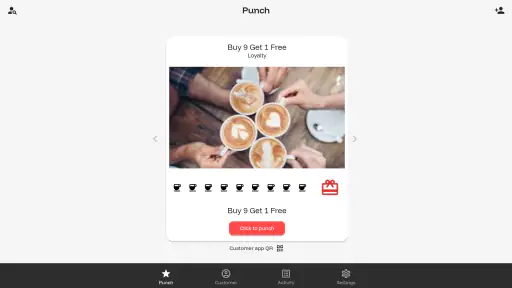
Analysis by Reviewed
Running a small loyalty program sounds simple until paper cards go missing, customers forget them at home, and staff have to interpret handwriting at the counter. digiPunchCard takes a more focused approach: it is a business app built around digital punch cards, giving a shop a way to manage repeat-customer rewards without relying entirely on printed cards. I found the idea practical, especially for businesses that want something lighter than a full customer relationship platform.
The important distinction is that this is not primarily a shopping or personal rewards app. It is aimed at the business side of loyalty management. The developer is Digital Punch Card, and the app sits in the business category. Its store summary describes a modern digital punch card tool for customer loyalty, which is a useful description of its purpose but not a complete explanation of whether it will suit a particular shop.
I would approach it as a focused utility rather than an all-in-one sales system. If your goal is to organize a straightforward repeat-visit incentive, it may be worth examining. If you need detailed customer analytics, inventory control, appointment scheduling, or a complete point-of-sale replacement, you should keep your expectations firmly in check.
How the app fits a real loyalty workflow
The basic concept is easy to understand. Instead of handing a customer a card that can be lost or damaged, a business can use a digital punch-card model to encourage return visits. That makes sense for places where the same action happens repeatedly: a coffee purchase, a haircut, a lunch order, a car wash, or another service with a clear visit or purchase milestone.
In my view, the strongest use case is a business with a simple reward rule. For example, a café might want to reward a regular customer after a set number of purchases, while a small service provider might use a card to encourage the next booking. The simpler the rule, the easier it is for staff to explain and the less likely the loyalty program is to become a burden.
A digital card also changes the conversation at the counter. A paper card asks the customer to remember where it is. A phone-based system asks the business and customer to follow a repeatable digital process. That can be more convenient, but it also means the business has to train staff and make the process feel natural. A loyalty app only helps when employees actually use it consistently.
One practical workflow is to introduce the program at checkout rather than during a separate sign-up campaign. Staff can explain the reward in one sentence, help the customer get started, and then apply the punch as part of the normal transaction. This is more realistic than expecting customers to discover the program on their own. The app’s value depends as much on that routine as on the software itself.
More From Our News Desk

Clash of Clans Is Won Between the Battles

Android Auto Makes the Case for Quieter Car Software

MobiOffice: Transforming Mobile Productivity with Seamless Integration

EA SPORTS FC™ Mobile Soccer: Redefining Mobile Sports Gaming

How Microsoft OneDrive Became a Mobile Productivity Giant

How Google Translate Breaks Language Barriers Effortlessly
What the free entry point means
The app is free to install, which lowers the barrier for a small business that wants to investigate digital loyalty without committing to an upfront purchase. That does not automatically mean every useful business function is free. The listing also shows in-app purchase items ranging from $0.99 to $649.99 per item, so the word “free” should be read as free access to the app, not as a promise that every possible use or package will cost nothing.
I would not treat the highest listed purchase amount as a recommendation or assume that a particular business will need it. The useful question is whether the free access is enough for your intended workflow and, if not, what a paid item actually unlocks for your operation. Before rolling the app out to a whole team, I would test the complete customer journey and review the purchase screen carefully.
This distinction matters for budgeting. A free download is attractive when you are experimenting, but a loyalty system becomes an operating expense if you depend on paid items. A careful owner should compare the cost of those purchases with the value of returning customers, not with the price of paper cards alone. Printing is cheap; the real comparison is whether the app improves participation and reduces administrative friction.
For a very small operation, the free starting point may be enough to validate the idea. You can see whether customers understand digital punches, whether staff remember to use the process, and whether the reward encourages another visit. If those behaviors do not appear, paying for a larger setup would not solve the underlying problem.
Where the value is strongest
The clearest value is concentration. A business does not need to build a loyalty system from scratch or manage a stack of paper cards. The app gives the loyalty idea a dedicated home, which can make a modest reward program feel more organized and easier to explain.
It can also help a business move away from informal tracking. A paper card often leaves room for forgotten cards, unclear marks, and inconsistent staff decisions. A digital approach can create a more repeatable routine, provided the business applies its rules evenly. That consistency is important: customers are more likely to trust a reward program when every employee handles it in the same way.
Another useful benefit is the ability to design a loyalty conversation around behavior rather than discounts. A business can encourage repeat visits without immediately reducing the price of every purchase. That may be more sustainable for a small shop than running broad promotions, although the reward still needs to feel worthwhile to the customer.
There is also a subtle operational advantage in keeping the program narrow. A full customer platform can offer more, but it can also require more setup, training, and maintenance. For an owner who only wants digital punches, a specialized app may be easier to evaluate than a large system filled with features that will never be used.
My advice is to decide the reward rule before installing the app. Write down what earns a punch, what happens when a customer reaches the reward, and how staff should handle mistakes. This prevents the software from becoming a substitute for a loyalty strategy. The app can support a clear policy; it cannot create one for you.
A realistic day behind the counter
Imagine a small takeaway café during a busy morning. A regular customer orders, asks whether the shop has a loyalty program, and receives a quick explanation of the digital card. The employee follows the same process used for every customer, records the visit, and confirms the customer’s progress without delaying the queue.
That scenario shows both the promise and the risk. The app can make the program more convenient than a paper card, but only if the interaction takes seconds and staff know exactly what to do. If employees have to stop and search through confusing screens, the loyalty program becomes a queue problem. A manager should test the busiest period, not just a quiet setup session.
There is a second scenario worth considering. A customer returns with a new phone or cannot immediately find the digital card. The business needs a calm, consistent way to handle that situation. If the staff response changes from one visit to the next, customers may feel that the reward system is arbitrary. Before launch, I would create a short internal rule for common account or device problems, even if that rule is simply to ask the customer to try again later rather than improvise a reward.
For a service business, the timing may be different. A salon or repair shop could introduce the card after the service, when there is less pressure than during payment. That makes the app more suitable for businesses that can choose when to explain the program. In a crowded counter-service environment, the owner should keep the message especially short.
Tradeoffs compared with familiar alternatives
The obvious alternative is the traditional printed punch card. Paper is inexpensive, familiar, and easy to understand. It also works without asking customers to use a phone. For a business with occasional visitors, an older customer base, or a very simple one-location operation, paper may still be the smoother choice.
The weaknesses of paper are equally familiar. Cards are lost, damaged, forgotten, or sometimes marked inconsistently. They also provide little structure for a business that wants to manage a program more carefully. A digital card can reduce those problems, but it introduces dependence on a phone, staff training, and a reliable process at the point of service.
The other alternative is a broader loyalty or point-of-sale platform. Those systems may be better when loyalty needs to connect with sales records, customer segmentation, receipts, inventory, or detailed reporting. Their drawback is complexity and potentially higher ongoing cost. digiPunchCard makes more sense when the business wants the punch-card concept without buying an entire business-management suite.
I would also avoid assuming that a digital punch card automatically creates better customer engagement than paper. The reward itself, the clarity of the rules, and the staff’s consistency matter more than the format. A badly explained digital program can perform worse than a well-designed paper card. The app is a tool for delivery, not a guarantee of retention.
Limitations I would consider before adopting it
The average rating is 3.4 from around 57 ratings, with roughly 23 written reviews. I would read that as a reason to test the app carefully rather than as a final verdict. A rating in that range suggests that experiences are mixed enough for a business owner to verify the workflow personally before depending on it.
The app has been available since February 16, 2015, and the current version is 3.0.0.71. That history can be reassuring because the product is not brand new, but it also means I would pay attention to how comfortable the interface feels on a current phone. An older app concept can remain useful, yet the day-to-day experience still needs to match modern expectations.
Device compatibility is another practical checkpoint. The listed minimum operating system is Android 8.0. A business using older phones should check compatibility before assigning those devices to staff. This is especially important for a small shop that reuses older hardware rather than buying a dedicated terminal.
The age rating is Everyone, which fits a straightforward business loyalty tool. That does not remove the need for sensible staff procedures. A business should still decide who is allowed to manage the program, how rewards are approved, and how customer questions are handled. The rating describes suitability from an age perspective, not the quality of a company’s internal controls.
Because the app is focused on punch cards, I would not choose it expecting the breadth of a full customer database or point-of-sale system. If your business needs complex reward conditions, multiple interconnected campaigns, detailed reporting, or extensive staff permissions, a broader platform may be a better investment. The more complicated the loyalty scheme becomes, the less attractive a narrow punch-card tool is likely to be.
Who is most likely to get real value
I think the best audience is a small business with repeat customers, a limited number of locations, and one easily explained reward. Independent cafés, casual food counters, barbers, salons, and local service providers are the kinds of businesses that can understand the model quickly and judge its results without a large analytics department.
It may also suit an owner who is currently using paper cards but wants a digital alternative without immediately adopting a large business platform. The free installation makes experimentation less intimidating, while the in-app purchase range means the owner should still treat expansion as a budget decision rather than an automatic next step.
The app is less convincing for a business whose customers visit only once, whose purchases are too irregular for a punch-card habit, or whose loyalty program depends on complicated spending tiers. It is also a weaker fit when many customers do not want to use a phone at checkout. In those cases, paper or a more flexible system may create less friction.
Teams should also consider who will own the program. If nobody is responsible for explaining the reward, checking that punches are recorded, and reviewing whether customers return, the app may simply become another unused tool. A small business can still benefit, but the owner needs to assign the routine rather than assuming the software will run itself.
How I would test it before committing
I would begin with one reward and one location. I would write the customer-facing explanation in plain language, train every employee on the same steps, and test the process at both a quiet time and a busy time. That reveals whether the program is genuinely quick or only appears simple when there is no queue.
Next, I would test the awkward moments: a customer who forgets the phone, an employee who makes a mistake, a customer who reaches the reward, and a device running the minimum supported Android version. These situations tell you more than a smooth demonstration. If the team cannot resolve them consistently, the loyalty program needs redesign before wider use.
I would also keep the first trial financially disciplined. Since the app is free to install but includes paid in-app items, I would avoid purchasing anything until the free workflow has shown clear value. Then I would compare the purchase cost with a practical business measure, such as whether repeat customers are returning often enough to justify the reward and the staff time.
Finally, I would ask customers one simple question: was the digital card easier than the old method? Their answer matters because the program serves them, not just the business. If customers find it confusing or intrusive, a paper card may be the better experience even if the digital option looks more modern.
My buy-or-skip verdict
I would recommend trying digiPunchCard when you run a small, repeat-visit business and want a dedicated digital punch-card approach rather than a full business-management platform. The free entry point makes a controlled trial sensible, and the concept is especially well matched to simple loyalty rules that staff can explain quickly.
I would not recommend adopting it blindly for a complex operation. The mixed average rating, the need to check the workflow on your own devices, and the presence of in-app purchases all point toward testing before committing. A business should confirm that the free experience is useful and understand the cost of any paid step before making the app part of everyday operations.
My final view is cautiously positive. This is a focused business app, not a magic customer-retention engine. It can replace some of the inconvenience of paper cards and offer a cleaner way to run a basic reward program, but its success depends on a clear offer and consistent staff behavior. If your loyalty idea can be explained in one breath, this app is worth a practical trial; if your requirements already sound like a full CRM system, skip it and choose a broader platform.
digiPunchCard Frequently Asked Questions
What devices and operating systems can run digiPunchCard?
digiPunchCard is a business loyalty app available for Android and iOS. On Android, it requires version 8.0 or later, so check your device’s operating system before installing. The app is designed to help customers use digital loyalty cards offered by participating businesses, making it most useful when the merchants you visit support the platform.
Who develops digiPunchCard, and is it intended for customers or businesses?
digiPunchCard is developed by Digital Punch Card and is described as a modern digital punch card app for managing customer loyalty for businesses. Customers can use participating programs to collect punches and work toward rewards, while businesses use the platform to support loyalty programs. Its usefulness therefore depends on both sides: a business must offer a program, and customers need to use that participating business.
What is digiPunchCard and how does it work?
digiPunchCard is a digital loyalty-card application designed to replace paper punch cards from participating businesses. After installing the app, you can usually find or join available loyalty programs, collect digital punches after eligible purchases, and track your progress toward rewards. The exact process may vary by business, so users should check the participating store’s requirements before expecting a punch to be added.
Do I need to create an account to use digiPunchCard?
Account requirements can depend on how each participating business has configured its loyalty program. Some features may be available after simply installing the app, while saving cards, synchronizing progress, or redeeming rewards may require registration or sign-in. Before creating an account, review the requested permissions and personal information, particularly if you prefer not to share unnecessary data with a loyalty service.
How are punches added and rewards redeemed in digiPunchCard?
Punches are generally added when a participating merchant verifies an eligible purchase, often by scanning a code, entering a transaction detail, or confirming the visit through the app. Once the required number of punches is reached, the reward should appear in your digital card or become available at checkout. Always confirm qualifying products, expiration dates, and redemption rules with the individual business.
Pros
- Quickly tracks loyalty rewards without carrying paper punch cards.
- Digital cards are convenient to access directly from your phone.
- Can help users keep multiple business reward cards in one place.
- Reduces paper waste compared with traditional loyalty cards.
- Useful for spotting available rewards before making a purchase.
Cons
- Requires participating businesses to support digiPunchCard.
- Reward terms may vary between businesses and can be unclear.
- Phone battery or app access may be needed when redeeming rewards.
- Some users may be hesitant to share personal or purchase information.
- A limited merchant network can reduce the app’s usefulness in some areas.
- Category
- Business
- Version
- 3.0.0.71