Deep Sleep Hypnotherapy
- 147.00
- 4.2
- Installs
- 10.00K
- Price
- Free

Screenshots
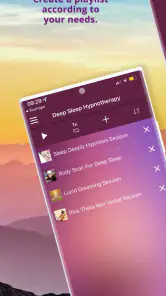
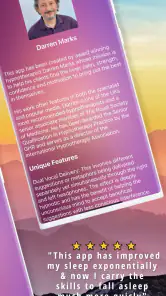
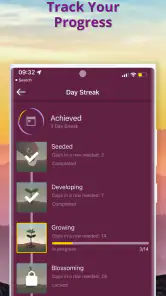
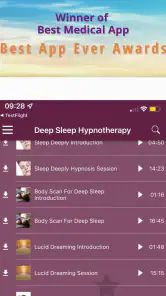
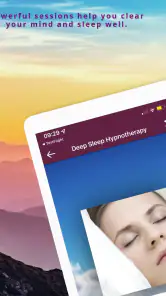
Analysis by Reviewed
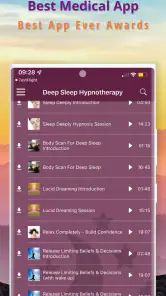
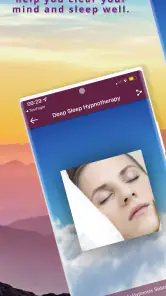
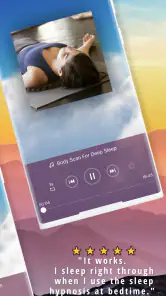
I approached Deep Sleep Hypnotherapy as a practical bedtime tool rather than a medical treatment. It is a free medical app from Harmony Hypnosis Ltd, built around guided hypnotic meditation for people who want help relaxing before sleep. The idea is simple: start a session, settle into a comfortable position, and let the spoken guidance become the focus instead of scrolling, planning, or replaying the day.
That simplicity is both its appeal and its limitation. This is not a sleep tracker, a detailed wellness dashboard, or a replacement for professional care. It is closer to an audio-based wind-down routine, with hypnosis as the central method. In my experience, it makes the most sense for someone who already responds well to calm spoken guidance and wants a repeatable way to mark the end of the day.
How the app feels in everyday use
The best way to use it is to remove as much friction as possible before pressing play. I would set the phone down, lower the room light, and choose a position that does not require adjusting the device again. The less attention I give to the screen, the more useful the session becomes. Treating it like another app to inspect defeats the purpose.
A realistic use case is an evening when I am physically tired but mentally active. Instead of opening social media or searching for another video, I can use the session as a boundary between being awake and trying to sleep. The spoken approach gives my mind something gentle to follow, while the repeated routine can make bedtime feel less improvised.
It is also suitable for short periods of relaxation outside the bedroom, provided the listener is in a safe, quiet place and does not need to stay alert. I would not use any hypnotic audio while driving, cycling in traffic, cooking, or handling equipment. The app is designed for winding down, not for situations where reduced alertness would create a risk.
The age classification is Everyone, which makes the app broadly approachable from a store-access perspective. That should not be confused with a promise that every listener will benefit equally. Sleep difficulties can have many causes, and a relaxation recording cannot address every one of them.
The current experience is deliberately narrow
What I like most is that the app appears to stay focused on one job: helping the listener relax and move toward sleep. There is value in not being surrounded by charts, streaks, reminders, social features, or a long list of lifestyle tasks. For a person who becomes more alert when confronted with too many choices, a focused audio routine can be easier to maintain.
More From Our News Desk

Clash of Clans Is Won Between the Battles

Android Auto Makes the Case for Quieter Car Software

MobiOffice: Transforming Mobile Productivity with Seamless Integration

EA SPORTS FC™ Mobile Soccer: Redefining Mobile Sports Gaming

How Microsoft OneDrive Became a Mobile Productivity Giant

How Google Translate Breaks Language Barriers Effortlessly
The trade-off is that people who want measurable feedback may find the experience limited. A sleep tracker can show patterns over time, while a general meditation platform may offer breathing exercises, soundscapes, timers, and several teachers. This app is a better fit when the spoken hypnotic format itself is what you are looking for, not when you want a complete sleep-management system.
The store short description, “Deep Sleep,” sets a very direct expectation, but I would keep that expectation realistic. I see the app as support for a bedtime habit, not as a guarantee of deep sleep every night. Some sessions may feel helpful immediately; for others, the main benefit may come from repeating the same calming routine consistently.
What the version and history tell me
The app has been available since March 10, 2011, and the current version is 2.34. That long presence suggests an established product rather than a newly launched experiment. It also matters because older apps can feel different from newer wellness products: they may prioritize a straightforward function instead of constantly adding dashboards, social layers, or fashionable design elements.
I would not assume that a current version number automatically means a major redesign or a particular feature set. What I can reasonably say is that the app has continued to exist through multiple generations of mobile devices and operating systems. Its minimum requirement of Android 7.0 also makes it relevant to people using older Android hardware, although compatibility alone does not tell me how comfortable the interface will feel on every screen.
For existing users, the practical question is less about chasing every update and more about whether the present audio routine remains dependable on their device. If the app already fits someone’s bedtime, a familiar workflow can be a strength. Sleep routines benefit from consistency, and a radically changing interface could be more distracting than helpful.
At the same time, long availability should not be mistaken for proof that the app suits every modern expectation. Someone accustomed to polished sleep platforms may look for richer personalization, clearer progress tools, or more visible control over sessions. I would judge the app by whether its core listening experience works comfortably, rather than by comparing it feature for feature with newer subscription services.
How it compares with familiar alternatives
Compared with ambient-noise apps, this one puts more emphasis on the voice and the hypnotic structure. Rain, fan, and ocean recordings can mask background sounds without asking the listener to follow ideas or instructions. That may be preferable for people who find spoken words distracting at bedtime. I would choose this app when my mind needs gentle direction, and a soundscape when I want a neutral background.
Compared with broad meditation apps, Deep Sleep Hypnotherapy is more specialized. A large meditation library can be useful for users who want separate practices for stress, focus, breathing, and sleep. The downside is decision fatigue: browsing for the perfect session can become another form of screen time. This app has a clearer purpose, but less appeal if variety is the main reason you meditate.
Compared with clinical sleep support, the difference is even more important. A hypnosis recording may help with relaxation and bedtime habits, but it does not assess symptoms, investigate medical causes, or provide individualized care. Persistent insomnia, severe daytime sleepiness, breathing problems during sleep, or distressing mental-health symptoms call for a qualified professional rather than relying on an app alone.
There is also a meaningful difference from a traditional alarm or timer. Those tools can structure a schedule, but they do not provide the guided mental transition that makes this app useful. Conversely, if I already fall asleep easily and only need a wake-up alarm, adding a hypnotic session may be unnecessary.
Costs, access, and the practical trade-off
The app can be installed for free, which makes it easy to test without committing money at the start. However, in-app purchases range from $9.99 to $49.99 per item. That means I would check the purchase screen carefully before assuming that every part of the experience is included in the free installation.
This pricing structure changes the value calculation. For a person who uses the app regularly and finds the method genuinely helpful, a paid item may seem reasonable compared with repeatedly buying sleep aids or subscribing to a broader service. For someone who only wants occasional background audio, the cost may be harder to justify, especially when free alternatives already cover basic ambient sound.
I also recommend deciding in advance what success would look like. It might be falling asleep with less frustration, spending less time on the phone, or creating a reliable bedtime cue. If the app does not move that particular goal after a fair trial, paying for more content is unlikely to solve the mismatch. The important question is not whether hypnosis sounds promising in general, but whether this style of guidance works for me.
Three ways to get more from the routine
First, I would use the same preparation sequence each night: finish unrelated phone tasks, dim the display, start the session, and place the device out of reach. This turns the recording into a behavioral cue. The useful insight is that the routine around the audio may matter almost as much as the audio itself; repeatedly checking the screen can train wakefulness instead of relaxation.
Second, I would avoid testing it only on the most difficult night of the week. A person who is highly stressed may judge any sleep method harshly because the starting conditions are unusually challenging. Trying it during ordinary evenings gives a fairer sense of whether the voice and pacing are comfortable enough to become familiar.
Third, I would separate relaxation from the pressure to fall asleep immediately. If I listen while silently demanding a result, the session can become a performance test. A better approach is to treat the first goal as lowering mental activity and physical tension. Sleep may follow, but removing the demand can make the exercise easier to accept.
A fourth useful adjustment is to consider the listener’s response to language. Some people find a guided voice reassuring; others become more attentive because they analyze every sentence. If I notice that I am evaluating the narration instead of relaxing, an ambient track, quiet breathing practice, or a professional consultation may be a better alternative.
Where the experience still falls short
The narrow focus can become repetitive for users who need novelty. A broad catalog may offer more ways to adapt to changing moods, travel, stress, or irregular schedules. Here, the central method is the reason to install it, but also the reason some people will eventually move on.
There is also a personal compatibility issue with hypnosis itself. Not everyone feels comfortable surrendering attention to guided suggestions, and some listeners may prefer evidence-based behavioral sleep techniques with a clearer educational framework. That does not make the app useless; it simply means the format should feel natural rather than forced.
Another limitation is that an audio routine cannot correct a poor sleep environment by itself. Noise from other rooms, an uncomfortable mattress, late caffeine, an inconsistent schedule, or bright screens may continue to interfere. I would use the app as one part of a bedtime plan, not as permission to ignore the habits that are keeping me awake.
The free entry point is helpful, but the presence of paid items means I would pay attention while exploring. A user should know which listening options are available without payment and which require an in-app purchase before building a routine around them. That small check prevents an unpleasant surprise later.
Who should try it, and who should skip it
I would recommend trying it to adults who enjoy guided audio, want a simple sleep-focused routine, and do not need detailed tracking. It may be especially appealing to someone whose main problem is the transition into bed: the body is ready to rest, but the mind keeps looking for stimulation. The app’s focused purpose can make that transition easier to repeat.
I would be more cautious about recommending it to someone with ongoing or severe sleep problems, unexplained exhaustion, suspected sleep-disordered breathing, or symptoms that are affecting daily safety. That person needs assessment rather than a self-guided recording as the main response. The app can sit alongside professional advice only when that is appropriate, not replace it.
I would also suggest skipping it if spoken hypnosis feels irritating, uncomfortable, or mentally demanding. A simple noise machine, a silent wind-down routine, or a sleep-focused clinical program may be a better match. The right alternative depends on whether the obstacle is racing thoughts, environmental noise, poor scheduling, or a deeper health issue.
What I would watch before committing
For a new user, I would watch three things: whether the narration helps me disengage from the day, whether starting a session remains easy after the first few attempts, and whether the free experience is sufficient for my needs. Those answers are more useful than the app’s general promise of better sleep.
For someone who has used it for a long time, I would watch how well the current version continues to fit the device and bedtime routine. Familiarity is valuable, but it should not prevent a user from looking for a better option if the experience has become stale or no longer addresses the real problem.
The app’s rating is a 4.2 average from around 500 ratings, with over 100 written reviews and more than 10 thousand installs. Those figures show that it has found an audience, but they should be treated as context rather than a personal guarantee. Sleep responses are unusually individual, and a positive store impression cannot predict how one particular voice or hypnotic style will feel at night.
My final view is favorable but measured. Deep Sleep Hypnotherapy is worth trying if I want a focused, spoken relaxation aid and prefer a dedicated sleep purpose over a crowded wellness platform. Its long availability, accessible installation, and clear use case work in its favor. The main decision is whether hypnotic guidance feels calming to me and whether the paid options offer enough value after the free starting point.
My recommendation is to treat it as a bedtime experiment, not a promise. Give the routine a fair chance under quiet, repeatable conditions, keep the phone out of the way, and judge it by how it changes the process of winding down. If it makes sleep feel less effortful, it can earn a place beside the bed. If it creates more attention, frustration, or false reassurance, a different sleep tool or professional support is the wiser choice.
Deep Sleep Hypnotherapy Frequently Asked Questions
Is Deep Sleep Hypnotherapy available for my device?
Deep Sleep Hypnotherapy is an app for devices running Android 7.0 or later. Before downloading, check your device’s operating system version and confirm that the app is offered in your platform’s app store. The app is free to download, though some content may involve in-app purchases, so it is worth reviewing the purchase details before choosing to use any paid features.
Who makes Deep Sleep Hypnotherapy, and what do users think of it?
The app is developed by Harmony Hypnosis Ltd and is listed in the Medical category. It has an average rating of 4.2 from 498 ratings, with 147 written reviews and more than 10,000 installs. Those figures can give you a general sense of its audience, but personal experiences with hypnosis and sleep routines vary, so consider whether its approach suits your needs.
What is Deep Sleep Hypnotherapy and how does it work?
Deep Sleep Hypnotherapy is designed to support relaxation and healthier sleep habits through guided hypnosis sessions. The app typically combines calming narration, breathing prompts, visualization, and soothing background sounds to help quiet a busy mind before bedtime. It is intended as a sleep-support tool rather than a medical treatment, and results may vary depending on your routine, expectations, and individual sleep difficulties.
Can Deep Sleep Hypnotherapy really help with insomnia or poor sleep?
The app may help some users relax more easily and establish a consistent bedtime routine, especially when stress, racing thoughts, or tension make it difficult to fall asleep. However, it should not be considered a guaranteed cure for insomnia or other sleep disorders. If sleep problems are persistent, severe, or affecting daytime life, it is important to speak with a qualified healthcare professional instead of relying only on the app.
Is Deep Sleep Hypnotherapy safe for everyone to use?
Most adults can generally listen to relaxation or hypnosis recordings in a quiet, comfortable setting, but the experience is not suitable for every situation. Do not use it while driving, operating machinery, or doing anything that requires attention. People with certain mental health conditions, a history of seizures, or other medical concerns should ask a healthcare professional for advice before using hypnosis-based content.
Pros
- Calming sessions are easy to start
- even for first-time users.
- Short tracks fit well into a bedtime routine.
- Soothing narration can help quiet racing thoughts.
- Sleep-focused content avoids complicated settings or routines.
- Works well with headphones for a more immersive listening experience.
Cons
- Results may vary considerably from one listener to another.
- Some sessions may feel repetitive after frequent use.
- Narration or background sounds may not suit every preference.
- Requires a quiet environment for the best listening experience.
- It should not replace professional care for persistent sleep problems.
- Category
- Medical
- Version
- 2.34