Clipboard
- 1.35K
- 4.6
- Installs
- 500.00K
- Price
- Free
Screenshots





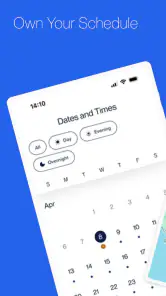

Analysis by Reviewed
Clipboard is a versatile app designed to enhance your productivity by simplifying the way you copy, paste, and manage text snippets across your devices. It's available on both Android and iOS, making it a handy tool for just about anyone with a smartphone or tablet. Let's dive into what makes this app tick and why it might just become your new best friend.
In practical use, the main question is whether keeping a history of copied material fits the way you already work. I’d consider it most useful if I regularly move between repeated messages, research notes, addresses, or links. It is less compelling if I only copy one thing at a time and rarely need it again. The app is a free business tool from Clipboard Health; its audience rating is 4.6 from around 5.3 thousand ratings, and it has over 500 thousand installs. Those figures suggest a sizable user base, but they do not tell you whether its workflow will suit yours.
Before making it part of a daily routine, I would choose one repeated task and try the app with a few non-sensitive snippets. That gives me a practical way to judge whether retrieval feels quicker than returning to the original source. For example, someone coordinating appointments might copy a location, a short instruction, and a contact detail during the day, then retrieve them as needed. The benefit is less context-switching; the trade-off is that a copied item can look current even when the original information has changed.
Copy and Paste Like a Pro
One of the standout features of Clipboard is its seamless ability to handle multiple copied items. You know how frustrating it is when you copy something, only to realize you need to copy something else, thus losing the first item? Well, with Clipboard, those days are over! This app allows you to store multiple copied texts, which means you can access them anytime without the fear of losing any important snippets.
What I love about this feature is its simplicity. You don’t have to be a tech wizard to figure it out. The interface is intuitive, and it takes just a few taps to find what you’ve copied before. This is especially useful for students or professionals who frequently juggle between different pieces of information.
One useful way to test the workflow is to copy items in the order you normally encounter them, rather than preparing a neat batch in advance. A real working day rarely presents information in a tidy sequence. If I can find the right address or message after switching tasks, the history is earning its place. If I keep having to reopen the source anyway, it may be simpler to leave that material there.
Where setup and everyday use can snag
A realistic example is preparing for a busy shift or a run of appointments: I might copy a location, a contact detail, and a short note in succession, then need to retrieve each without repeatedly switching back to the original sources. A clipboard history can make that handoff easier, but I would still treat it as a convenience rather than the only place to keep something important. Before relying on a saved snippet, check that it is complete and current; copied text can be easy to mistake for the latest version when several similar items are involved.
More From Our News Desk

Clash of Clans Is Won Between the Battles

Android Auto Makes the Case for Quieter Car Software

MobiOffice: Transforming Mobile Productivity with Seamless Integration

EA SPORTS FC™ Mobile Soccer: Redefining Mobile Sports Gaming

How Microsoft OneDrive Became a Mobile Productivity Giant

How Google Translate Breaks Language Barriers Effortlessly
If an item does not appear where I expect, I would first check the basic workflow: copy the text again, return to the app, and look for it in the history rather than assuming it was saved as a permanent note. Then I would close and reopen the app and confirm that I am using the same account on devices where I expect shared access. These are sensible checks, not a guarantee that every phone handles clipboard access identically. Device software and the app’s current behavior can affect what is captured, so I would test with an unimportant sample before building a routine around it.
That small trial also answers a practical setup question: should I trust it immediately for work I cannot afford to lose? I would not. First I’d try copying ordinary text from the sources I use most and retrieving it later, then repeat the test on any other device I expect to use. If the process is consistent, I can expand it gradually. For passwords, payment details, or other sensitive content, I would use a purpose-built secure tool instead of treating a clipboard history as a protected vault.
Cross-Device Sync
Another killer feature is the cross-device synchronization. Imagine copying a text on your phone and then pasting it on your tablet or computer without any hassle. Sounds like magic, right? Well, Clipboard makes it possible. As long as you’re signed into the same account, your copied items are readily available across all your devices. This not only saves time but also reduces the frustration of emailing yourself bits of text just to use them on another device.
Setting up the sync feature is straightforward. Once installed, you can easily link your devices, and voila, you’re good to go. This makes Clipboard not just an app, but an integral part of your digital workspace.
For troubleshooting, I would check whether both devices are online and signed into the same account before repeatedly copying the same item. If a clip is missing, copying it again on the source device and allowing a little time before checking the other device is a reasonable recovery step. I would also keep a separate source for anything that must not be lost, such as a final version of work or a key reference. A clipboard is designed around things you copy; it is not a substitute for a document, notes archive, or backup system.
This is also where the app differs from the usual alternatives. Emailing yourself is dependable for a deliberate handoff but creates extra messages and is clumsy for short-lived snippets. A notes app is usually better for longer writing that needs headings, context, and deliberate editing. Clipboard’s appeal is the quick retrieval of copied material, so I would choose it for repeated small transfers, not as the home for a polished document or a carefully maintained knowledge base.
There is a useful middle ground between sending every item to yourself and moving everything into a notes archive. I’d use this app for pieces that need to travel from one task to another in the near term, while leaving reference material that needs explanation in a document. That distinction keeps the history focused. It also makes the choice less about which app is universally better and more about whether the item is a quick handoff or something I will need to understand months from now.
Search and Organize
With so many copied items, it can get a bit chaotic. Thankfully, Clipboard comes with a nifty search function. This allows you to quickly find any text you’ve copied in the past. Plus, you can organize your clips into categories, making it even easier to manage your snippets. Whether you’re working on a project, writing an article, or just need to keep track of random thoughts, this feature has got you covered.
What’s more, the app doesn’t just support text. You can also copy and manage links and images, making it a versatile tool for all your copying needs.
A small habit makes this kind of history more useful: give related clips a clear category as you collect them, rather than waiting until a long list becomes difficult to scan. I would also avoid saving every temporary fragment. Keeping only items I am likely to reuse makes search more meaningful and reduces the chance of choosing an outdated address or draft by mistake. For an image or link that matters later, I would check that it is actually available in the app before deleting or closing the original source.
Search is most helpful when I remember a distinctive word from the clip, so I would avoid relying on it as if it could interpret the meaning of an item. Categories can add context that a short snippet lacks: a label such as “appointments” is more useful than several nearly identical entries with no clue about their purpose. I’d also periodically remove items I know I will not reuse. That is not busywork for its own sake; it keeps the material I actually need from being buried among throwaway copies.
Clipboard is rated for Everyone, and the current version is 2.242.0, with Android 6.0 as its stated minimum operating system. It was released on November 25, 2019. Those details help establish basic compatibility, but a newer device or version number alone cannot guarantee a particular phone’s clipboard behavior. If your device restricts background activity or handles copying differently, try the core copy-and-retrieve routine first and keep your normal workflow available until it feels reliable.
For someone choosing between this and a conventional notes app, the deciding question is what happens before the information reaches the app. If I am copying a snippet from somewhere else and mainly need to retrieve it, a clipboard-focused workflow makes sense. If I am composing original material, adding background, or building a record that other people must understand, I would start in a notes or document tool instead. That simple distinction helps prevent the app from becoming an untidy catch-all.
When another tool is the better fit
I would skip this app if I need a full task manager, a searchable archive of long documents, or a shared team knowledge base. A clipboard history is strongest when the material begins as something copied and needs to be reused quickly; it is not automatically a structured record of why that material matters. Likewise, if I mainly work on one device and rarely reuse snippets, the extra collection step may feel like overhead rather than a time-saver.
If something fails, it is worth separating an app issue from a source or device issue. The text may not have copied correctly in the first place, the source page may have changed, or the destination field may reject the content. I would test by copying a short, harmless phrase from a different source and pasting it into a basic text field. If that works, the problem may lie with the original content or destination rather than with Clipboard. This simple comparison can save time before reinstalling or changing settings.
That comparison is also a good answer to the question of what to do when a clip appears missing: test a plain phrase in a simple destination, then test the original source and destination separately. If the plain phrase works but the particular item does not, I would inspect how that source presents or copies its content before blaming the history. If the basic test fails too, I would restart with a fresh copy and check that the app and device are behaving normally before rebuilding my workflow around it.
I would also skip it if my main need is simultaneous collaboration. A shared clipboard can help move my own material between devices, but that is different from a team space where colleagues can comment, assign ownership, and maintain a reliable shared record. For that kind of work, a team document or project tool is the more appropriate starting point. Clipboard is at its best as a personal utility, not as a replacement for shared workplace systems.
Final Thoughts
In a world where efficiency is key, Clipboard shines bright. Its ability to manage multiple copied items, sync across devices, and organize snippets makes it a must-have app for anyone looking to streamline their work process. Whether you’re a student, professional, or just someone who loves staying organized, this app is definitely worth a try.
So, if you’re tired of the old copy-paste routine and are looking for a smarter solution, give Clipboard a shot. Trust me, once you start using it, you’ll wonder how you ever lived without it!
My recommendation is more measured: try it with a small, repeatable task before making it part of your workday. If finding a copied detail later saves you real effort, then its lightweight approach may be a good match. If you need durable records, careful editing, or dependable team collaboration, a notes or document app is the safer choice. I see Clipboard as a practical companion for quick snippets, provided I keep important information in its proper home.
In everyday terms, I’d give it a fair trial if my work involves moving short pieces of text around, especially when I switch between devices or revisit the same kinds of details. I would not install it expecting it to organize my whole day, preserve every important record, or make unreliable source information trustworthy. Start with a low-stakes task, keep the original source for anything consequential, and see whether finding copied material becomes easier than repeating the copy-and-paste process.
Clipboard Frequently Asked Questions
Is Clipboard free to download, and who is it for?
Clipboard is a free Business app from Clipboard Health, intended for people who want flexibility in deciding when and how much they work. Its store summary is “Decide when you want to work, and how much or little you want to work.” The app is rated for Everyone, so its listed age rating does not restrict it to adult users.
What is Clipboard and how does it work?
Clipboard is a versatile app designed to enhance productivity by allowing users to manage and store multiple copied texts efficiently. Once installed, it runs in the background, capturing everything you copy. You can easily access your clipboard history to reuse or manage your copied data, making it a must-have tool for those who frequently work with text.
Is Clipboard safe to use with sensitive information?
Yes, Clipboard takes user privacy seriously and employs robust security measures to ensure your data is safe. It does not transmit any of your copied data to external servers. However, users are advised to be cautious when copying sensitive information, as it will be stored in the app until deleted manually.
Can I customize Clipboard's settings to suit my workflow?
Absolutely. Clipboard offers a range of customizable settings to fit your workflow needs. You can adjust the clipboard history size, set specific shortcuts for quick access, and even organize your clips into categories. These features make it adaptable for both casual users and professionals who need efficient data management.
Does Clipboard support synchronization across multiple devices?
Yes, Clipboard supports synchronization, allowing you to access your clipboard history across multiple devices. This feature is particularly useful for users who switch between devices frequently. Synchronization is done securely, ensuring your data remains private and easily accessible wherever you are.
Pros
- Efficiently organizes copied texts
- Supports multiple file types
- Cross-device syncing available
- User-friendly interface
- Quick access to clipboard history
Cons
- Limited customization options
- Occasional sync delays
- Requires internet for full features
- Ads in free version
- No native dark mode
- Category
- Business
- Version
- 2.242.0