Cirque Italia
- 8.00
- 3.7
- Installs
- 10.00K
- Price
- Free

Screenshots

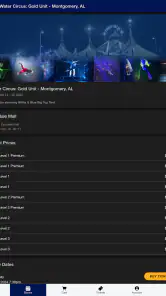
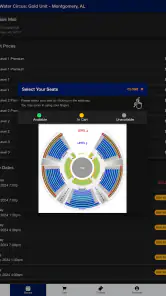

Analysis by Reviewed
I opened Cirque Italia with a simple goal: turn interest in a Cirque Italia performance into a practical plan for attending. That sounds straightforward, but an events app is only useful if it helps at the right moment. I wanted to see whether this free app from Maestro Tickets could move me from “that looks interesting” to knowing what to do next, without making the process feel heavier than using a normal browser or ticket page.
The app belongs to the events category, and its focus is clear from the first impression: it is built around Cirque Italia rather than trying to be a general-purpose event directory. That narrow purpose is both its main strength and its main limitation. If you are already looking for this particular circus experience, the focused approach makes sense. If you want to browse concerts, sports, theater and local activities in one place, this is not the right kind of tool.
My overall reaction is positive but measured. The app is easy to approach, costs nothing to install, and is aimed at an audience rated Everyone, so it feels suitable for families planning an outing together. At the same time, the experience should be judged as a companion for discovering and arranging a Cirque Italia visit, not as a complete replacement for every part of event planning. The useful question is whether it reduces the distance between curiosity and a confirmed evening out.
From a vague plan to a Cirque Italia outing
Beginning with the right kind of question
My starting condition was realistic: I knew I wanted to investigate a Cirque Italia show, but I was not yet ready to commit to a date or organize transport, companions and timing. This is where a focused event app can be more convenient than searching through unrelated results. Instead of sorting through a broad entertainment platform, I could stay within the Cirque Italia context and concentrate on the event itself.
That focus also changes how I would recommend using it. I would not open it casually every day in the hope of discovering something new, as I might with a local events marketplace. I would open it when Cirque Italia is already on my mind: after seeing a poster, hearing about the show from a friend, or deciding that a family outing should include something more memorable than a standard movie or meal.
The developer, Maestro Tickets, gives the app a ticket-oriented identity, but I found it more helpful to think of the app as the beginning of a booking workflow rather than the whole workflow. The first useful task is identifying the relevant performance information. The second is checking whether the timing works for the people coming along. Only after those decisions does the purchase or final arrangement become meaningful.
Working through the event information
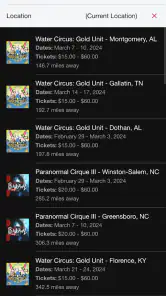
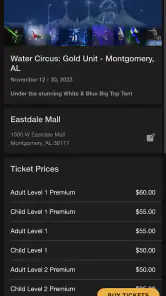
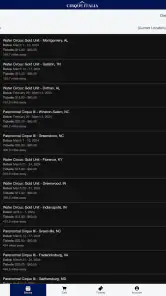
In a normal planning situation, I would first check the location and available performance timing, then compare those details with my calendar. For a family, that means asking whether children can manage the schedule, whether the venue is practical after school or work, and whether the journey home is reasonable. For a couple or a group of friends, it may instead mean coordinating several calendars and deciding whether the event fits around dinner or another activity.
This is one of the less obvious strengths of a dedicated event app: it keeps the decision centered on one experience. I do not need to evaluate dozens of unrelated listings before deciding whether this show is worth considering. That can make the early stage faster, particularly when everybody in a group already agrees that Cirque Italia is the kind of event they want.
However, I would still slow down before treating the first attractive option as the final plan. An app can present an event clearly, but it cannot make a difficult journey convenient or guarantee that a chosen time suits every person. My practical tip is to check the event details first, then immediately compare them with your real-world constraints. Do not begin with the assumption that an appealing performance automatically works for your household.
Turning interest into a decision
The transition from browsing to deciding is where I noticed the value of keeping the app focused. A general ticket service often asks me to navigate categories, venues and competing events. Here, the subject is already known, so my attention can stay on whether I want to attend and how I would arrange it.
That is especially useful when someone else is helping with the plan. One person can investigate the event while another checks travel time, childcare or availability. The app becomes the shared reference point for the conversation, even if the final planning still happens through messages, a calendar and ordinary travel tools. This handoff matters because event decisions rarely belong to one person alone.
I would use a simple three-pass method. On the first pass, I would identify the performance that seems relevant. On the second, I would check the practical details against the group’s schedule. On the third, I would revisit the choice before committing, making sure I had not confused “interesting” with “convenient.” This sounds basic, but it prevents a common ticketing mistake: moving too quickly because the event itself is exciting.
Handing the plan to other people
The app is not operating in isolation. A real outing usually involves at least one handoff: I discover the event, send the idea to another person, and then coordinate the final decision. In my experience, this is where a focused app can help and where it can also show its boundaries. It can support the event-discovery part, but the group still needs a dependable way to share the details and agree on responsibilities.
For example, if I were arranging a family visit, I would use the app to investigate the show, then send the relevant information to the adults involved. One person might handle tickets, another might arrange transportation, and someone else might decide where to eat beforehand. The app supports the first handoff, but it does not remove the need for ordinary coordination.
That is not necessarily a flaw. I prefer an event tool that stays focused rather than pretending to replace messaging, navigation and calendar apps. The trade-off is that users should expect a small amount of manual organization. If your ideal experience is one continuous system that manages every part of an outing, this app may feel limited. If you only need a clear starting point for a Cirque Italia plan, the narrower scope is easier to live with.
Another useful habit is to keep the final details accessible before leaving home. I would not rely on memory after making a booking or deciding on a performance. I would save the relevant information in the place my group normally uses for plans, then return to the app when I need to verify the event context. This reduces the chance that one person has the details while everybody else is guessing.
What the workflow delivers
The best outcome is not simply opening the app or reading about a show. The outcome is a confident decision: either the performance fits the group and is worth arranging, or it does not. In that sense, Cirque Italia succeeds when it shortens the research stage and gives the event a clear place in the planning process.
For me, the strongest use case is a person who has already heard of Cirque Italia and wants a direct route to the relevant event information. The app avoids the mental clutter of a broad entertainment service. It is also a reasonable option for parents who want to investigate an outing before discussing it with children, since the Everyone content rating makes the app feel approachable for a wide audience.
The result is less impressive for someone who expects a rich discovery engine. I would not choose it as my only events app if my main goal were to compare many different kinds of entertainment in my area. A general ticket marketplace or local events application would be better for that job because it would place Cirque Italia beside alternatives rather than making the circus the center of the experience.
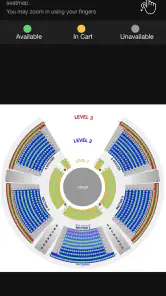
There is also a difference between finding a suitable event and enjoying the event itself. The app can help with the first part, but the quality of the performance, venue experience, seating situation and travel day are separate considerations. I appreciate that distinction because it keeps expectations realistic. A well-organized ticket workflow can prevent avoidable stress, but it cannot turn an inconvenient schedule into a convenient one.
Where the process becomes less comfortable
The main friction comes from the app’s specialization. A focused Cirque Italia tool is efficient when the user already knows what they want, but it offers less value when the user is undecided about the entire category of outing. Someone comparing a circus performance with a concert, museum visit or sporting event will probably need another service as well.
The second limitation is the handoff between event research and the rest of the day. I still need to think about transportation, timing, companions and what happens before or after the performance. That is normal for ticketing, but it means the app should not be mistaken for a full itinerary planner. My advice is to treat it as the event-specific part of a wider plan and use your usual calendar or messaging routine for everything around it.
I would also avoid assuming that installing the app alone solves the ticket problem. The useful work is in checking the details carefully and making sure the selected option fits the group. If you are the person in charge of arrangements, give yourself time to verify the plan before sharing a confident invitation. If you are only joining friends, ask for the exact event information rather than relying on a vague description.
Compared with a mobile browser, the app’s advantage is concentration: it gives the Cirque Italia experience its own place on the phone. The browser may be more flexible if I am researching several providers or looking for unrelated activities. Compared with a general ticketing app, this one is more direct but less broad. Compared with social media, it should provide a more purposeful route from interest to event planning, without the distraction of unrelated posts.
Who should install it
I would recommend it to people who are specifically considering a Cirque Italia performance, especially families, couples and small groups that want to organize an outing without beginning in a crowded general marketplace. It also suits users who prefer a dedicated app for a particular event brand instead of keeping every ticket search in a browser tab.
I would be more cautious about recommending it to someone who has not chosen an event type yet. If your question is “What can I do this weekend?” rather than “How can I attend Cirque Italia?”, a broader events service will probably save more time. The same applies if you need one app to manage multiple unrelated bookings and a complete day plan.
The app is free, which removes the usual barrier to trying it during the research stage. It was released in early March of twenty twenty-four, and the current version is 1.3.0, so users should keep the app updated through their normal store process rather than assuming an older installation reflects the current experience. It supports devices running Android 6.0 or later, which gives it a practical reach across many older Android phones.
Its audience response is mixed but generally workable: it holds a 3.7 average from around twenty-three ratings, with roughly eight written reviews. I would read that as a reason to keep expectations measured rather than as a warning to avoid it. The app has passed the initial adoption stage with over ten thousand installs, but it is still a specialized tool rather than a massively established general ticket platform.
My practical way of using it
If I were planning an actual visit, I would begin by opening the app when I had enough time to make a real decision, not while rushing between errands. I would identify the relevant event information, note the timing and location, and then pause before moving forward. Next, I would ask the people coming with me to confirm that the schedule works. That small pause is the difference between browsing and responsible planning.
After the group agrees, I would complete the ticket-related step and place the important details somewhere shared. I would then check the journey separately and decide when to leave, where to meet and what to do if one person arrives later. This workflow may involve more than one app, but it keeps responsibilities clear. The dedicated app handles the Cirque Italia portion; my calendar, map and messages handle the surrounding logistics.
For a last-minute plan, I would be especially careful. A quick decision can be fine when everyone is nearby and flexible, but it is risky when children, older relatives or several households are involved. In that situation, the app is useful for fast event checking, but I would not skip the coordination step. The most valuable hidden insight is that speed during discovery should not become haste during commitment.
I also think the app works well as a conversation starter. Rather than telling friends only that “there is a circus in town,” I could use the event information to make a concrete suggestion and let them respond to a specific plan. That makes the handoff cleaner and reduces the back-and-forth that often causes group outings to disappear before anyone buys a ticket.
Final assessment after following the complete flow
After looking at the journey from first interest to a planned outing, I see Cirque Italia as a focused event companion with a sensible role. It is not trying to be my entire entertainment life, and I would not use it that way. Its value comes from keeping attention on Cirque Italia and helping a potential attendee move through the early stages of choosing and arranging a performance.
My recommendation is therefore conditional but clear. Install it if Cirque Italia is already on your shortlist and you want a dedicated place to investigate the experience. Use it alongside your normal calendar, travel and communication tools, and allow time for the handoffs that an app cannot perform for you. Skip it if you are mainly searching for a broad selection of local events or want a complete itinerary manager.
For a free app from Maestro Tickets, it offers a straightforward entry point into this particular events experience. The 3.7 average suggests it is not flawless, and my own assessment matches that balanced picture: the focused workflow is helpful, while the narrow scope and need for outside planning remain real trade-offs. It is best understood as the first practical step toward a Cirque Italia outing, not the entire outing in your pocket.
Pros
- Spectacular acrobatic acts create a memorable live entertainment experience.
- Family-friendly performances are suitable for children and adults alike.
- Traveling shows bring theatrical entertainment to different cities.
- Creative costumes
- lighting
- and staging enhance the circus atmosphere.
- Several acts offer impressive variety beyond traditional circus routines.
Cons
- Show schedules depend on location and may include limited performance dates.
- Ticket prices can become expensive for larger families or premium seating.
- Some venues may have limited parking or uncomfortable seating arrangements.
- Loud music and sudden effects may bother young children or sensitive viewers.
- The experience is location-based
- so it may not be useful outside tour areas.

- Category
- Events
- Version
- 1.3.0