Chorefriend: Cleaning Schedule
- 37.00
- 4.8
- Installs
- 10.00K
- Price
- Free

Screenshots
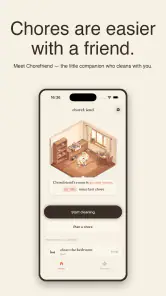




Analysis by Reviewed
I usually notice a home-management app only after a household routine has already become annoying. The problem is rarely that I do not know a floor needs cleaning or a filter needs checking. It is that those jobs compete with work, errands, family plans, and the small surprises that fill a normal week. Chorefriend: Cleaning Schedule approaches that problem as a dedicated chores tracker and home planner, rather than as a general notes app with a checklist added on.
After using it, my impression is that its main value is not making housework exciting. It is making recurring responsibilities visible enough to stop them from living in my head. That distinction matters. I would not choose it because I want a huge household-management platform or a social productivity system. I would choose it when I want a focused place to organize cleaning and home tasks without building a complicated spreadsheet.
The app comes from System Two GmbH and sits in the House & Home category. It is free to start, suitable for Everyone, and the current version is 1.0.24. Its average rating is 4.8 from over six hundred ratings, while the app has passed ten thousand installs. Those numbers suggest a small but enthusiastic audience rather than a mass-market tool, which matches how it feels: practical, focused, and designed around one everyday problem.
How I Decided Whether It Was Worth Keeping
The first test: can it reduce mental effort?
My first decision criterion was simple: does the app help me remember chores without forcing me to become a full-time planner? A useful cleaning scheduler needs to do more than display tasks. It should help me decide what belongs on a routine, what can wait, and what should be shared with other people in the home. If every small change requires too much setup, I am likely to abandon it after an ambitious weekend of organizing.
Chorefriend works best when I treat it as a home rhythm rather than a one-off task list. I can think in terms of repeating responsibilities: cleaning areas, handling household upkeep, and planning work before it becomes urgent. That makes it more suitable for recurring domestic maintenance than a basic reminder app, where a task can easily disappear among appointments, shopping reminders, and notifications from unrelated parts of life.
The second criterion was flexibility. Real homes do not run on identical schedules. A person living alone may want a light weekly reset, while a family may need to divide jobs across several people. Some chores are frequent and predictable; others happen only when a room, appliance, or seasonal task calls for attention. I paid attention to whether the app could support that uneven pattern without making every item feel equally important.
The third criterion was friction. I wanted to know whether moving from my existing habits would feel worthwhile. Many people already use paper lists, phone reminders, shared chats, or a calendar. A specialist app has to offer more than another place to type “clean bathroom.” Its advantage should come from structure: seeing the household as a system, not merely collecting isolated reminders.
What the focused design gets right
The strongest part of the experience is its narrow purpose. Because the app is built around chores and home planning, I can approach it with a different mindset from a work task manager. I do not need to decide whether a cleaning job belongs beside a project deadline or a personal goal. That separation is useful for people whose general productivity tools have become crowded and emotionally noisy.
I also like the psychological effect of separating maintenance from deep cleaning. A home feels overwhelming when every task is mentally combined into one giant obligation. A schedule encourages a more realistic view: small regular jobs keep larger cleanups from becoming disasters. That is an important insight for anyone who tends to postpone housework until there is enough time for a complete reset, because “enough time” rarely appears by itself.
My practical tip is to begin with only the chores that genuinely repeat. I would not enter every possible household task on the first day. I would start with a few anchors, such as a weekly cleaning block and one or two jobs that are easy to forget. After using the routine for a while, I would add less frequent maintenance. This keeps the initial plan believable and makes it easier to identify whether the schedule supports real life.
A realistic week with the app
Imagine a household where Saturday is usually available for cleaning, but Saturday is also when errands and family activities appear. Instead of placing every job on that single day, I would use the planner to spread lighter responsibilities through the week. A quick reset could happen on a weekday evening, while a more involved room receives attention during the weekend. The point is not to make every day a cleaning day; it is to avoid turning one unpredictable day into the only chance to keep the home under control.
For a shared home, I would use the schedule as a conversation starter rather than assuming that a list automatically creates fairness. One person may notice visible cleaning, while another handles less obvious maintenance. Writing those responsibilities down can reveal the imbalance, but the people involved still need to agree on ownership and timing. That is a strength of having a shared reference point, but it is also a limitation: no app can negotiate household expectations for you.
Another useful workflow is to separate “must happen” jobs from “good if possible” work. If the schedule treats everything as equally urgent, I can end up feeling behind even when the home is functioning well. I would keep the regular essentials prominent and treat occasional polishing or organizing as secondary. This is where a focused planner can help, provided I resist the temptation to fill it with an idealized version of my life.
Where it beats the usual alternatives
A paper checklist is still excellent for a single cleaning session. It is fast, visible, and requires no learning curve. However, paper becomes less convenient when tasks repeat, change hands, or need to be remembered weeks later. Chorefriend is the better fit when the main challenge is continuity rather than motivation during one afternoon.
A general reminder app is stronger for alerts that belong to an entire life: appointments, deadlines, medication, travel, and personal errands. I would not replace that tool with a home-focused planner. Instead, I see Chorefriend as a way to keep domestic maintenance from being buried under those other reminders. If your only need is a notification to take out the bins, a general reminder may be quicker. If you want a coherent cleaning routine, the specialist approach makes more sense.
Calendars are useful when timing matters, especially for appointments or events involving other people. They are less natural for a collection of flexible chores that may move from one day to another. A calendar can show when something is planned, but it does not always make the household workload feel manageable. Chorefriend’s value is strongest when the question is “what needs attention in the home?” rather than “what meeting starts at nine?”
Spreadsheets offer almost unlimited customization, but that freedom comes with maintenance. I can create columns for rooms, frequency, ownership, and completion, yet I also become responsible for keeping the system usable. For someone who enjoys building systems, a spreadsheet may remain the better choice. For someone who wants to start tracking without designing a mini database, this app offers a more approachable route.
Specific strengths I noticed in daily use
One non-obvious advantage is that a dedicated chore list can expose invisible work. Household management includes remembering what should happen next, not only performing the physical task. When those reminders are externalized, the person who usually carries that mental load no longer has to act as the household’s memory. I consider that more important than simply checking boxes.
A second insight is that the app can support seasonal thinking without forcing seasonal tasks into every weekly routine. I would keep everyday cleaning separate from occasional home care, then review the less frequent items when the season or situation makes them relevant. That prevents a weekly list from becoming so long that I stop trusting it.
A third insight concerns recovery after missed tasks. A rigid plan can make one missed chore feel like a failed week. I would use the schedule as a guide, not a debt ledger. If I miss a task because work becomes intense, I would reschedule the essential item and let the optional one wait. The app is most helpful when it supports a reset instead of punishing an imperfect routine.
Where the experience may frustrate you
The focused design can also feel limited if you expect a complete family coordination platform. People looking for extensive project management, detailed budgeting, shopping organization, or broad calendar integration may find a chores-centered tool too narrow. I would not install it expecting one app to manage every part of domestic life.
There is also a setup trade-off. A useful planner needs enough information to reflect your home, so the first session requires thought. If you enter too little, the schedule may not be meaningful. If you enter too much, it can become an intimidating catalog of obligations. The best result comes from starting modestly and adjusting based on what you actually complete, not what you wish you completed.
Another limitation is behavioral rather than technical: tracking does not guarantee follow-through. A visible task can still be postponed, especially when it is vague or oversized. I get better results when I define a chore in a way that tells me what “done” means. “Reset the kitchen” is less useful than a short, concrete description of the work I expect to finish. The app can organize the commitment, but I still need to make the commitment actionable.
What switching really costs
Moving from a paper list or general reminder app is not difficult in theory, but it does have a cost in attention. I need to decide which chores deserve a recurring place, which ones are occasional, and which ones were only written down because I felt guilty about them. That sorting process is valuable, yet it can feel like work before the app starts saving work.
My advice is to switch gradually. I would choose one area of the home or one weekly routine, use Chorefriend for that part, and keep the old method only for unrelated reminders. This makes the comparison fair. If I migrate everything at once, I may confuse the inconvenience of importing my habits with the quality of the new system.
The financial side also deserves attention. The app is free, but it includes in-app purchases ranging from $6.99 to $69.99 per item. I would therefore try the free experience against my actual routine before paying for anything. The right question is not whether extra spending is automatically justified; it is whether the app has become part of a dependable household habit. If I still avoid opening it after a trial period, paying will not solve the underlying problem.
For a household deciding together, I would also agree on one rule before switching: the app should clarify responsibility, not become a way to monitor or criticize another person. That small agreement can determine whether a chore planner feels supportive or controlling. The tool is more likely to stick when everyone understands why it is being used and what counts as a reasonable schedule.
Who should choose it, and who should skip it?
I would recommend Chorefriend to someone who repeatedly forgets recurring home tasks, feels that cleaning is always reactive, or wants a dedicated space for domestic planning. It is especially promising for people who have outgrown handwritten lists but do not want the complexity of constructing a custom system. Its free starting point also makes it easy to test without committing immediately.
I would be more cautious if your household already has a shared calendar and a simple reminder routine that everyone follows. In that case, adding another app may create duplication rather than clarity. I would also point people with extensive household administration needs toward a broader tool if they want finances, inventories, shopping, appointments, and chores in one connected workspace.
The age rating of Everyone makes it broadly approachable, and the minimum operating system is Android 8.0. That makes the app accessible on older compatible Android devices, though anyone using a different platform or relying on a particular cross-device workflow should check that it fits their everyday setup before reorganizing their whole routine around it.
My recommendation after testing the approach
Chorefriend: Cleaning Schedule is worth trying if your real problem is not knowing how to clean, but repeatedly carrying the responsibility of remembering what comes next. I appreciate its focused identity, because household tasks deserve a calmer place than a crowded work planner. The app encourages a sustainable rhythm, and its greatest benefit appears when I use it to make expectations visible without turning the home into a performance chart.
I would start with a small, honest schedule, test it through an ordinary week, and adjust the frequency of tasks that repeatedly fail. I would not build a perfect home-management system on day one, and I would not pay for additional options until the basic routine has proved useful. That approach keeps the switching cost low and reveals whether the app fits my habits rather than my aspirations.
My final judgment is positive but specific: this is a good choice for focused chore planning, not a universal replacement for calendars, reminders, or full household-management software. If you want a dedicated home routine that can grow from a few recurring jobs into a clearer plan, I would recommend giving it a fair trial. If you only need occasional alarms or already have a household system everyone follows, staying with your current alternative may be the smarter decision.
Pros
- Simple interface makes recurring chores easy to organize.
- Custom schedules help divide household tasks fairly.
- Reminders can reduce the chance of forgotten cleaning duties.
- Useful for coordinating chores with roommates or family.
- Task lists provide a clear overview of household responsibilities.
Cons
- Some useful features may require an in-app purchase.
- Notifications can become repetitive for frequently scheduled chores.
- Limited customization may not suit complex cleaning routines.
- Requires regular updates to keep schedules accurate.
- Shared task management may depend on other users joining the app.

- Category
- House & Home
- Version
- 1.0.24