Bookcamp: Audiobooks for Plex
- 131.00
- 4.1
- Installs
- 10.00K
- Price
- Free

Screenshots
Analysis by Reviewed
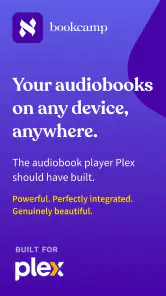
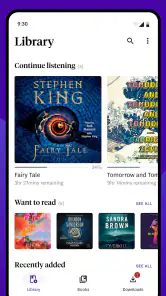
I approached Bookcamp: Audiobooks for Plex as a practical listening companion rather than another general audiobook marketplace. Its purpose is easy to understand: it is a Books & Reference app from Bookcamp that lets you reach your audiobook collection through Plex on a mobile device. That focus makes it more interesting for people who already organize media at home than for someone looking for a ready-made catalog of commercial audiobooks.
My first impression is that the app makes most sense when your audiobook library is already part of your personal media setup. Instead of treating listening as a separate service with its own catalog, it fits into a workflow built around your own files and Plex organization. That can be a real advantage if you want one place for personal media, but it also means the quality of the experience depends heavily on how carefully your library is arranged.
The app is free to install, carries an Everyone age rating, and has reached over ten thousand installs. Its average rating is 4.1 from around four hundred ratings, which suggests a generally positive reception without presenting it as flawless. I would describe it as a focused utility: useful for the right household, less compelling if you simply want instant access to a large commercial audiobook service.
How the current Bookcamp experience fits into a Plex library
The central benefit is convenience. If your audiobooks are stored in a Plex-based collection, Bookcamp gives that collection a mobile-facing route without asking you to rebuild the library in a different service. I like this approach because it respects the work many listeners have already put into collecting, naming, and organizing their own books.
That distinction matters. A normal audiobook subscription is designed around discovery, purchasing, and streaming from someone else’s catalog. Bookcamp: Audiobooks for Plex is designed around access to what you already manage. You are not choosing between the two in exactly the same way; they solve different problems. One is better for finding new releases with minimal setup, while the other is more appealing when ownership, personal organization, or a private collection matters more.
In everyday use, I can imagine opening the app during a commute after adding an audiobook to my home library the previous evening. The useful part is not just pressing play. It is being able to continue using the same collection logic I use elsewhere, rather than remembering which files were copied to a phone or which app contains a particular title.
That workflow also reveals the first important trade-off: a Plex-centered audiobook experience is only as smooth as the connection between the app, the server, and the library structure. If your server is unavailable, poorly organized, or difficult to reach remotely, the app cannot magically remove those obstacles. I would therefore judge it as a front end for a personal setup, not as a replacement for the setup itself.
More From Our News Desk

Clash of Clans Is Won Between the Battles

Android Auto Makes the Case for Quieter Car Software

MobiOffice: Transforming Mobile Productivity with Seamless Integration

EA SPORTS FC™ Mobile Soccer: Redefining Mobile Sports Gaming

How Microsoft OneDrive Became a Mobile Productivity Giant

How Google Translate Breaks Language Barriers Effortlessly
Who gets the most value from it
I think the strongest audience is made up of listeners who already use Plex and have a meaningful audiobook collection stored there. It is also a sensible option for families or households that want to keep personal media under their own control instead of maintaining separate accounts across several subscription platforms.
It can be especially useful for people with audiobooks that are not easily available through mainstream services. Personal recordings, older purchases, independent releases, and carefully curated collections can all benefit from a mobile listening route. The app’s value grows as the library becomes more personal and less interchangeable with a subscription catalog.
On the other hand, I would not recommend starting here if your main goal is effortless discovery. Someone who wants editorial recommendations, a large commercial selection, or a simple sign-in-and-listen experience will probably find a conventional audiobook platform more suitable. Bookcamp asks you to care about your own Plex library first.
What the current version tells us
The current version is 2.1.2, and that detail is useful when thinking about the app’s maturity. This is not a brand-new experiment with no visible development history; it has moved beyond an initial release and now exists as a more established tool for its specific audience. The app was released on August 13, 2021, so its presence over time also matters to users who prefer a project that has had room to evolve.
I would still avoid reading a version number as a promise that every Plex or Android setup will behave identically. Compatibility can be affected by server configuration, account access, network conditions, and the way audiobooks are represented in the library. The sensible approach is to test the app with a small part of your collection before committing to a large migration or reorganizing everything around it.
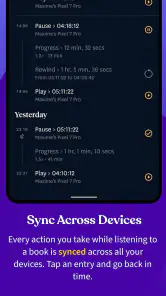
For existing users, a newer version can be reassuring because it suggests continued attention rather than abandonment. At the same time, updating an app that sits between a phone and a personal server deserves a little care. I would check a few familiar titles after an update, especially if listening progress is important to me. That simple habit makes it easier to notice changes in navigation, playback behavior, or library visibility before they affect a long listening session.
Three practical habits that make the setup easier
My first useful tip is to treat library organization as part of the listening experience. Audiobooks are often more complicated than music because a single title may contain several chapters, parts, or narrators. Consistent naming and sensible grouping can make the difference between a collection that feels calm and one that feels like a folder of unrelated audio files.
Second, I would test remote listening before relying on the app for travel. Play a title while away from the home network, confirm that the server can be reached, and make sure the intended account has access. Doing this before a trip is more valuable than discovering the problem at an airport or on a train, where troubleshooting a home server is inconvenient.
Third, I would keep a short list of “known good” books for testing. Choose one single-file audiobook, one multi-part title, and one book you have already started. Those three examples can quickly show whether the library is being presented correctly and whether your progress behaves as expected. This is a better diagnostic method than testing only a newly added title whose metadata may already be messy.
These habits are not glamorous, but they are where the app’s real-world usefulness is decided. Bookcamp can make access much more comfortable, yet it cannot compensate for unclear file structures or an unreliable server connection. The best results come from treating the app and the Plex library as one combined system.
Where it compares well with ordinary alternatives
Compared with copying audiobook files manually to a phone, Bookcamp offers a cleaner relationship with a central collection. Manual transfers can work, but they create duplicate files, make progress harder to track, and encourage a different version of the library on every device. A Plex-based approach is more attractive when I want the same source collection to remain authoritative.
Compared with a subscription audiobook service, the main advantage is control. I am not limited to the service’s catalog or forced to think about whether a title will remain available there. My own collection stays the focus. The downside is equally clear: I must supply the content, maintain the server environment, and accept that discovery will not feel as rich or automatic.
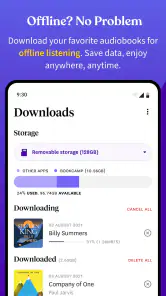
Compared with a generic local audio player, Bookcamp is more convenient for a library that already lives in Plex. A local player may be better when I want complete offline control over files stored directly on the phone, especially during flights or in areas with unreliable connectivity. Bookcamp is strongest when centralized access matters more than independence from the home setup.
That makes the choice less about which app is universally best and more about where the listener wants responsibility to sit. Subscription services handle catalog access, local players handle direct files, and Bookcamp connects mobile listening to a Plex-managed collection.
Limitations I would consider before installing
The biggest limitation is the dependency on Plex. If you do not already have a Plex audiobook library, the app’s appeal is reduced because its purpose is not to provide a complete audiobook catalog on its own. Setting up a personal media environment can also involve more patience than downloading a conventional player.
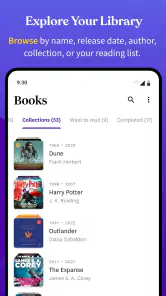
There is also a difference between having access to a title and having a polished audiobook experience. Metadata, chapter structure, cover art, and file grouping all influence how pleasant the library feels. If those elements are inconsistent, browsing may be less satisfying even when playback itself works correctly. I would not blame every rough edge on the mobile app; some will originate in the way the collection was prepared.
Another consideration is the free model. The app itself is free, but in-app purchases range from $1.99 to $49.99 per item. That means I would review the purchase screen carefully and decide which capabilities I actually need before paying. A free installation is useful for evaluating the basic fit, but it should not be confused with a guarantee that every available function is included without cost.
The minimum operating system is Android 9. For users on older devices, that requirement may be a practical barrier. For supported phones, it is still worth checking available storage, network reliability, and the condition of the Plex server because those factors can matter more to daily satisfaction than the phone’s operating system alone.
Questions I would answer before making it my main player
Would I use it for a long commute? Yes, if my server is reachable and I have tested the route beforehand. I would be more cautious if the commute passes through areas with weak mobile coverage, because a server-based workflow may be less dependable than files stored locally on the device.
Would I choose it for a child? The Everyone rating makes it broadly suitable from an age-classification perspective, but I would still organize the library carefully. A personal Plex collection can contain material for different audiences, so the rating does not replace thoughtful account and library management.
Is it suitable for someone who owns only a few audiobooks? Possibly, but the benefit may not justify the setup. If those books already sit comfortably in a local player, adding a Plex layer could create more maintenance than convenience. The app becomes more persuasive when the collection is shared across devices or continues to grow.
Can it replace a commercial audiobook subscription? Not in the same way. It can replace the listening interface for your personal collection, but it does not turn that collection into a discovery service. I would keep a subscription if finding new books, receiving recommendations, or accessing a broad catalog is central to my habits.
Should an existing Plex user switch immediately? I would try it with a limited library first. Start with a few titles that represent the way your collection is organized, then check browsing, playback, and progress over several sessions. That trial will tell you more than a general promise because Plex libraries can vary widely in structure.
What I would watch as the app continues to evolve
For future updates, I would pay attention to how well Bookcamp keeps pace with changing Plex environments and different audiobook organizations. The most valuable improvements would be the ones that reduce setup friction without taking control away from people who carefully manage their own collections.
I would also watch the balance between the free experience and the in-app purchase model. A clear explanation of what each optional purchase adds would help users decide whether the app fits their needs before they invest more time in it. For a focused utility, transparency is especially important because users are often comparing it with tools they already own or can use locally.
Existing users should watch for changes in the parts of the workflow they rely on most: library visibility, access from outside the home, playback continuity, and handling of multi-part books. Those are the areas where a small change can have a noticeable effect on daily listening. New users should watch the same things during their first test rather than assuming every collection will behave identically.
My overall view is positive but deliberately specific. Bookcamp: Audiobooks for Plex is not trying to be every audiobook app, and that is precisely why it can be useful. It gives Plex users a focused way to bring a personal audiobook collection into a mobile routine, while accepting the responsibilities that come with self-managed media.
I would recommend it to someone who values ownership, already uses Plex, and is willing to spend a little time making the library orderly and reachable. I would skip it in favor of a traditional subscription service if I wanted instant discovery, or a local player if offline file control mattered most. For the right listener, though, the strongest reason to try Bookcamp is the connection between a personal library and everyday listening, not the promise of a universal audiobook catalog.
Bookcamp: Audiobooks for Plex Frequently Asked Questions
What devices and operating systems can I use Bookcamp on?
Bookcamp is a mobile app for listening to audiobooks through Plex, and its minimum operating system requirement is version 9. Before downloading, check that your device meets that requirement and that your operating system is up to date. The app is available for Android and iOS, so choose the version that matches your device and confirm compatibility in its app store.
Is Bookcamp suitable for children?
Bookcamp is listed with an Everyone content rating, making it broadly suitable for users of different ages. What listeners can access will still depend on the audiobooks in your Plex library, since Bookcamp plays your own collection rather than supplying a curated catalog. Parents may want to organize or review the library on the Plex server so its contents are appropriate for the intended listener.
What is Bookcamp: Audiobooks for Plex?
Bookcamp: Audiobooks for Plex is an audiobook player designed to work with a personal Plex Media Server. It lets you browse and play audiobook files stored in your Plex library, while providing a more focused listening experience than using a general media app. It is mainly intended for people who already organize their audiobook collection through Plex rather than users looking for a standalone audiobook subscription service.
Do I need a Plex Media Server to use Bookcamp?
Yes, Bookcamp is built around Plex, so you generally need access to a Plex Media Server containing your audiobook library. Before downloading, make sure your server is online, your audiobooks are correctly added to Plex, and the relevant account has permission to access them. The app is not designed to replace Plex server software or provide its own catalog of commercial audiobooks.
Can Bookcamp play audiobooks remotely or only on the same Wi-Fi network?
Bookcamp can be useful both at home and away from your local network, provided your Plex server is configured for remote access and your account is authorized to connect to it. Remote playback depends on your server setup, internet connection, Plex configuration, and the audio formats in your library. If remote access is unavailable, use on the same network or troubleshoot Plex first.
Pros
- Integrates smoothly with Plex libraries and existing media setups.
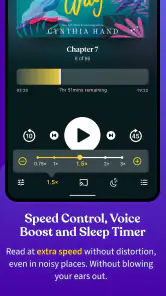
- Supports audiobook playback with familiar Plex-style navigation.
- Useful for organizing personal audiobook collections in one place.
- Convenient for households already using Plex across multiple devices.
- Can make audiobook access simpler without switching between several apps.
Cons
- Requires a Plex server and properly organized audiobook files to work well.
- Setup may feel complicated for users unfamiliar with Plex libraries.
- Availability and behavior can depend on the Plex server configuration.
- May lack the discovery features found in dedicated audiobook platforms.
- Streaming audiobooks remotely can use significant mobile data.
- Category
- Books & Reference
- Version
- 2.1.2