Biblia Católica Español
- 40.00
- 4.6
- Installs
- 500.00K
- Price
- Free

Screenshots
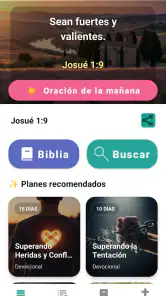
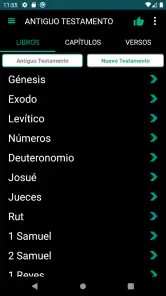
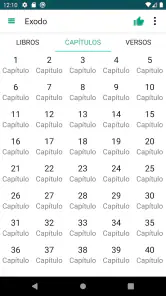
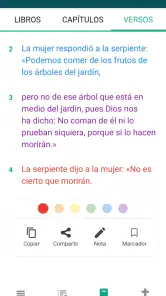
Analysis by Reviewed
I like a Bible app best when it makes it easy to settle into a passage rather than turning a quiet reading moment into a hunt through menus. Biblia Católica Español has a clear purpose: it puts a Catholic Bible in Spanish on your phone. That focus makes it appealing for prayer, personal reading, or following along with a passage, though the experience is less compelling if you want a broad study toolkit or need every part of your reading routine to work independently of a connection.
A quick way to check whether it suits your routine
Before making it your regular Bible, I would try one short reading in each place where I expect to use it: at home, on the move, and wherever I attend a service or study group. That is more useful than judging it only from a comfortable Wi-Fi session. It shows whether the route to a passage feels manageable on your phone and helps you decide whether you need a paper backup for particular outings.
I would also choose a familiar passage for that first test rather than search for something obscure. The goal is to learn how the app behaves when you know what you are looking for, not to confuse unfamiliar navigation with a problem finding the text. Once that basic route feels comfortable, try a longer reading and see whether the screen and pacing suit you.
Reading in Spanish, with a distinctly Catholic focus
This is a free Bible app in the Libraries & Demo category, developed by maria magdalena. Its audience is people who want to read Scripture in Spanish from a Catholic perspective, not users looking for a general-purpose library or a demo collection. The app is rated for Everyone, and its straightforward subject matter is easy to understand before you open it.
That focus is the strongest reason to consider it. Someone who already reads Catholic material in Spanish can use it as a dedicated place for Scripture instead of searching through a larger reading app with many unrelated books. It may also suit a household where the phone is shared and a simple, familiar reading purpose matters more than extensive personalization.
The app has a 4.6 average from around 900 ratings, and it has been installed over 500,000 times. Those figures suggest that it has found a substantial audience, but they do not tell me whether its reading experience fits your habits. The practical question is whether you want this particular Spanish-language Catholic resource and whether its on-phone experience works well in the places you usually read.
When a connection is part of the experience
Connectivity matters most when you first open a Bible app, move between sections, or try to return to a passage after a break. I would test those moments early rather than assume that a Bible app behaves like a downloaded book. If you rely on reading during a commute or in a building with weak reception, open the app beforehand and check that the material you need is available in the state you expect.
More From Our News Desk

Clash of Clans Is Won Between the Battles

Android Auto Makes the Case for Quieter Car Software

MobiOffice: Transforming Mobile Productivity with Seamless Integration

EA SPORTS FC™ Mobile Soccer: Redefining Mobile Sports Gaming

How Microsoft OneDrive Became a Mobile Productivity Giant

How Google Translate Breaks Language Barriers Effortlessly
This is a useful habit even for a short reading session. Before leaving home, I would locate the passage for a study group, then keep the app open long enough to confirm that I can reach it again. That small check is more dependable than discovering a connection problem when everyone else has already started discussing the reading.
For planned study, connectivity also affects how confidently you can use the app as your only reference. If you are preparing a reflection, note the relevant passage and keep a second way to access it if being able to read it at a particular moment is essential. That is not a criticism of the biblical text; it is a sensible distinction between having a Bible app installed and knowing how it behaves when your network changes.
Good fits for short, everyday reading
A realistic use case is a few minutes of reading before work. You might open the app at breakfast, read a passage in Spanish, and return to your day without needing a separate study platform. Its single-purpose nature can be an advantage here: there is less reason to get pulled into unrelated content than there would be in a broad e-book or devotional app.
It can also make sense for someone following a church reading or discussing Scripture with Spanish-speaking family. In that situation, the app serves as a shared reference point: each person can look up the text on their own phone rather than pass around a printed book. If your group follows a particular edition or uses precise study notes, though, make sure the app’s text and presentation match what the group expects before relying on it as the sole reference.
For older relatives or less confident phone users, I would keep the routine simple: open the app, find the reading, and avoid changing settings during a group session. A familiar path is more valuable than a complicated collection of features when the goal is simply to read together. If someone needs large type, strong accessibility controls, or a highly customized layout, test those needs directly rather than assuming this app provides them.
What it offers compared with broader alternatives
Compared with a general Bible app, this one’s appeal is its Spanish Catholic emphasis. A broader alternative may be better if you regularly switch among languages, compare translations, consult commentary, or want audio and reading plans as part of one package. Those tools can be valuable, but they also add choices and can make a focused reading session feel more crowded.
Compared with a printed Bible, a phone is easier to carry and can be more convenient when you want to look up a passage away from home. Paper has a different advantage: it does not depend on a phone’s battery, network conditions, notifications, or screen. I would treat the app as a practical companion rather than assume it replaces every reason someone might prefer a physical Bible.
There is a useful trade-off in choosing a focused app. You get a clearer purpose and a resource aimed at Catholic readers in Spanish, but you should not expect the breadth of a full study library simply because it belongs to the Libraries & Demo category. If your main need is the text itself, that narrower scope may be exactly right. If you want extensive tools around the text, compare alternatives before making it your daily study hub.
Handling weak signal, interruptions, and a fresh start
When the app does not behave as expected, I would first distinguish a network issue from a navigation issue. Try returning to the previous screen and opening the passage again; if the connection is unreliable, move to a place with steadier reception and retry. Avoid repeatedly tapping the same control, since that can make it harder to tell whether the app is still responding or whether the request needs another moment.
If you are about to lead a discussion or read aloud, do not wait until the group is watching to find the passage. Locate it in advance and keep a note of where you need to go. A printed reference or another trusted copy can serve as a backup for a time-sensitive reading. This is especially worthwhile if you are travelling, in a church basement, or using a shared network that may be inconsistent.
After an interruption, such as switching to another app or receiving a call, return to the reading and check that you are still at the right place before continuing. That simple recovery check prevents a small phone interruption from becoming a confusing group moment. If the app closes or a screen changes unexpectedly, reopen it calmly and navigate back rather than assuming the text has been lost.
I would also avoid making an important reading depend on a last-minute app update. The current version is 1.34, and the app runs on Android 6.0 or later. Those details help establish basic device compatibility, but they do not guarantee that every older phone will feel equally quick or comfortable. If your device is dated, test the app at home before depending on it for a service or study session.
Using it thoughtfully on mobile data
If you are watching mobile data use, the most practical approach is to observe how the app behaves during ordinary reading rather than guess at its network needs. Try opening a passage on Wi-Fi and then again in your usual mobile setting. Pay attention to whether the screens you use load smoothly, and plan around what you actually see on your device.
A data-conscious reader can also make the reading routine more predictable: choose the passage before travelling, use a stable connection when available, and avoid unnecessary repeated loading if reception is poor. These are general phone habits, not a promise that the app stores content for offline access. Do not count on offline reading unless you have confirmed that it works for the passages you need.
Battery life is another part of the mobile context. Long screen-on reading sessions naturally keep the display active, so I would lower brightness to a comfortable level and use the phone’s usual power-saving settings if the battery is already low. For a brief reading, this is unlikely to be a major concern; for an extended study meeting away from a charger, it is worth planning ahead.
Privacy-minded users may also prefer to check the app’s behavior and their device settings before settling into a routine. I would not infer permissions or data practices from the app’s purpose alone. The sensible approach is to review the prompts shown on your own device and allow only what you understand and need.
A small routine that makes group use smoother
For a family reading or church discussion, I would agree on the passage reference before everyone opens their phones. That avoids spending the first minutes comparing search terms or waiting for one person to locate the right section. If participants use different Bible editions, the reference gives everyone a common starting point, while a printed copy remains useful for checking wording when exact phrasing matters.
There is also a practical distinction between personal reading and leading a group. At home, a brief pause to find your place is harmless; while reading aloud, the same pause can interrupt the flow. I would rehearse the route once beforehand and keep the reference written down, especially if I expect to be interrupted or have to move between readings.
Who will enjoy it, and who may prefer another option
I would recommend giving Biblia Católica Español a try if you want a dedicated Spanish Catholic Bible and prefer a focused app over a crowded collection of reading tools. It is especially suitable for quick personal reading, carrying a reference to church, or sharing a passage with Spanish-speaking relatives. Being free makes it easy to try without committing to a purchase.
I would look elsewhere if your routine depends on extensive commentary, side-by-side translation comparisons, audio, structured study plans, or dependable access in places without service. Those needs call for an app that clearly supports the specific tools or access pattern you require. Likewise, if you prefer paper for concentrated study or do not want reading to compete with phone notifications, a printed Bible may be a better everyday choice.
The app was released on July 11, 2022, and its current version is 1.34. I see those details as useful context, not a reason by themselves to choose it. What matters more is whether the Spanish Catholic text, navigation, and behavior on your own phone suit the way you read.
My connectivity verdict
For me, this app makes the most sense as a convenient, focused reading companion, with a little preparation whenever the network matters. Open a passage before a planned meeting, check your access in the places you commonly read, and keep a backup for moments when a phone or connection lets you down. That workflow makes the app easier to trust without assuming capabilities that you have not tested.
The best reason to install it is its clear Spanish Catholic purpose; the main trade-off is that a focused Bible app should not automatically be treated as an offline study library. If that balance matches your needs, it is a sensible option to try. If reliable no-signal access or advanced research tools are essential, choose an alternative that demonstrably covers those needs, or keep a printed Bible alongside it.
Making the choice practical
If you are deciding between this and a larger Bible platform, I would start with your most common reading task rather than the longest feature list. For a brief passage in Spanish, a focused resource can reduce distractions and make it easier to keep a steady habit. For preparing lessons, checking several translations, or building a study around commentary, a more comprehensive tool is likely to save time even if it feels busier for casual reading.
For a shared household phone, I would also consider whether each reader can comfortably return to the same passage without changing settings or losing their place. If that is uncertain, try the routine with the people who will actually use it. The most useful app is not necessarily the one with the most options; it is the one your family can open and use without turning reading into tech support.
My bottom line is simple: this is worth trying when Spanish Catholic Scripture is the main thing you want close at hand. It is less suitable as a guaranteed no-signal resource or a substitute for a dedicated research library. A short test on your own device, plus a backup for important readings, will tell you more than assumptions about how any Bible app handles connectivity.
Biblia Católica Español Frequently Asked Questions
What is Biblia Católica Español?
Biblia Católica Español is a Spanish-language Bible app intended for reading and consulting Scripture on a mobile device. The title indicates that it focuses on the Catholic Bible, which includes the books recognized in the Catholic canon. Before downloading, check the app’s store listing for details about its particular translation, available editions, and any additional features, since these can vary between versions.
Can I read Biblia Católica Español offline?
Offline access depends on how the app stores its Bible text and whether the content must first be downloaded. Review the app description and permissions, then test access with your device disconnected from the internet if offline reading matters to you. Some editions let you read downloaded passages without a connection, while features such as sharing, updates, or online resources may still require internet access.
Is Biblia Católica Español free to download and use?
The app may be available to download without an upfront charge, but that does not necessarily mean every feature is free. Store listings can disclose advertisements, in-app purchases, or optional subscriptions, and these details may differ by platform or change over time. Check the current Google Play or Apple App Store page before installing, especially if you want an ad-free experience or access to extra content.
Which Bible translation does Biblia Católica Español use?
A Catholic Bible app can use a specific Spanish translation, and the wording, terminology, and notes may differ from other editions. Do not assume the translation solely from the app’s name: look for the edition or publisher information in the app description, settings, or copyright notice. This is particularly important for study, group discussions, or comparing passages with a printed Bible you already use.
What should I check before downloading Biblia Católica Español?
Confirm that the app is compatible with your Android or iOS version and review its latest update date, developer details, privacy information, and requested permissions. Also consider whether the interface is available in your preferred language, whether it includes the Catholic books you expect, and whether it needs an internet connection. Reading recent user reviews can help identify installation issues or changes in functionality.
Pros
- Includes the Catholic Bible in Spanish for convenient reading.
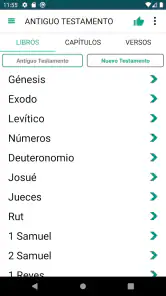
- Useful for looking up passages by book
- chapter
- and verse.
- Can support personal prayer and everyday Scripture reading.
- Spanish-language text is accessible to a broad range of readers.
- A digital format makes Bible passages easy to carry and revisit.
Cons
- Wording and translation may differ from the version you prefer.
- Small text may be uncomfortable to read on some screens.
- Reading requires a phone or tablet rather than a printed Bible.
- The app may not provide the study notes found in some editions.
- Content and features may vary depending on the app version.
- Category
- Libraries & Demo
- Version
- 1.34










