AmoraReads - Books & Stories
- 315.00
- 4.0
- Installs
- 50.00K
- Price
- Free

Screenshots
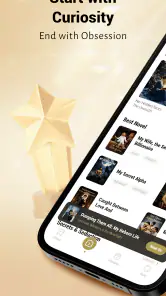

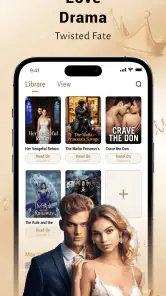

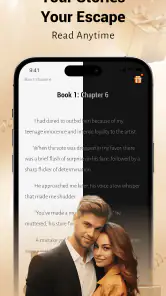
Analysis by Reviewed
When a reading app is used on a shared phone or tablet, the real test is not only whether the stories are enjoyable. I also want to know whether the experience stays comfortable when different people in the household take turns, whether the age rating makes sense, and whether the app creates confusion between one reader’s habits and another’s. I spent time with AmoraReads, a free Books & Reference app from Ivula-Tech, and found it most appealing as a casual story-reading space rather than a complete replacement for a dedicated e-reader.
The app presents itself as a way to read immersive stories wherever you happen to be. That idea works best in short, flexible sessions: a few pages while waiting, a quiet reading break before bed, or a longer stretch when you have the device to yourself. Its current version is 1.4.1, and the app has reached over fifty thousand installs with a four-point average from around eleven thousand ratings. Those figures suggest that it has attracted a meaningful audience, although the rating also tells me to approach it as a useful niche app rather than an unquestioned favorite for every reader.
How AmoraReads fits into a shared household
My most practical way to use this kind of app is on a household tablet that moves between people. One person might read during a commute, another might pick it up in the evening, and someone else may simply browse when there is a spare moment. AmoraReads suits that rhythm because its purpose is focused: opening a story and settling into reading without needing a complicated setup.
The important distinction is that a shared device is not automatically a shared reading account. I would not treat the app as a family library unless every reader is comfortable seeing the same reading environment and any activity connected with it. A parent, partner, or sibling may have completely different tastes, and mixing those habits can make the experience less personal. Even without assuming any particular account tools, the safest approach is to agree who uses the app and when, especially if the device is passed around frequently.
A realistic example is a family tablet left in the living room. I might read a chapter after dinner, leave the tablet charging, and expect another household member to use it later. That arrangement is convenient, but it requires a small amount of coordination: return to the correct story, avoid changing another reader’s place, and make sure the next person knows whether the device is available. These are ordinary household habits, yet they matter more than a polished description when several people share one screen.
The strongest shared-device benefit is flexibility, not family management. AmoraReads can be part of a communal reading routine, but I would not confuse that with built-in parental supervision, separate profiles, or a controlled children’s library. The app’s listed content rating is Teen, so I would keep the age context in mind before handing the device to a younger child.
Starting without turning setup into a project
Because the app is free to download, it is easy to test without making an immediate purchase decision. That is helpful for a household: one person can try the reading experience first, then decide whether it deserves a regular place on the shared device. I prefer this approach to committing everyone to an app before knowing whether the writing style, presentation, and reading flow suit the family.
More From Our News Desk

Clash of Clans Is Won Between the Battles

Android Auto Makes the Case for Quieter Car Software

MobiOffice: Transforming Mobile Productivity with Seamless Integration

EA SPORTS FC™ Mobile Soccer: Redefining Mobile Sports Gaming

How Microsoft OneDrive Became a Mobile Productivity Giant

How Google Translate Breaks Language Barriers Effortlessly
There is still a boundary worth setting before anyone begins. The app includes in-app purchases ranging from forty-nine cents to ninety-nine dollars and ninety-nine cents per item. That is a wide range, so I would not let a child explore purchases unsupervised, and I would make sure the device owner understands how payment approval works on the relevant platform. The existence of optional purchases does not make the app unsuitable, but it does make household rules sensible.
For an adult reader, the initial trial can be quite straightforward: install it, read enough to judge the presentation, and decide whether the free experience feels complete for your needs. For a shared tablet, I would add a short practical checklist before use:
- Decide whether the app is for one reader or several.
- Agree on whether purchases are allowed and who approves them.
- Keep the Teen content rating visible when choosing who may use it.
- Return the device to the same charging and storage place after reading.
That list is not a feature claim about AmoraReads. It is the workflow I would use because the app is being placed inside a household rather than used in isolation. The free entry point makes experimentation easy, while the purchase range means a little supervision is worthwhile.
Keeping readers from stepping on one another’s experience
Coordination becomes the main issue when several people use one installation. I found that the best arrangement is to treat each reading session as a handoff. Before closing the app, I would note the story and stopping point in a household message or simply tell the next reader. That sounds basic, but it prevents the familiar problem of opening a shared device and wondering whether a chapter was changed accidentally.
If two people have very different reading interests, a dedicated personal device may be better. AmoraReads is more comfortable on a shared screen when the household agrees to keep the reading routine simple. It is less ideal when everyone expects a fully separated digital bookshelf, private recommendations, or independent progress. I would not promise those boundaries unless the app itself clearly provides them, and the available product details do not justify treating them as guaranteed.
One useful habit is to separate browsing time from focused reading time. A parent could first inspect the app and decide whether it is appropriate for the teenager who will use the tablet. After that, the teenager can read without needing the adult to hover over every session. This gives the reader some independence while keeping the initial decision with the person responsible for the device.
Another practical trade-off is convenience versus privacy. A shared tablet is easy to find and charge, but it also means the next user may encounter the previous reader’s open story or activity. If that matters, a personal phone or tablet is the better choice. I see AmoraReads as a good fit for households that value easy access more than strict separation.
Teen rating, trust, and choosing the right reader
The Teen content rating should shape how I recommend the app. It does not mean every story will be unsuitable for every teenager, nor does it automatically make the app appropriate for younger children. It means adults should make the decision with the actual reader in mind instead of assuming that a reading app is automatically child-friendly because it contains text rather than video.
For a teenager who already reads independently, AmoraReads may work well as an additional source of stories during spare moments. I would introduce it by explaining the household purchase rule and by making clear that the app is not being handed over as an unrestricted children’s environment. Trust works better here than pretending the age context does not matter.
For a younger child, I would choose a more clearly child-focused reading service with stronger adult oversight and a library designed around that age group. That is not a criticism of Ivula-Tech’s app; it is simply a mismatch between the listed age context and the needs of early readers. A parent looking for phonics practice, school texts, read-aloud tools, or tightly curated children’s material should look elsewhere.
I also would not use the app as a substitute for checking what a particular reader is comfortable with. Teen audiences are not uniform. A mature reader may enjoy the available stories, while another may prefer gentler themes or conventional books. The right decision depends on the individual, and a quick shared conversation is more useful than relying on the category label alone.
What it does better than ordinary reading alternatives
Compared with a physical book, AmoraReads is easier to carry when the phone or tablet is already with me. I can read during small gaps in the day without bringing another object along. That convenience is especially useful for people who prefer story reading in short sessions rather than planning a long uninterrupted block.
Compared with a general-purpose web browser, a dedicated reading app offers a more intentional environment. I am less likely to jump between unrelated tabs or notifications once I have opened a story. That focus is valuable on a phone, where reading in a browser can quickly turn into browsing everything else.
Compared with a conventional e-reader, the trade-off is less clear. A dedicated e-reader is usually the better choice for someone who reads for hours, wants a device centered entirely on books, or dislikes interruptions from a multipurpose phone. AmoraReads makes more sense for readers who already use Android or iOS devices and want an accessible story app without buying separate hardware.
It also differs from a large general digital library. A broad library service is usually the stronger option for readers who arrive with specific authors, established book series, academic references, or a need to manage a substantial personal collection. AmoraReads is better judged as a focused story destination. If my priority is discovering a particular mainstream title, I would first check a library app, bookstore platform, or established e-book service.
That comparison helped me define the app’s place. It is not trying to solve every reading need. Its appeal is the immediacy of opening an app and entering a story, especially when I want something lighter and more convenient than carrying a book but more focused than casual web browsing.
Small workflow choices that improve the experience
The first tip I would give a new user is to test the app at the time of day when it will actually be used. Reading on a phone during a lunch break is different from reading on a shared tablet at night. If the text presentation feels comfortable in the intended setting, the app has a better chance of becoming a habit. If it feels tiring or distracting, no amount of enthusiasm about the story format will fix that mismatch.
Second, I would begin with a short commitment rather than trying to organize the entire household around it. Let one reader use the app for a few sessions, then decide whether the device should remain shared or whether personal use is more practical. This avoids creating a complicated routine before anyone knows whether AmoraReads will be opened regularly.
Third, I would separate the question of reading value from the question of spending. The free price makes the first question easy to answer, while the optional purchases deserve their own household decision. Someone may love the reading experience but still prefer not to authorize purchases. Keeping those choices separate makes the app easier to evaluate fairly.
Fourth, I would use the Teen rating as a conversation starter rather than a final verdict. Ask who will read, what they usually enjoy, and whether the household is comfortable with that person exploring the app independently. This is more useful than assuming that every member of the family needs the same level of access.
Finally, if the app is used by several people, I would keep a simple handoff rule: finish a session at a natural stopping point, leave the device in a known place, and tell the next reader what was open. This is a surprisingly effective way to preserve the convenience of a shared device without expecting the app to manage family boundaries for you.
Where the app may frustrate experienced readers
My main reservation is that the app’s convenience can encourage people to expect more separation and control than a shared-device setup naturally provides. Readers who need private libraries, carefully managed profiles, or a highly organized long-term collection may find a dedicated e-reader or mature library platform more comfortable.
The purchase range is another point of friction for households. Even though the app is free, optional items can introduce questions about approval and spending. I would be especially cautious on a device used by teenagers or several family members. A free download should not be mistaken for a completely cost-free environment.
The Teen rating also narrows the audience. Adults and suitable teenagers may find the app a good match, but parents seeking a safe first reading app for young children should choose a service built specifically around younger readers. Likewise, people looking for textbooks, reference works, or professional research material should not select AmoraReads simply because it belongs to Books & Reference.
There is also a personal preference issue. Some readers enjoy immersive digital stories but others want the physical feel of paper, the calm of an e-reader, or the structure of a library catalogue. I would not try to persuade those readers that an app is automatically better. AmoraReads earns its place through accessibility and casual use, not by eliminating every advantage of traditional alternatives.
My household verdict
After weighing the shared-device questions, I see AmoraReads as a sensible free option for adults and appropriate teenagers who want story reading available on an Android or iOS device. Ivula-Tech has made an app that is easy to consider because there is no upfront price, and its focused purpose makes it more inviting than opening a browser and searching randomly for something to read.
I would recommend it to a household that can agree on basic boundaries: who uses the app, how purchases are handled, and whether the Teen rating suits the intended reader. I would also recommend using it as a personal app first, even if it lives on a shared tablet. That approach reveals whether the reading experience works before the family has to solve handoffs and privacy expectations.
I would skip it for a young child, a serious reference user, or anyone who needs a carefully separated multi-reader library. Those readers will likely be happier with a child-focused service, a library platform, or a dedicated e-reader. I would also skip it if optional purchases would create tension in the household.
For the right reader, though, the balance is appealing: free access to try, a clear story-reading focus, and enough flexibility for short everyday sessions. The app’s 50K-plus install base and four-point average show that it has found an audience, while its Teen rating and purchase options remind me to use it thoughtfully. My final view is positive but specific: AmoraReads is best as a convenient shared-device reading option with agreed boundaries, not as an all-purpose family library.
AmoraReads - Books & Stories Frequently Asked Questions
Who publishes AmoraReads, and which devices can run it?
AmoraReads is published by Ivula-Tech and is available for Android devices running Android 7.0 or later. Before downloading, check your device’s operating system version and make sure you have enough space for the app and any books you want to access. The app is listed in the Books & Reference category, making it a reading-focused option for phones and tablets.
What is AmoraReads – Books & Stories?
AmoraReads – Books & Stories is a reading app focused on delivering digital books, serialized fiction, and story-based content in a convenient mobile format. After exploring the app, its main appeal is the ability to browse different genres, discover new authors, and read directly from a smartphone or tablet. The experience is designed for readers who enjoy romance, drama, fantasy, and other immersive stories.
Is AmoraReads free to download and use?
AmoraReads is free to download, but users should review the in-app purchase options before starting. Some stories, chapters, or premium features may require payment, credits, a subscription, or another form of access. Prices for in-app purchases range from $0.49 to $99.99 per item, so check the purchase screen carefully and consider your spending preferences before unlocking content.
Does AmoraReads require an internet connection?
An internet connection is normally needed to download the application, browse the catalog, load covers and descriptions, synchronize reading progress, and access newly unlocked chapters. Depending on the version and the title, some content may be available for offline reading after it has been downloaded. Users should test their preferred books while connected, particularly before traveling or reading in areas with limited coverage.
What types of books and stories are available on AmoraReads?
The catalog is aimed primarily at readers who enjoy engaging, episodic storytelling rather than a traditional bookstore-only experience. You may find genres such as romance, contemporary fiction, fantasy, drama, suspense, and other serialized stories, although the exact selection can change over time. Before downloading, readers should check the current catalog, language options, content ratings, and whether their preferred genres are well represented.
Pros
- Clean
- distraction-free reading interface
- Useful library organization for saved books
- Supports discovering independent and emerging authors
- Comfortable for short reading sessions on mobile
- Story-focused design keeps navigation simple
Cons
- Some titles may require an account or subscription
- Catalog depth can vary by genre and region
- Limited reading tools compared with dedicated e-readers
- New releases and updates may be inconsistent
- Offline access may not be available for every title
- Category
- Books & Reference
- Version
- 1.4.1