Affect: Addiction Recovery
- 1.28K
- 4.5
- Installs
- 100.00K
- Price
- Free

Screenshots

Analysis by Reviewed
When recovery is the goal, choosing an app is also a question of trust: what kind of support do you want on your phone, and what choices do you need to feel comfortable using it? I see Affect: Addiction Recovery as a possible companion for people looking for structured help with alcohol or drug addiction, rather than a replacement for professional care. That distinction matters. An app can make support easier to reach in ordinary moments, but it cannot assess an emergency or take the place of a clinician.
Start with the support you actually need
Before signing up for any recovery tool, I’d think about what would make it useful on a difficult day: a prompt to pause, material to read, or a way to connect with others. Affect is a medical app from Affect Therapeutics, and its focus on addiction treatment gives it a more specific purpose than a general wellness tracker. If you want support aimed at alcohol or drug recovery, that focus may feel more relevant than an app built around broad mood or habit tracking.
I would not choose it on the assumption that an app alone can handle every part of recovery. If you need immediate medical help, are in danger, or need care tailored by a professional, contact appropriate local services or a qualified provider. A digital program can fit alongside support, but it should not be your only plan for urgent or complex needs.
Unpacking the Journey with Affect
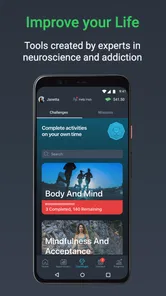
First off, let's talk about the interface. You know how some apps are just a visual mess? Not this one. Affect: Addiction Recovery is designed with a clean, intuitive interface that feels welcoming. It’s like walking into a well-organized room – everything is where you expect it to be, and you can focus on what truly matters: your recovery.
The app offers a personalized approach, which I absolutely love. Upon downloading, you’re prompted to set your recovery goals. Whether you’re battling substance abuse, gambling, or any other addiction, the app tailors its resources to your needs. It’s like having a personal coach that’s available 24/7, cheering you on, one step at a time.
Features that Make a Difference
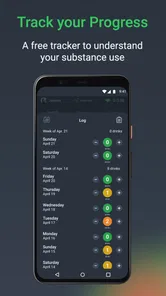
One of the standout features of this app is its daily check-ins. We all have those days when motivation dips. These check-ins serve as gentle reminders, keeping you accountable in a non-judgmental way. Plus, they help track your progress over time, giving you a clear picture of how far you’ve come.
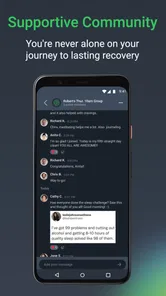
Then there’s the community aspect. Sometimes, the journey to recovery can feel isolating. But with Affect, you’re never alone. The app connects you with a community of individuals who are on similar journeys. It’s a space to share experiences, offer support, and perhaps most importantly, remind each other that no one has to walk this path alone.
More From Our News Desk

 Gmail
Gmail in a Busy Inbox: Who Benefits Most?
From first account to crowded workday, Gmail earns its place through dependable search and flexible sorting—but its best fit depends on how much inbox maintenance you can tolerate.

 Prime Video
Switching to Prime Video: What Changes in Your Viewing Routine
Prime Video can make a compelling second home for streaming, but switching means learning a different catalog, rental layer, and route from browsing to playback.

 Universal TV Remote Control
 Works Best as a Reliable Backup
A phone remote earns its place through quick setup and reliable habits. Here is how to get more from Universal TV Remote Control—and where its limits show.

 Weather - By Xiaomi
Weather by Xiaomi Review: Clear at a Glance, Less Clear Up Close
Xiaomi’s weather app makes everyday forecasts quick to scan, but its calm surface can leave useful details and recovery paths harder to find than they should be.

 X
X Under Pressure: Can It Recover When Posting Goes Wrong?
A resilience-focused review of X, examining setup, mistaken posts, interruptions, weak connections, and the gaps that matter when recovery needs to be dependable.

 Clash of Clans
 Is Won Between the Battles
Its raids are quick; its community is a long-term project of coordination, teaching, rivalry, and shared responsibility—with all the friction that entails.
Latest News



I also have to mention the resource library. It's packed with articles, meditation exercises, and coping strategies tailored to various stages of recovery. Whenever you're feeling overwhelmed or need a little boost, these resources are just a tap away. It’s like having a pocket-sized therapist, always ready to offer guidance.
Use it around real-life pressure points
The best time to explore a recovery app is when you have enough calm to learn where things are, not while you are already trying to manage a craving. I’d open the check-in and resource areas during a steady part of the day, then decide which material feels practical enough to return to. That small bit of preparation can make the app easier to use when attention is low.
For example, imagine finishing work and facing the same stressful commute that often precedes an urge to drink. A check-in could give you a moment to name how you feel, while a coping exercise might help you pause before deciding what to do next. I’d treat that as one support in a plan that could also include contacting someone I trust or following guidance from a care provider—not as a guarantee that an urge will pass.
One useful trade-off is that frequent prompts can create structure, but they may also feel like another obligation on an already tiring day. If reminders become pressure rather than help, I’d reconsider how I use them instead of treating every missed check-in as failure. Recovery tools work best when they support honest reflection, not perfection.
Privacy, permissions, and personal boundaries
Recovery is sensitive, so I would review the app’s permission requests and privacy choices on the device and in the app before sharing personal details. I wouldn’t assume that a medical label automatically tells me how information is handled, or that a community space is private simply because it is intended for support. Read the available explanations, decide what you are comfortable entering, and avoid posting details that could identify you or someone else.
That caution is not a reason to avoid digital support; it is a way to use it with clearer boundaries. If a device is shared, consider whether notifications or visible app activity might reveal something you prefer to keep private. You can also decide whether community participation suits you at all. A useful support option should leave room for choosing how much to disclose.
The usual alternatives each solve a different problem. A simple sobriety counter can make a streak visible, but it may offer less structured treatment support. A general meditation app can help with a moment of stress, yet may not be centered on addiction recovery. In-person groups and professional care bring human contact and individualized conversation that a phone cannot reproduce. I’d see Affect as most promising for someone who wants recovery-focused guidance in an app, while keeping other forms of support available.
Choosing a level of participation that feels manageable
A useful way to approach Affect: Addiction Recovery is to separate using the app from sharing publicly. Those are not the same decision. Someone who wants structure but feels uneasy about posting could begin by exploring the check-ins and reading resources, then decide whether community participation adds anything. I would not treat reluctance to share as a failure to engage; keeping a boundary can make it easier to return to a tool consistently.
If you do choose to participate in a community, think through what you are comfortable saying before you post. A brief description of a feeling or a general challenge may be enough to invite support without including names, workplaces, locations, or details about another person. This is especially worth considering if your phone is shared or notifications appear on a lock screen. Practical privacy habits are not a substitute for understanding the app’s own choices and explanations, but they can reduce accidental disclosure.
Make the support usable before a hard moment
One practical workflow is to identify a single resource that feels relevant when you are calm, rather than trying to browse a library under pressure. I’d note what makes it useful—perhaps it gives me a short pause, a question to consider, or a coping idea I can discuss with someone I trust. Then, when a difficult moment arrives, I have a starting point instead of facing a screen full of unfamiliar options.
This approach also helps answer a common concern: does an app-based program have to be used every day to be worthwhile? I would not turn a daily check-in into a pass-or-fail test. If regular use helps create a rhythm, that can be valuable; if a missed day makes the app feel punitive, it is reasonable to adjust how you engage. The point is to find a pattern that supports recovery rather than adding shame or another rigid obligation.
For a person already working with a clinician, the app may be most useful as a way to notice patterns between appointments. A check-in or a note about which resources helped could give you something concrete to bring into a conversation, provided you are comfortable doing so. It should not be assumed to share information with a provider or coordinate care automatically. I’d ask the clinician directly how to use any app alongside the existing plan, rather than expecting the app to fill gaps in treatment by itself.
Who may benefit—and who may prefer another route
I think this is a stronger fit for someone who wants recovery-specific material on a phone and is open to a guided program, while still recognizing that digital support has limits. It may be especially appealing if broad wellness apps feel too vague or if a basic counter offers too little beyond tracking a streak. The combination of check-ins, recovery resources, and a community gives it a more treatment-oriented feel than those simpler tools.
On the other hand, I would look elsewhere if the main need is immediate crisis support, direct individualized medical advice, or a service whose privacy and account options you have not yet reviewed. Someone who prefers face-to-face conversation may find a phone-based community emotionally thin, even when other members are supportive. And if you are looking only for a discreet, uncomplicated counter with no broader program, a simpler tracker may be a better match. Different tools suit different stages and preferences; there is no benefit in forcing yourself into a format that makes you less likely to seek help.
My Two Cents
Now, I know what you’re thinking – “Is it all sunshine and rainbows?” Well, almost. While Affect: Addiction Recovery is a fantastic tool, it’s important to remember that it works best as part of a broader support system. It’s an app, not a miracle worker. But as someone who's experienced its benefits firsthand, I can honestly say it’s a game-changer in the world of recovery apps.
So, if you’re on the fence about downloading it, I’d say give it a shot. It’s free, it’s supportive, and most importantly, it’s designed with you in mind. At the end of the day, the journey to recovery is deeply personal, and having tools like Affect in your corner can make all the difference.
For a quick sense of scale, Affect has a 4.5 average from around 3,000 ratings and has passed 100,000 installs. It is free, rated Mature 17+, and its release date is October 12, 2021. Version 4.16.0 lists Android 7.0 as the minimum operating system. Those details may help you check basic fit, but they do not tell you whether the program’s approach will suit your circumstances. I’d look at the current onboarding and available choices before committing personal information.
One practical question is whether you need to join a community to benefit from the app. The community is part of its appeal, but people who prefer private, self-directed work may get more from the check-ins and resources while keeping their participation limited. Another is whether it replaces treatment: I would not treat it that way. If you already have a clinician or recovery plan, ask how an app-based program fits alongside it, especially if you need coordinated care.
In conclusion, Affect: Addiction Recovery isn’t just an app; it’s a partner in your journey. A partner that’s with you through the highs and lows, offering support, resources, and community. So why not take that first step and see how it can aid your path to recovery?
Affect: Addiction Recovery Frequently Asked Questions
What age group is Affect: Addiction Recovery intended for?
Affect: Addiction Recovery is rated Mature 17+ and focuses on alcohol and drug addiction recovery. Its subject matter may involve sensitive topics, so it is worth considering whether the app feels appropriate for you before downloading. People under 17 should involve a parent or guardian when deciding what recovery resources are suitable.
What is Affect: Addiction Recovery and how does it work?
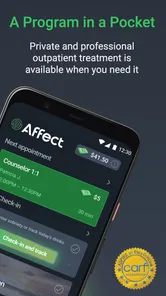
Affect: Addiction Recovery is a mobile application designed to assist individuals in overcoming addiction. The app provides resources such as guided meditations, mood tracking, and access to support communities. Users can set personal goals and track their progress, helping to maintain motivation and accountability throughout their recovery journey. It is a medical-category app developed by Affect Therapeutics, with a focus on beating alcohol and drug addiction through an app-based treatment program.
Is Affect: Addiction Recovery suitable for all types of addiction?
While Affect: Addiction Recovery is primarily designed to support individuals recovering from substance abuse, its tools and resources can also be beneficial for other types of behavioral addictions, such as gambling or internet addiction. However, users should consult with healthcare professionals to ensure the app complements their specific recovery needs. Its central focus is alcohol and drug addiction, so people seeking support for another concern should consider whether the app's approach fits their situation.
Does Affect: Addiction Recovery offer professional counseling or medical advice?
No, Affect: Addiction Recovery does not provide professional counseling or medical advice. It is intended as a self-help tool to support individuals in their recovery journey. For professional support, users are encouraged to seek guidance from licensed healthcare providers or addiction specialists. If you are facing withdrawal symptoms, a crisis, or an urgent health concern, contact an appropriate medical professional rather than relying on an app alone.
Is there a cost associated with using Affect: Addiction Recovery?
Affect: Addiction Recovery is free to download. However, there is also a premium subscription that unlocks additional resources and personalized features. Users can decide which option best suits their needs based on their recovery goals and budget. Before committing to any paid option, review its terms and the features included so you can judge whether it meets your needs.
Pros
- Comprehensive addiction resources.
- User-friendly interface.
- Offers daily motivational quotes.
- Customizable recovery plans.
- Community support groups.
Cons
- Limited offline functionality.
- Subscription required for full access.
- Lacks video content.
- Requires regular updates.
- Not suitable for non-English speakers.