Sushi Maker Kids Cooking Games
- 308.00
- 4.5
- Installs
- 5.00M
- Price
- Free

Screenshots





Analysis by Reviewed
I like Sushi Maker Kids Cooking Games best as a short, hands-on activity: a child can choose ingredients, work through making a roll, and enjoy the result without needing to understand a complicated game. Its appeal is the playful focus on sushi rather than a broad restaurant simulation. That makes it easy to introduce, though it also means it is not the right pick for someone looking for deep role-playing, strategy, or a long-running management challenge.
A simple routine works best
For a first session, I would let a child follow the guided steps from ingredient selection through rolling before encouraging them to experiment. That gives the actions a clear rhythm and helps a younger player understand what each choice is for. On later visits, inviting them to make a different combination turns the same basic activity into a small creative challenge without requiring an adult to invent extra rules.
A useful way to keep play relaxed is to treat each creation as its own little task rather than expecting a long session. For example, it can fit into the stretch before dinner while an adult is preparing food: the child can complete a sushi-making sequence, show the finished idea, and then move on. The game’s guided prompts and sound effects help maintain momentum, but a child who prefers quiet play may find those cues less appealing.
Choosing between guidance and freedom
The guided process and the open-ended creative option serve different moods. When a child is new to the game, the step-by-step flow offers a useful starting point; when they already know the basic sequence, choosing ingredients freely is a better way to encourage personal choices. I would switch between those approaches rather than turning every session into the same routine. That small change gives the game more replay value without pretending that it has the depth of a full cooking or restaurant-management game.
Compared with many children’s cooking games that move quickly through a series of dishes or emphasize serving customers, this one keeps attention on making sushi. That narrow focus is a strength for a child who is curious about rolls and ingredients, but a limitation for one who wants lots of different recipes, restaurant decisions, or a progression-heavy role-playing experience. Parents should also note that it is free to start, with in-app purchases listed from $9.99 to $59.99 per item; I would check purchase settings on the device before handing it over for unsupervised play.
Who will enjoy it—and who may not
I can see this working especially well for a young child who enjoys pretend cooking, colorful visuals, and choosing what goes into a dish. The age rating is Everyone, and the game is made by Pazu Games. It has a 4.5 average from around 19,000 ratings and more than 5 million installs, which suggests it has reached a sizable audience, although those figures alone cannot tell you whether its style suits your child. A player who wants competitive goals, realistic cooking technique, or a broad collection of cuisines may be happier with a different game.
Before installing, it is practical to check device compatibility: the game requires Android 6.0 or later. It was released on July 27, 2022, and its current version is 1.13. Those details are useful when you are deciding whether an older device can run it, but the more important question for everyday use is whether your child likes guided, tactile activities. The game works best when an adult is nearby at first to help with navigation and to decide how much freedom to give during ingredient choices.
More From Our News Desk

Clash of Clans Is Won Between the Battles

Android Auto Makes the Case for Quieter Car Software

MobiOffice: Transforming Mobile Productivity with Seamless Integration

EA SPORTS FC™ Mobile Soccer: Redefining Mobile Sports Gaming

How Microsoft OneDrive Became a Mobile Productivity Giant

How Google Translate Breaks Language Barriers Effortlessly
If you're on the hunt for a delightful and educational game for your little ones, look no further than Sushi Maker Kids Cooking Games. This app is the perfect blend of fun and learning, allowing children to dive into the vibrant world of sushi-making. I recently had the chance to play around with it, and let me tell you, it's as entertaining for adults as it is for kids!
Getting Started with Sushi Fun
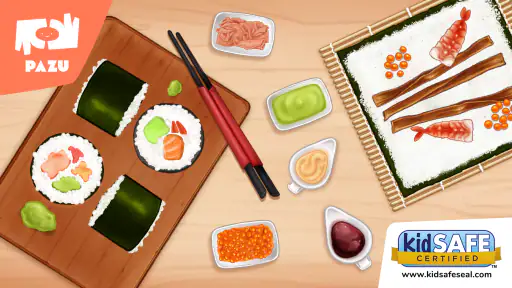
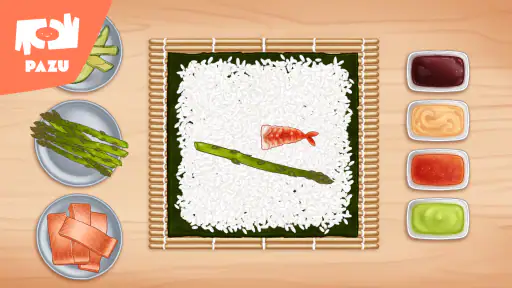
The app kicks off with a welcoming and colorful interface that instantly grabs the attention. As soon as I launched it, I felt like I was stepping into a playful Japanese sushi restaurant. The graphics are bright and engaging, perfect for keeping kids entertained. The app does a fantastic job of guiding users through the basics of sushi-making, from selecting ingredients to rolling them up into delicious creations.
Interactive Gameplay
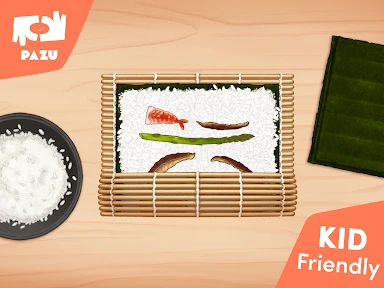
What I love about Sushi Maker Kids Cooking Games is its interactive nature. The game isn’t just about tapping on the screen; it requires kids to think and make choices. For example, they get to pick their favorite ingredients, learn how to chop them properly, and then assemble them into sushi rolls. It's a hands-on experience that also helps in developing fine motor skills.
Moreover, each step of the sushi-making process is accompanied by cheerful instructions and sound effects that make the experience even more delightful. It's like having a mini sushi chef guiding you through every step, which keeps the kids engaged and eager to learn more.
Learning Through Play
Beyond the fun, this app subtly integrates educational content that parents will appreciate. While playing, kids are introduced to different types of sushi and ingredients. They learn about the culinary culture of Japan, which is a great way to spark interest in world cuisines. The app also encourages creativity as kids can experiment with various combinations of ingredients to create their unique sushi rolls.
One feature that stood out to me is the "Create Your Own Sushi" mode, where the sky's the limit. Kids can let their imagination run wild, mixing and matching ingredients to their heart's content. It's a fantastic way to keep the game fresh and exciting every time they play.
Wrapping It Up
In conclusion, Sushi Maker Kids Cooking Games is a delightful addition to any child's app collection. It's not just a game; it's an experience that combines learning with play in the most enjoyable way possible. Whether you're a parent looking for educational content or simply want something fun for the kids to spend their time on, this app is a winner. Plus, who knows, it might even inspire the next generation of sushi chefs!
Overall, the app does a stellar job at making learning fun, which is something we all can appreciate. So, if you're ready to embark on a sushi-making adventure with your kids, this app is definitely worth checking out!
Making a session feel fresh without adding rules
The most practical way I found to get more from the repeated cooking loop is to give the child a small choice before starting. Ask whether they want to follow the guided sequence or invent a combination, then let them explain why they chose those ingredients. This keeps the activity rooted in what the game actually offers, while adding a little conversation and decision-making. It also avoids turning play into a lesson that a child did not ask for.
A second useful habit is to let the child finish one roll before suggesting another. The game’s appeal is in the sequence of selecting, preparing, and assembling, so rushing through several creations can make the actions feel like taps to get past rather than part of the pretend cooking. I would give a young player time to look at the ingredients and make a choice, then pause when the finished result appears. That simple rhythm works better than asking them to chase a score or complete a string of tasks.
For siblings or a parent playing alongside a child, taking turns making choices can make the same activity feel more social. One person can choose ingredients and the other can decide how to approach the next step, then swap roles for a new creation. This is not a special multiplayer feature; it is just an easy way to use the game as a shared screen activity. It suits a short wait or a quiet moment at home, but it will not satisfy children who specifically want a game built around competition or cooperative goals.
What to check before handing over the device
Because the game is free to download but includes in-app purchases, I would take a moment to review the device’s purchase protections before a child plays alone. That is more useful than trying to explain every possible purchase in the middle of a session: set expectations first, and keep payment approval with an adult. The listed purchase range is substantial enough that I would not treat the game as automatically cost-free simply because there is no initial price.
I would also test the opening flow with the child once rather than assuming the bright presentation makes every control self-explanatory. A younger player may understand the cooking gestures but still need help recognizing what to do next or how to return to the activity they want. Sitting together for that first run lets an adult see whether the prompts are clear for that particular child. If the child can manage the routine independently afterward, it becomes a more convenient choice for a brief self-directed break.
Sound is another small but relevant consideration. Cheerful effects can make the preparation feel lively, yet the same cues may be distracting in a waiting room, during a quiet car ride, or near someone working. I would check the device’s sound level before passing it over and choose a setting that fits the surroundings. That is a practical adjustment rather than a reason to rule the game out, especially since the visual actions carry much of the activity.
Where its narrow focus helps—and where it runs out
Some cooking games keep adding dishes, customers, timers, or restaurant upgrades to create a sense of ongoing progress. Sushi Maker takes a smaller approach: the reward is mainly in making a sushi creation and trying a different combination. I like that focus for a child who wants to play pretend without a lot of rules, pressure, or reading. It is less suitable for a player who needs clear long-term goals, a growing collection of unlockables, or a reason to return beyond the pleasure of making another roll.
That distinction also matters if a parent is choosing between this and an educational game with quizzes or structured facts. The cooking and ingredient choices can prompt curiosity, but I would treat the learning as informal conversation, not as a substitute for a guided lesson about Japanese food. A child might ask what an ingredient is or how real sushi is made, giving an adult a natural opening to explain; the game itself is primarily playful making, not a detailed culinary course.
Likewise, it is not a realistic cooking simulator. The actions are simplified for children, which is part of why the activity is approachable. Anyone hoping to learn actual knife skills, food safety, or precise preparation should use an age-appropriate real-world activity with adult supervision instead. I would describe the game as useful imaginative practice: it lets a child make choices and follow a sequence, without suggesting that screen actions teach the practical technique of preparing food.
A good fit for the right kind of break
In an everyday setting, I can picture using it while dinner is being prepared, during a short pause at home, or as a calm activity when a child wants something to do beside an adult. The key is to keep the expectation modest: one small sushi-making session, not an hour-long game night. Its focused pace can be an advantage when a parent wants a contained activity, while a child looking for a substantial role-playing world may finish the available routine and ask for something with more variety.
It is also a better match for children who enjoy tactile cause-and-effect than for those who prefer stories, exploration, or racing toward a clear win. The hands-on sequence gives the player agency over ingredients, but those choices are not the same as branching adventures or strategic decisions with lasting consequences. If your child tends to repeat a favorite action happily, that simplicity may be exactly right. If they quickly ask, “What happens next?” after mastering a short routine, a more expansive cooking or role-playing game is probably a better use of their time.
My overall recommendation is to see it as a cheerful, focused sushi activity rather than a complete restaurant game. I would choose it for a young player who enjoys making things, benefits from clear prompts, and is happy to replay a familiar sequence with personal variations. I would skip it for someone seeking deep progression, lots of different food, or realistic culinary instruction. With a quick check of purchase controls and a first session spent exploring the guided flow together, it can be an easy game to bring out when a short burst of creative play is exactly what the day needs.
Sushi Maker Kids Cooking Games Frequently Asked Questions
Who developed Sushi Maker Kids Cooking Games?
Sushi Maker Kids Cooking Games is a role-playing game from Pazu Games, built around the idea of running a restaurant and making cute, kawaii-style food. That theme makes it easy to understand what the game is aiming for before you download it: a child-friendly pretend cooking experience centered on sushi and restaurant play.
What is the game’s main appeal for children who enjoy pretend play?
The game’s restaurant theme gives children a way to imagine preparing food and taking part in a sushi-making activity. Its focus is on playful food creation rather than realistic cooking instruction, so it may appeal to kids who enjoy colorful, creative games and pretending to run their own restaurant. The short description, “Sushi Maker,” sums up its central idea.
What devices can run Sushi Maker Kids Cooking Games?
Sushi Maker Kids Cooking Games is available for Android devices that run Android 6.0 or later. Before downloading, check your device’s operating system version and make sure you have enough storage for the game. It is a role-playing game from Pazu Games, presented as a cute food-making experience for children who want to try running a virtual restaurant.
Is Sushi Maker Kids Cooking Games free to download?
Yes, Sushi Maker Kids Cooking Games is free to download, so you can try its sushi-making activity without paying for the initial download. The game also offers optional in-app purchases, with prices ranging from $9.99 to $59.99 per item. If a child will be playing, it is sensible to review purchase settings on the device and discuss asking an adult before buying anything.
What is Sushi Maker Kids Cooking Games about?
Sushi Maker Kids Cooking Games is an interactive and educational game designed for children, where they can learn how to make sushi in a fun and engaging way. The game offers a virtual kitchen experience, allowing kids to select ingredients, prepare, and roll sushi, fostering creativity and improving their culinary skills. It's both entertaining and educational, making cooking accessible and enjoyable for young ones.
Pros
- Engaging gameplay for children.
- Variety of sushi recipes to explore.
- Colorful and kid-friendly graphics.
- Simple controls for easy play.
- Encourages creativity and learning.
Cons
- Limited content after a while.
- In-app purchases can be costly.
- Ads may interrupt gameplay.
- Game may lag on older devices.
- Requires internet for some features.

- Category
- Role Playing
- Version
- 1.13