MARVEL Future Fight
- 97.90K
- 4.1
- Installs
- 100.00M
- Price
- Free

Screenshots
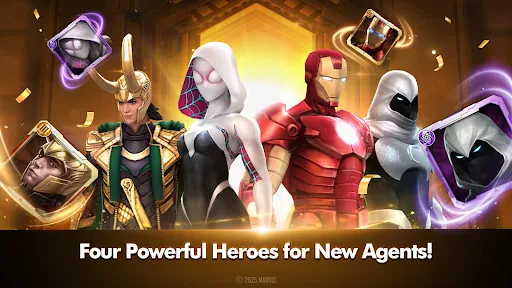

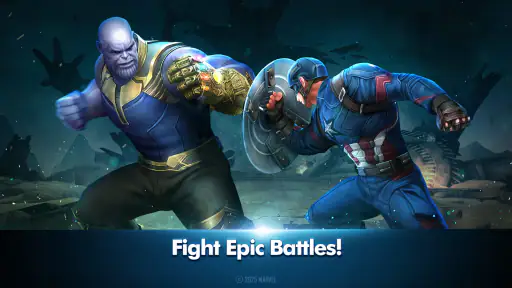
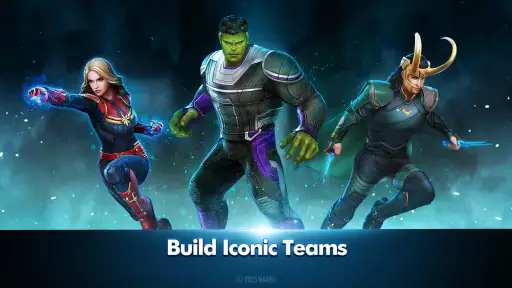
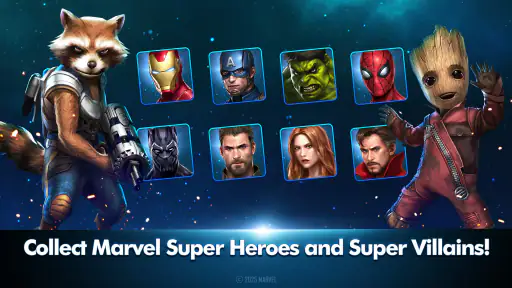
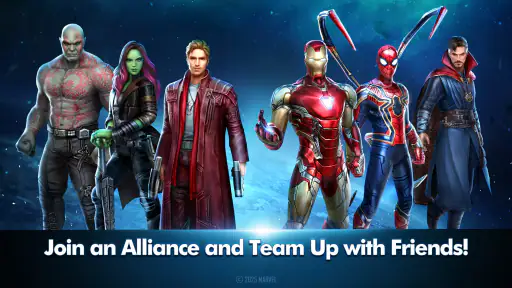
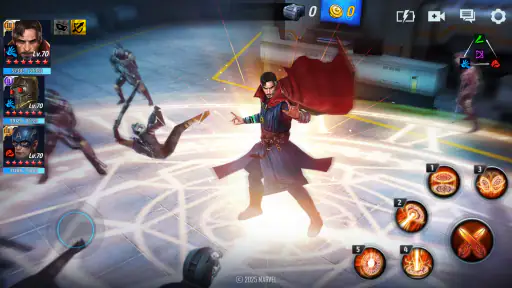
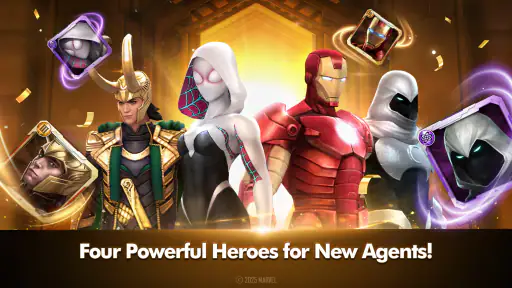
Analysis by Reviewed
I can see MARVEL Future Fight working well on a shared household device, especially when one person enjoys Marvel characters and another likes quick action battles. It is a free role-playing game from Netmarble, with a 4.1 average from around three million ratings and over 100 million installs. Those figures suggest a large audience, but they don’t tell you whether its busy menus or long-term progression will suit your home. I’d treat it as a game to explore together rather than assume every player will enjoy the same parts.
A shared game session that stays easygoing
In a practical household routine, this is easiest to share when the game is treated as a set of short turns rather than a communal account everyone edits whenever they pick up the phone. One person can choose a mission and play while another watches, then they can swap for the next run. That keeps the action social without making every menu decision a group debate. It also gives a younger or newer player time to learn the controls by watching a familiar hero in action.
I would not make the device handoff mid-upgrade or while someone is choosing how to build a character. Those decisions are more personal than simply choosing who gets the next battle, and a rushed tap can change the direction of a shared roster. If you want the game to be a low-friction family activity, agree that the person holding the device controls both the mission and any changes until the session ends. That simple boundary is more useful than trying to negotiate every selection in real time.
Reads About MARVEL Future Fight
One device, different expectations
Picture a parent using a phone during a quiet break, then handing it to a teenager who wants to try a favorite hero. That can work, but I’d agree on whose progress is being changed before anyone starts. In a game built around collecting and improving a roster, an eager tap through menus can affect choices another player meant to make. Taking turns with missions while one person handles upgrades is a simple way to make shared play less confusing.
The game is a better fit for households that enjoy talking through team choices than for people who want a quick, self-contained puzzle to pass around. Its cast is a big part of the appeal, yet knowing a character from films or comics doesn’t automatically explain how to use that hero well. I would let a new player experiment with a few missions before expecting them to understand every option on screen.
Agree on progress before handing over
For a shared device, the practical question is not only who gets a turn but who makes lasting decisions. I’d avoid letting several people freely change the same roster if they each have a different plan for it. A useful routine is to decide who is playing, keep upgrades and team adjustments to that person’s turn, and pause before spending anything. That last check matters in a free game with in-app purchases ranging from $0.99 to $99.99 per item.
I also wouldn’t treat a shared screen as evidence that progress is separate for each person. If individual play matters, each user should understand which account or saved progress they are using before getting invested. I recommend checking that boundary at the start, not after someone has put time into a favorite team. The game is rated Teen, so I’d also make sure the age guidance fits the player rather than relying on the presence of familiar superheroes as a shortcut.
More From Our News Desk

Clash of Clans Is Won Between the Battles

Android Auto Makes the Case for Quieter Car Software

MobiOffice: Transforming Mobile Productivity with Seamless Integration

EA SPORTS FC™ Mobile Soccer: Redefining Mobile Sports Gaming

How Microsoft OneDrive Became a Mobile Productivity Giant

How Google Translate Breaks Language Barriers Effortlessly
Keeping spending and progress decisions clear
For a parent sharing the device with a teenager, I’d make the spending conversation concrete: decide whether purchases are off-limits or require permission, and make sure the player knows to pause before confirming anything that costs money. The game is free to start, but its optional purchases have a wide range, so “it’s free” should not be confused with “nothing here can cost money.” I find that a clear household rule is less stressful than trying to review every offer while someone is already excited to claim a reward.
It is also worth separating the decision to play from the decision to spend. A player can enjoy the missions and roster-building without making a purchase the default next step. If you are setting up the game for someone else, agree on that expectation before they begin, and avoid handing over payment access casually. I would treat any purchase prompt as a moment to stop and check, not as part of the normal rhythm of a battle.
Taking turns without turning it into a chore
Coordination can be casual: one person chooses a lineup, another watches a mission, and then you swap. That makes team composition easier to discuss and gives less experienced players a low-pressure way to learn. If friends or family members play separately, agree on when you’ll meet for co-op rather than assuming everyone will be available at the same time. The shared activities are most enjoyable when the group wants to play together, not when someone feels obliged to keep pace.
Compared with a simpler action game, this one gives you more to manage between fights: a broad hero collection, upgrades, costumes and a substantial amount of content. That depth is a genuine draw if you enjoy gradually shaping a roster. It is also the reason I’d steer someone who dislikes layered menus or ongoing character development toward a more straightforward game. The current version is 10.9.0, and it needs Android 5.1 or later; it is also available on iOS.
Choosing it over a simpler action game
The comparison I’d make is not simply that one game has more heroes than another. The difference is where the time goes. In a straightforward action title, the main pleasure is often getting into a stage and reacting to what happens there. Here, the battles sit inside a longer loop of collecting, selecting, upgrading, and revisiting team choices. That makes it a stronger choice for someone who enjoys having a project to return to, but a weaker one for a player who wants every session to feel complete on its own.
That distinction helps answer whether it suits a short break. You can use a spare moment to play, but I would not expect every visit to be purely pick-up-and-play: sometimes you will want to check your roster or decide what to develop next. If I only had a few minutes and wanted an uncomplicated burst of action, I would choose a simpler game. If I wanted to make gradual progress with Marvel characters over multiple sessions, this is the more appealing fit.
There are a few useful habits for newcomers. First, try different team combinations before committing to one favorite lineup; a hero you like visually may not be the best answer to every encounter. Second, take a moment to inspect upgrade choices rather than tapping through them in a rush. Third, treat costumes as both a personal style choice and part of customization, but don’t assume a particular outfit is essential before you understand how your team performs. These small pauses can make the volume of options feel more manageable.
Into the Marvel Universe
The first thing that strikes you when you dive into MARVEL Future Fight is its immersive universe. The game kicks off with a gripping storyline that pulls you right in. The Avengers have received a distress call from the future, and it’s up to you to prevent the universe from unraveling. Sounds intense, right?
What I absolutely love about this game is the attention to detail. The graphics are top-notch, with each character designed meticulously to mirror their comic book counterparts. From the Hulk’s massive build to Black Widow’s sleek agility, every hero feels authentic.
Gameplay and Features
Now, let’s talk about the gameplay. It’s all about strategy and team composition. You’re not just mindlessly tapping your screen; you’ve got to think about which characters complement each other’s skills. The game offers a plethora of heroes and villains, each with unique abilities that you can upgrade as you progress.
One practical way I’d approach a growing roster is to avoid trying to improve everyone at once. Pick a small group of characters you genuinely like, learn how they work together, and then widen your experiments when you have a reason to change the team. This makes it easier to notice what each hero contributes and keeps the upgrade screens from becoming a string of arbitrary choices. It is a useful discipline for a solo player too, not just for a shared device.
The missions are varied and engaging, ranging from straightforward brawls to complex tactical scenarios that require a bit of brainpower. I found myself constantly tweaking my strategies to tackle tougher enemies, and trust me, the satisfaction of winning a hard-fought battle is immense.
When a mission becomes difficult, I would first look at the team and the way I am approaching the encounter rather than immediately assuming that I need to spend money or replace the whole lineup. A small adjustment can make a fight feel different, and experimenting is part of the appeal. The trade-off is that this takes patience: someone looking for a game that never asks them to pause and think may find the tactical layer slows down the action.
Another cool aspect is the Co-Op mode, where you can team up with friends or other players globally. It adds a social layer to the game, making it even more thrilling when you take down a boss together.
For a household, co-op works best as a planned shared activity rather than a promise that everyone can join at a convenient moment. I’d arrange a session when the people involved are actually free, and keep solo play as the fallback for days when schedules do not line up. That avoids turning an optional social feature into pressure to be online or to keep up with someone else’s pace.
Customization and Progression
Customization in MARVEL Future Fight is another highlight. You can deck out your heroes in various costumes, some of which provide buffs that can be the difference between victory and defeat. It’s a neat way to keep things fresh and engaging.
For someone who mainly cares about seeing a favorite character in a particular look, customization is fun, but I would keep appearance and performance as two separate questions. A costume can be appealing on its own, while its gameplay effect may matter differently depending on the team and challenge. I’d make choices based on what I enjoy and what helps my current lineup, rather than feeling that every available option must be pursued.
Progression is well-paced, with a steady stream of rewards that keep you motivated. You’re constantly unlocking new characters, gear, and abilities, which adds a layer of excitement as you never know what’s coming next.
The ongoing rewards are satisfying, but they can also make it tempting to open every menu and chase every possible improvement. I’d check in with a clear goal—such as testing a character or preparing a team—rather than treating each notification as a task that must be completed immediately. That keeps the game feeling like entertainment instead of household admin, especially if several people share the same progress.
If I had to nitpick, I’d say the game could be a bit overwhelming for newcomers due to the sheer amount of content and options available. But once you get the hang of it, it’s incredibly rewarding.
Who I’d recommend it to
This is a particularly good fit for Marvel fans who like learning how characters play rather than only collecting familiar names. It also suits players who enjoy returning to a roster and making gradual decisions about teams, costumes, and upgrades. The Teen age guidance is a useful starting point for families, but I would still consider the individual player’s comfort with action, menus, and in-app purchase prompts when deciding whether it belongs on a shared device.
I would steer away from it if the main goal is a calm game for very young children, a short distraction with no progression to think about, or a title where each household member can freely maintain an independent roster on one device. It is also not ideal if the player dislikes making choices that affect later progress. In those situations, a simpler action game or a game designed around independent, self-contained sessions will be a better match.
Final Thoughts
All in all, MARVEL Future Fight is a must-play for any Marvel fan. Whether you’re in it for the action-packed battles, the strategic gameplay, or just to see your favorite heroes in action, this game delivers on all fronts. So, suit up, assemble your team, and dive into the Marvel universe. You won’t regret it!
My household verdict is more measured than that final enthusiasm: I’d recommend it to Marvel fans who enjoy collecting heroes, testing combinations, and sharing occasional co-op sessions. I’d skip it for a player who wants a clean, uncomplicated game with little to manage between stages, or for a family that needs clearly separate progress on one device. There’s plenty here to enjoy, but the best experience comes when each player knows whose turn it is and is comfortable with the game’s layered progression.
For a typical evening, I can imagine one person playing a mission while another helps choose the next team, then leaving upgrades for the person whose progress it is. That gives the game a pleasant shared-device rhythm without pretending that everyone has separate goals. My strongest recommendation is to set the account, turn-taking, and purchase expectations before the first session; those small decisions prevent most of the avoidable household friction.
MARVEL Future Fight Frequently Asked Questions
Can I enjoy MARVEL Future Fight if I am new to Marvel games?
Yes. MARVEL Future Fight is built around assembling familiar Marvel heroes and other characters, so recognizing every comic storyline is not a prerequisite for getting started. Its role-playing format gives you a chance to explore the game through team-building and combat, while Marvel fans may get extra enjoyment from seeing different characters brought together. It is a good fit if you are curious about superhero action as well as if you already follow the franchise.
Does MARVEL Future Fight require an internet connection?
MARVEL Future Fight includes online features such as player-versus-player battles and cooperative missions, so a stable internet connection matters for those activities. The game is designed for mobile play, but connection quality can affect how smoothly online content works. If you expect to play while away from reliable service, keep in mind that the multiplayer aspects depend on being able to connect with other players.
Is MARVEL Future Fight suitable for short play sessions?
The game’s mobile format makes it easy to pick up for a quick look at your team or a round of action, while its character collection and progression offer reasons to return over time. How long you spend playing depends on which activities you choose and how much you want to develop your roster. It can suit players who enjoy brief sessions, as well as those who prefer to spend longer working on their teams.
Do in-app purchases affect how I can play MARVEL Future Fight?
MARVEL Future Fight is free to download and includes optional purchases, so you can start playing without paying. Purchases offer items, characters, and other resources, but they are not required to enjoy the game. If you prefer not to spend, you can simply avoid those options; if a younger player will use the device, reviewing purchase settings beforehand can help prevent unwanted transactions.
What devices and operating systems can run MARVEL Future Fight?
MARVEL Future Fight is a mobile role-playing game for Android and iOS. On Android, it requires version 5.1 or later, so it is worth checking your device’s software before downloading. The game is free to install, but make sure you have enough available storage and a suitable internet connection for a smooth experience.
Pros
- Stunning graphics and effects.
- Diverse character roster.
- Frequent updates.
- Engaging storylines.
- Smooth gameplay mechanics.
Cons
- High in-app purchase pressure.
- Occasional connectivity issues.
- Repetitive missions.
- Large file size.
- Battery draining.
- Category
- Role Playing
- Version
- 10.9.0