Puzzles & Survival
- 30.21K
- 4.5
- Installs
- 10.00M
- Price
- Free
Screenshots
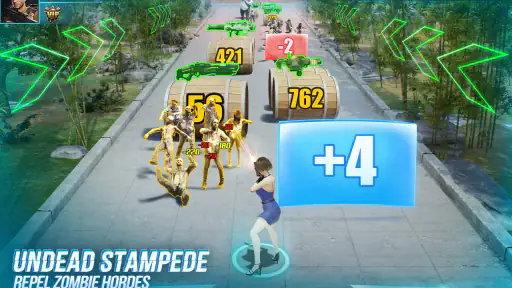
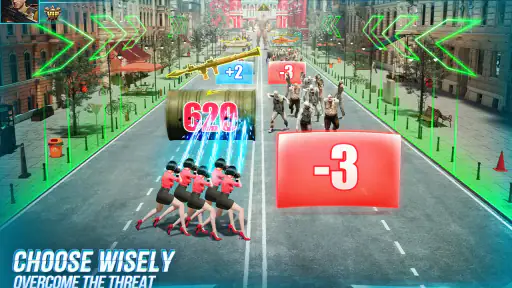
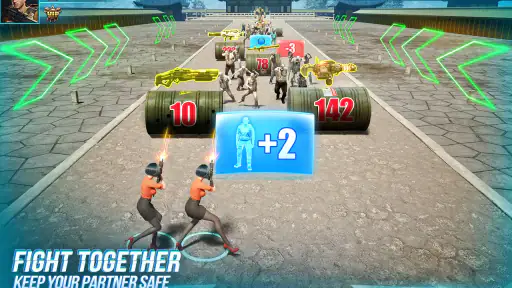
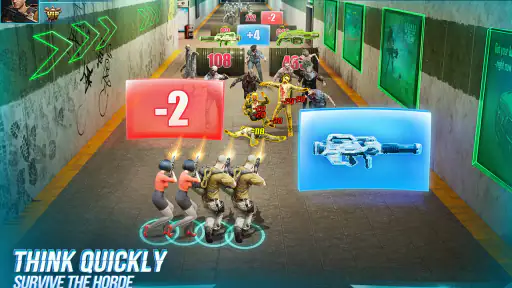
Analysis by Reviewed
I tend to judge a mobile strategy game by how easily it fits into an ordinary day: can I make useful progress in a short break, and does it still offer decisions worth thinking about when I have more time? Puzzles & Survival sits between quick match-3 battles and longer-term base management. That mix gives it more going on than a puzzle game alone, but it also means the experience is not equally suited to every mood or schedule.
What the pace feels like
The puzzle battles are the most immediate part. Matching tiles turns into attacks against zombies, so a move has a clear purpose beyond clearing a board. I find that satisfying when I want a focused burst of play: I can look for a useful match, consider how it supports my heroes, and see the result without first learning a complicated set of controls.
The broader strategy layer moves at a different rhythm. Building a base, training troops, researching, and preparing defenses give progress a longer horizon than any single puzzle stage. That contrast is the game’s central trade-off: the match-3 side feels responsive, while the survival-management side asks for patience. If you expect every session to deliver a complete sense of closure, the ongoing base work may feel slower than the battles.
I would not treat the title as a pure puzzle alternative. A conventional match-3 game generally keeps attention on the board and makes each level the main event. Here, puzzle skill is one part of a larger loop, with heroes and base development affecting what progress means. That is appealing if you enjoy carrying a plan from one activity into another; it is less appealing if you only want self-contained levels with no management layer to keep track of.
How I would fit it into a day
A realistic use case is a player checking in during a quiet break, choosing a battle, and then returning later to think about base priorities. The game can serve both a short interruption and a more deliberate session, but those sessions do not necessarily feel interchangeable. A quick visit is best for a focused puzzle or a simple check on ongoing development; a longer one leaves more room to consider hero choices, defenses, and how the different parts support one another.
My practical tip is to decide what you want from a session before opening it. If you have only a few minutes, concentrate on the puzzle side rather than trying to make every part of the strategy layer feel finished. When you have more time, look at how your heroes and base plans fit together before committing to a direction. This helps keep the game from turning a small break into an aimless cycle of tapping through activities.
It is a better fit for someone who likes gradual progression and can enjoy returning to a world that develops over time. I would be more cautious about recommending it to a player who wants a game that can be fully put away after every level, or who dislikes balancing tactical choices with management. The zombie setting gives the pieces a shared theme, but it does not remove the need to enjoy both kinds of play.
More From Our News Desk

Weather by Xiaomi Review: Clear at a Glance, Less Clear Up Close

X Under Pressure: Can It Recover When Posting Goes Wrong?

Clash of Clans Is Won Between the Battles

Android Auto Makes the Case for Quieter Car Software

MobiOffice: Transforming Mobile Productivity with Seamless Integration

EA SPORTS FC™ Mobile Soccer: Redefining Mobile Sports Gaming
From battles to a growing base
Picture this: a world overrun by zombies, and the only way to survive is by solving puzzles. Sounds intriguing, right? Well, that's exactly what Puzzles & Survival offers. The game combines the classic match-3 puzzle mechanics with strategic gameplay elements. It's not just about matching tiles; it's about planning your moves to fend off the undead and protect your base.
Gameplay and Features
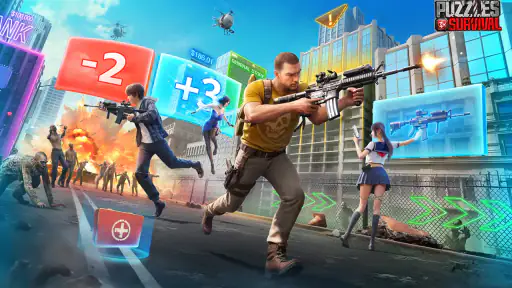
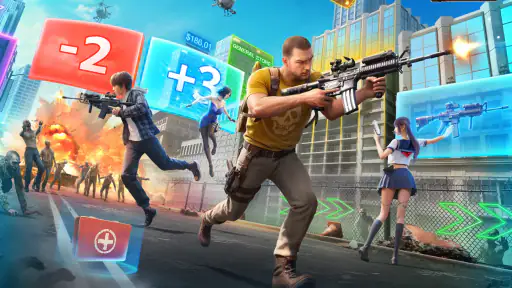
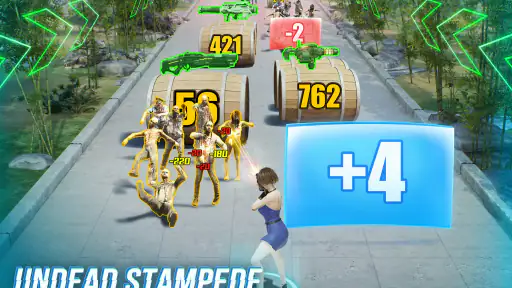
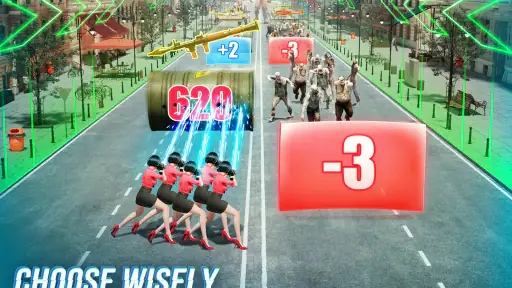
The first thing you'll notice is the stunning graphics. The developers have done an amazing job in creating a visually appealing post-apocalyptic world. The characters are well-designed, and the zombies are just the right amount of terrifying to keep you hooked.
But let's talk about the gameplay. Each level presents a unique challenge, where you need to match tiles to unleash powerful attacks on the zombie hordes. The more combos you make, the stronger your attacks become. It's a satisfying loop that keeps you coming back for more. Plus, there are various heroes to collect, each with their own special abilities and skills. Choosing the right hero for each mission adds a layer of strategy that I absolutely love.
Making puzzle choices count
What gives the board more texture than a basic match-3 game is the connection between matching and combat. I try not to treat every available match as equally valuable: a move that supports a stronger attack or works well with the heroes I have chosen can be worth more than an easy clear that does little for the current fight. That makes it useful to scan the board before moving, especially when a stage is getting difficult. The small pause to assess the situation is part of the appeal, rather than a distraction from the puzzle.
Hero selection adds another decision before the tiles even enter the picture. Since heroes have individual abilities, I find it sensible to think about the challenge in front of me instead of assuming one lineup is automatically best for every mission. This is a practical way to approach the game without turning it into homework: try to understand what a hero contributes, then notice whether that contribution helps with the kind of battle you are facing. The trade-off is that collecting characters can make progress feel tied to a wider roster, not just to how well you solve a board.
For puzzle fans, the main question is whether the match-3 action remains enjoyable when it is attached to a larger strategy game. I think it works best when you like both the immediate satisfaction of making a good match and the longer-term reason for fighting. If you prefer puzzles where every level stands alone and the board is the only system to learn, a dedicated puzzle title will be a cleaner choice.
Building Your Base
Aside from solving puzzles, you'll also be tasked with building and upgrading your base. This is where you train troops, research new technologies, and plan your defenses against zombie attacks. It's a nice blend of puzzle-solving and base-building, giving you a sense of progression as you fortify your stronghold.
Choosing what to develop
The base layer gives victories a wider context, but it can also make progress feel spread across several priorities. My advice is to avoid treating every building, troop, research option, and defense as equally urgent. Think about what you are trying to improve next, then let that goal guide your choices. This keeps the management side legible and makes it easier to notice whether your efforts are helping the way you intended.
There is a useful tension here: battles reward attention to a particular board, while base development asks you to think about accumulated strength. Players who like planning across multiple systems may find that satisfying. Players who want every minute to be spent directly solving puzzles may see the base work as a detour. Neither reaction is wrong; it is simply the main decision to make before committing to the game’s style.
The base also makes the title different from a standard turn-based strategy game. Rather than focusing only on a sequence of tactical encounters, it asks you to invest in a stronghold alongside the puzzle combat. That combination creates a broader sense of a continuing campaign, though it can be less focused than a strategy game built around a single battle system. If you want one clear tactical challenge at a time, a more narrowly designed strategy game may suit you better.
Community and Events
One of the things that stand out in Puzzles & Survival is its active community. You can join alliances, participate in events, and even compete against other players in PvP battles. The events are regularly updated, providing new challenges and rewards to keep things fresh. It's a game that encourages interaction, and I've made some great in-game friends along the way.
Social play without pressure
Alliance play and competition add a social reason to return, but I would approach them at my own pace. They are a better fit if you enjoy sharing a game world with other players and like having goals beyond your personal puzzle progress. If you prefer to play entirely on your own, the social layer may not be the reason to choose this title, even though the puzzle and base systems still provide their own activities.
One helpful way to think about the multiplayer side is as an optional change of emphasis. A player can enjoy the solo loop of battles and development, while alliances and PvP offer a more outward-facing dimension. The trade-off is that competition can make a strategy game feel more demanding than a relaxed puzzle session. I would join in because the social aspect sounds fun, not because I assume every player needs to compete to get value from the game.
Compared with a puzzle game that treats social features as score sharing, this title connects community to a broader strategy setting. That may be exactly what someone wants if they enjoy coordinating and returning to shared goals. For a player who wants a quiet, independent pastime with no other-player element, a standard match-3 game is likely to feel more comfortable.
Spending and expectations
In terms of monetization, the game does offer in-app purchases, but it's not overly aggressive. You can enjoy the game without spending a dime, although supporting the developers with a purchase here and there can enhance your experience.
It is free to play, with optional purchases ranging from $0.99 to $99.99 per item. I would decide on a spending limit before making any purchases, especially if regular progression and collecting heroes are the parts that keep me engaged. The presence of a wide range of purchase prices is a reason to be deliberate, not a reason to assume that spending is necessary. Anyone who prefers games with no in-app purchases at all may be more comfortable choosing a paid or purchase-free puzzle game.
A common question is whether it makes sense to start without paying. I think it does if you are curious about the blend of match-3 battles and base strategy and are willing to judge the pace for yourself. Treat purchases as optional, and consider whether they would genuinely improve your enjoyment rather than buying simply to hurry through a system you have not yet decided you like.
Stability, speed, and device fit
Because the game combines animated puzzle battles with a developing base and multiplayer activity, I would set expectations differently from those for a very lightweight, single-screen puzzle. The direct board play is the part most likely to feel immediate, while moving among longer-term activities naturally involves more context and decisions. I can speak to that difference in rhythm, but not promise the same loading or responsiveness on every phone.
For practical device planning, the listed minimum is Android 5.0, and the current version is 7.0.192. Those details give Android users a baseline to check, but a minimum operating-system requirement alone does not tell me how smoothly the game will run on every device. If your phone is older or already struggles with other games, it is sensible to try a short session first and see whether the visuals and repeated play feel comfortable. The game is rated Teen, which is also worth considering when choosing something to share with younger players.
For reliability, I prefer to separate what the game asks of a device from what any particular phone can deliver. The mix of visual combat, base management, and online interaction is more involved than a bare puzzle board, so a device with limited resources may make the overall experience less comfortable. If performance feels inconsistent, pausing between activities and closing other demanding apps are reasonable general steps, but they cannot guarantee a specific result. Players who need a reliably minimal game for an older phone should consider a simpler puzzle option.
Recovery is another practical concern in any game built around ongoing progress. I would avoid assuming that a session can always be interrupted at exactly the right point; finish the current battle or management choice when convenient before switching away. If you play in brief gaps between other tasks, use the puzzle portion as the natural stopping point rather than beginning a longer chain of decisions when you know you must leave soon. That habit makes the experience easier to fit around real life without making promises about how every session resumes.
Who will enjoy this mix
I would recommend it most readily to someone who wants a mobile strategy game with a puzzle-driven combat layer, likes collecting heroes, and is happy to develop a base over time. It also suits players who enjoy having both a compact activity and a broader project to return to. The post-apocalyptic setting helps tie those pieces together, while the alliance and competitive options provide an extra reason to engage for people who like social play.
I would suggest skipping it if you are looking only for a pure match-3 experience, dislike base building, or find ongoing multiplayer competition tiring. It is also not my first choice for someone who wants a very lightweight game with no longer-term management. In those cases, a standalone puzzle game or a more focused strategy title makes a clearer promise about where your attention will go.
At a glance, its audience response is substantial: the game has a 4.5 average from around 324,000 ratings, with more than 10 million installs. That makes it a well-established option to consider, though popularity alone cannot tell you whether its particular blend suits your taste. It was released on October 2, 2020, by 37GAMES, and remains a free strategy game for players who want to sample the loop before deciding how much time they want to invest.
In conclusion, Puzzles & Survival is a delightful mix of puzzle-solving and strategy, wrapped in a captivating zombie apocalypse setting. If you're looking for a game that challenges your brain while keeping you entertained, give it a shot. Just be prepared to lose track of time as you strategize your way to survival!
Puzzles & Survival Frequently Asked Questions
Does Puzzles & Survival focus more on puzzles or base building?
It gives both parts a meaningful role rather than treating one as a brief extra. Match-3 puzzles drive battles against enemies, while resource management and developing a base provide longer-term strategic goals. If you enjoy switching between quick puzzle encounters and decisions about how to build up your position, the mix is likely to be appealing. Players looking for puzzles alone may find the strategy side a substantial part of the experience.
What is the main goal in Puzzles & Survival?
The game places you in a post-apocalyptic world where you solve match-3 puzzles to defeat zombies while managing resources and building and defending a base. Its central appeal comes from combining those immediate battles with broader survival-strategy decisions. Rather than being only a puzzle challenge, it asks you to develop your position over time as you face enemies.
Is Puzzles & Survival free to download, and does it include purchases?
Yes, Puzzles & Survival is free to download and play, with optional in-app purchases. Players can buy resources, speed up processes, or acquire special items. These purchases can enhance the experience, but they are not necessary to enjoy the game. Items range from $0.99 to $99.99, so it is worth checking spending settings if others use your device.
What kind of experience should I expect from Puzzles & Survival?
Puzzles & Survival is a strategy game built around a zombie-survival setting, with match-3 puzzles woven into its core play. You solve puzzles to fight enemies while also managing resources and developing a base. This combination gives the game more to do than a standalone puzzle title, so expect both hands-on battles and longer-term strategic decisions.
Who developed Puzzles & Survival, and how popular is it?
Puzzles & Survival was developed by 37GAMES and has attracted a large mobile audience. It has over 10 million installs, around 324,000 ratings, and roughly 30,000 written reviews, with an average rating of 4.5. Those figures suggest it has reached many players, though individual experiences can vary depending on how much they enjoy puzzle battles and strategy games.
Pros
- Engaging storyline with challenging puzzles.
- Combines strategy with survival elements.
- Visually appealing graphics and design.
- Regular updates and new challenges.
- Multiplayer options enhance community feel.
Cons
- In-app purchases can be expensive.
- Requires constant internet connection.
- Some levels feel repetitive.
- Energy system limits playtime.
- Ads can be intrusive at times.
- Category
- Strategy
- Version
- 7.0.192