New York Mysteries 5
- 576.00
- 4.6
- Installs
- 1.00M
- Price
- Free

Screenshots
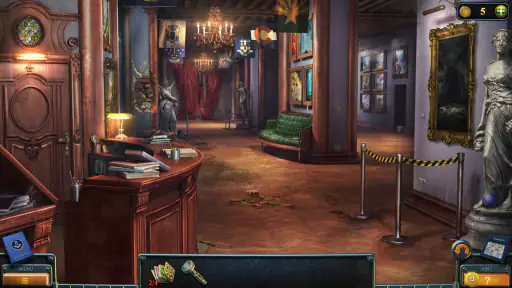
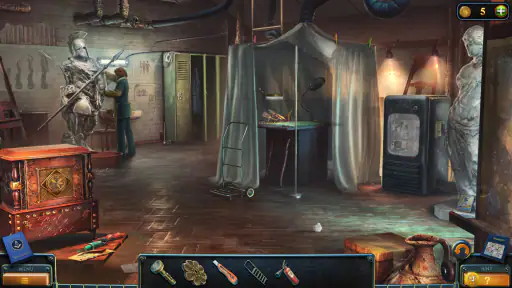
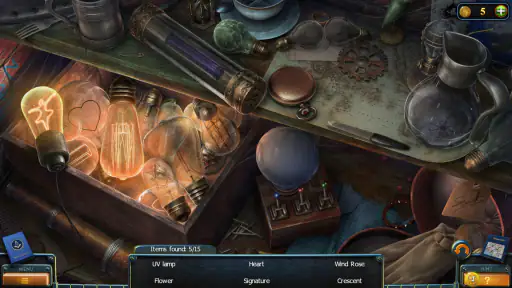
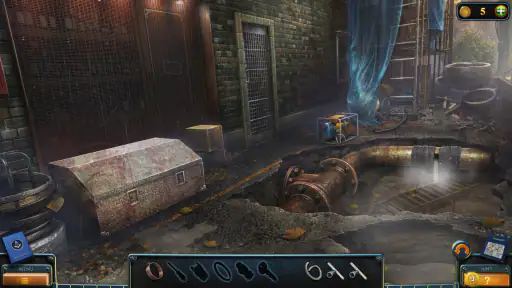
Analysis by Reviewed
New York Mysteries 5 is the kind of adventure game I open when I want a mystery to occupy my attention without demanding quick reflexes. Its central idea is wonderfully strange: a fantasy world is spreading into the streets of New York, and I have to investigate that collision through exploration, observation, item use, and puzzle solving. The result feels closer to an interactive detective story than to a conventional action game.
What makes it easy to recommend is the way each small discovery creates a reason to continue. I inspect a location, notice something that does not fit, collect a useful object, solve a problem, and then gain access to another part of the case. That rhythm gives the game a satisfying sense of progress even when the actual task is simply finding the right clue in a busy scene. I found myself frequently saying, “I’ll just check one more area,” and then starting another short investigation.
How the investigation loop works in practice
The first action is usually looking more carefully
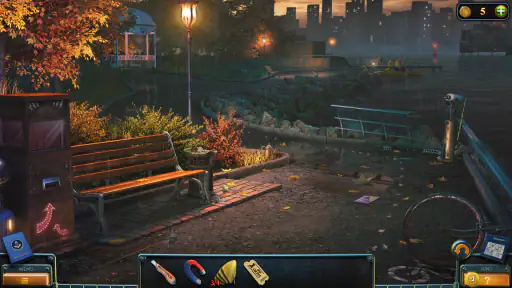
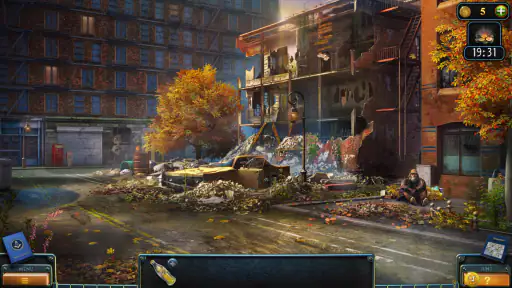
The opening moments teach the most important habit: do not rush past the scenery. In New York Mysteries 5, the environment is not just decoration. Streets, rooms, objects, and unusual details all serve as possible evidence or as parts of a later puzzle. My first instinct in many adventure games is to tap everything quickly, but that approach is less useful here. I get better results when I pause, scan the whole screen, and think about what looks deliberately placed.
That makes the first action pleasantly low-pressure. I am not trying to win a fight or beat a timer. I am building a mental map of the current situation. A locked route, an incomplete mechanism, or an object that seems out of place becomes a question. The game then gives me a reason to remember that question while I explore elsewhere.
This design suits players who enjoy visual investigation. If you like spotting patterns, connecting objects, and testing possible solutions, the first few minutes of a scene are rewarding. If you prefer immediate controls and obvious objectives, the opening can feel slower than expected. The game wants me to observe before I act, and that is central to its personality.
Feedback comes from progress rather than spectacle
The feedback rhythm is built around recognition. I tap the correct item, combine an object with the right situation, or solve a puzzle, and the environment responds by opening another possibility. That response is modest compared with the explosions and score multipliers of an action game, but it is meaningful. The reward is not merely a sound or animation; it is the knowledge that my reasoning was useful.
I particularly like the way a blocked path can remain in my thoughts while I work on something else. When I later find the missing clue or tool, the earlier obstacle becomes understandable instead of arbitrary. This creates a chain of small conclusions: I notice a problem, search for context, identify the solution, and return with better information.
There is also a useful difference between being stuck and being wrong. Sometimes I have the right idea but have not examined the environment thoroughly enough. Other times I am forcing an item into a place where it does not belong. Learning to tell those situations apart is part of the game’s challenge. I now make a habit of revisiting nearby screens before using a hint or assuming that a puzzle is unfair.
What the rewards actually give you
The most valuable reward is access. Solving a puzzle can reveal a new location, a new piece of the story, or a clue that changes how I interpret an earlier scene. That keeps the investigation moving without turning every success into a separate minigame. I am rewarded with more context, and the extra context makes the next decision more interesting.
The fantasy intrusion also gives ordinary objects a different role. A familiar New York setting can become suspicious when unusual elements appear inside it. I enjoy that contrast because it prevents the locations from feeling like unrelated puzzle boards. The setting is part of the mystery, and the reward for paying attention is often a clearer understanding of how the strange elements fit together.
For practical play, I recommend keeping a brief note when several clues point toward the same unresolved problem. I do not need to write down every object, but recording a distinctive symbol, a sequence, or the purpose of a locked item can save time later. This is especially helpful when I take a break and return after forgetting which locations I already searched.
The game is free to download, which makes trying its style straightforward. It does include optional in-app purchases ranging from $0.99 to $19.99 per item. That matters because puzzle adventures are often played at a relaxed pace, and a player may be tempted to spend money when progress slows. I prefer to treat hints or paid assistance as a last resort: first recheck the scene, review the inventory, and consider whether an earlier clue has become relevant.
Why a session naturally resets
A good session usually ends when I reach a natural stopping point: a puzzle is completed, a location has been searched, or a new question has appeared. The game encourages that kind of reset because its progress is divided into manageable investigative steps. I can put it down after understanding one problem and return later with a clear next action.
That structure works well in an everyday situation. If I have a quiet twenty minutes after dinner, I can investigate a scene, solve a compact obstacle, and stop without feeling that I abandoned a competitive match or left a character in danger. When I return, the unresolved clue itself reminds me why I wanted another session.
My preferred routine is to stop after a meaningful discovery rather than in the middle of a search. Before closing the game, I look over the current area and identify the most obvious unanswered question. This takes only a moment, but it makes the next launch much smoother. Instead of wandering through every location again, I already know what I want to test first.
The reason another session begins
The strongest reason to continue is curiosity. The game repeatedly changes the meaning of what I have seen. A strange object may first look like a collectible, then become part of a mechanism, and finally help explain the fantasy threat affecting the city. That gradual reframing is more compelling to me than a simple checklist of tasks.
Another session also begins because the game’s obstacles are usually connected. I may solve one puzzle and discover that the solution only answers part of the question. That can sound frustrating, but here it gives the story a layered feel. The investigation does not end every time I make progress; instead, progress exposes a more specific problem.
This is where New York Mysteries 5 separates itself from casual hidden-object alternatives. A quick hidden-object game may focus mainly on scanning a picture and finding listed items. Here, observation is only the first step. I also need to understand why an item matters, where it belongs, and what its use reveals about the larger mystery. Players who want a more connected adventure will likely appreciate that extra layer.
Where the game asks for patience
The same design can become a weakness when I overlook a tiny interaction. Because the game depends on careful examination, one missed object can hold up everything that follows. I have had moments when the solution was not conceptually difficult; I simply had not searched the right corner or recognized that an apparently ordinary detail was interactive.
That friction is manageable, but it changes how I play. I avoid tapping randomly across the screen and instead search in a consistent order: foreground objects, edges of the scene, unusual markings, then inventory possibilities. If nothing works, I move to another location rather than repeating the same action. This method reduces wasted time and makes the eventual discovery feel earned.
The game is also not the best match for someone seeking a fast fantasy adventure with constant combat. Its fantasy premise may suggest a more active experience, but the core appeal is investigation. The tension comes from uncertainty and discovery, not from rapid movement or demanding battles. For action-focused players, a different adventure game would probably provide more satisfying moment-to-moment energy.
Playing comfortably on a phone or tablet
On a phone, I find the compact scenes convenient for short sessions, although detailed areas reward a careful screen and a patient pace. A tablet can make visual inspection more comfortable, especially when several objects are close together. In either case, I would not play while distracted. This is a game where a conversation, notification, or hurried tap can make me miss the clue that explains the whole scene.
The age classification is Teen, so I would not present it as a children’s puzzle game without checking whether its atmosphere suits the player. Its mystery tone and fantasy danger are more appropriate for older children, teenagers, and adults who enjoy a darker investigative mood. The story-driven presentation is accessible, but the need to interpret clues means younger players may still need occasional help.
Compatibility is fairly broad: the current version is 1.0.1.1597.945 and requires Android 7.1 or later. I would still check the device before installing, particularly if I plan to play on an older phone. The practical point is that this is not a title I would choose for a device that struggles with detailed scenes or touch accuracy, because the investigation depends on seeing and selecting small elements reliably.
What the player community suggests
The game has built a substantial audience, with over a million installs and a 4.6 average from around twenty-one thousand ratings. Those figures fit my impression that it appeals strongly to people who already enjoy story-led puzzle adventures. It is not a niche experiment that asks players to tolerate an unfinished idea; it is a polished entry in a recognizable series style.
Still, popularity does not remove the need to choose carefully. A large audience can include players with very different expectations. Someone who wants a free, relaxed mystery may find the game inviting, while someone who dislikes searching for hidden interactions may find the same structure tiring. I would make the decision based on tolerance for slowly earned answers, not simply on the rating.
The developer, FIVE-BN GAMES, clearly understands how to build a loop around atmosphere and investigation. The important achievement is not just creating unusual locations; it is giving those locations a practical purpose. I am rarely exploring only to admire the setting. I am looking for the detail that will turn confusion into a usable lead.
How it compares with familiar alternatives
Compared with a straight hidden-object title, this game gives me more to think about after I find an item. The question is not only “Where is the object?” but also “What does it explain?” That makes the experience slower, yet more memorable. Compared with a traditional point-and-click adventure, it feels more focused on visual discovery and compact puzzle chains than on long conversations or broad free-form wandering.
It also differs from competitive mobile games because there is no need to optimize a build, defeat another player, or maintain a daily streak. The pressure is self-directed. I can play carefully, stop when I want, and return when I am ready to solve the next question. That makes it a better choice for quiet evening play than for moments when I need instant stimulation.
There is a trade-off in that focus. Players who love complicated inventory systems, multiple dialogue choices, or open-ended solutions may find the path more guided than they prefer. I enjoy the guidance because it keeps the story moving, but I would choose a broader role-playing adventure for deeper character customization or a more reactive world.
My practical verdict on the complete loop
The action-feedback-reward-reset cycle works because every stage points toward the next question. I inspect a strange scene, receive confirmation when I understand an interaction, earn access to new information, stop at a natural break, and return because the unresolved mystery is still active in my mind. That is a simple loop, but New York Mysteries 5 gives it enough atmosphere and connection to remain engaging.
My biggest advice is to play deliberately. Search each scene methodically, keep light notes when clues become complicated, and do not spend on help before checking whether an earlier location contains the missing link. The game rewards patience more than speed, and the player who accepts that will get much more from it than someone who taps randomly.
I recommend it to fans of story-driven adventure games, visual mysteries, and puzzle sessions that can be enjoyed in short bursts. I would skip it if I wanted constant action, competitive pressure, or completely open-ended problem solving. For me, the fantasy takeover of New York works best as a reason to investigate rather than as an excuse for spectacle.
New York Mysteries 5 succeeds by making another session feel like a personal decision: I am not chasing a score, I am following a clue that I have not finished understanding. That is the right kind of motivation for this genre, and it is why I would gladly return when I have a little quiet time and one more unanswered question.
Pros
- Atmospheric New York setting with detailed locations and period-style visuals.
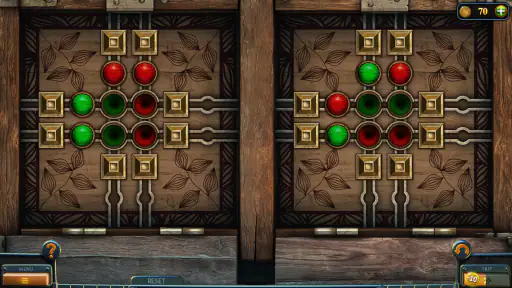
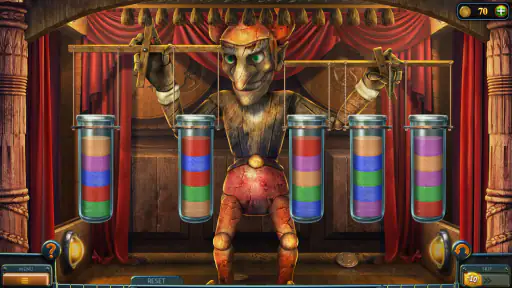
- Well-designed puzzles offer a satisfying mix of logic
- observation
- and item use.
- Optional hints help when you get stuck without immediately solving everything.
- Multiple collectible objects and achievements encourage careful exploration.
- Works well for short sessions
- with progress saved between investigations.
Cons
- Some puzzles rely on trial and error rather than clear clues.
- The story can feel predictable if you have played earlier entries.
- Certain scenes require repeated backtracking across previously visited locations.
- The free version may limit access or interrupt play with purchase prompts.
- Small interactive objects can be difficult to spot on smaller phone screens.

- Category
- Adventure
- Version
- 1.0.1.1597.945