Lost Lands 8
- 1.04K
- 4.5
- Installs
- 1.00M
- Price
- Free

Screenshots

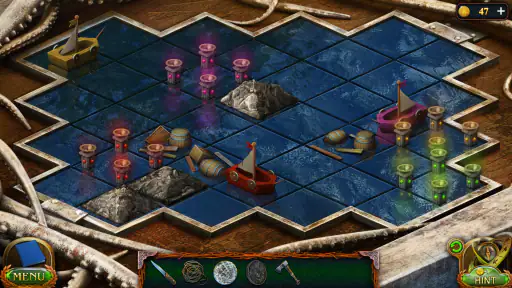
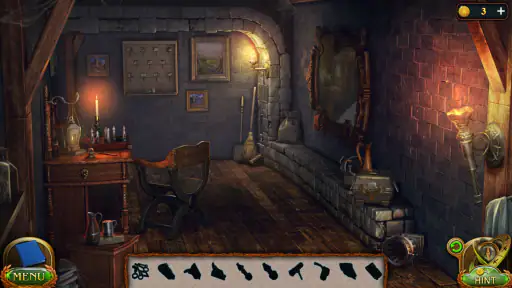
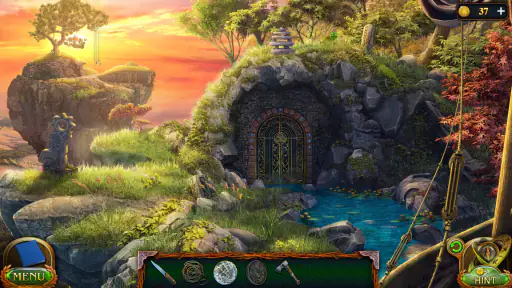
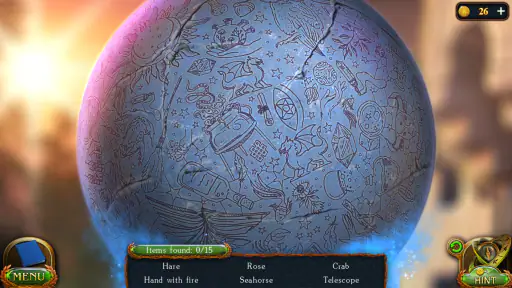

Analysis by Reviewed
Some adventure games ask you to react quickly, while others invite you to slow down and examine every corner. Lost Lands 8 belongs firmly to the second group. I found it most enjoyable when I treated it like a quiet mystery to work through rather than a game to rush. Its story begins with a family idyll disrupted by a curse connected to the Lost Lands, and that personal starting point gives the exploration a clearer emotional purpose than a simple treasure hunt.
Developed by FIVE-BN GAMES, this free adventure game is aimed at players who enjoy searching scenes, following clues, solving puzzles, and gradually making sense of a fantasy world. It is rated Everyone 10+, runs on Android 7.1 and later, and the current version is 1.0.7.1597.1894. The game has attracted over a million installs and holds a 4.5 average from around thirty-five thousand ratings, which matches my impression that it has a broad appeal among fans of story-led puzzle adventures.
I would recommend it to someone who likes the feeling of opening a notebook beside a game and connecting small details over time. I would be more cautious about suggesting it to players who want combat, fast movement, competitive play, or a highly customizable experience. The appeal here is observation and deduction, not reflexes.
How the story and exploration work together
A family problem gives the adventure direction
The central premise is easy to understand: a mysterious curse from the Lost Lands has damaged Susan’s peaceful family life. That setup gives the investigation a human reason to continue. I was not simply moving from one fantasy location to another because the game told me to; I was looking for explanations and trying to understand how the curse affected the people involved.
That distinction matters in a puzzle adventure. When a game presents disconnected riddles, I tend to solve them mechanically and forget them soon afterward. Here, the family thread helps the locations feel like parts of one larger problem. The story is still fantastical, but the emotional motivation makes the search easier to follow, especially during longer sessions when several clues begin to overlap.
The pacing is deliberately patient. You usually need to inspect your surroundings, collect useful objects, notice patterns, and decide where each discovery belongs. This makes the game a good fit for an evening when I want something absorbing without pressure. It is less suitable when I have only a few minutes and want immediate action.
Readability is central to the experience
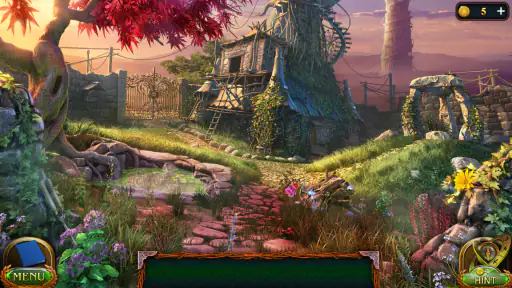
Because so much depends on noticing objects and interpreting clues, visual clarity is not a minor detail. I found myself paying attention to the contrast between important items and their surroundings, the shape of objects, and the way a scene suggested where to look next. Players with strong visual attention will likely appreciate this style, while anyone who struggles to distinguish small details may find some searches tiring.
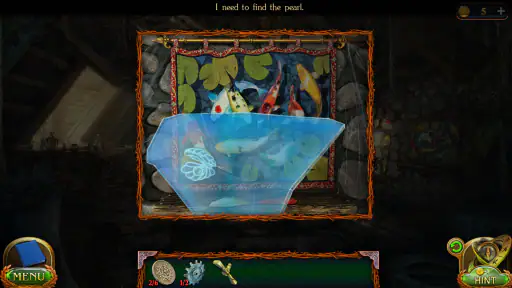
The interface is built around examining scenes and choosing actions rather than managing a complicated collection of controls. That is helpful for people who prefer a low-control layout. I did not need to remember a large set of buttons or combine several gestures during a puzzle. The challenge came from understanding the situation, not from operating the interface quickly.
A useful habit is to pause before tapping repeatedly. I got better results by scanning a scene from left to right, then checking unusual shapes, open containers, and areas that looked slightly out of place. This approach reduces random tapping and makes the game feel more like investigation. It also helps players who become overwhelmed when a busy scene offers many possible points of interest.
Navigation favors deliberate choices
Moving through the adventure is easier if I think in terms of unfinished questions rather than a single straight route. When I reached a location with an object I could not use, I mentally linked it to the other places I had visited instead of assuming I had missed something obvious. That small change in approach made backtracking feel purposeful.
The game’s navigation style may suit players who prefer predictable, tap-based interaction. There is no need to steer a character through a fast environment, and the experience does not depend on precise timing. On the other hand, players who expect a large map with complete freedom may find the progression more guided than exploratory. The world presents mystery, but the actual route through it is shaped by the puzzles.
I also recommend keeping track of clues outside the game if you enjoy solving puzzles independently. A short note with unusual symbols, locked locations, and objects that have not yet found a use can prevent repeated searching. This is especially useful for players who take breaks between sessions or who find working memory a limiting factor.
Motor demands are modest, but not absent
From a motor perspective, this is more approachable than an action adventure. The game does not ask me to perform rapid combat inputs or coordinate movement with a camera. Most interactions involve tapping a location, selecting an item, or examining something on screen. That makes it a reasonable option for players who prefer slower, simpler input.
Still, “slow” does not mean effortless for everyone. Searching scenes can involve repeated tapping, and small targets may be uncomfortable for someone with limited fine-motor control. A larger phone or tablet could make object inspection easier simply because the visual area gives more room to identify and select details. Players should also consider whether their device responds reliably to taps, since missed input can feel like a puzzle mistake.
One practical technique is to use a relaxed grip and change the way you hold the device during longer searches. I found that alternating hands reduced fatigue more effectively than trying to play through a difficult scene in one position. If a puzzle requires repeated examination, taking a short pause is more useful than tapping faster.
Sensory comfort depends on the setting
The game’s atmosphere is one of its strengths, but atmosphere can also affect comfort. Fantasy locations, mysterious events, and a curse-driven story create a mood that may feel tense in places. Players who are sensitive to darker themes should know that the game is not presented as a bright, purely cheerful family outing, even though its age rating is Everyone 10+.
Sound can influence how immersive the scenes feel, but the game remains understandable when I focus on the visual clues and written story. That makes it more flexible than an adventure that hides essential information inside spoken dialogue or audio cues. I still prefer headphones when I want to pay attention to the mood, but they are not necessary for the basic investigation.
For a calmer session, I would play in a well-lit room and use a device screen that is comfortable to read. Dark fantasy scenes can become harder to inspect in glare or low brightness. This is not a special setting inside the game; it is simply a realistic way to reduce eye strain when the main task is careful visual searching.
Situational access is one of its quiet strengths
Lost Lands 8 works well in situations where I cannot give a game constant attention to fast action. I can play while sitting on a train, during a quiet break, or at home after finishing other tasks. Since the core challenge is observation, an interruption is less damaging than it would be in a timed game. I can stop after reaching a clue and return later without feeling that I have lost a competitive advantage.
That flexibility is useful for players with different energy levels. On a focused day, I can investigate several connected puzzles. On a tired day, I can simply explore one scene and leave the larger mystery for later. The game does not demand the same physical intensity as an action title, and that makes it easier to fit around ordinary routines.
There is a trade-off, though. If I play while distracted, I may overlook a visual detail and then spend more time revisiting locations. The game is forgiving of interruptions, but it still rewards concentration. Someone looking for a background game to play while watching television may not get the best experience, because the important information is easy to miss when attention is divided.
Where it compares well with other adventure games
Compared with action-oriented adventure games, this one is much gentler on reflexes. I do not need to memorize attack patterns, manage a character build, or compete against another player. The satisfaction comes from solving a problem and seeing how it connects to the story. That makes it a stronger choice for players who enjoy mystery more than spectacle.
Compared with casual hidden-object games, the experience feels more connected to a continuing narrative. Searching is not the entire point; objects and locations contribute to a wider chain of discoveries. Players who want a quick, self-contained round may find the story progression slower, while players who like returning to an unfolding world may appreciate the extra context.
Compared with premium adventure games that charge once and avoid interruptions, the free entry point is attractive, but in-app purchases range from $0.99 to $19.99 per item. I would approach those purchases as optional convenience rather than part of the reason to start. Anyone who strongly prefers a completely purchase-free experience should think about that model before committing time to the game.
Small habits that make the puzzles easier
The first useful habit is to separate “interesting” from “usable.” A strange object may be important without being ready to interact with immediately. I stopped forcing every item into the first puzzle that seemed to match and instead waited for the surrounding clues to make the connection clearer. That reduced wasted attempts and made the solutions feel more logical.
The second is to revisit a scene with a specific question. Returning because “there must be something else” can become frustrating. Returning because I need a tool for a particular mechanism, or because a newly discovered clue changes how I read the room, is much more productive. This turns backtracking into a reasoning step rather than a chore.
The third is to protect the story’s pacing by avoiding random tapping. Tapping everywhere may reveal an answer, but it weakens the satisfaction of understanding why the answer works. I found the game more rewarding when I first described the problem in plain language, such as “this object needs a missing part” or “these symbols probably share an order,” before interacting with the scene.
Who may need to think twice
Players with low vision may face the biggest practical challenge because the game depends on inspecting visual scenes and identifying details. A larger display can help, but it does not change the basic design. Anyone who finds small objects difficult to distinguish should try a short session first and pay attention to eye fatigue rather than judging only the story.
Players with motor limitations may appreciate the absence of fast action, but repeated tapping and small interactive areas can still create friction. The game is likely more comfortable with a stable device position and enough time to select items carefully. It is not the right choice if a player needs every interaction to be large, minimal, and completely free of repeated searching.
Players with attention-related needs may enjoy the clear, single-task structure of examining a scene, but the number of details can also become mentally demanding. I suggest playing in short chapters of attention: inspect one location, record the important clue, and stop before frustration replaces curiosity. That approach worked better for me than trying to finish a long sequence in one sitting.
What the free model means in practice
The game is free to start, which removes the biggest barrier for someone who wants to test the style before spending money. That is particularly useful here because the appeal is personal: some players will love carefully investigating fantasy scenes, while others will quickly miss action or open exploration.
There are in-app purchases priced from $0.99 to $19.99 per item. I would not recommend making a purchase simply because a puzzle feels difficult. First, reread the clues, check earlier locations, and consider whether the problem is a missing object rather than a wrong solution. This is a better way to preserve the investigative element and avoid turning uncertainty into an impulse purchase.
Parents should also consider the Everyone 10+ rating alongside the individual player’s sensitivity to curses and darker fantasy themes. The rating makes it suitable for a broad audience, but younger players may still want help with some puzzles or story details. For a family session, I would treat it as a cooperative mystery rather than a game designed for very young children.
My inclusive verdict
After looking at the game through different abilities and everyday situations, I see Lost Lands 8 as a thoughtful choice for players who want a slower adventure with a strong visual investigation focus. Its tap-based interaction avoids many of the motor demands found in action games, and its story can be followed without relying on competitive play or rapid reactions. Those are meaningful advantages for relaxed, flexible sessions.
Its main barriers are equally clear: visual searching can be demanding, small details may cause fatigue, and repeated tapping will not suit everyone. The game also expects players to remember relationships between clues, so it is not ideal as a completely passive distraction. A different adventure game would be better for someone who needs large, simple interactions, constant audio guidance, or a faster pace.
For me, the best way to play is on a comfortable screen, in good lighting, with enough time to examine each scene without rushing. I would keep brief notes, take breaks when the visual search becomes tiring, and treat purchases as optional rather than necessary. With those expectations, the free adventure from FIVE-BN GAMES offers a welcoming entry into a story-led puzzle world. I recommend it to patient mystery fans, especially those who prefer solving problems at their own pace; I would steer action-focused players elsewhere.
The strongest reason to try it is its calm, clue-driven rhythm, while the clearest reason to skip it is the reliance on visual detail. That balance makes it a worthwhile recommendation for the right person, not a universal fit. If you enjoy connecting objects, locations, and family-driven story threads, Lost Lands 8 gives you plenty to investigate without demanding quick reflexes.
Pros
- Atmospheric visuals and detailed environments create a strong fantasy adventure mood.
- Puzzles offer varied challenges without relying entirely on obscure solutions.
- The story provides plenty of exploration
- dialogue
- and lore to uncover.
- Helpful hints make difficult sections more approachable for casual players.
- Playable offline
- making it convenient for travel or areas with limited internet.
Cons
- Some puzzles may feel trial-and-error rather than logically explained.
- The opening can be slow while the story and mechanics are introduced.
- The free version may restrict access through in-app purchases.
- Backtracking between locations can become repetitive later in the game.
- Dialogue and cutscenes may feel lengthy for players focused mainly on puzzles.

- Category
- Adventure
- Version
- 1.0.7.1597.1894