Mini Block Craft Realm Craft
- 9.75K
- 4.3
- Installs
- 100.00M
- Price
- Free
Screenshots
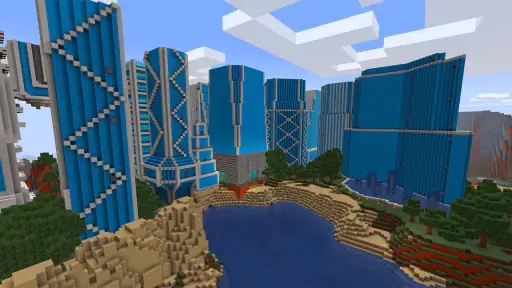
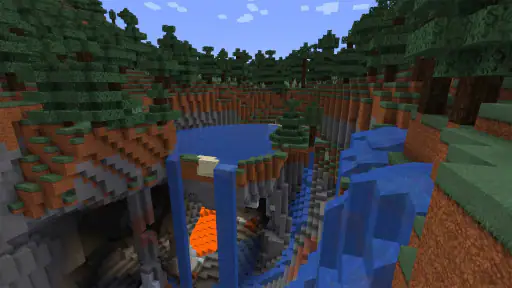
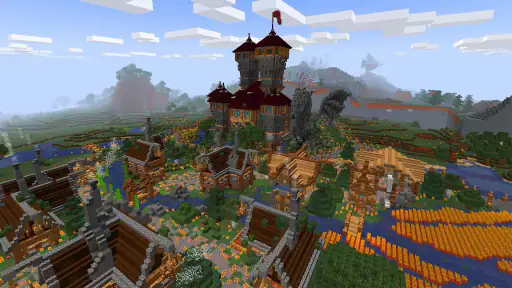
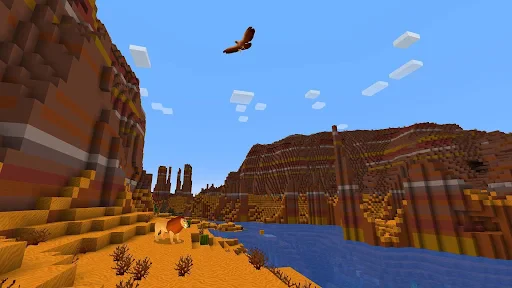
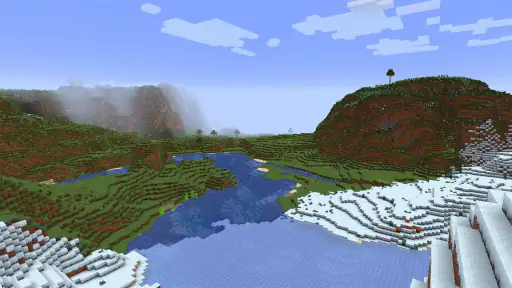
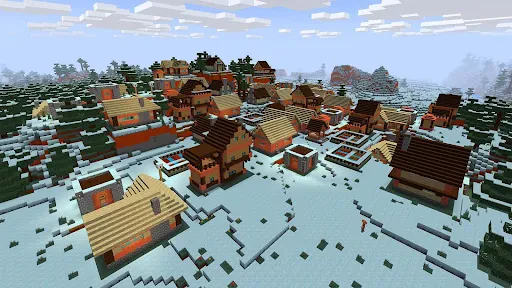
Analysis by Reviewed
I usually judge a mobile block-building game by how quickly I can get from opening it to doing something worthwhile. Mini Block Craft, developed by Tellurion Mobile, is free to play and gives me two clear ways in: build at my own pace or take on survival. That split makes it easy to pick up for a short creative session, though it is less suited to anyone looking for a tightly guided adventure with a set story.
Quick sessions and a sensible starting plan
On an ordinary evening, I might open it with only a little time and use a sandbox session to sketch a small base rather than attempt a grand project. That is where the open-ended format works well: I can choose a modest goal, such as laying out a room or testing a shape, and stop when I’m ready. In survival, I’d start by securing a basic shelter before wandering far. Treating the first stretch as preparation makes exploration feel less like aimless block collecting and gives each trip a purpose.
The game is an adventure title with a Teen age rating. It has a 4.3 average from around 660,000 ratings and has passed 100 million installs, so it has clearly found a broad audience. Those figures tell me it is widely played, but they don’t guarantee that its controls or pace will suit every player. I’d approach it as an accessible crafting sandbox, not as a polished, mission-driven journey.
Getting Started in Your Own Blocky Universe
When you first load up Mini Block Craft, you're greeted with a colorful, inviting menu that just screams adventure. The game offers a sandbox mode where you can let your imagination run wild, building everything from towering castles to intricate underground bunkers. There's also a survival mode for those who enjoy a challenge, where you'll need to gather resources, fend off pesky creatures, and construct shelters to protect yourself from the elements.
Building and Crafting: Unleash Your Creativity
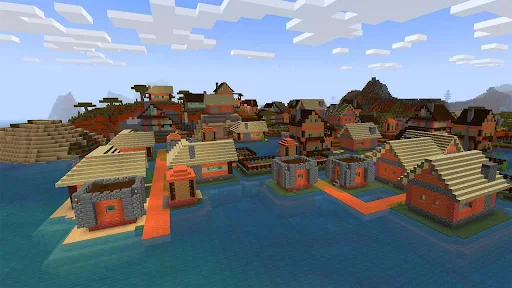
The building mechanics in Mini Block Craft are straightforward and intuitive. You can easily place blocks of various types to construct whatever you can dream up. The game provides a vast array of materials, each with unique textures and properties, making every build feel fresh and exciting. Whether you're constructing a cozy small cottage or an expansive fortress, the possibilities are endless.
Exploration and Adventure
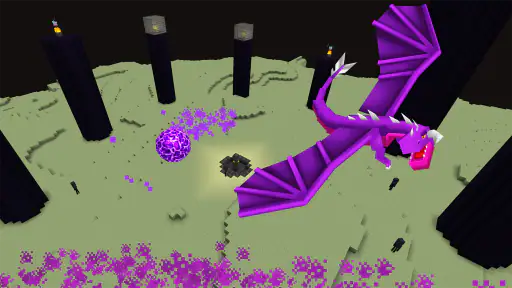
What truly sets this game apart is its emphasis on exploration. The randomly generated worlds offer a plethora of biomes, from lush forests to arid deserts, each teeming with life and resources. As you explore, you'll encounter wildlife, secret caves, and hidden treasures. It's this sense of discovery that keeps you coming back for more, eager to see what lies beyond the next hill or within the depths of the next cave.
Survival Mode: Test Your Mettle
For those who crave a bit more structure and challenge, the survival mode is where it's at. Here, you'll need to manage resources carefully, craft tools and weapons, and build defenses against the creatures that lurk in the shadows. It's a thrilling experience that adds an extra layer of depth to the game, pushing you to strategize and adapt to your surroundings.
More From Our News Desk

Weather by Xiaomi Review: Clear at a Glance, Less Clear Up Close

X Under Pressure: Can It Recover When Posting Goes Wrong?

Clash of Clans Is Won Between the Battles

Android Auto Makes the Case for Quieter Car Software

MobiOffice: Transforming Mobile Productivity with Seamless Integration

EA SPORTS FC™ Mobile Soccer: Redefining Mobile Sports Gaming
Making the most of exploration
A useful habit in a block-based world is to give each expedition a simple purpose: look for building materials, scout a route, or find a promising place to expand. I’d avoid carrying an ambitious building plan into an unfamiliar area; gathering first and building later keeps the creative part from turning into a frustrating search for one missing resource. In survival, a shelter near a useful route can save repeated backtracking, while a sandbox builder may prefer to choose a location for its layout rather than its safety.
The choice between modes is also the main trade-off. Sandbox is the better fit when I want freedom and don’t want resource pressure to interrupt an idea. Survival gives routine tasks more weight, but that can feel like busywork if I only have a few minutes or simply want to build. Compared with more structured adventure games, this one leaves more decisions to me; compared with a pure building tool, survival adds reasons to prepare and explore. Players who need quests, a strong narrative, or precise objectives may be happier elsewhere.
What to expect from performance
I wouldn’t assume that a blocky visual style means every device will handle every session equally well. Large builds and extended exploration are naturally heavier moments than placing a few blocks in a small area, so I’d keep an eye on how my own device behaves and start with manageable projects if it feels strained. The game’s current version is 6.2.0, and it supports Android 7.0 or later; that establishes a minimum, not a promise of identical smoothness across phones. If a session is interrupted, I’d make a habit of checking that my recent progress is intact before committing to a long build.
There are practical purchase considerations, too. The game is free, with optional in-app purchases priced from $0.99 to $48.99 per item. I’d begin without spending and see whether the available play already fits my needs; anyone who dislikes optional purchases should be comfortable ignoring them rather than treating them as necessary. Tellurion Mobile’s craft-and-survive mix is best for players who enjoy setting their own goals and switching between making things and exploring, not for those who want a fixed campaign or a guaranteed performance profile on every device.
A good fit for self-directed play
I think the game works best for players who can make their own fun out of a place and a handful of materials. A child or teen who likes inventing a house layout, then changing it when a better idea appears, may get more from it than someone who expects a sequence of marked missions. The Teen rating is worth considering for families, and I’d check that it suits the person who will be playing rather than assume that colorful block graphics alone make it appropriate for everyone.
It can also suit adults looking for a low-pressure creative break. For example, after dinner I might set a small target—build a fenced garden or shape the entrance to a shelter—and leave the larger project for another day. That kind of self-contained task makes it easier to enjoy the game without turning a casual session into a commitment. If I have a longer stretch, survival offers a reason to plan a route and gather materials; if I’m tired, sandbox is the more forgiving choice because I can focus on placing blocks instead of managing risk.
Small habits that make building smoother
One practical way to avoid losing momentum is to decide on the footprint before adding decorative details. I’d mark out the room or structure first, check that the proportions feel right, and only then spend time on the exterior. In a block-based game, changing a basic outline late can mean reworking more than expected. This is not a special feature so much as a useful workflow: it keeps a casual build from becoming a series of impulsive additions that don’t fit together.
I’d also separate exploration from construction when playing survival. A trip with one clear purpose—collecting materials or checking an area—makes it easier to return and use what I found, instead of carrying several half-finished plans around. If I’m building in sandbox, I can use the same principle in a different way: test a shape in a small section before repeating it across a larger structure. That saves effort when the design looks better in theory than it does in blocks.
How it compares with other block games
Against a conventional adventure game, the appeal here is less about following a crafted plot and more about choosing what to do next. That freedom is a strength when I want to build or roam without a mission telling me where to go. It is also the main reason I would not recommend it to someone who wants a clear campaign, characters to follow, or a steady chain of objectives. A more story-led game is a better match for that kind of player.
Compared with a dedicated creative building app, the survival mode gives exploration and preparation a stronger role, but it may be an unnecessary interruption for someone who only wants to design. The choice is not simply between more and less content; it is between different rhythms. I’d choose this game when I want building to share space with gathering and wandering. I’d choose a simpler construction-focused alternative if the goal is to place blocks freely with minimal concern for survival routines.
Stability, interruptions, and device expectations
For reliability, I’d treat a short session and a long project differently. A quick experiment with a small structure is a sensible way to see how the game feels on a particular phone. Once I’m comfortable with the controls and the device’s response, I’d move on to larger builds. If an incoming call or low battery cuts a session short, I would reopen the game and check the state of the work before continuing; that cautious habit matters more when a project has taken a while.
The minimum Android requirement is 7.0, but meeting that threshold does not tell me how well every individual device will cope. Age, available resources, and the scale of what is happening on screen can all affect the experience, so I would avoid promising smooth performance for every phone. If the game feels sluggish, I’d first try a less ambitious build or a shorter session rather than assume the whole game is unusable. Players on older or constrained devices should be especially realistic about how much they plan to do at once.
Who should pass, and when to try it
I’d steer away from this one if I need precise goals, a strong narrative, or a reliable sense of progression supplied by the game itself. It also may not be the right pick if resource gathering feels tedious to me, since that routine is part of what gives survival its purpose. Someone who mainly wants a polished, story-driven adventure will probably be happier with a title built around missions, while a pure architect may prefer a tool centered entirely on construction.
For everyone else, I’d try it with a small, practical first session rather than judging it by an ambitious fortress idea. Build a simple shelter or room, learn how placing blocks feels, and see whether the open-ended pace is satisfying. If the freedom clicks, the game can make a spare moment feel productive; if I keep waiting for it to tell me what to do, that is a good sign its style is not for me. Its popularity—around 9.8 thousand written reviews alongside its much larger rating audience—shows that plenty of people have engaged with it, but personal fit still matters more than reach.
Mini Block Craft is a delightful game that offers something for everyone. Its blend of creativity, exploration, and survival elements make it a standout in the block-building genre. Whether you're a seasoned builder or a newcomer to the world of crafting games, you'll find plenty to enjoy here. So why not give it a try and see what amazing creations you can come up with?
Mini Block Craft Realm Craft Frequently Asked Questions
Does Mini Block Craft Realm Craft include combat or survival challenges?
Yes. Survival is part of the game’s adventure experience: you can explore an open world, mine blocks, craft and build, and face enemies in survival mode. That makes it a different fit from a building-only game, so consider whether you enjoy having challenges alongside creative construction. The Teen content rating is also worth keeping in mind when deciding if the game suits you or a younger player.
What kind of gameplay can I expect from Mini Block Craft Realm Craft?
The game centers on exploring, gathering materials, crafting, and building in a block-based world. Its open-world approach gives you room to move between exploration and construction, while survival mode adds enemies and challenges. If you mainly want a focused puzzle game or a story-led adventure, this may feel different; it is best suited to players who like shaping a world as they explore it.
How much does Mini Block Craft Realm Craft cost, and are there in-app purchases?
Mini Block Craft Realm Craft is free to download and play, with optional in-app purchases priced from $0.99 to $48.99 per item. You can try its core building and adventure gameplay without paying, while purchases offer an additional way to spend within the app. If children will play, consider setting purchase controls on the device so any spending is intentional.
Is Mini Block Craft Realm Craft suitable for children?
The game carries a Teen content rating, so families should consider that guidance when deciding whether it is suitable for a younger player. Its building and exploration appeal can interest different ages, but the survival mode includes enemies. Parents may also want to supervise online play and purchases; in-app purchase options can be managed through the device’s settings.
What devices and operating systems can run Mini Block Craft Realm Craft?
Mini Block Craft Realm Craft is a mobile adventure game for Android and iOS, so it is intended for phones and tablets rather than desktop play. On Android, it requires version 7.0 or later. Check that your device meets the operating-system requirement before downloading, and make sure you have enough available storage for the game and any updates.
Pros
- Highly engaging creative sandbox environment
- Intuitive controls for easy navigation
- Regular updates with new features
- Offline mode available for uninterrupted play
- Diverse materials and tools for crafting
Cons
- In-app purchases can be expensive
- Occasional lag on older devices
- Limited multiplayer options
- Ads can be intrusive at times
- Graphics not as polished as other games
- Category
- Adventure
- Version
- 6.2.0