Domino Go - Online Board Game
- 2.18K
- 4.5
- Installs
- 1.00M
- Price
- Free

Screenshots
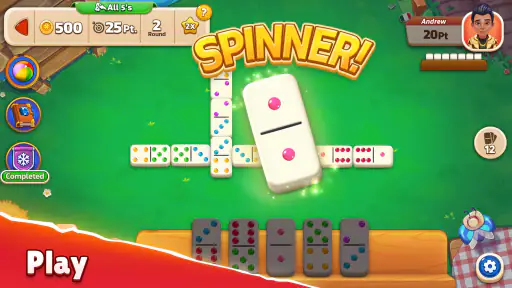
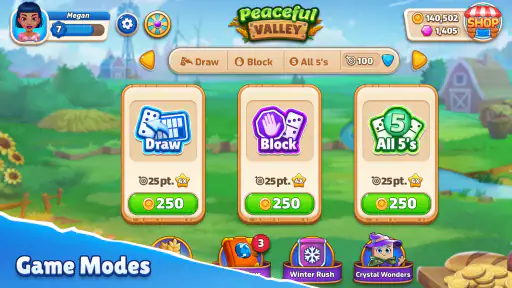






Analysis by Reviewed
Domino Go - Online Board Game is the kind of mobile title I reach for when I want a familiar tabletop activity without setting up a physical set. It is a free board game from Beach Bum Ltd. built around online domino play, and its appeal is easy to understand: the rules are recognizable, the matches are short enough for casual sessions, and the competitive element gives a simple tile game more tension than a solo pastime.
After spending time with it, my view is positive but not uncritical. The basic game is approachable, yet the surrounding progression and purchase options deserve more attention than the cheerful presentation might suggest. You can enjoy it without paying, but the presence of optional purchases ranging from $0.99 to $349.99 per item means I would advise setting a personal spending limit before becoming invested in the longer-term loop.
What playing Domino Go feels like day to day
The strongest part of the experience is its immediate familiarity. If you already know how dominoes work, you can focus on reading the table, choosing when to use a useful tile, and judging whether a risky move is worth taking. If you are new to the game, the central idea is still much easier to grasp than the rules of a more elaborate strategy board game.
I like that this makes the title suitable for small gaps in the day. A quick session can fit into a commute, a coffee break, or the few minutes before bed. It does not demand the same concentration as a long card battler, but it still gives me enough decisions to avoid feeling like I am simply tapping through an automatic sequence.
The online focus changes the mood compared with playing dominoes at home. A physical set is relaxed and social in a very direct way; everyone is sitting around the same table, and conversation is part of the activity. Here, the match is more focused on the board and the outcome. That makes it convenient when friends are not available in person, but it also removes some of the warmth that makes traditional dominoes memorable.
The store presents it as a game for everyone, and that rating fits the accessible nature of the board concept. The app is listed for devices running Android 7.0 or later, so compatibility is broad enough for many older phones and tablets. I would still pay attention to how comfortably the board fits on a smaller screen, because tile readability matters more in a game where one missed detail can affect a decision.
Learning the rhythm instead of memorizing rules
My practical advice for a new player is to spend the first few matches learning the rhythm rather than trying to play perfectly. Watch which values are being opened, notice which tiles are becoming difficult to place, and avoid treating every high-value piece as something that must be played immediately. The useful skill is not simply matching a number; it is keeping future options alive.
One of the less obvious habits that helps is remembering what has already appeared. Even without turning the game into a serious counting exercise, tracking the common values on the table can tell you whether holding a particular tile is sensible. If several matching opportunities have already been used, a tile that looked flexible at the start may become awkward later.
A second helpful approach is to separate defensive play from hopeful play. Sometimes I place a tile because it gives me a strong chance of another move. At other times, I use a less exciting option because it limits the ways the next turn can punish me. That distinction is easy to miss when the interface encourages quick decisions, but it is where the simple board format develops genuine depth.
Progression can make a simple game feel more urgent
Dominoes themselves are calm, but an online game can make each match feel connected to a larger climb. That connection is useful when I want a reason to keep returning, yet it can also create pressure. A loss no longer feels like one isolated round; it may feel like a setback in a sequence I was trying to extend.
This is the point where I recommend taking regular breaks. If I play only because I am trying to recover from the previous result, the decisions become less thoughtful. I start chasing a better outcome rather than enjoying the board. A short pause is especially valuable after a frustrating match, because dominoes can produce unlucky-looking situations even when both players are making reasonable choices.
The free entry point helps keep the first step simple, but optional purchases introduce a different kind of pressure. The available items are priced from $0.99 up to $349.99 individually. That wide range does not tell me exactly how every purchase affects play, so I would not treat spending as a requirement for enjoying the core game. I would also avoid buying anything impulsively during a losing streak.
For families, the Everyone content rating makes the game easier to consider as a general-audience pastime, but I would still use device-level purchase controls if a child might access the app. That is not a criticism of the board game itself; it is a sensible precaution whenever a free mobile title offers in-app items with a high upper price.
Where fairness matters most
For me, a competitive domino game succeeds when the result feels connected to decisions rather than to pressure from the surrounding economy. The board is naturally suited to fair competition because both sides work with the same basic style of play, and a careful player can improve by studying tile availability and timing.
Still, fairness has two layers. The first is the match itself: whether the rules and available moves give both players a reasonable contest. The second is the wider progression: whether someone can feel forced to spend in order to remain comfortable, recover quickly, or keep pace. I can judge the first through play, but I would approach the second cautiously because the purchase range is much broader than the price of a typical one-off board game.
My best recommendation is to treat purchases as optional extras rather than as part of the rules. Decide before playing whether you are willing to spend anything, and if so, choose a small fixed limit that does not change after a loss. This keeps the competitive question in the right place: on the table, not in the urge to undo a disappointing result.
Another practical fairness tip is to judge your own performance over several sessions instead of one match. Dominoes include uncertainty, and a single poor result does not prove that the opponent was better or that your strategy failed. Looking at repeated decisions gives you more useful feedback than reacting to one unlucky sequence.
How it compares with physical dominoes and other board games
Compared with a physical domino set, this game wins on convenience and access to online opponents. I do not need a table, a second person beside me, or a box of tiles that can disappear under the sofa. That makes it the better option when I want a quick match immediately.
The physical alternative remains better for social gatherings. If the goal is to talk, laugh, and let the game sit in the background, a real set feels more natural. It also avoids the distractions that come with a mobile device and makes the spending question much simpler: buy the set once, then play.
Compared with more complex digital board games, Domino Go is easier to enter and less demanding to learn. I would choose it for a relaxed competitive break, not for a long strategic campaign with elaborate systems. Players who want deep deck construction, extensive customization, or a story-driven board adventure may find the format too focused and repetitive.
That focused design is also its strength. There is no need to understand a large collection of card effects before making a sensible move. The trade-off is that long-term variety depends heavily on whether the match structure and progression continue to feel fresh for you. I enjoyed the clarity, but I can imagine a dedicated strategy player eventually wanting more layers.
Small decisions that improve the experience
I found three habits particularly useful. First, I avoid playing automatically just because a tile fits. A legal move is not always a good move, and preserving a flexible option can matter more than clearing an inconvenient piece.
Second, I pay attention to the shape of the board rather than only my own hand. The open ends influence what can happen next, so a move that looks helpful locally may give the opponent an easy route. Thinking one turn ahead is often more valuable than trying to predict the entire match.
Third, I separate practice sessions from competitive sessions. When I am learning, I deliberately test different approaches and accept that the result may be worse. When I am trying to win, I use the safer decisions I already understand. This prevents every experimental move from feeling like a failure.
There is also a useful everyday scenario for this distinction. Imagine I have ten minutes before an appointment. I would play one relaxed match only if I can leave without being annoyed by an unfinished goal. If I have a longer evening and want to improve, I would play several matches while taking notes mentally on repeated mistakes. The same app can serve both situations, but only if I choose the session length deliberately.
What I would check before spending
The free price makes trying the game straightforward, and the current version is 4.6.4. I would install it, play enough matches to decide whether the board itself is enjoyable, and postpone any purchase until I understand how much of my enjoyment comes from the actual domino decisions.
I would also ask myself whether I am comfortable with the way progress feels. If every session leaves me thinking about rewards, losses, or the next unlock rather than the match, the sensible choice is to keep playing without buying or move on. A purchase cannot fix a gameplay loop that does not suit my habits.
The same caution applies to households sharing a device. I would make sure the person using the phone understands that the game is free to start but includes paid items. The upper end of the listed range is significant enough that accidental taps are worth preventing through the device’s purchase safeguards.
What I would not do is assume that spending automatically makes someone a better domino player. The core tactical questions remain about tile choices, open ends, and reading the table. Money may change the broader experience in ways that depend on the item, but it does not replace understanding the board.
Who should play, and who should skip it
I would recommend it to someone who already enjoys dominoes and wants an online version that is quick to access. It is also a good fit for a casual player who finds elaborate board games intimidating but still wants more thought than a purely luck-based tap game. The broad age rating and free entry make experimentation easy.
I would be more hesitant to recommend it to anyone who dislikes recurring mobile-game progression or who prefers a completely purchase-free environment. The listed in-app purchase range is enough reason to establish boundaries before playing. I would also point physical-domino fans toward a real set if their main goal is conversation and shared time in the same room.
Competitive players should approach it with a clear distinction between improving at dominoes and advancing through the app. Those goals may overlap, but they are not identical. If the board decisions are what attract you, focus on them and treat the surrounding incentives as secondary.
My trust verdict after weighing the trade-offs
The best way to enjoy Domino Go is to keep the match more important than the marketplace. The game has a strong foundation because dominoes are easy to understand but still reward attention. Online access adds convenience, and the free starting price lowers the risk of finding out whether the format suits you.
Its main caution is not the tile game itself. It is the possibility that progression and optional purchases can make a simple pastime feel more urgent than it needs to be. With purchases listed from $0.99 to $349.99 per item, I would use spending controls, decide on a limit in advance, and never buy while trying to recover from a frustrating loss.
Beach Bum Ltd. has made a board game that works best in short, intentional sessions. I would install it for quick online domino matches, learn the table before worrying about progress, and keep expectations realistic about long-term variety. The app has reached over one million installs, carries a 4.5 average from around 43 thousand ratings, and has about 2.2 thousand written reviews, which suggests that many players find the basic idea appealing.
My final recommendation is therefore measured but favorable: try it if you want accessible online dominoes and can ignore the temptation to turn every session into a spending decision. Skip it if you want a one-time purchase with no optional economy or if the social atmosphere of a physical table is the whole point. For everyone in between, the free download gives you a fair chance to test the actual board play before deciding whether it deserves a regular place on your phone.
Domino Go - Online Board Game Frequently Asked Questions
Does Domino Go take up much storage, and should I check anything before installing?
Before installing Domino Go, make sure your device has enough free storage for the game and future updates. It is also sensible to use a reliable internet connection for the download and keep your operating system up to date. Those small checks can prevent installation problems and help the game work as intended once you begin playing.
Can I play Domino Go on both Android and iOS?
Domino Go is a mobile board game, and its availability depends on the app store and device you use. Check the listing for your platform before downloading, and make sure your device meets the operating system requirements shown there. If you play on more than one device, do not assume that progress or purchases will automatically carry over between them.
What is the age rating for Domino Go, and should parents review it?
Domino Go is rated Everyone, making it suitable for a broad audience. As with any online multiplayer game, parents may want to review the game’s social and purchase settings before children play. The familiar domino format makes it accessible to many ages, while online matches may bring players together with people they do not know.
What devices can run Domino Go - Online Board Game?
Domino Go is a board game for mobile devices, with a minimum operating system requirement of Android 7.0. Before downloading, check that your device meets the requirement and has enough available storage for the installation and any updates. Keeping the operating system current can also help the game run smoothly and maintain compatibility with online features.
Who makes Domino Go, and is it intended for all ages?
Domino Go is developed by Beach Bum Ltd. and is rated Everyone, making it suitable for a broad audience. As with any online multiplayer game, parents may want to review the game’s social and purchase settings before children play. The familiar domino format makes it accessible to many ages, while online matches may bring players together with people they do not know.
Pros
- Quick online matches with simple
- accessible domino gameplay.
- A wide range of events keeps the experience feeling fresh.
- Social features make it easy to connect and compete with friends.
- Colorful visuals and smooth animations improve the overall presentation.
- Regular rewards encourage daily play and continued progression.
Cons
- Progress can feel slow without spending money on extra resources.
- Frequent events and offers may make the interface feel cluttered.
- Match outcomes can sometimes depend heavily on luck.
- An internet connection is required for most of the game’s features.
- Some players may find the energy and timer systems restrictive.

- Category
- Board
- Version
- 4.6.4