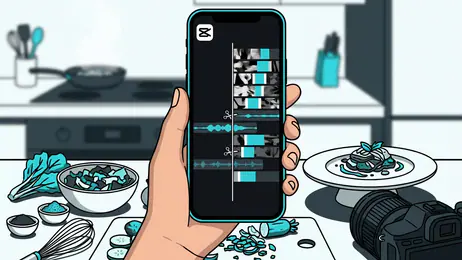
CapCut Power User Guide: Build a Faster, More Repeatable Editing Workflow
CapCut rewards a little setup. Learn the settings, timeline habits, and feature combinations that turn quick phone edits into a repeatable, polished workflow.

CapCut rewards a little setup. Learn the settings, timeline habits, and feature combinations that turn quick phone edits into a repeatable, polished workflow.

A sharp, fast highway racer built around nerve, traffic gaps, and the pleasure of improving one more car. Its best runs are hard to leave unfinished.

Pou is resurfacing because its small, low-pressure routines fit a shareable mobile era. The real test is whether care, customization, and mini-games can keep players coming back.

SHEIN’s edge is not simply low prices. It is a fast, highly renewable stream of discovery that makes a quick browse feel like the start of a new wardrobe.

A close look at how Booking.com guides travelers from a broad search to a confident reservation—and where its busy interface makes recovery harder than it should be.

A practical video player reveals how mobile viewing has become private, portable, and woven into the spare minutes of ordinary life.

A rhythm game lives or dies by recovery as much as reflexes. Piano Fire makes a brisk, colorful loop, but its rough edges matter most after a missed note or interrupted run.

A close look at how quick matches, private rooms and familiar rivalries turn this digital Ludo game into a small, durable social ritual—and where that community has limits.

A capable music service with an unusually strong route into discovery, YouTube Music shows how Google can turn a video habit into control over what listeners hear next.

A familiar streaming app is gaining new weight as Netflix pushes games, live programming, and discovery into the same daily habit. The growth is real, but so are the limits.

A stunt racer built around one deceptively rich decision: how much speed to carry into a jump, and how much control to keep for the landing.

A cheerful dental clinic can teach children to explore care without fear. This game shows how far the category has come—and how much its familiar tap-and-tool formula still leaves untouched.

A familiar storefront earns this week’s pick not through novelty, but through a remarkably useful mix of discovery, comparison, and delivery control.

A familiar anagram loop feels different on modern phones: quick to pick up, easy to pause, and still held back by the limits of its familiar format.

Meet earns its place through practical details: quick links, reliable calls, and fewer steps between deciding to talk and actually talking.

A close look at how Instagram turns Meta’s reach, recommendation systems and everyday camera habits into durable platform power—and what that costs users.

From first account to crowded workday, Gmail earns its place through dependable search and flexible sorting—but its best fit depends on how much inbox maintenance you can tolerate.

Prime Video can make a compelling second home for streaming, but switching means learning a different catalog, rental layer, and route from browsing to playback.

A phone remote earns its place through quick setup and reliable habits. Here is how to get more from Universal TV Remote Control—and where its limits show.

Xiaomi’s weather app makes everyday forecasts quick to scan, but its calm surface can leave useful details and recovery paths harder to find than they should be.

A resilience-focused review of X, examining setup, mistaken posts, interruptions, weak connections, and the gaps that matter when recovery needs to be dependable.

Its raids are quick; its community is a long-term project of coordination, teaching, rivalry, and shared responsibility—with all the friction that entails.

The car interface is no longer judged by how much it can do, but by how quietly it helps. Android Auto shows what drivers now expect—and what still gets in the way.

MobiOffice: Word, Sheets, PDF is redefining mobile productivity with a surprising blend of functionality and innovation.