Yogiyo - Food Delivery
- 307.00
- 3.6
- Installs
- 10.00M
- Price
- Free

Screenshots
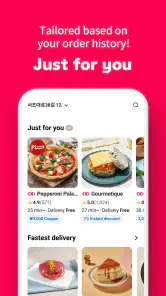
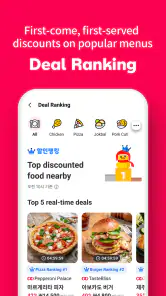
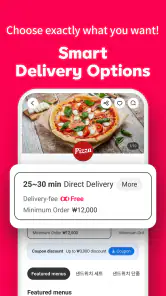
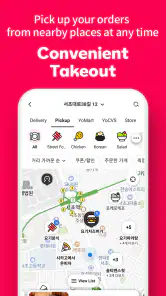




Analysis by Reviewed
When I want delivery, I’m usually deciding between two things: sticking with a familiar meal or using the order as a chance to try somewhere new. Yogiyo - Food Delivery is most useful to me when I want to browse nearby restaurant choices and look for a discount without turning dinner into a long search. It is a free food-and-drink app from Wesang Co.,Ltd., and its central appeal is that it brings restaurant discovery and ordering into one place.
Discounts are most useful when they change the decision
A discount can make a new restaurant worth considering, but I wouldn’t choose a meal on the offer alone. I first narrow down what I actually want, then compare the available options and check whether the final order still feels like good value. That small habit helps avoid the familiar trap of spending more than intended just because something is marked as a deal.
The app has been around since 2012, and its current version is 9.0.1. It has an average rating of 3.6 from around 264,000 ratings and more than 10 million installs. Those figures suggest a widely used service, though they aren’t a substitute for checking whether the restaurants available to you suit your tastes and location. The age rating is Everyone.
Finding a meal without overthinking it
First off, let's talk about what makes Yogiyo - Food Delivery stand out in the crowded field of food delivery apps. The app boasts a user-friendly interface that makes navigating through a plethora of restaurant options a breeze. Whether you're in the mood for spicy Korean BBQ, a fresh sushi roll, or a comforting bowl of pasta, Yogiyo has got you covered.
How browsing and ordering fit into everyday use
When I open a delivery app, I want to move from craving to decision without getting lost in endless browsing. Yogiyo’s search options can help narrow the field by cuisine, restaurant, or dish, which is more practical than scrolling through every listing. If I already know what kind of food I want, searching by dish is a useful shortcut; if I’m undecided, browsing by cuisine gives me room to discover something different.
One of my favorite features is the real-time tracking system. It's almost like watching a thrilling race as you see your order make its journey from the restaurant to your doorstep. This feature not only adds a layer of excitement to the waiting process but also keeps you informed about the exact arrival time of your meal.
Making the discount work for your order
I’d treat promotions as a way to compare choices, not as a reason to order automatically. Look at the restaurant and dishes you would genuinely enjoy first, then see whether an offer makes one option more appealing. This is especially helpful when ordering for a group: people can agree on the type of food before the discount nudges the final choice, rather than letting the deal decide dinner for everyone.
More From Our News Desk

Weather by Xiaomi Review: Clear at a Glance, Less Clear Up Close

X Under Pressure: Can It Recover When Posting Goes Wrong?

Clash of Clans Is Won Between the Battles

Android Auto Makes the Case for Quieter Car Software

MobiOffice: Transforming Mobile Productivity with Seamless Integration

EA SPORTS FC™ Mobile Soccer: Redefining Mobile Sports Gaming
That approach also makes Yogiyo easier to compare with the usual alternatives. Calling a restaurant directly can be simpler when you already know exactly what you want from a particular place. A general delivery app is more useful when you want to compare a broad selection, while Yogiyo’s discount-focused appeal is strongest when you’re willing to weigh a deal against the restaurant and meal itself. I wouldn’t assume every option or promotion will be equally useful for every order.
Choosing between browsing and going direct
The main question I ask is whether I need discovery or certainty. If I have a particular restaurant in mind and want to clarify a dish or request something specific, contacting it directly can be the more comfortable route. If I’m still deciding what sounds good, browsing several choices in Yogiyo gives me a wider starting point. I see those approaches as complementary rather than competing: one helps me explore, the other can suit a settled plan.
For a mixed household, that difference matters. One person may want a familiar meal while another is curious about a new place. I’d settle the broad choice first—such as cuisine or style of meal—then use listings and offers to compare candidates. It keeps the decision from becoming a contest over whichever restaurant happens to show a promotion first.
Why Choose Yogiyo?
Now, you might be wondering, "What makes Yogiyo different from other apps out there?" Well, let me spill the beans. The app offers a wide variety of restaurants, from local favorites to well-known chains, ensuring there's something for everyone. The ability to search by cuisine, restaurant name, or even specific dishes makes it incredibly convenient to find exactly what you're craving.
Moreover, Yogiyo frequently updates its restaurant listings and promotional offers, so there's always something new to try or a deal to snag. And let's not forget about the easy payment options, including cash, card, and mobile payments, making the checkout process as smooth as silk.
A realistic dinner decision
Picture a weeknight when I finish late, have no plan for dinner, and want something more satisfying than another quick snack. I can search for a familiar dish, compare restaurants that serve it, and then consider whether a promotion makes trying a different place worthwhile. Once I’ve chosen, tracking gives me a way to follow the order rather than repeatedly wondering where it is. The useful part is the whole chain—from narrowing the craving to monitoring delivery—not any one screen in isolation.
For a repeat order, I’d keep the process simple and choose what I already know I like. For a first-time restaurant, I’d spend more time comparing the available choices and reading other diners’ ratings where shown. That extra pause matters because a discount does not tell me whether a dish matches my taste, and one person’s review may not predict my own experience.
Small choices that make browsing more useful
When I’m short on time, I find it helps to decide on a dish before opening a list of restaurants. That turns a broad browse into a comparison between places that might actually suit dinner. When I have more time, I can reverse the process and look for a restaurant that seems appealing, then scan its menu for something I’d genuinely order. Either way, having a starting point is more useful than tapping through listings without a plan.
I’d also separate the meal decision from the value check. First I ask whether I want the food; then I decide whether the offer improves the choice. This is a small but practical safeguard against adding extra items or switching to a less appealing meal just to make a deal seem worthwhile. For an order shared with others, agreeing on the broad meal first can save more time than trying to find one promotion everyone happens to like.
Personal Experience
Using Yogiyo for the first time, I was pleasantly surprised by how intuitive the app was. I decided to order from a new Korean place I'd been eyeing, and the entire process from selection to payment was seamless. The food arrived hot, fresh, and exactly within the estimated time the app provided. It was like having a restaurant experience right in my own living room.
Another thing I appreciate is the review and rating system. It feels like a community where fellow food lovers share their honest opinions, helping you make informed decisions. Plus, the customer service is responsive and ready to assist with any inquiries or issues, which is always a bonus.
What to check before placing an order
For an unfamiliar restaurant, I’d look beyond a single overall rating and read comments that speak to the dish I’m considering. A broad score can help flag a place for a closer look, but it cannot tell me whether a particular menu item fits my preferences. I also like to pause at checkout and review what I’ve selected, especially if I started with a promotion; that is where I can make sure the order still reflects the meal I wanted rather than the offer I noticed.
Payment choice can also shape how convenient the final step feels. The app supports cash, card, and mobile payments, so I can use the method that suits my situation instead of treating one checkout route as the only option. That flexibility is useful, but it doesn’t remove the need to check the order details before confirming. A quick review is a better habit than assuming every selection carried over exactly as intended.
Where I’d be cautious
Delivery still involves choices and trade-offs: a tempting offer is not automatically the best meal, and browsing can take longer when I have no idea what I want. I also wouldn’t rely on tracking to remove all uncertainty; it helps me follow an order, but it can’t make the food arrive instantly. For someone who prefers to arrange every detail directly with a restaurant, or who already has a dependable ordering routine, opening another app may add an unnecessary step.
I’d also be selective about using ratings. They’re helpful as a quick signal when comparing unfamiliar restaurants, but I look for comments relevant to the specific food I’m considering rather than treating a score as a guarantee. In practice, combining a dish search, a quick review check, and a final look at the offer is a more dependable decision process than choosing the first discounted listing.
Where the trade-offs show up
The biggest limitation for me is that convenience depends on having useful choices nearby. A well-organized app cannot make a listing relevant if its restaurants don’t match my location, taste, or timing. That is why I’d check what is available before building dinner around a particular offer. If the selection doesn’t fit, going directly to a restaurant I already trust—or choosing another way to arrange food—may be less frustrating than continuing to browse.
There is also a difference between seeing an estimated arrival and knowing exactly when dinner will be at the door. Tracking is reassuring because it gives me something to follow, but I treat it as guidance rather than a promise that removes waiting. If I’m planning around a tight schedule, I’d avoid assuming a delivery app can make the timing certain. The service works best when I have some flexibility and want the convenience of placing and following an order in one place.
Who gets the most from it
I think Yogiyo suits people who like having restaurant options in one place, enjoy discovering new dishes, and are happy to compare offers before ordering. It can be especially handy when a household is split between familiar favorites and the urge to try something new. People who order the same meal from the same restaurant every time may be better served by their existing routine, while anyone who values direct communication with a restaurant above browsing and deal discovery may prefer ordering another way.
It is also a reasonable fit for someone who wants a practical middle ground: more choice than simply calling the nearest familiar restaurant, but a clearer route to a decision than searching across unrelated sources. I would not recommend it as a reason to order more often or spend more. Its value is in helping me compare what is available when I already want delivery, not in turning every craving into an occasion to chase a discount.
What I’d expect as a new user
A first-time user can approach it without a complicated plan: choose a dish or cuisine, compare the relevant restaurant options, look at comments for context, and decide whether a promotion genuinely improves the order. That answers the practical question of how to start without requiring a deep tour of every screen. If the goal is simply to repeat a meal from a known place, there may be little reason to explore much beyond the restaurant and menu that already work for you.
The app is free and rated for Everyone, which makes trying it a low-commitment option for people who want to see whether its restaurant selection is useful in their area. The important distinction is that a broad audience does not guarantee the same experience for every user: location and personal preferences determine whether the available choices are a good match. I’d judge it by a couple of real ordering decisions rather than by its popularity alone.
Yogiyo is a sensible option when convenience, choice, and discounts all matter, but I’d use the offers thoughtfully and let the meal—not the promotion—lead the decision. Its large audience gives it visibility, while its 3.6 average rating is a reminder to judge the experience by the restaurants and orders that fit your own needs. For a flexible dinner search, I’d be glad to have it ready; for a very specific order, I’d compare it with going straight to the restaurant.
A measured recommendation
In a world where convenience is king, Yogiyo is a useful option for people who like comparing food choices before ordering. Its combination of browsing, offers, and order tracking gives me a practical way to move from an idea for dinner to a placed order, while the range of restaurants makes discovery part of the appeal. I would not call it the right choice for every meal: a direct order can be better when I know exactly what I want, and no discount can replace choosing food I actually enjoy.
So, next time you're contemplating what to have for dinner, give Yogiyo a go. Who knows, you might just discover your next favorite dish!
Yogiyo - Food Delivery Frequently Asked Questions
Is Yogiyo suitable for someone who mainly wants to browse food delivery options?
Yogiyo is a Food & Drink app focused on food delivery. It can be useful for browsing restaurant options and menus as well as placing an order, and its description highlights discounts. If you are deciding whether to install it, consider whether you want an app for exploring delivery choices and offers, rather than a general recipe or grocery app.
Who develops Yogiyo, and what is its age rating?
Yogiyo is developed by Wesang Co.,Ltd. and has an Everyone content rating, so it is presented as suitable for a broad audience. The app has been available since 2012 and has reached more than ten million installs. Those details can help you identify the app and its publisher when choosing where to download it.
Is Yogiyo free to download, and what should I know before installing it?
Yogiyo is free to download and is a Food & Drink app developed by Wesang Co.,Ltd. It is rated for Everyone and requires Android 7.0 or later on Android devices. Before installing, consider whether you want a food delivery app for browsing restaurants, ordering meals, and exploring discounts. The app has an average rating of 3.6 from around 264,000 ratings, so individual experiences may differ.
Can I use Yogiyo on both Android and iOS?
Yogiyo is a food delivery app, and the version and device requirements can depend on the platform you use. On Android, it requires version 7.0 or later, and its current version is 9.0.1. If you are using an iPhone or iPad, check the app’s availability and compatibility in the relevant app store before downloading so you can confirm it works with your device.
What is Yogiyo and how does it work?
Yogiyo is a popular food delivery app that connects users with a wide range of local restaurants and eateries. After downloading the app, users can browse through various menus, place orders, and have their desired meals delivered right to their doorstep. Yogiyo offers a user-friendly interface, making it easy to search for specific cuisines, track orders in real-time, and make secure payments. It's a convenient solution for anyone looking to enjoy restaurant-quality food at home.
Pros
- Wide variety of restaurant options
- User-friendly interface
- Fast delivery service
- Real-time order tracking
- Multiple payment options
Cons
- Limited delivery areas
- Occasional order delays
- High delivery fees
- Inconsistent customer support
- App crashes occasionally
- Category
- Food & Drink
- Version
- 9.0.1