Wagotabi: Learn Japanese
- 164.00
- 4.9
- Installs
- 10.00K
- Price
- $4.99

Screenshots

Analysis by Reviewed
When I want Japanese practice to feel less like a worksheet and more like a small journey, I look for lessons that give words a setting and a reason to stick. Wagotabi: Learn Japanese takes that route: it is an education app from Wagotabi Ltd built around learning in a Japan-inspired game experience. I’d consider it for a beginner who needs a friendly nudge to practise, or for a traveler who wants to get more comfortable with everyday language before a trip.
How the game format changes a study session
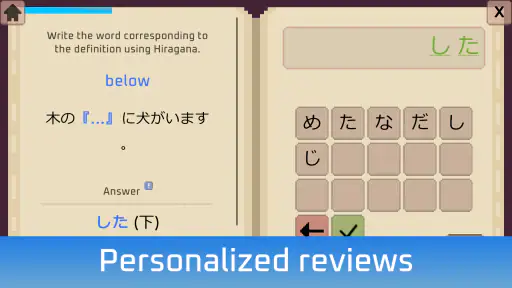
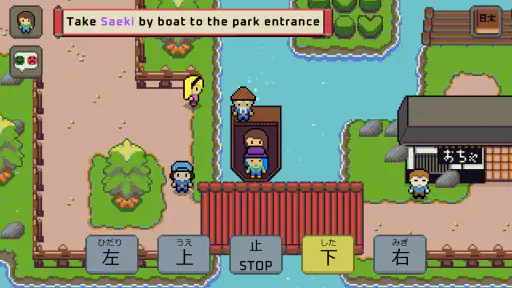
The main trade-off is that a game gives practice a sense of movement, while a conventional flashcard app tends to make review more direct. That difference matters when I have a few spare minutes and need a reason to begin. I can treat a short session as a small step through the setting rather than another block of isolated vocabulary. The approach is especially appealing if plain drills make it hard to stay interested; it may be less suitable if I want a tightly organized grammar reference or an efficient list of words to memorize.
For a realistic routine, I’d open it during a quiet part of my commute or after dinner, focus on one lesson, then pause to recall a phrase without looking. That final recall is useful: recognizing an answer in a game is not the same as producing it when speaking. I’d pair the app with occasional out-loud practice, especially for travel phrases, rather than assume that tapping through a lesson alone will make conversation effortless.
Where it fits among Japanese-learning options
Against a standard language course, the game setting can make practice feel more inviting, while a textbook or grammar-focused resource may explain sentence structure in greater depth. Compared with flashcards, Wagotabi offers more context, but a deck can be quicker when I only want to revisit a specific set of words. I see it as a useful way to build a habit and encounter Japanese in context, not a complete replacement for listening practice, writing, or a reference that answers detailed grammar questions.
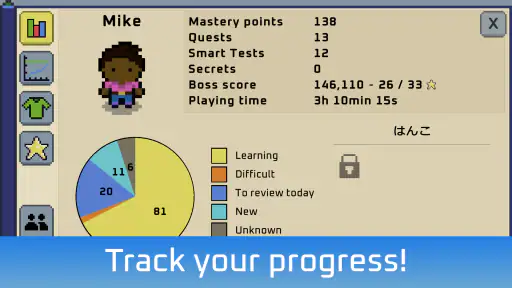
That distinction also helps set expectations about progress. If I’m starting from scratch, a guided sequence can make the first steps feel manageable. If I already know the basics, I’d judge its value by whether the lessons still give me a worthwhile challenge, rather than choosing it solely because it is presented as a game. The best fit is someone who enjoys learning through a setting and can add other kinds of practice when needed.
Why Wagotabi Stands Out
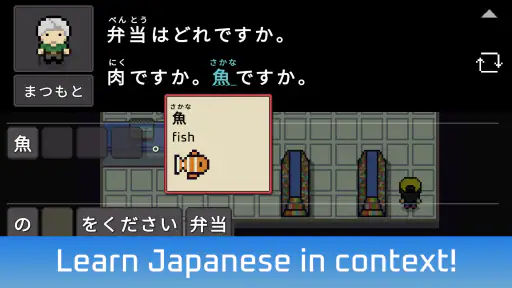
First off, Wagotabi: Learn Japanese isn’t your run-of-the-mill language app. It’s specially designed to keep you engaged with its interactive lessons and the incorporation of cultural tidbits that make learning not just effective, but also super fun. You won’t just be learning words and grammar; you’ll be diving into the heart of Japanese culture, which is pretty rad if you ask me.
Interactive Lessons
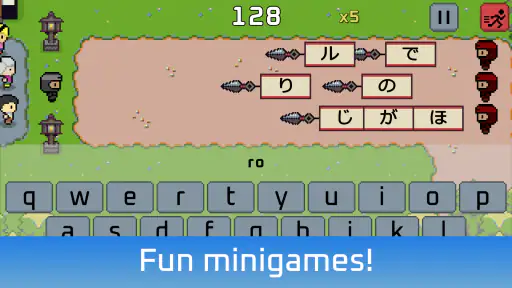
So, what’s the scoop on these lessons? Well, they’re structured in a way that gradually builds your skills. You start with the basics, like greetings and common phrases, and work your way up to more complex conversations. And hey, the app even throws in quizzes and mini-games to test your knowledge. It’s like having a pocket-sized Japanese teacher who’s always ready to give you a pop quiz.
More From Our News Desk

Clash of Clans Is Won Between the Battles

Android Auto Makes the Case for Quieter Car Software

MobiOffice: Transforming Mobile Productivity with Seamless Integration

EA SPORTS FC™ Mobile Soccer: Redefining Mobile Sports Gaming

How Microsoft OneDrive Became a Mobile Productivity Giant

How Google Translate Breaks Language Barriers Effortlessly
My practical tip is to slow down when a quiz feels easy. Before choosing an answer, try to say the phrase aloud or remember what situation it might suit. That small extra step turns recognition into retrieval, which is closer to what I need when asking for help or greeting someone in real life. If I’m studying while distracted, I’d keep the goal modest: one focused lesson is more useful than rushing through several without remembering them.
Cultural Immersion
One of my favorite parts about Wagotabi is how it weaves in cultural elements. As you learn, you’ll come across fascinating facts about Japanese customs, festivals, and even food. It’s not just about speaking the language; it’s about understanding the context behind the words. This makes the learning process feel less like studying and more like an adventure.
That context is a particularly good reason to use it before a trip: I can connect a phrase with the kind of social situation where it might matter, rather than treating every expression as interchangeable. Still, cultural notes are a supplement, not a substitute for learning how politeness and context affect what I say. I’d use them as prompts to stay curious and check my assumptions, especially if I’m preparing for conversations beyond basic greetings.
User-Friendly Interface
I’m all about apps that are a breeze to navigate, and Wagotabi doesn’t disappoint. The interface is clean and intuitive, so you spend less time figuring out where to tap and more time actually learning. Plus, the vibrant visuals keep things visually appealing, which is always a bonus when you’re staring at a screen for a while.
On speed and device demands, I would keep expectations practical: a visually rich game may feel different from a plain text vocabulary tool, and the experience can depend on the device in hand. I wouldn’t choose it specifically for the lightest possible study session if my phone is older or short on room; a basic flashcard routine may be a simpler alternative. The app is rated for Everyone, costs $4.99, and its current version is 1.00.0112, so I’d check that my device can run it before buying. Its minimum OS requirement is 7.0.
Access and reliability in a routine
And let’s talk about the app’s offline mode. Whether you’re catching a flight or riding the subway, you won’t need to worry about losing access to your lessons. It’s a lifesaver for those of us who are always on the go.
Offline access is most useful when I plan ahead: I’d open the app before leaving, confirm the lesson I want is ready, and avoid relying on a signal during a commute. That is a small workflow, but it reduces the chance that a study plan gets derailed at the moment I have time to practise. If anything interrupts a session, I’d simply return when convenient and keep the next goal small rather than trying to recover a long study streak all at once.
Wagotabi has an average rating of 4.9 from around 3.2 thousand ratings, with over 10 thousand installs and 164 written reviews. Those figures suggest it has found an audience, but I’d still decide based on whether its game-led lessons suit the way I learn. It was released on October 1, 2024, and the price makes it worth asking whether I’ll use the format regularly rather than treating one purchase as a shortcut to fluency.
Making the lessons useful beyond the screen
I’d get the most out of the game by attaching each session to a small, practical goal. Before a trip, for example, I might practise a greeting and then try to recall it later without prompts. At home, I could choose one phrase from a session and write it in a notebook with a situation where I might use it. These habits do not require a complicated study plan; they simply stop the game from becoming a sequence of answers I recognize only while they are on screen.
For a busy day, the useful question is not whether I can complete a long session, but whether I can give the material my attention. A short, focused visit during a quiet commute can work better than opening the app while juggling messages or conversation. If the surroundings are noisy, I’d use the time for recognition and revisit speaking practice later. That division makes the routine more forgiving without pretending that every spare minute is equally good for language learning.
Another sensible trade-off is to keep a separate note of questions that arise. A game can introduce a phrase in context, but I may still wonder why one form is used instead of another or how a sentence changes in a different setting. Rather than interrupting every lesson to chase an explanation, I’d jot down the question and look it up in a grammar resource afterward. That keeps the playful pace intact while giving more technical doubts the attention they need.
Who is likely to enjoy it
I’d recommend trying this approach if you are new to Japanese and find a page of vocabulary hard to return to, or if you enjoy games enough that progress through a setting feels motivating. It also makes sense for a traveler who wants a more engaging way to meet basic expressions and cultural context before leaving. The purchase is easier to justify when you expect to use it repeatedly as part of a routine, rather than looking for a one-off crash course.
On the other hand, I would skip it as my main resource if I needed a deep grammar syllabus, extensive writing instruction, or detailed feedback on spoken Japanese. Someone who already studies consistently with flashcards may prefer the speed and control of their own deck for targeted review. And if I’m only interested in a quick reference for a word, a dictionary-style tool is a more direct fit. The game’s appeal is its learning experience, not a promise to replace every other tool.
That also answers a common practical question: can I learn Japanese with it alone? I would not rely on any single game-led app for every skill. I’d use it to make practice inviting and to build familiarity, then add listening, speaking aloud, and a grammar reference according to my goals. For a traveler, those additions can be modest; for someone aiming at broader fluency, they need to be a regular part of the plan.
What to expect from performance and access
In terms of speed, I’d expect a game with visual presentation to feel less like an instant, bare-bones flashcard session. That is not automatically a drawback: the setting is part of why the format may hold my attention. It does mean I would choose a quiet moment and give the lesson enough focus, rather than opening it only when I need the fastest possible lookup. I can’t assume every phone will feel identical, so I’d pay attention to how it runs on my own device before making it a central part of a daily routine.
For heavier use, such as several lessons in one sitting, I’d take a pause between sections to recall what I have just learned instead of pressing onward simply because the game lets me continue. That is both a study tip and a way to keep a longer session from feeling like screen time without retention. If the experience feels slow or distracting on a particular device, shorter visits are a reasonable adjustment; for quick repetition, a lightweight word list may be more comfortable.
Reliability matters most when I have planned a brief study window. The offline option can help during travel, but I’d prepare before leaving rather than assume that every lesson is ready without checking. If a session is interrupted, I would treat it as a normal pause, return when convenient, and review the phrase I was working on. This low-pressure approach is more sustainable than tying progress to an uninterrupted block of time.
The app is made by Wagotabi Ltd, is in the education category, and is rated for Everyone. It has a 4.9 average and more than 10 thousand installs. Those details make it a visible option for learners, but they do not tell me whether its format will suit my habits. I’d make that decision by asking whether a Japan-themed game encourages me to practise more often than a conventional course does.
Final Thoughts
In a nutshell, Wagotabi: Learn Japanese is a gem for anyone serious about learning Japanese. It’s engaging, informative, and, most importantly, effective. Whether you’re planning a trip to Japan or just want to expand your language horizons, this app is worth checking out. So why not give it a whirl and see how quickly you can master those hiragana and katakana characters? Trust me, your future travels will thank you!
My recommendation comes with a clear boundary: choose it if a playful setting and cultural context will help you return to practice, and look elsewhere or add a different resource if you need detailed grammar explanations, intensive speaking feedback, or very fast targeted review. I’d use Wagotabi as one part of a realistic learning routine—short, focused sessions, a little spoken recall, and a more direct reference when a question needs a fuller answer. That combination makes its strongest qualities more useful without asking the game to do every job.
Wagotabi: Learn Japanese Frequently Asked Questions
What does Wagotabi: Learn Japanese cost, and what should I know before downloading it?
Wagotabi: Learn Japanese is an educational app built around learning Japanese through an immersive game set in Japan. It costs $4.99, so it is a paid download rather than a freemium app. Its Everyone content rating makes it suitable for a broad audience. If you are looking for a language-learning experience presented as a game, this format may be a good fit.
What is Wagotabi: Learn Japanese, and how does it help users learn Japanese?
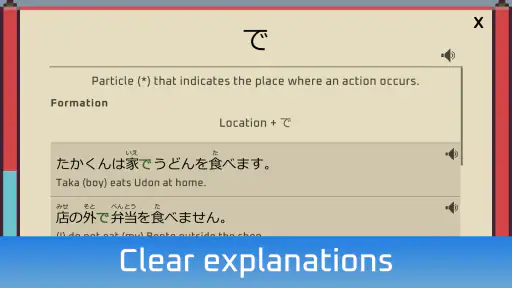
Wagotabi: Learn Japanese is an innovative language learning app designed to help users master Japanese through interactive lessons, engaging activities, and immersive cultural insights. The app offers a comprehensive approach, combining vocabulary building, grammar lessons, and practical conversation exercises to enhance language proficiency and boost confidence in speaking Japanese. Its game setting in Japan gives the learning experience an immersive educational framing.
Is Wagotabi suitable for beginners, or is it more geared towards advanced learners?
Wagotabi is designed to be user-friendly for learners of all levels, including beginners. It provides a structured learning path starting with basic vocabulary and grammar, gradually progressing to more complex topics. Advanced learners can benefit from specialized content and challenging exercises that focus on improving fluency and understanding of nuanced language aspects. Beginners who prefer learning through a game may find this format more inviting than a traditional study routine.
Does Wagotabi offer any cultural insights or additional resources for learning Japanese beyond language skills?
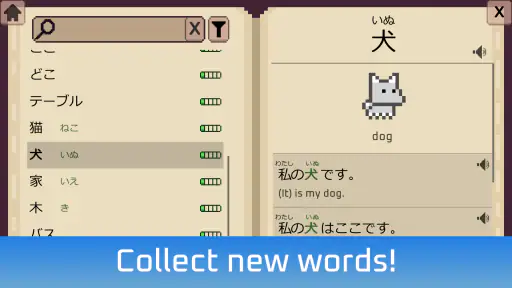
Yes, Wagotabi goes beyond traditional language learning by integrating cultural insights and context into its lessons. Users can explore Japanese customs, traditions, and etiquette, which are vital for understanding the language in context. The app also includes supplementary resources like quizzes, flashcards, and audio pronunciations to reinforce learning and provide a holistic educational experience. The setting in Japan further supports its immersive approach to studying the language.
What operating system does Wagotabi support, and what is its current version?
Wagotabi: Learn Japanese is available for Android devices running Android 7.0 or later, and its current version is 1.00.0112. Before downloading, check that your device meets the minimum operating-system requirement so the app can run as intended. The app is published by Wagotabi Ltd and is categorized as an education app, with its lessons presented through an immersive game set in Japan.
Pros
- Engaging lessons make learning fun.
- User-friendly interface enhances usability.
- Interactive exercises improve retention.
- Customizable learning pace suits all users.
- Audio support aids pronunciation practice.
Cons
- Limited offline access may hinder use.
- In-app purchases can be costly.
- Requires stable internet connection.
- Content may be too basic for advanced learners.
- Some features locked behind paywall.
- Category
- Education
- Version
- 1.00.0112











