Uthrive: Rewards & Cashback
- 87.00
- 4.2
- Installs
- 10.00K
- Price
- Free

Screenshots
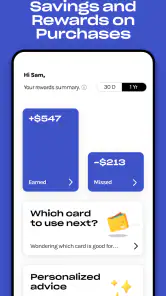
Analysis by Reviewed
I found Uthrive: Rewards & Cashback most useful as a quiet companion to the credit cards I already use, rather than as a complete personal-finance system. Its central idea is simple: help me notice available card rewards and cashback opportunities before I pay. That makes it appealing for people who regularly use credit cards but do not enjoy checking every issuer app, offer page, and rewards category by hand.
My overall view is positive, with an important qualification. This is a tool for improving awareness and reducing missed opportunities, not a reason to spend more or open a card that does not suit your finances. When I treated it as a reminder layer, it felt practical. When I expected it to replace careful budgeting or provide a guaranteed return on every purchase, the experience became less convincing.
How Uthrive fits into everyday money decisions
Uthrive sits in the finance category and is developed by Uthrive.club. It is free to install, carries an Everyone age rating, and has reached over ten thousand installs. The app has a 4.2 average from around two hundred eighty ratings, which suggests a generally favorable reception while also reminding me that it is still a relatively small product compared with the biggest financial apps.
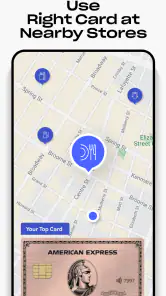
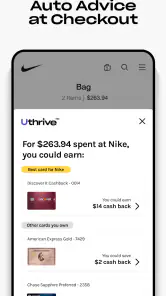
The app’s appeal is the possibility of unlocking more value from cards I already own. Instead of making me search manually for every promotion, it is designed around automatically activating offers and helping maximize card rewards. That wording matters: the benefit depends on the offers available, the cards connected to the experience, and whether I actually use the right card at the right time.
A realistic example is a normal grocery run. I might have several cards in my wallet, each with a different rewards structure. Without a reminder, I would probably use whichever card was easiest to reach. With Uthrive in my routine, I could check whether a relevant offer is active before paying, then choose the card that makes sense. The savings are not dramatic on every transaction, but the process can become worthwhile when repeated across regular purchases.
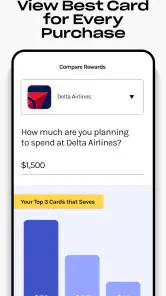
I also see value before planned spending. If I am arranging a hotel booking, buying household equipment, or ordering a gift, I can review the available reward opportunities before committing. That small pause is more useful than discovering an offer after the purchase has already cleared. The app’s strongest contribution is therefore behavioral: it encourages me to check first.
The practical strength is reducing forgotten offers
Most people do not lose rewards because they reject them deliberately. They lose them because issuer apps bury promotions, activation steps are easy to overlook, or several cards create too much mental clutter. Uthrive addresses that particular friction by putting the offer-activation idea closer to the purchase decision.
More From Our News Desk

Clash of Clans Is Won Between the Battles

Android Auto Makes the Case for Quieter Car Software

MobiOffice: Transforming Mobile Productivity with Seamless Integration

EA SPORTS FC™ Mobile Soccer: Redefining Mobile Sports Gaming

How Microsoft OneDrive Became a Mobile Productivity Giant

How Google Translate Breaks Language Barriers Effortlessly
I especially like the distinction between having a reward available and remembering to use it. A card may technically offer cashback, but that does not help if I choose another card at checkout. An app that surfaces the opportunity at the right moment can be more valuable than a complicated rewards chart that I never consult.
There is also a useful discipline in seeing rewards as an optimization problem rather than as free money. Before using an offer, I would still check whether the purchase is necessary, whether another card has a better base reward, and whether the offer has conditions. That extra comparison prevents the common mistake of spending simply because a discount or cashback label appears.
One non-obvious way to use the app is as a pre-purchase checklist for recurring expenses. I can review upcoming bills, subscriptions, travel plans, or larger household purchases and decide which card should handle each category. This works better than trying to remember every reward rule during a busy checkout. The app becomes a planning aid, not just a place to browse promotions.
Where the experience needs personal judgment
Automatic offer activation sounds convenient, but it does not remove the need to read the offer details. Activation is not the same as eligibility, and an activated offer is not the same as earned cashback. I would still look for spending limits, merchant restrictions, expiration conditions, and any requirement that the purchase be made with a particular card.
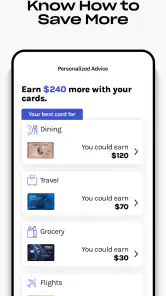
This is also why I would not judge the app solely by the headline promise of more than four hundred dollars in potential cashback. That figure describes an opportunity pool, not a personal result. My actual return depends on the cards I have, where I shop, how often I use eligible merchants, and whether I meet each offer’s terms. Someone with a narrow spending pattern may see much less value than someone whose regular purchases line up closely with available promotions.
The app can help me find opportunities, but it cannot make an unsuitable card suitable. If a card has an annual fee, high interest, awkward redemption rules, or rewards that do not match my habits, a single offer should not change the decision. I would never carry a balance or buy something unnecessary to chase cashback. Interest charges can overwhelm a small reward very quickly.
Another trade-off is attention. A rewards tool saves time when it replaces scattered checking, but it can create more notifications and more decisions if I let every offer influence my shopping. I get the best experience by checking it at deliberate moments: before a planned purchase, during a weekly money review, or when a recurring expense is due. Constantly monitoring minor promotions would make the process feel like work.
What I would do before connecting it to my routine
I would begin with the cards I use most often, rather than trying to organize every financial product at once. That makes it easier to learn how the app presents offers and to notice whether its suggestions fit my actual shopping habits. After a short trial period, I could decide whether adding more cards would genuinely improve the results or simply add noise.
I would also keep a simple record of activated offers and completed purchases. This is not because the app is necessarily difficult to use; it is because cashback systems can become confusing when several promotions overlap. A short note with the merchant, card, and expected reward gives me a way to check whether the result matches my expectations.
One useful workflow is to separate “planned” and “incidental” spending. For planned purchases, I can compare offers carefully and choose the best eligible card. For incidental purchases, I should not delay a necessary transaction or change my budget just to capture a small reward. This distinction keeps the app from turning ordinary spending into a constant optimization exercise.
I would also review my card statement after the offer period ends. That step is easy to skip, but it tells me whether the reward actually posted and whether the purchase qualified. If something looks different, I have a clear transaction to investigate instead of relying on memory. The app can surface an opportunity; my statement remains the final practical check.
Who will get the most from it
Uthrive is a good match for someone who already uses credit cards responsibly and has more than one rewards program to manage. It is particularly suitable for people who make regular purchases across different merchants and often realize afterward that another card or offer would have been better.
It may also suit a busy household where one person handles most purchases but several cards are available. A shared routine can reduce the chance that a useful offer is forgotten, although I would still keep the decision-making simple. The best system is one people will actually follow, not one with the most elaborate reward combinations.
People who enjoy optimizing travel points, rotating categories, and merchant promotions may appreciate having another place to organize those opportunities. The app is also worth considering for a newcomer who wants to become more deliberate about card rewards without building a spreadsheet immediately.
On the other hand, I would skip it if I use one basic card, rarely shop at participating merchants, or prefer a completely hands-off financial routine. If checking offers feels more stressful than useful, the likely return may not justify the extra attention. The same applies to anyone who is trying to reduce credit-card spending: a cashback app can be counterproductive if it encourages purchases that were not already planned.
I would also choose a different kind of finance app if my main goal were budgeting, bill tracking, investment management, or monitoring a bank account. Uthrive’s focus is rewards and cashback. It should complement those tools, not be mistaken for a full overview of personal finances.
Cost, version, and what to expect
The app is free to download, although in-app purchases range from ten cents to $69.99 per item. That makes it important to understand what is available at no cost and what may require payment before treating the app as a long-term rewards tool. I would begin with the free experience and only consider spending money if the added value is clear in my own use.
The current version is 2.3.7, and the app supports devices running Android 6.0 or later. Those requirements make it accessible to many older Android phones, which is helpful for users who do not upgrade frequently. Still, compatibility alone does not guarantee that every phone will feel equally smooth, so I would pay attention to how comfortably offers can be reviewed during normal shopping.
Because this is a finance app, I would approach setup with more care than I would for a casual shopping utility. I would read each connection and permission screen, use a strong device lock, and avoid sharing more information than the service needs for the functions I intend to use. Convenience is valuable, but financial tools deserve a slower initial setup.
The developer’s focus gives the product a clear identity: it is built around helping users get more from card rewards rather than trying to become an all-purpose banking dashboard. That focus is a strength when I want offer discovery, but it also defines the boundary of the app. I should not expect it to solve debt, budgeting, or broader money-management problems.
My verdict after weighing the trade-offs
What makes Uthrive worthwhile is not the promise that every purchase will produce a large reward. Its real strength is helping me remember opportunities that would otherwise disappear in issuer apps or in the back of my mind. Automatic activation and offer discovery can make a fragmented rewards routine easier to manage, especially when I already have several cards and predictable spending categories.
The meaningful weakness is that the app cannot turn complicated reward conditions into guaranteed savings. I still need to read terms, choose the correct card, verify the result, and keep spending aligned with my budget. Users looking for effortless money back may become disappointed if they interpret potential cashback as an assured personal return.
My recommendation is specific: try it if you are a responsible card user who wants a practical reminder system for offers and cashback. Use it before planned purchases, keep a record of important activations, and check your statements afterward. Skip it if you are trying to simplify your finances to one card, avoid promotional distractions, or need a complete budgeting platform.
In the end, I see Uthrive as a useful layer between card issuers and everyday shopping. It earns its place when it saves me from forgetting an offer without pushing me toward unnecessary spending. Use it as a reward-checking assistant, not as a spending excuse, and its free starting point makes it reasonable to test against your own habits.
Uthrive: Rewards & Cashback Frequently Asked Questions
What devices can run Uthrive: Rewards & Cashback?
Uthrive: Rewards & Cashback is a finance app for Android, with support starting from Android 6.0. Before downloading, check that your device meets this requirement and has enough space for the installation. The app is free to download, though in-app purchases are listed, so review any purchase prompts carefully before confirming them.
What is Uthrive: Rewards & Cashback, and how does it work?
Uthrive: Rewards & Cashback is a rewards application that helps users earn benefits from eligible purchases, offers, and participating brands. After creating an account, you can browse available opportunities, follow the required steps, and receive cashback or rewards when the transaction is properly tracked. The exact earning options, rates, and conditions may vary depending on your location and the current promotions shown in the app.
How do I earn cashback and rewards with Uthrive?
To earn cashback, open Uthrive before making a purchase and review the available offers carefully. Select an eligible retailer or promotion, follow the link or instructions provided, and complete the purchase under the stated terms. Some offers may require a minimum spend, specific products, or a particular payment method. Purchases made outside the tracked process, with blocked cookies, or after using incompatible coupons may not qualify.
When will my cashback or rewards become available?
Cashback is not always credited immediately. Uthrive may first mark a transaction as pending while the retailer confirms that the purchase was completed, not returned, and not canceled. The confirmation period can differ significantly between merchants and offer types. Before relying on a reward, check the transaction status, estimated processing time, minimum redemption requirements, and any expiration rules displayed in the app.
How can I redeem my Uthrive rewards or cashback?
Redemption options depend on the rewards available to your account and the country in which you use Uthrive. Typically, you must reach a minimum balance and provide accurate account or payment details before requesting a payout or reward. Review the applicable instructions, processing times, and possible restrictions inside the app. Never submit duplicate requests, and contact support if a completed transaction or redemption does not appear correctly.
Pros
- Earn cashback and rewards from participating brands and purchases.
- Simple interface makes browsing offers and tracking rewards easy.
- Personalized deals can help users discover savings on regular purchases.
- Rewards may include gift cards
- discounts
- or other useful redemption options.
- Free to download and use
- with no subscription required for basic access.
Cons
- Offer availability may depend heavily on your location and selected retailers.
- Some rewards can require a minimum balance before they can be redeemed.
- Cashback tracking may take time to appear after a qualifying purchase.
- Terms
- exclusions
- and expiration dates can vary between individual offers.
- Users may need to share shopping or personal data to receive tailored deals.
- Category
- Finance
- Version
- 2.3.7