Urdu Poetry اردو شاعری
- 8.00
- 4.4
- Installs
- 1.00M
- Price
- Free

Screenshots

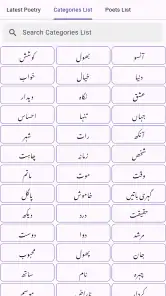
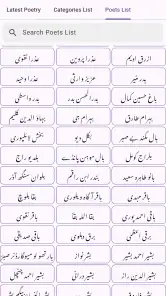
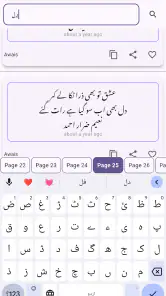



Analysis by Reviewed
I tend to reach for Urdu poetry when I want a few thoughtful lines rather than another stream of fast-moving posts. Urdu Poetry is a reading and sharing app from Namal Soft, aimed at people who want shayari close at hand. It is free, rated for Everyone, and sits in the libraries and demo category. Its appeal is straightforward: a dedicated place to browse verses, return to favorites, and pass a line along when it says something better than I could.
Finding a comfortable way in
Before settling into a reading habit, I’d check that Urdu script is comfortable to read on my device and that I can enter names or search terms in a form the app recognizes. This matters most for readers who switch between Urdu and Romanized spellings: trying the script or spelling used in the verse can be more effective than repeating the same search. I’d also begin with one familiar poet or phrase, then branch out once I understand how the collection is organized.
If I am sharing a poem with someone who does not read Urdu fluently, I would treat the message itself as part of the experience. A short explanation of why I chose the verse can give it context, while checking the preview helps catch text that may appear differently on another device. That small pause is useful for family chats or a reading group, where a beautiful line can be easy to forward but harder to appreciate without its setting.
Who will get the most from it
This app makes the most sense for someone who already enjoys Urdu shayari and wants a convenient place to browse and share it in spare moments. It can also be a helpful source of reading prompts for a learner who is practicing script or noticing how poets express emotion. I would keep a separate notebook for vocabulary and interpretations, though: a poetry collection can inspire close reading, but it is not a substitute for a language reference or a guided course.
For a new reader, a useful approach is to choose one poet or mood at a time instead of scrolling without a purpose. Save a verse that catches your attention, then come back to it later and see whether it still resonates. That simple comparison can make casual browsing more reflective without turning the app into homework.
Where the experience can feel less simple
The app’s promise is easy to understand, but poetry apps are only as useful as the way their text is presented and found. Urdu readers may be comfortable with Urdu script, while learners or people switching between languages might need more time to recognize a poet’s name or search term. I would start with a familiar poet or a short phrase rather than assume every search will work equally well. When a result is hard to find, trying a different spelling or a distinctive word from the verse is a sensible next step.
Sharing also has a small practical trade-off: a verse that looks clear on your screen may be harder for a recipient to read if their device or preferred script settings differ. Before sending a poem to a group, I’d check how it appears in the share preview and, if needed, add a short note naming the poet or explaining the context. That makes a forwarded line more meaningful and avoids treating a single verse as though it represents an entire poet’s work.
More From Our News Desk

Clash of Clans Is Won Between the Battles

Android Auto Makes the Case for Quieter Car Software

MobiOffice: Transforming Mobile Productivity with Seamless Integration

EA SPORTS FC™ Mobile Soccer: Redefining Mobile Sports Gaming

How Microsoft OneDrive Became a Mobile Productivity Giant

How Google Translate Breaks Language Barriers Effortlessly
Getting started and building a useful reading habit
For a first session, I’d keep the goal modest: open a poem, explore one poet or subject, then save a line worth revisiting. That is more useful than trying to catalogue everything immediately. The app’s simple approach suits a quick pause during a commute or a quiet moment at home, and saved selections can turn casual browsing into a personal reading trail.
A realistic routine might be to read a few verses while waiting for a friend, bookmark one that fits your mood, and share it later with someone who enjoys Urdu literature. If you are learning Urdu, use the app as a prompt for close reading: note unfamiliar words separately and look them up with a trusted language resource. A poetry collection can offer memorable examples of expression, but it should not be treated as a dictionary or a structured language course.
Discover the Charm of Urdu Poetry
The Urdu Poetry app is like a cozy corner in a library, filled with the soulful verses of great poets. From the legendary Mirza Ghalib to the contemporary Parveen Shakir, the app showcases a diverse range of poets and poetry styles. It's a delightful mix, perfect for those quiet evenings when you just want to sip on some chai and get lost in the rhythmic flow of Urdu shayari.
Features That Make It Stand Out
What caught my eye right away was the app's user-friendly interface. It’s super easy to navigate, even for someone who's not a tech whiz. You can search for poems by poet, theme, or even keywords. How cool is that?
Another fantastic feature is the offline mode. Yes, you heard that right! You can download your favorite poems and read them anytime, anywhere, without needing an internet connection. Perfect for those long commutes or when you're stuck in a Wi-Fi dead zone.
Why You’ll Love It
One of the things I absolutely love about this app is its personalization options. You can bookmark your favorite poems, create a list of your top picks, and even share them with friends. Plus, the app keeps updating its collection, so there's always something new to discover.
If you’re someone who loves to explore the depths of human emotions through poetry, this app offers a seamless experience. It’s like having a personal poetry assistant who knows exactly what you need.
A small workflow for returning to a poem
Bookmarks are most useful when I give them a reason to exist. Rather than saving every line that sounds attractive in the moment, I’d keep a few selections tied to a purpose: one to share with a relative, one to revisit when I want a quieter read, or one that raises a question about a poet’s style. This makes a short saved list easier to browse and avoids turning it into an unmanageable pile.
If I am using the app during a busy day, I would separate discovery from sharing. First, save a verse while I have a moment; later, return to it when I can check the wording and choose a recipient. That two-step habit lowers the chance of sending a line without context, and it lets me enjoy the reading without feeling that every good poem has to become a message immediately.
From browsing to sharing
I would use the bookmarks as a light-touch reading log, not a replacement for a full poetry notebook. Save a verse with a particular occasion in mind—comforting words for a difficult day, perhaps, or a line you want to discuss with a relative—and the collection becomes easier to revisit with purpose. This is especially handy when sharing: choosing a saved passage is quicker than reopening the app and searching from scratch.
Compared with general social feeds, a dedicated shayari app gives the reading more focus and makes it easier to return to poetry instead of being pulled into unrelated posts. A web search may be better when I need to verify a particular wording or find scholarly context, while a printed collection can be preferable for sustained reading without a screen. I see this app as a convenient companion, not a substitute for either.
When a problem may be elsewhere
If a search or share does not behave as expected, I would first check the basics: confirm the search wording, try a distinctive term, and make sure the device has a working connection when an online action is needed. For offline reading, it is sensible to open a saved poem before leaving home rather than assume every item is already available without a connection. If the text is difficult to read, adjusting the device’s general display settings may help; if the issue is a missing or uncertain verse, checking another reliable source is more useful than repeatedly searching the same way.
For sharing trouble, I would also distinguish between the app and the destination. If a verse appears correctly before I send it but is awkward in a particular conversation, the recipient’s messaging app or text display may be shaping the result. Trying a different destination or sending a brief explanation alongside the line can clarify whether the friction is with the poem’s presentation or simply the way that service handles Urdu text.
The app has a 4.4 average from around 3,900 ratings and has passed over a million installs. It was released in April 2020, and version 11.0.1 is listed for devices running Android 6.0 or later. Those figures suggest it has found an audience, but they do not tell me whether its particular collection suits every reader. I would choose it for convenient Urdu shayari browsing and sharing, and skip it if I needed a carefully annotated literary reference or a guided course in Urdu.
Final Thoughts
In a world that's constantly buzzing with noise, the Urdu Poetry app is a serene escape into a realm where words dance and emotions sing. Whether you're a poetry enthusiast or a curious newbie, this app is a gateway to the timeless world of Urdu literature. So, go ahead, download it, and let your soul be stirred by the beauty of Urdu poetry.
Trust me, once you dive in, you’ll find yourself coming back to this app time and again, finding solace and inspiration in the verses that have touched hearts for generations.
My practical recommendation is to try it with a clear purpose: find a poet you already enjoy, save a few verses, and see whether the way you read and share them feels natural. The 8 written reviews offer less detail than the much larger rating pool, so I would judge the experience by your own searches and reading habits. For a free, focused shelf of Urdu verse, that is a low-commitment way to decide; for textual research, teaching, or a structured literary syllabus, I would pair it with more specialized resources.
Urdu Poetry اردو شاعری Frequently Asked Questions
What kind of Urdu poetry can I read in the app?
Urdu Poetry is a simple, easy-to-use app for reading and sharing Urdu shayari. It is intended for readers who want to explore poetry in Urdu, whether they are looking for something to read or a verse to share. The app is listed for everyone, so it can suit a broad audience interested in Urdu poetry.
What is the main purpose of the Urdu Poetry app?
The Urdu Poetry app is designed to provide users with a vast collection of Urdu poems, ghazals, and shayari. It serves as a platform for poetry enthusiasts to discover both classic and contemporary poetic works. The app offers features such as easy navigation, search functionality, and the ability to save favorite poems, making it a go-to resource for anyone interested in Urdu literature.
Is the Urdu Poetry app free to use?
Yes, the Urdu Poetry app is free to download and use. However, it may offer in-app purchases or premium features that require payment. These may include an ad-free experience, exclusive poetry collections, or additional customization options. Users can enjoy a substantial amount of content without any cost, but premium features can enhance the experience.
Can I share the poetry with friends using the app?
Absolutely! The Urdu Poetry app allows users to share their favorite poems and verses directly with friends and family. Sharing options typically include social media platforms, messaging apps, or email. This feature makes it easy for users to spread the joy of Urdu poetry and connect with others who share similar interests.
Does the Urdu Poetry app work offline?
The Urdu Poetry app often supports offline functionality, allowing users to access previously downloaded poems and collections without an internet connection. This feature is especially convenient for users who want to enjoy poetry on the go or in areas with limited connectivity. However, accessing new or updated content will require an internet connection.
Pros
- Extensive collection of poems.
- User-friendly interface design.
- Frequent content updates.
- Offline access available.
- Supports multiple fonts.
Cons
- Contains in-app ads.
- Limited search functionality.
- No audio playback option.
- Requires internet for updates.
- Some poems lack translations.
- Category
- Libraries & Demo
- Version
- 11.0.1