Ulta Beauty: Makeup & Skincare
- 44.77K
- 4.6
- Installs
- 5.00M
- Price
- Free
Screenshots
Analysis by Reviewed
On a shared household phone, Ulta Beauty: Makeup & Skincare can be a handy place to compare beauty products, but I wouldn’t treat it as a shared record of everyone’s tastes. I find it works better when each person uses it to explore options and then makes their own choices. That simple boundary keeps one person’s skincare preferences, fragrance shortlist, or shopping plans from being mistaken for everybody’s.
Make shared browsing easier
For a practical shopping trip, I’d use the app before heading out: one person can look up a familiar haircare item while another browses skincare, then compare options together. Filters such as brand, price, and customer ratings can narrow a crowded selection, but they work best when shoppers agree on what matters first. If one person cares most about price and another wants a particular brand, taking turns with the filters is less frustrating than trying to satisfy both at once.
It also helps to keep the final decision separate from casual browsing. A family member can show a product they’re considering, while the person who will use it checks the details and decides whether it suits them. That is a useful habit for fragrance and skincare, where preferences can be personal and a popular rating does not guarantee that a product will work for everyone.
Keep account choices personal
The app is free, and its account-based recommendations make it more useful when the account reflects one shopper’s tastes. On a shared device, I would avoid filling in preferences as though they belonged to the whole household: suggestions could become less relevant if people with different routines take turns using the same profile. If several people browse, they can still explore products, but the person who wants tailored suggestions should be the one shaping that account.
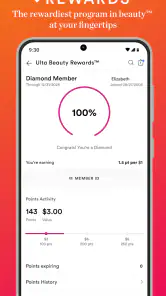
That setup also helps with rewards. Tracking points and redeeming them makes most sense for the person whose membership it is; otherwise, household members may not know whose purchase or preferences they are looking at. I’d agree on who handles the account before using it for a group shopping list, and confirm product choices with the intended user rather than assuming a recommendation is a shared decision.
Age, trust, and realistic expectations
The app is rated for Everyone, but that rating does not replace a household’s own rules about shopping, accounts, or purchases. I’d be comfortable letting a younger family member browse with an adult nearby, while keeping account and spending decisions with the adult. The app’s audience rating is about age suitability; it should not be mistaken for a family-management feature.
Ulta Inc. develops the app, which sits in the beauty-shopping category. It has a 4.6 average from around 192,000 ratings and has passed 5 million installs. Those figures suggest a well-used shopping destination, though they cannot tell me whether a particular shade, scent, or routine will suit my household. The app is free, and version 10.7 requires Android 9 or later, so it is worth checking device compatibility before planning to use it on an older phone.
Discover Your Beauty Haven
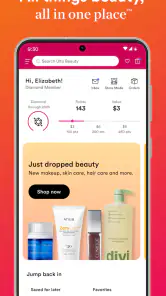
First things first, the app is a useful place to explore beauty products. When I open it, I can move between product areas without having to start a fresh search for every kind of item. The layout makes casual browsing approachable, though I still get more from it when I have a reason to look: replacing something I’ve run out of, comparing a couple of options, or helping someone else find a product category to investigate.
A World of Products
One of the coolest features I found is the range of products available. Whether you're looking for makeup, skincare, or hair care, this app has a lot to explore. I spent time moving through the different categories, and it felt more useful than opening unrelated retailer pages one by one. The filters for brand, price, and customer ratings help narrow a crowded selection, especially when I’m starting with a broad need rather than a specific product name.
For everyday use, I’d start with a specific need—replacing a shampoo, comparing moisturizers, or looking for a fragrance—rather than browsing without a goal. Narrowing by brand and price first can reduce the scroll, then ratings can help identify products worth investigating. I wouldn’t treat ratings as a substitute for reading individual feedback, especially when choosing something where scent, texture, or shade matters; the best choice depends on what the person using it actually likes.
Personalized Recommendations
Another aspect I absolutely loved is the personalized recommendations. After creating an account and filling in a bit about my preferences, the app started suggesting products tailored to my needs. It can give me a starting point when I want to try something new but don’t already have a clear shortlist. I’d think of it as a discovery tool rather than a personal beauty consultant: it can surface ideas, but I still need to judge whether they fit my routine and preferences.
Recommendations are most helpful as a discovery aid, not a verdict. I’d use them to build a shortlist, then compare those suggestions with products I already know or with a specific brand I trust. If the list starts feeling repetitive or off-target, revisiting the preferences behind the account is a sensible next step. Someone who wants an entirely neutral catalogue, without account-based tailoring, may prefer to browse directly by product type instead.
Deals and Rewards
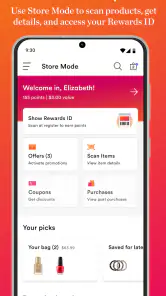
The app also brings deals and rewards into the shopping experience. For someone who already shops for beauty products, checking for offers while browsing can be useful, and members of the rewards program can track points and redeem them. I like having those considerations near the product search, as long as they remain secondary to choosing something that genuinely suits the person who will use it.
For a household shopping together, I’d check offers while making the list, not let a discount decide what goes in it. A deal is useful when it applies to something the person already wants; it is less useful if it nudges a shopper toward an unnecessary substitute. Compared with using a brand’s own app or a general shopping marketplace, Ulta’s appeal is having beauty browsing, product filters, recommendations, and rewards in one place. If you already know exactly what you need from one brand, that brand’s own shopping option may be more direct; if you want to compare across beauty categories, this app is the better starting point.
When a shared device needs a little coordination
A realistic household routine could be as simple as one person browsing after dinner and saving a few possibilities to discuss with the person who will use them. Before anyone changes account preferences or handles rewards, I’d agree whose account is open and whose choices are being considered. That avoids a common shared-device mix-up: interpreting one shopper’s recommendation list or points as belonging to someone else. If several people want distinctly personal suggestions, a single profile is a poor stand-in for multiple tastes.
I’d also use a quick handoff when browsing together: say what the item is for, who will use it, and which trade-off matters most—price, brand, or a particular product type. This is more useful than passing the phone back and forth without context. A person shopping for a gift can gather ideas, but the recipient’s preferences should still guide the final choice, particularly for fragrance, makeup shades, and skincare. The app can support that comparison; it cannot resolve differences in taste on its own.
Where it fits among beauty-shopping options
Ulta Beauty is most helpful when I want a broad beauty-focused browse rather than a single brand’s catalogue. Its mix of categories makes it easier to move from haircare to skincare or fragrance in one shopping session, while filters can help bring a large selection down to a manageable set. A brand-specific app can be the simpler route when I have already settled on that brand, and an in-person visit is better when I want to judge a shade or scent directly instead of relying on a screen.
That distinction matters because digital browsing can narrow choices but not reproduce every part of trying a product. I’d use the app to prepare questions, compare available options, and decide what to look for, then rely on my own judgement about personal fit. Ratings are one clue, not a guarantee, and a recommendation that suits one account holder may be irrelevant to another person in the same home. For a shopper who values discovery and cross-category comparison, that is a reasonable trade-off; for someone who already knows exactly what they want, the extra browsing may not add much.
Who is likely to enjoy it
I’d recommend trying it if you shop across beauty categories, like comparing brands, or want to keep product discovery and rewards in one place. It can also help a household plan a shopping trip together, provided each shopper stays involved in decisions about their own products. The app is free, so browsing does not require an upfront purchase, but that convenience does not mean every household needs one shared account or one shared list of preferences.
It is not the right fit for everyone. Someone who dislikes creating an account, prefers to shop in person without browsing on a screen, or wants recommendations that never reflect a profile may find the experience less compelling. I also wouldn’t rely on a household’s shared device as a substitute for clear communication: the app can help people look at options, but it cannot decide whose preferences or rewards should take priority.
For a younger user, I’d separate browsing from decisions about accounts and spending. The Everyone age rating makes the app suitable for a broad audience, but it doesn’t establish household rules or manage purchases for a family. An adult can help a younger shopper compare products and talk through whether an item is appropriate for their needs. That’s a more realistic way to use a beauty-shopping app than assuming its age label provides supervision or shared-account boundaries.
Ulta Inc. develops the app, which has been available since November 8, 2012. Its current version is 10.7, and Android users need version 9 or later. Those details are useful when deciding whether it will run on a device already used by the household. The app has a 4.6 average from around 192,000 ratings and more than 5 million installs, but popularity can’t predict whether a particular shade, scent, or routine will suit an individual shopper.
My practical tip is to make browsing purposeful: begin with the person’s actual need, narrow by the criteria that matter, and use ratings or recommendations only to create a shortlist. Before relying on rewards or personalized suggestions, keep track of whose account is in use. That small amount of coordination helps avoid confusion without turning a casual product search into a household account-management project.
Ulta Beauty has a long-running presence as a shopping app, but the strongest reason I’d keep it installed is practical: it can make comparing beauty products and keeping an eye on rewards easier when I know what I’m shopping for. If your household enjoys browsing makeup, skincare, haircare, and fragrance together, while keeping accounts and purchase decisions personal, I think it is worth trying. If shared use is likely to blur preferences or spending boundaries, browse together but let each shopper make their own final choices.
In the end, I see the app as a convenient starting point for beauty shopping, not a replacement for personal judgement. It suits people who want to explore several product types, compare options, and discover ideas through an account shaped around one shopper. If you prefer a single-brand destination, hands-on browsing, or a completely shared household profile, another approach may fit better. For a household that can keep tastes, rewards, and spending decisions clear, this is a useful way to plan a more focused beauty-shopping trip.
Ulta Beauty: Makeup & Skincare Frequently Asked Questions
Can I browse Ulta Beauty products without creating an account?
If you are deciding whether to install the app, consider how you plan to use it: browsing a beauty shopping app can be useful for exploring the brand, while account-based tools are more relevant when you want personalized recommendations or to manage rewards. Ulta Beauty is a free app from Ulta Inc. focused on beauty products, including top-brand haircare and fragrance.
Is Ulta Beauty suitable for someone who shops for skincare as well as makeup?
Ulta Beauty is a beauty shopping app, so it may be relevant if you are looking beyond makeup and comparing products across beauty categories. The app’s store summary highlights top-brand haircare and fragrance, while its shopping focus makes it worth exploring for beauty needs such as skincare. Think about the products you are looking for and whether a mobile way to browse the brand would be useful to you.
What does the Ulta Beauty app include, and what can I shop for?
Ulta Beauty is a beauty shopping app from Ulta Inc., with a focus on beauty products and a store summary highlighting top-brand haircare and fragrance. Its short description is simply “Ulta Beauty.” The app is free to download, and its content rating is Everyone. If you are interested in browsing Ulta Beauty on your phone, the app offers a dedicated mobile way to explore the brand.
Is the Ulta Beauty app compatible with my device?
The Ulta Beauty app requires Android 9 or later, so check your device’s operating system before downloading if you use Android. Its current version is 10.7. The app is also available for iOS, but compatibility depends on the requirements shown for your particular device in its app store. Checking those requirements first can help you avoid a download that your phone or tablet cannot run.
What features does the Ulta Beauty app offer?
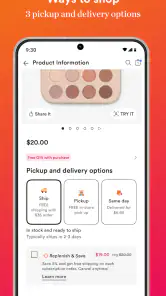
The Ulta Beauty app provides a comprehensive shopping experience with features like virtual try-ons for makeup, personalized recommendations based on your beauty profile, and a seamless checkout process. Additionally, it offers access to exclusive deals, rewards points tracking, and a store locator to find the nearest Ulta Beauty location.
Pros
- Wide range of products available.
- Easy to use interface.
- Regularly updated offers.
- Comprehensive product reviews.
- Loyalty rewards program.
Cons
- Occasional app crashes.
- Limited international shipping.
- Some items out of stock.
- Slow customer service responses.
- In-app ads can be intrusive.
- Category
- Beauty
- Version
- 10.7


