TextNum: Call + Text for Now!
- 1.16K
- 4.5
- Installs
- 1.00M
- Price
- Free

Screenshots

Analysis by Reviewed
When I need a separate number for a short-term conversation, TextNum: Call + Text for Now! takes a more focused approach than a full messaging platform. Developed by Vidma Video Studio, this free communication app is built around the idea of using an additional phone number for texting and calling without mixing every conversation into my main line. That single capability is the reason to try it, and also the reason to think carefully before relying on it for important communication.
In my experience, the useful part is not having another app to browse. It is having a clear boundary between my everyday number and a specific situation: selling something online, arranging a service visit, joining a group activity, or keeping a temporary conversation separate. The app is available for Everyone, runs on Android nine or later, and its current version is 1.52.1. It is free to install, although optional in-app purchases range from $1.99 to $49.99 per item.
One extra number, and what that changes
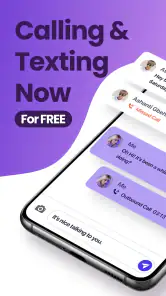
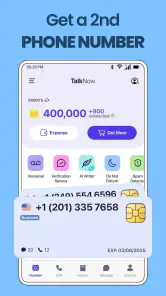
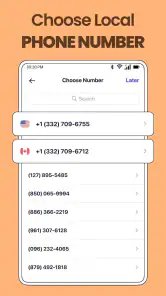
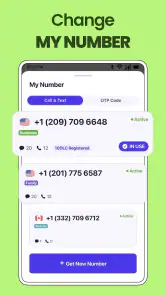
The central promise is simple: TextNum gives me an additional number to use for calls and texts. That can make a genuine difference when I do not want to hand out my personal number immediately. Instead of changing how I communicate with everyone, I can use the app as a buffer for selected contacts and situations.
That buffer is especially helpful when the other person is not yet part of my trusted circle. Imagine I am listing a desk for sale. I want potential buyers to reach me, but I may not want my regular number visible in a public listing. A separate number lets me answer relevant messages while keeping my primary line out of the conversation. If the exchange becomes inconvenient, I can stop using that number rather than having to reorganize my entire contact list.
This is different from simply creating another account in a social messaging service. The appeal here is phone-style communication: the person I am dealing with can text or call the additional number instead of needing the same platform, username, or contact network. That makes it more practical for ordinary arrangements where the other person may not want to install a particular messenger.
Still, I would not treat the extra number as a magic privacy shield. A second number can reduce exposure of my main line, but it does not automatically make every conversation anonymous or secure. I still need to be careful about what I share, which calls I answer, and how long I keep using the number for a particular purpose. The app is best understood as a separation tool, not a replacement for sensible privacy habits.
The store summary presents it as an unlimited second phone number for texting and calling, while the short description identifies it as TextNum. In practical terms, that positioning makes the app most interesting to people who need separation and flexibility rather than a complete replacement for their existing phone service.
You May Like

Clash of Clans Is Won Between the Battles

Android Auto Makes the Case for Quieter Car Software

MobiOffice: Transforming Mobile Productivity with Seamless Integration

EA SPORTS FC™ Mobile Soccer: Redefining Mobile Sports Gaming

How Microsoft OneDrive Became a Mobile Productivity Giant

How Google Translate Breaks Language Barriers Effortlessly
Why separation is more useful than it first sounds
Using one number for everything creates small problems that become larger over time. A public marketplace post can lead to repeated messages long after an item is gone. A contractor may keep a number for future promotions. Someone met through a one-off event may continue contacting me when I would rather keep the relationship limited. With a separate number, I can make a deliberate choice about which conversations belong in my everyday communication.
I also like the mental separation. When a message arrives through the additional number, I immediately know it relates to a particular activity or group. That can reduce the chance of replying from the wrong context, especially when I am coordinating several appointments or handling a temporary project. It is a small organizational benefit, but it is more valuable than another collection of decorative messaging features.
There is a tradeoff, though. Separation only works if I consistently tell people which number to use and remember to check it. If I forget to open the app, I may miss a time-sensitive reply. Anyone choosing this service should decide in advance how often they will monitor it and whether calls from the second number need the same attention as calls to their normal line.
What using it feels like day to day
I would approach the setup as a short, intentional workflow rather than installing the app and handing out the number everywhere. First, I would decide why I need the number. A clear purpose helps me avoid using it for unrelated conversations that eventually recreate the clutter I was trying to avoid.
Next, I would share the additional number only with the people connected to that purpose. For a temporary sale, that might mean including it in the listing and using it only until the item is collected. For a service appointment, it could be the contact number given to a technician or delivery person. The advantage comes from this limited scope; the number is easier to manage when it has a job.
Texting is likely the smoother part of the experience because it creates a written record of arrangements. I find that particularly useful for addresses, appointment windows, item details, and changes to plans. A phone call can settle something quickly, but a text thread gives me something to check later. When using a second number, that record also stays conceptually separate from personal conversations.
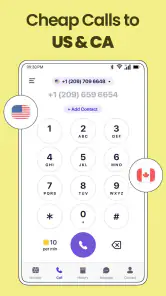
Calls are more situational. They are useful when a conversation would take too long by text, but I would be more cautious about answering unknown callers automatically. A separate number may attract people I do not recognize, especially if it has been shared publicly. I would use the app’s calling capability when the context makes sense, while treating unexpected calls with the same care I would give any unfamiliar number.
One practical tip is to include context whenever I give out the number. Instead of sending only the digits, I would write something like, “Use this number for the furniture pickup.” That makes it easier for both sides to remember why the number exists and reduces the chance that it becomes a permanent contact by accident.
The strongest everyday scenario
The clearest use case for me is a public or semi-public transaction. Suppose I am selling a used appliance. I need to answer questions, agree on a pickup time, and possibly handle a last-minute change. TextNum lets me keep those exchanges away from my personal number while still communicating in a familiar phone-based way.
In that situation, I would keep the conversation focused on the transaction. I would avoid sending unnecessary personal details, confirm the agreed time in writing, and stop sharing the additional number once the exchange is complete. The app does not remove the need for caution when meeting someone, but it does reduce the amount of personal contact information exposed during the process.
A similar workflow can help with home services. If I am arranging a repair, cleaning visit, or delivery, I may want the provider to reach me on a number that is separate from family and close friends. Texts can make it easier to track the appointment, while calls remain available when the schedule changes quickly. The benefit is not that the app transforms the appointment; it is that it gives the appointment its own communication lane.
Temporary group activities are another reasonable match. I might coordinate a volunteer event, a short course, or a local sports session without wanting every participant to have my regular number. The separate line gives the group a practical way to contact me while preserving a boundary after the activity ends.
I would be less enthusiastic about using it for relationships where continuity and reliability matter deeply. If a doctor, school, employer, close family member, or financial service needs to reach me consistently, my primary number or an established provider is usually the safer choice. A temporary communication app is not where I would place the responsibility for critical alerts.
Where it differs from ordinary alternatives
The usual alternative is to give out my main mobile number. That is faster and requires no extra habit, but it offers less separation. Once the number is shared, reclaiming privacy can be difficult. TextNum earns its place when avoiding that exposure matters more than keeping every conversation in one familiar inbox.
Another alternative is a social messaging app. Those services may offer richer group tools, media sharing, reactions, and persistent communities. They are often better when everyone already uses the same platform. TextNum is more direct for people who simply need a number for phone-style contact and do not want to negotiate which app everyone should install.
A second SIM or a separate mobile plan can provide stronger long-term independence, particularly for business use or a device that must remain available. That route may be more appropriate when I need a stable number for months or years, when multiple people must answer it, or when the line is part of a formal operation. TextNum is more attractive when I want a lighter, app-based separation without turning a temporary need into another full phone arrangement.
There is also the option of using a business phone system. That can be better for call routing, shared inboxes, records, and professional administration. For a solo user handling occasional contacts, however, such systems may feel excessive. TextNum sits in the middle: more separated than a personal number, but less like a full office phone service.
The tradeoffs I would consider before installing
The first friction is attention. A second number creates a second place to check. If I already struggle to keep up with messages, adding another communication channel may make things worse rather than better. The app works best when I have a clear routine, such as checking it during the hours when a sale, appointment, or event is active.
The second issue is continuity. People may save the additional number and expect it to remain available. That can create confusion if I intended it only for a short period. I would tell important contacts which number is temporary and keep my main number for relationships that should continue without interruption.
The third consideration is cost over time. The app is free to download, but optional purchases are listed between $1.99 and $49.99 per item. I would review any purchase prompt carefully and decide whether the added value matches how often I need the service. Someone who uses a second number occasionally may have a very different opinion from someone who wants ongoing access.
I would also avoid assuming that “unlimited” means unlimited suitability for every purpose. The store summary uses that wording for the second number, but real communication needs vary. A person who expects business-grade availability, formal customer support workflows, or dependable long-term identity should compare this app with a dedicated phone provider before making it central to their work.
Device compatibility is straightforward for many Android users because the minimum operating system is Android nine. That still makes checking the phone’s software version worthwhile before installation. The app is rated for Everyone, which makes its intended audience broad, but an age rating does not tell me whether it is the right communication choice for a particular family, workplace, or regulated situation.
Small habits that make the app more useful
I would create a simple naming habit for conversations connected to the second number. Rather than treating every thread as an ordinary contact, I would mentally label them by purpose: sale, repair, event, or delivery. This makes the separation meaningful and helps me decide when a conversation is finished.
I would also set an end point before sharing the number. For example, after the item is collected or the appointment is complete, I would stop using that line for the old purpose. This prevents a temporary contact method from quietly becoming another permanent inbox.
For time-sensitive arrangements, I would confirm the final details by text even if the agreement began with a call. That gives me a reference for the agreed time and location. It is a simple workflow improvement, but it matters when the whole reason for using the app is to keep one practical exchange organized.
Finally, I would avoid using the second number as an excuse to overshare. The app can limit exposure of my main number, but I should still keep addresses, identification details, payment information, and personal routines out of casual conversations unless they are genuinely necessary. The strongest privacy benefit comes from combining the separate number with disciplined communication.
Who will appreciate it most
TextNum is a good fit for people who regularly deal with unfamiliar contacts but still want ordinary texting and calling. Online sellers, independent service providers, renters arranging viewings, event organizers, and people managing short-term projects are the groups I can see benefiting most. They gain a practical boundary without forcing every contact into a new messaging ecosystem.
It can also suit someone who wants to test a new contact before sharing a primary number. That does not make the person unreachable on their normal line; it simply gives the early stage of communication its own channel. In my view, this is more useful than trying to maintain separate social accounts for every temporary situation.
I would recommend looking elsewhere if the main requirement is a permanent business identity, a team-managed phone line, advanced call handling, or guaranteed continuity for critical services. A separate SIM, a conventional carrier plan, or a business phone platform may be a better investment in those cases. I would also skip it if I know I will not check a second inbox consistently.
Vidma Video Studio has positioned the app in a space that many people understand immediately, and its early reception is encouraging: it holds a 4.5 average from around 19 thousand ratings, with over a thousand written reviews and more than a million installs. Those figures suggest that the concept is reaching a substantial audience, although popularity alone does not decide whether the workflow fits my habits.
My recommendation after using the concept in real situations
The real strength of TextNum is controlled separation, not feature overload. When I need a number for a sale, appointment, event, or other limited interaction, that separation can make communication feel safer and more organized. I can keep the conversation phone-based while avoiding immediate exposure of my everyday number.
My recommendation comes with one condition: use it deliberately. Choose a purpose, share the number selectively, check messages on a schedule, confirm important details in writing, and decide when the temporary channel has done its job. Those habits matter as much as the app itself.
For a free communication app with an Everyone rating and a focused purpose, TextNum is worth considering if your problem is contact boundaries. It is not the best answer for every phone need, and I would not replace a dependable primary line with it for essential communication. But when the goal is to keep a short-term conversation separate from personal life, this is the kind of practical tool I would recommend to a friend who wants flexibility without handing out their main number.
TextNum: Call + Text for Now! Frequently Asked Questions
Is TextNum available for iPhone, or is it only for Android?
Before downloading, check that the app is offered for your device and operating system in the store you use. TextNum is a communication app, and the Android version requires Android 9 or later. If you are considering an iPhone, review its App Store compatibility information first so you can confirm it is available for your particular device and system version.
Who develops TextNum, and what is its age rating?
TextNum is developed by Vidma Video Studio and is rated Everyone, which may make it suitable for a broad audience. As with any communication app, it is worth discussing appropriate use with younger users, especially when a service provides a separate number for contacting people. Take a moment to review the app’s setup and privacy choices before using it.
Can TextNum be installed on my Android device?
TextNum is an app for communication, and its current version is 1.52.1. It requires Android 9 or later, so check your device’s operating system before downloading. The app is free to install, and its content rating is Everyone. These basics can help you decide whether it suits your device and household before you begin setting it up.
Who makes TextNum, and does it have an established user base?
TextNum is developed by Vidma Video Studio. It has over 1 million installs and an average rating of 4.5 from around 19,000 ratings, with about 1,200 written reviews. Those figures suggest that many people have tried the app, but ratings are only one part of deciding whether it fits your needs. Read recent reviews and consider how you plan to use a second number.
What is TextNum: Call + Text for Now, and what can I use it for?
TextNum: Call + Text for Now is a communication app that is designed to provide calling and texting features through an additional phone number. It may be useful when you want to separate personal and professional conversations, protect your primary number, or communicate while traveling. Available features can vary by location, device, account type, and the app’s current service policies.
Pros
- Combines calling and texting in one lightweight app.
- Useful for contacting people without revealing your personal number.
- Simple interface makes basic communication quick to start.
- Can be convenient for temporary projects
- trips
- or online listings.
- May help separate personal and secondary communications.
Cons
- Availability of numbers and features may vary by country.
- Some recipients may not recognize or trust an unfamiliar number.
- Texting and calling may require an active internet connection.
- Privacy depends on the app’s handling of account and contact data.
- Temporary numbers may be recycled after a period of inactivity.

- Category
- Communication
- Version
- 1.52.1