Swig Drinks
- 167.00
- 4.2
- Installs
- 100.00K
- Price
- Free
Screenshots
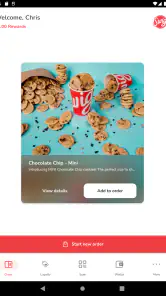
Analysis by Reviewed
I tried Swig Drinks as a companion for ordering from Swig Soda, and it quickly made sense as a focused Food & Drink app rather than a general restaurant platform. Its purpose is simple: help people engage with the Swig drink menu and the brand’s well-known dirty-soda style. That narrow focus is both its appeal and its main limitation. If you already enjoy customized sodas, the app feels relevant. If you want a broad restaurant finder, grocery deals, or a full meal-planning tool, it is not aimed at you.
The app is free to download, which makes trying it a low-risk decision. I would still separate that from the cost of any drinks or food ordered through the Swig experience: free access to the app does not mean the items themselves are free. That distinction matters because the app’s value comes from convenience and menu access, not from eliminating the price of a purchase.
How Swig Drinks fits into an everyday drink run
Swig Drinks is developed by Swig Soda and belongs squarely in the Food & Drink category. The store summary presents it as the home of dirty soda, while the shorter description identifies it simply as Swig Drinks. In practical terms, I see it as a brand-specific ordering and discovery tool for people who already know what kind of drink they want or are curious about the combinations Swig offers.
My first useful impression was that the app works best before I reach the counter. Dirty soda orders can become surprisingly complicated once you start combining a soda base with flavor additions, cream, fruit, or other custom touches. Looking through the app gives me a chance to decide what sounds appealing instead of trying to invent an order while a queue is waiting behind me.
A realistic use case is a busy afternoon when I am meeting a friend and want to pick up drinks on the way. Rather than relying on memory or asking someone else to explain the menu, I can open the app, browse the available choices, and settle on an order before leaving home. That small amount of preparation is where the app earns its place for me.
The strongest value is decision-making before purchase. Swig Drinks is more useful when I treat it as a menu and ordering aid than when I expect it to replace every food app on my phone. It helps narrow the choice to the Swig experience, which is exactly what some users want and exactly what others may find too restrictive.
What the free access actually gives you
Because the app itself is free, I can install it without making a financial commitment to the software. That is a meaningful advantage for occasional customers. Someone who visits Swig only now and then can keep the app available for the next craving without paying a subscription simply to retain access.
More From Our News Desk

Clash of Clans Is Won Between the Battles

Android Auto Makes the Case for Quieter Car Software

MobiOffice: Transforming Mobile Productivity with Seamless Integration

EA SPORTS FC™ Mobile Soccer: Redefining Mobile Sports Gaming

How Microsoft OneDrive Became a Mobile Productivity Giant

How Google Translate Breaks Language Barriers Effortlessly
Free access also makes experimentation easier. I can explore the drink-focused experience, decide whether it fits my routine, and remove it if I do not use it. For a brand app, that is a sensible arrangement: the user can test the convenience first, while the real spending decision remains tied to the order rather than the download.
At the same time, I would not install it expecting a universal set of restaurant features. The app’s identity is tightly connected to Swig Soda. A general delivery service may be more practical when I want to compare several restaurants, combine drinks with a wider meal order, or manage many brands from one place. Swig Drinks is valuable precisely because it concentrates on one drink experience, not because it competes with every alternative.
The app carries an Everyone content rating, so its presentation is suitable for a broad audience. That does not change the basic purchasing judgment: adults may still need to handle payment, pickup, or delivery decisions depending on the ordering situation. The rating tells me the app is broadly accessible, but it is not a promise that every transaction detail will suit every household.
Where the app delivers more value than a normal menu
A printed menu or a quick verbal order can be enough for a regular customer who always chooses the same drink. The app becomes more useful when I am comparing options, ordering for several people, or trying to remember a combination I liked previously. In those cases, having the brand’s drink choices in one place reduces the mental work involved in ordering.
One non-obvious advantage of a dedicated drink app is that it can change the way I order for a group. Instead of asking each person to describe a drink from memory, I can have everyone choose from the same Swig-focused experience. That reduces misunderstandings, especially when one person wants a familiar soda while another wants a more adventurous flavor combination.
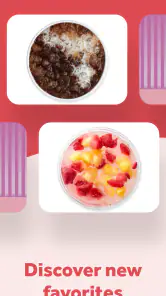
Another practical use is planning around taste rather than speed. Dirty soda is not always intuitive to someone who has never tried it. Browsing first gives a newcomer a less awkward way to understand the style and decide whether a creamy or flavored soda sounds appealing. I would recommend this approach for a first visit: look through the choices while relaxed, then order something recognizable before moving to more unusual combinations.
The app can also be useful for repeat customers who want consistency. If I have a preferred drink, checking the app before ordering helps me avoid the vague “I will just have the usual” problem when I am visiting a different location or ordering while distracted. I would still review the final order carefully, because custom drinks are easy to misread when several additions sound similar.
Small workflow tips that make a difference
My first tip is to decide the base drink before focusing on flavor additions. It is easy to get drawn into the fun part of customization and forget whether the underlying soda is something I actually enjoy. Starting with the base keeps the order balanced and makes it easier to compare two options.
My second tip is to use the app for group coordination before anyone reaches the counter. Send the menu choices around, collect the orders, and check them once as a group. This is more reliable than trying to remember several custom combinations from a conversation in the car.
A third tip is to treat customization as a trade-off rather than automatically adding everything that sounds interesting. A simple combination may be easier to repeat, easier to explain, and more likely to suit someone trying Swig for the first time. The app encourages exploration, but restraint can produce the better drink.
Finally, I would check the order summary before confirming anything. Dedicated brand apps can make ordering feel quick, and that is useful, but speed can also make a mistaken size, flavor, or quantity easier to overlook. A ten-second review is worthwhile when ordering for several people.
Performance, support, and the practical limits
The current version is 4.5.4, and the app supports devices running Android 8.0 or later. That gives it a reasonably broad reach among Android users, although anyone with an older phone should check compatibility before planning around it. The version information also matters for people who keep older devices in the family or use a spare phone for ordering.
Swig Drinks has an average rating of 4.2 from around 333 ratings, with around 167 written reviews. I read that as a generally positive reception rather than a guarantee that every user will have the same experience. The rating suggests the app is doing something useful for its audience, but the relatively focused purpose means satisfaction will depend heavily on whether a person already wants Swig’s drinks.
It has passed the 100K-plus install mark, which indicates that this is not an obscure experiment used by only a handful of people. Still, reach should not be confused with universal usefulness. A popular brand app can remain unnecessary for someone who rarely visits the brand or prefers using a general ordering service.
The main friction is concentration. I cannot use Swig Drinks as a replacement for a broad food marketplace because its value is tied to Swig Soda. That can feel limiting when I am already placing a larger meal order elsewhere. I also would not choose it as my only app for comparing prices or menus across unrelated restaurants; its focused design is not built for that kind of decision.
There is also a behavioral trade-off. Having a dedicated drink menu close at hand can make an impulse purchase easier. For me, the app is most valuable when I use it to plan a specific stop rather than open it whenever I am bored and looking for something sweet. The software can simplify a purchase, but it does not decide whether that purchase fits my budget or routine.
Who is most likely to get real value
I think regular Swig customers are the clearest audience. If you already have favorite drinks, order for friends, or like trying different dirty-soda combinations, a dedicated app is easier to justify than a general restaurant tool. The free price also removes the usual hesitation about installing a brand-specific app.
It is also a good fit for newcomers who want to understand the menu before visiting. The app gives them a private planning space, which is helpful when the drink style is unfamiliar. I would especially suggest it to someone who dislikes making decisions under pressure or who wants to coordinate an order for a small group.
Families and groups may appreciate the convenience, but they should use the app with a little discipline. One person should review the complete order before submitting it, particularly when several drinks have similar names or custom additions. The app can reduce confusion, but only if the group agrees on what is being ordered.
On the other hand, I would skip it if I visit Swig very rarely and am comfortable ordering in person. I would also skip it if my priority is comparing many restaurants, arranging a full meal from different businesses, or keeping all delivery activity inside one general platform. In those situations, the extra brand-specific app may add clutter without adding enough convenience.
People who are trying to cut down on sugary drinks should think carefully before installing it for frequent use. The app can help plan a purchase, but its purpose is still centered on appealing drinks and customization. It is not a wellness tracker or a nutrition-management tool, so it should not be mistaken for one.
How it compares with the usual alternatives
Ordering directly at a Swig location is the simplest alternative for a confident regular. It avoids installing anything and may be faster when I already know my exact drink. The app wins when I need time to browse, want to coordinate several orders, or prefer preparing before I arrive.
A general delivery or restaurant app is more flexible. It can put multiple businesses in one place and may be better for a complete meal. Swig Drinks is more focused, so it can feel less convenient for broad searches but more relevant when the only thing I want is a Swig drink.
Using a mobile browser or a saved note can also work for repeat orders, especially if I always choose the same combination. The dedicated app becomes worthwhile when I want a more organized way to explore the menu or manage a group order. In other words, the best alternative depends on whether I value breadth, speed, or brand-specific convenience.
That comparison also clarifies the app’s value proposition. It is not delivering a revolutionary replacement for every ordering method. Instead, it removes a few small obstacles around discovering, remembering, and arranging Swig drinks. Those obstacles may seem minor, but they matter when I order often or when several people are involved.
My buy-or-skip verdict
I recommend Swig Drinks to people who regularly buy from Swig Soda or want an easier way to explore dirty-soda choices. Since the app is free, trying it does not require paying for software, and the focused design can make an otherwise messy drink decision more manageable. I would install it before a planned visit, especially if I am ordering for friends or testing the menu for the first time.
I would skip it if I only need a one-time order, already know what I want, or prefer keeping every restaurant inside a single general-purpose app. Its narrow focus is not a flaw for the intended audience, but it is a real reason not to add it to a phone that is already crowded with rarely used brand apps.
My final view is positive but specific: Swig Drinks is worth the download for Swig-focused convenience, not as a complete food-ordering solution. The free access makes the trial easy, the drink-centered workflow has practical uses, and the app has enough audience traction to feel established. Just remember that the app’s value is convenience around a purchase, while the price of the drinks remains a separate decision. For the right customer, that is a useful distinction rather than a drawback.
Swig Drinks Frequently Asked Questions
What does “Home of the Dirty Soda” mean in Swig Drinks?
Swig describes itself as the Home of the Dirty Soda, and the app is a convenient place to explore its drinks. Its Food & Drink focus is reflected in the menu and ordering experience, while the range of beverages can include customized sodas and other specialty options. If you enjoy trying different drink combinations, browsing the app can help you get familiar with what Swig offers.
Which devices can run Swig Drinks?
Swig Drinks is available for Android devices running Android 8.0 or later. Checking your device’s operating system before downloading is a simple way to avoid compatibility surprises. The app is listed as a free download and is intended for everyone, so its age rating is not limited to adults. Make sure you use the appropriate official app store for your device when installing it.
What is Swig Drinks, and what can I use the app for?
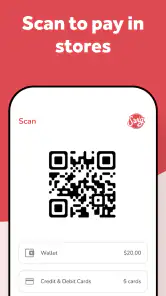
Swig Drinks is the mobile companion for Swig, a beverage brand known for customized sodas, energy drinks, teas, and other specialty drinks. Depending on your location and the features available in your version of the app, you can browse the menu, review drink combinations, find nearby stores, place an order, and manage rewards. It is especially useful for customers who visit Swig regularly and want faster ordering or loyalty benefits.
Can I customize my drink through the Swig Drinks app?
Yes, customization is one of the main reasons to use Swig Drinks. Menu availability can vary by store, but the app generally lets you choose a drink base and add flavors, creams, fruit, energy ingredients, or other available options. Before confirming an order, carefully review the selected ingredients, sizes, ice preferences, and quantities, since customized items may have different prices and some modifications may not be available at every location.
Does Swig Drinks offer rewards, points, or special promotions?
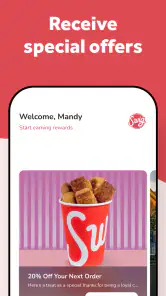
Swig Drinks may include a loyalty or rewards program that allows eligible purchases to earn points, stamps, discounts, or other benefits. The exact system, redemption rules, and promotional offers can change over time and may depend on your account, store, or region. Before downloading, check the current terms inside the app. You may also need to create an account and identify yourself at checkout for rewards to be applied.
Pros
- Wide selection of beers
- wines
- spirits
- and mixers
- Convenient browsing with useful drink categories
- Helpful product details support informed choices
- Smooth ordering process saves time
- Delivery tracking keeps you updated on your order
Cons
- Availability may vary significantly by location
- Delivery fees can increase the final purchase cost
- Age verification is required before completing orders
- Popular products may sell out quickly
- Delivery times can be longer during busy periods
- Category
- Food & Drink
- Version
- 4.5.4