Ruby Rewards
- 2.24K
- 4.7
- Installs
- 100.00K
- Price
- Free

Screenshots
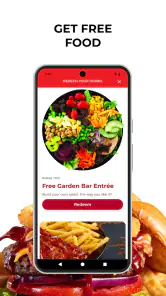
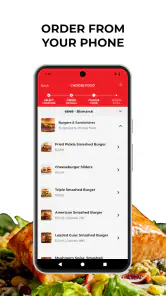
Analysis by Reviewed
I found Ruby Rewards most useful when I treated it as a practical companion to a Ruby Tuesday visit rather than as a general food-discovery app. Developed by Ruby Tuesday, this free Food & Drink app brings the restaurant’s rewards program, ordering tools, and related account features into one place. My overall view is positive: it can make repeat visits easier and give regular customers a clearer reason to use the restaurant’s own ordering channel, but it is much less compelling if I rarely eat at Ruby Tuesday or simply want a broad restaurant comparison tool.
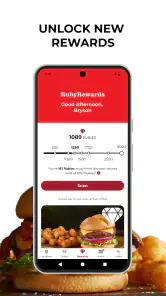
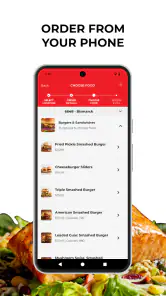
The central idea is straightforward. You join Ruby Rewards, collect Rubies through eligible activity, and exchange them for food. The app also supports ordering ahead, which is the part I would notice most on a busy day. Instead of opening a browser, searching for the restaurant, and working through a separate checkout flow, I can start from the brand’s own app and organize the visit in one place.
The best reason to install Ruby Rewards is convenience for repeat Ruby Tuesday customers, not novelty. It does not need to reinvent restaurant ordering to be useful. Its value comes from connecting rewards and ordering, so the decision is less about whether it has the largest feature list and more about whether Ruby Tuesday is already part of my routine.
How Ruby Rewards works in everyday use
A simple starting point for regular diners
When I think about using the app, the natural first step is joining Ruby Rewards. That makes the application feel more like an account hub than a one-time menu viewer. A new user who is already planning a Ruby Tuesday meal can use the app to get familiar with the rewards side before deciding whether ordering ahead fits their habits.
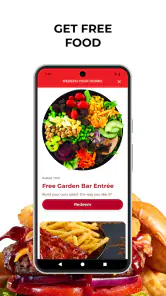
The reward currency gives the experience a small but meaningful sense of progress. Rather than relying only on a temporary coupon that I might forget to use, the program is built around trading Rubies for food. That structure is easy to understand, especially for someone who visits often enough to see a benefit from returning to the same restaurant.
I would still approach the rewards system with realistic expectations. A loyalty program is most useful when I already like the restaurant; it should not be the only reason I choose a meal. If I have to make an unnecessary trip just to chase a reward, the convenience disappears. The app works best when the reward is attached to a visit I was already considering.
Ordering ahead can remove the most frustrating part of a quick meal
The order-ahead option is especially practical for a workday lunch, a planned pickup after errands, or an evening when I do not want to spend extra time arranging food at the restaurant. I can prepare the order before leaving, which changes the app from a loyalty tool into something that affects the timing of the whole visit.
More From Our News Desk

Clash of Clans Is Won Between the Battles

Android Auto Makes the Case for Quieter Car Software

MobiOffice: Transforming Mobile Productivity with Seamless Integration

EA SPORTS FC™ Mobile Soccer: Redefining Mobile Sports Gaming

How Microsoft OneDrive Became a Mobile Productivity Giant

How Google Translate Breaks Language Barriers Effortlessly
A realistic example is a weekday when I have a short break and already know which Ruby Tuesday location is convenient. I can use the app to organize the meal before heading out, then spend less of that break dealing with the ordering process. The benefit is not dramatic every time, but small saved steps matter when the schedule is tight.
There is also a useful trade-off here. Ordering ahead is convenient only when I know what I want and when the pickup plan is reliable for my situation. If I am still deciding between several meals, meeting friends who may change the order, or unsure about the timing, ordering in advance can feel restrictive rather than helpful. In those cases, the traditional in-person route may be simpler.
The app is more useful when I prepare before I leave
One habit I would recommend is opening Ruby Rewards before arriving, not while standing outside the restaurant. That gives me time to review the available ordering flow, think about the meal, and check how I want to use my rewards. It also avoids turning a quick pickup into a rushed phone session.
Another practical habit is keeping the app tied to the same rewards account I use consistently. Loyalty tools lose much of their value when activity is split between different accounts or when I forget which sign-in contains my progress. The app’s strength is continuity, so I would treat the account as the place where I manage future visits, not just today’s order.
I also see a benefit for families and small groups. If one person usually handles the order, having the rewards and ordering experience together can make that routine less scattered. The limitation is that group orders still require careful checking before submission. A dedicated restaurant app can simplify the process, but it cannot remove the need to confirm the location, meal choices, and timing personally.
What the rating and adoption suggest
Ruby Rewards has a 4.7 average from around 6.5 thousand ratings, with more than two thousand written reviews. It has also passed 100 thousand installs, which indicates that the app has found an audience beyond a handful of occasional users. Those figures make me more comfortable recommending it to an existing Ruby Tuesday customer, although they do not guarantee that every device or every visit will feel equally smooth.
The app is free, so trying it does not require a purchase just to access the rewards experience. It is rated Everyone, which makes it suitable as a family restaurant companion from an age-rating perspective. I would still judge it by personal eating habits: a free app can remain unnecessary if I rarely visit the restaurant or prefer other ordering services.
Where it compares well with ordinary alternatives
Compared with using a general delivery or restaurant-ordering service, Ruby Rewards has a clear advantage for someone focused on Ruby Tuesday loyalty. The app puts Rubies and the restaurant’s own ordering path together instead of making the rewards program feel like a separate task. That direct connection is the reason I would choose it over a broader app for repeat visits.
General ordering services can still be better when I want to compare restaurants, delivery options, or menus from several businesses in one place. They are designed for choice across brands, while Ruby Rewards is designed around one restaurant identity. Neither approach is universally better; the right choice depends on whether I value loyalty with Ruby Tuesday or variety across the local food scene.
Compared with simply ordering at the restaurant, the app adds preparation and rewards management. That can be a genuine improvement when I am in a hurry. On the other hand, the in-person option remains more flexible for spontaneous decisions, questions, or changes made during the visit. I would not replace every restaurant visit with the app, and I do not think it needs to be used that way.
The meaningful weakness is its narrow purpose
My main criticism is not that Ruby Rewards lacks a broad restaurant marketplace; that would be the wrong standard. The issue is that its usefulness depends heavily on brand loyalty. If Ruby Tuesday is only an occasional choice, the rewards side may not become important enough to justify another app on the phone.
There is also a mental cost to any loyalty application. I need to remember to use it, keep the account consistent, and decide whether ordering ahead actually suits the visit. For a single meal, those steps can feel like more work than ordering normally. The app earns its place when I use it repeatedly, not when I install it once and forget about it.
Ordering ahead can create its own friction if my plans change. A meal prepared around a particular pickup time is less adaptable than a spontaneous order. I would be careful about placing an order too early when traffic, work, or family plans are unpredictable. The app can organize the meal, but it cannot make an uncertain schedule certain.
I would also avoid assuming that the rewards balance alone should drive every purchase. The strongest loyalty programs encourage sensible repeat use; they should not turn a discount into an excuse to spend more than planned. I would check the reward opportunity as part of the ordering decision, then choose the meal that makes sense independently.
Who should install it
I think Ruby Rewards is a good fit for people who visit Ruby Tuesday regularly, prefer pickup to waiting at the restaurant, or like keeping restaurant rewards in a dedicated account. It is particularly suitable for a household where one person often arranges meals and wants the rewards activity connected to that routine.
It is also worth trying for someone who has just started visiting Ruby Tuesday more often. Because the app is free and the rewards idea is easy to understand, the trial cost is low. I would give it a few normal visits rather than judging it after one quick look. Its value becomes clearer when I can compare a normal order with an order placed ahead and see whether the loyalty process naturally fits my habits.
I would skip it if I want a single app for many restaurants, if I usually choose whichever nearby restaurant has the best immediate deal, or if I almost never order from Ruby Tuesday. A broad restaurant service will be better for discovery and comparison. Ordering directly in person will be better for people who dislike accounts, prefer spontaneous meals, or do not want to manage another rewards balance.
Compatibility and practical expectations
The current version is 1.4, and the app requires operating system version 10 or later. That is an important check before downloading, particularly if I use an older phone that has been working well for basic tasks. The app’s free price removes one barrier, but compatibility still determines whether it is a realistic option on a particular device.
Because it is a restaurant-specific tool, I would install it with a specific purpose in mind: joining Ruby Rewards, managing Rubies, or ordering ahead. That approach makes it easier to decide whether the app deserves a permanent place on my phone. If I do not use those functions after several visits, deleting it would be reasonable; if I repeatedly rely on pickup and rewards, the convenience can outweigh the extra app.
My final verdict
Ruby Rewards succeeds because it stays focused on a recognizable routine: eat at Ruby Tuesday, manage the loyalty benefit, and arrange an order ahead when that saves time. I like that combination more than I would like a rewards app that only displays promotions without helping with the actual visit. The experience is most convincing when I already know I will return.
My recommendation is therefore specific rather than universal. If Ruby Tuesday is one of your regular restaurant choices, I would install Ruby Rewards and use it for planned pickup visits first. That is where its practical value is easiest to judge. If you are looking for restaurant variety, delivery comparison, or a tool for occasional one-off meals, another option will probably serve you better.
Overall, I see it as a worthwhile free companion for loyal customers, with a clear limitation that should not be ignored: it is built around one brand. For the right diner, that narrow focus is exactly what makes the rewards and order-ahead workflow useful. For everyone else, the app may be perfectly competent while still not being necessary.
Ruby Rewards Frequently Asked Questions
What kind of food can I explore with Ruby Rewards?
Ruby Rewards is a Food & Drink app from Ruby Tuesday, so it is designed for people interested in the restaurant’s food and services. Its store summary highlights ordering ahead as one of its features. You can explore the app to see what food options and ordering choices are available to you before deciding whether it fits how you like to plan a restaurant visit.
Can I order ahead with Ruby Rewards?
Yes. Ruby Rewards promotes ordering ahead as one of its features, making it useful when you want to arrange an order before visiting. The app’s available options will guide you through the process. Check the details presented for your order, including any applicable choices and timing, before confirming, so you know what to expect when you arrive.
What is Ruby Rewards, and how does it work?
Ruby Rewards is a rewards-focused mobile app that may allow users to collect points, bonuses, or other incentives through activities offered inside the platform. After creating an account, you typically browse available tasks, promotions, surveys, purchases, or engagement opportunities and check the reward requirements before participating. The exact options can vary by country, account status, and current campaigns. The app’s summary specifically promotes trading Rubies for food, along with ordering ahead, so review the rewards and choices shown in your account to understand how they apply to you.
Is Ruby Rewards free to download and use?
Ruby Rewards can generally be downloaded without an upfront payment, but users should still review the app’s terms before registering. Some offers may involve purchases, subscriptions, partner services, or other conditions, so not every reward opportunity is completely free. Always check the reward description, eligibility rules, expiration dates, and any potential charges before completing an activity. The app is free to download, while any conditions attached to a particular offer should be considered separately.
How can I redeem rewards in Ruby Rewards?
The redemption process depends on the rewards available in your region and the balance or eligibility requirements shown in your account. Users normally select an available reward, confirm the required amount of points or credits, and follow the verification instructions. Processing times may vary, and some redemptions can require identity, email, payment, or account verification before they are approved. Ruby Rewards describes trading Rubies for food, so check the in-app instructions for the redemption choices and requirements currently available to you.
Pros
- Simple reward system that is easy for new users to understand.
- Offers multiple ways to earn points through everyday activities.
- Mobile-friendly interface makes browsing and claiming rewards convenient.
- Regular promotions can provide extra earning opportunities.
- Reward options may appeal to users with different preferences.
Cons
- Rewards and availability may vary depending on your location.
- Some earning tasks can become repetitive over time.
- Certain offers may require personal information or third-party sign-ups.
- Points may take time to accumulate before reaching a redemption threshold.
- Users should review privacy terms before sharing account or activity data.
- Category
- Food & Drink
- Version
- 1.4