RillStory
- 338.00
- 4.5
- Installs
- 100.00K
- Price
- Free
Screenshots
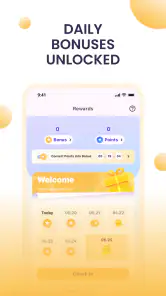
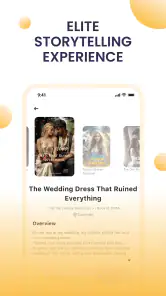
Analysis by Reviewed
I went into RillStory expecting a simple reading app, but its appeal is more specific than that. It is a place for people who want a regular stream of fiction on a phone, especially when a full-length book feels like too much commitment. The first few reading sessions are easy to enjoy: open the app, find a story that matches your mood, and settle into a short burst of reading without needing to organize a personal library first.
That convenience is also the central question. Many reading apps feel exciting for a week and then become another icon that gets ignored. My experience with RillStory is that its lasting value depends less on novelty and more on whether you genuinely enjoy serialized or mobile-friendly fiction. If you want a compact reading habit, it has a clear purpose. If you are looking for a traditional ebook shelf, a powerful annotation tool, or a one-time purchase with no commercial friction, I would look elsewhere.
What the first week feels like
The opening appeal comes from low effort. RillStory belongs in the Books & Reference category, but it does not feel like a digital replacement for a physical bookshelf. I found it more natural to treat it as a daily entertainment stop: something to check during a commute, before sleep, or while waiting for an appointment. That distinction matters because the app works best when I approach it as an ongoing reading feed rather than as a storage cabinet for books I already own.
The developer, CANTREE PUBLISHING LIMITED, presents the app around the idea of claiming a midnight read. That framing suits the experience because the strongest use case is quiet, personal reading at the end of the day. I can imagine opening it after finishing chores, reading for a few minutes, and stopping without feeling that I have abandoned a large reading project. It is a small habit, not a replacement for every kind of reading.
During the first week, discovery is likely to do most of the work. New readers can browse by mood and premise instead of spending time deciding which long novel to buy. That is useful when I want romance, drama, suspense, or another easily recognizable story direction but do not yet know the exact title. The trade-off is that discovery-led reading can encourage sampling rather than finishing. I had to be deliberate about choosing one story to continue instead of jumping between several attractive openings.
The app is free to install, which lowers the barrier to trying it. It has a Teen content rating, so it is not something I would hand to a young child without checking the material myself. The rating is a useful starting signal, but readers and parents should still judge individual stories according to their own comfort level. A broad age label cannot describe every tone, theme, or emotional situation that may appear across a reading catalog.
One practical tip made the first week smoother: I treated the first session as a test of writing style, not as a promise to finish everything I sampled. If a story did not hold my attention after a reasonable opening, I moved on rather than forcing it. That approach prevents the app from becoming a queue of half-read titles. It also helps reveal whether the format suits you before you spend money inside the app.
More From Our News Desk

Clash of Clans Is Won Between the Battles

Android Auto Makes the Case for Quieter Car Software

MobiOffice: Transforming Mobile Productivity with Seamless Integration

EA SPORTS FC™ Mobile Soccer: Redefining Mobile Sports Gaming

How Microsoft OneDrive Became a Mobile Productivity Giant

How Google Translate Breaks Language Barriers Effortlessly
The right reader for the format
RillStory is a strong match for readers who like frequent, lightweight fiction and enjoy returning to an unfolding story. It may also suit someone trying to rebuild a reading routine after spending too much time on video or social apps. The phone is already nearby, and a story can provide a more focused alternative to endless scrolling.
I would be more cautious if your main goal is serious reference reading. The category label may place it beside book and research tools, but this is not the app I would choose for academic sources, technical manuals, or a carefully organized collection of purchased ebooks. A dedicated ebook reader is usually better for typography controls, long-form concentration, and keeping books available in a predictable library. A public-library app is often a better first choice when borrowing complete books matters more than discovering ongoing mobile fiction.
Another non-obvious use is mood-based reading. Instead of deciding that I must read for an hour, I can choose a story according to the emotional energy I have at that moment. That makes the app useful on busy days, but it also creates a weakness: when the catalog presents too many tempting directions, the act of choosing can replace the act of reading. I recommend setting a simple rule, such as keeping one primary story and one backup, rather than collecting every interesting opening.
Whether it keeps earning attention after the novelty
The first month is where RillStory has to prove itself. The initial curiosity of browsing fades quickly, so recurring value depends on whether returning to the app feels rewarding rather than obligatory. For me, the strongest reason to come back is continuity. An unfinished story gives the next session a clear purpose, while a random collection of titles makes the app feel disposable.
This is where the app differs from a conventional ebook store. A store is built around ownership or borrowing: choose a book, acquire it, and read it at your own pace. RillStory is better understood as a continuing reading service. That can feel more alive, but it also means my satisfaction depends on the availability and appeal of fresh material. Readers who dislike waiting, interruptions, or reading in small portions may find a downloaded novel more dependable.
The app’s current version is 5.4.0, and it supports devices running Android 7.0 or later. That makes it accessible to people who are not using a recent phone, although the quality of the experience will still depend on the individual device and its screen. I would check compatibility before building a serious reading routine around it, especially if you use an older handset. A reading app should be comfortable for the eyes and responsive enough that opening it never feels like work.
Its audience appears substantial, with over one hundred thousand installs and an average rating of 4.5 from roughly thirteen thousand ratings. Those figures suggest that the concept has found a real audience, but they should not replace personal testing. Reading preferences are unusually subjective: a story format that keeps one person engaged can feel repetitive or too commercial to another. I would use the free entry point to judge the writing, pacing, and reading flow before treating the popularity as a recommendation.
One useful monthly habit is to review what actually made you return. Was it a particular author, a genre, the short-session format, or simply the novelty of browsing? If the answer is only novelty, the app may not last on your home screen. If you return because you want to know what happens next, then it has found a sustainable role. This small check helps separate genuine reading value from the temporary excitement of a new installation.
How the payment model changes the decision
Although the app is free, in-app purchases range from $19.99 to $199.99 per item. That is the most important financial consideration for long-term use. A free download can be easy to try, but readers should not assume that every desirable reading path will remain cost-free. Before committing to a story, I would pay attention to how access is presented and decide in advance what spending limit feels reasonable.
This model can be convenient for someone who prefers paying selectively for a story that has already earned their interest. It is less attractive for readers who want a clear price before beginning a complete book. A normal ebook purchase or library loan may offer a simpler budget, particularly for someone who reads several long works each month. The trade-off with RillStory is flexibility and discovery on one side, versus predictable ownership or borrowing on the other.
My practical advice is to avoid paying during the first burst of excitement. Read enough to decide whether the characters, prose, and pacing deserve continued attention. If the story becomes part of your routine, then a purchase can be considered as entertainment spending rather than an impulse reaction. This is especially important for readers who tend to follow several stories at once, because small decisions can become a larger monthly habit.
There is also a time-cost question. A story that encourages frequent returns may be enjoyable, but it can make reading feel fragmented. If I only have a few minutes, that is an advantage. If I want deep immersion, the same structure can become tiring. I found it helpful to reserve longer sessions for a traditional ebook and use RillStory for the gaps in my day. That division gives each format a job instead of expecting one app to satisfy every reading need.
Maintenance, fatigue, and the effort of staying engaged
RillStory does not demand complicated setup, but maintaining a good experience still requires some personal discipline. The main maintenance task is curating attention. I need to remember which stories I genuinely want to continue, ignore titles that are merely attractive at a glance, and keep an eye on spending. Without that small amount of housekeeping, the app can become crowded with unfinished intentions.
Notification habits can also decide whether the app feels helpful or intrusive. I prefer reading reminders only when they support a routine I already want. If an app repeatedly pulls me back when I am busy, the reminder stops feeling like encouragement and starts feeling like pressure. I would adjust the phone’s notification controls early, then judge the app by the reading experience itself rather than by how often it asks for attention.
The main source of fatigue is repetition. Serialized mobile fiction often relies on continued tension, emotional turns, and reasons to return. Those tools can be effective, but over time I may notice predictable pacing or story beats. When that happens, taking a break is better than forcing loyalty. The app should remain entertainment, not a task that I feel obliged to complete.
Another point of friction is the difference between sampling and commitment. Browsing is rewarding because it gives immediate choice, but choice can become mental clutter. My most effective workflow was simple: choose a story for the week, read it at a consistent time, and only browse again when I had finished or deliberately dropped it. That approach reduced the temptation to restart the discovery cycle every night.
Readers should also consider screen fatigue. A phone is convenient, but it is surrounded by messages, alerts, and other distractions. I had better sessions when I used a quiet setting and read away from other apps. If your eyes tire quickly from phone reading, a dedicated e-reader remains the better tool, even if RillStory offers more immediate discovery. Convenience cannot fully compensate for an uncomfortable screen.
Who should keep it, and who should move on
I would keep RillStory installed if I wanted a dependable source of short reading sessions and enjoyed following fiction over time. It earns space when it replaces less satisfying scrolling, gives me a story to return to, and stays within a spending boundary I chose beforehand. The free starting point makes that decision relatively easy because I can test the rhythm before making it part of my routine.
I would skip it if I mainly want complete books, offline ownership, academic reference material, or a single transparent purchase. In those cases, a library service, standard ebook store, or dedicated reading app is likely to be a better fit. I would also avoid making it a primary app for a child simply because the Teen label does not tell me enough about the suitability of every individual story.
The app has received 338 written reviews, which is a smaller and more personal signal than the broader rating count. I read that combination as evidence of active interest, not a guarantee that the experience will match every reader. The most useful test remains personal: try the free experience, follow one story long enough to see whether its pacing works for you, and notice how often you return without being prompted.
After the novelty fades, the answer is fairly clear. RillStory earns lasting space when it becomes a deliberate reading habit, not when it is treated as an endless catalog to browse. Its strengths are accessibility, quick discovery, and the ease of fitting fiction into small parts of the day. Its weaknesses are the potential for fragmented reading, spending uncertainty, and fatigue from too much choice or repeated story structure.
My final recommendation is positive but selective. I would suggest it to a friend who wants mobile fiction for evening wind-downs or short breaks, with a reminder to set boundaries around notifications, unfinished stories, and purchases. I would not recommend replacing a library app or a full ebook reader with it. Used for what it does best, this free Books & Reference app can become a pleasant recurring companion. Used as a universal reading solution, it is likely to disappoint once the first-week excitement wears off.
RillStory is developed by CANTREE PUBLISHING LIMITED and is available for readers aged Teen and above. Its release date was May 19, 2025, and its free entry makes experimentation straightforward. The real decision is not whether it can fill a few spare minutes; it can. The decision is whether its ongoing story format gives you enough reason to return month after month. For the right reader, that answer is yes—but only with a little curation and a clear sense of what kind of reading experience you actually want.
RillStory Frequently Asked Questions
Can I read RillStory offline?
Offline reading can be useful when you travel or have an unreliable connection, but whether a particular story is available without internet depends on the app’s reading features and the content you choose. Check the app after installation to see whether it offers a download or save option for reading later. Keep in mind that browsing, account features, and content updates may still require an internet connection.
Can I customize my reading experience in RillStory?
Reading preferences can make a big difference when using a story app for longer sessions. Explore RillStory’s reading screen and settings to see which display options and controls are available in your version. The app’s store tagline, “Claim Your Midnight Read,” presents it as a reading-focused experience, so it may appeal to people looking for stories to enjoy on a phone. Available tools and content can shape how well it fits your habits.
Is RillStory available for Android and iOS?
RillStory is an app in the Books & Reference category, and its Android version requires Android 7.0 or later. Before downloading, check the app store on your device for compatibility and availability in your region. If you use an iPhone or iPad, consult the Apple App Store listing for its supported devices and operating-system requirements, since compatibility can differ between platforms.
What is RillStory and what can I use it for?
RillStory is a storytelling-focused app designed for creating, viewing, and sharing short-form visual stories. Depending on the available tools and content in your version, you may be able to combine photos, videos, text, music, and creative effects into engaging story posts. It is useful for users who want to express moments, follow other creators, or discover entertaining content in a quick, mobile-friendly format.
Who develops RillStory, and what kind of app is it?
RillStory is a Books & Reference app developed by CANTREE PUBLISHING LIMITED. Its store tagline is “Claim Your Midnight Read,” which points to a reading-oriented experience rather than the visual storytelling activities described in some app introductions. If you are choosing it for a particular kind of reading or story content, check the app’s presentation and available material after installation to see whether it suits your preferences.
Pros
- Simple tools make short story creation approachable for beginners.
- Templates help users start projects without designing everything from scratch.
- Text and visual elements can be combined for more engaging stories.
- Quick editing is useful for creating content while traveling or on the go.
- Story-focused features can save time compared with general editing apps.
Cons
- Advanced creators may find the editing and customization options limited.
- Some features or assets may require in-app purchases or a subscription.
- Export quality and available formats may not suit every publishing platform.
- Projects can become difficult to manage when creating many stories.
- Performance may vary on older devices or with media-heavy projects.
- Category
- Books & Reference
- Version
- 5.4.0