Resy
- 426.00
- 4.9
- Installs
- 100.00K
- Price
- Free

Screenshots



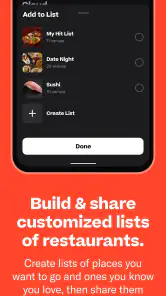
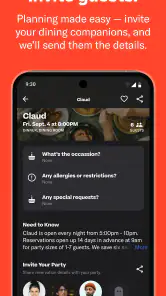
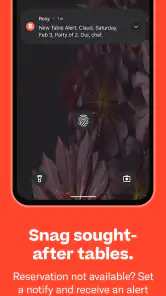

Analysis by Reviewed
Choosing a restaurant reservation app usually comes down to a simple question: do you want a focused way to find and book tables, or do you prefer a broader dining platform that also tries to handle menus, delivery, loyalty programs, and local discovery? After spending time with Resy, I see it as a deliberately narrower tool. It is a free Food & Drink app from Resy, built around restaurant reservations rather than trying to become an all-purpose dining companion.
That focus is its main appeal. When I already know the kind of meal I want and need a table, the app feels easier to understand than services that surround a reservation with several unrelated features. It is available for Everyone, requires Android 12 or later, and the current version is 3.21. The app was released on April 11, 2025, so it feels like a relatively recent option for people who want a modern reservation workflow without paying to install it.
How I Decide Whether Resy Is the Right Reservation App
I would judge this app using four practical questions. First, can it help me move from “where should we eat?” to an actual booking without unnecessary effort? Second, does its restaurant selection match the places I am likely to visit? Third, is it useful for both planned dinners and last-minute searches? Finally, does it fit my habits better than searching through restaurant websites, calling directly, or using a broader dining app?
Those questions matter more than a high rating alone. Resy has an average rating of 4.9 from around 15 thousand ratings, with more than 400 written reviews. That is a strong sign that many people enjoy the experience, but a rating cannot decide whether the restaurants in your area are represented. A reservation app is only as useful as the dining choices it can connect you with, so local coverage should be the first thing I would check before making it my default.
The app’s free price also makes that decision easy. I can install it and see whether it fits my city and my preferred restaurants without committing money. That is especially helpful for occasional diners. Someone who books a table once every few months does not need another paid subscription sitting on a phone, while a frequent diner may value speed and familiarity enough to keep it close at hand.
A realistic dinner-planning test
Imagine that I am arranging dinner for two after work. I know the evening, but I have not chosen the restaurant. With a reservation-focused app, I want to search by the date and approximate time, compare available choices, and book before the conversation turns into a long exchange of messages. The best part of this kind of workflow is not discovering every possible restaurant; it is reducing the number of steps between a vague plan and a confirmed table.
Resy makes the most sense in that situation when I am flexible about the exact venue or when I already have a shortlist in mind. I can approach the search with a time window instead of becoming attached to one impossible slot. That small change in habit is useful: rather than repeatedly checking one restaurant, I can treat the available times as the starting point and choose the place that works for the evening.
More From Our News Desk

Clash of Clans Is Won Between the Battles

Android Auto Makes the Case for Quieter Car Software

MobiOffice: Transforming Mobile Productivity with Seamless Integration

EA SPORTS FC™ Mobile Soccer: Redefining Mobile Sports Gaming

How Microsoft OneDrive Became a Mobile Productivity Giant

How Google Translate Breaks Language Barriers Effortlessly
For a special occasion, I would search earlier and keep more than one acceptable time in mind. Reservation apps are not magic tools that create tables where none exist. Their value is in making the available options visible and actionable. If I need a particular restaurant, day, and hour, I would still keep the restaurant’s own contact options nearby as a backup instead of assuming an app search represents every possible path to a table.
What the focused design does well
The strongest quality here is clarity. Resy presents itself as a restaurant reservation app, and that gives the experience a clear purpose. I do not have to decide whether I am browsing food delivery, collecting rewards, reading long editorial guides, or booking a table. For me, that makes it a better fit when the task is practical: choose a place, choose a time, and make a reservation.
A focused app can also be easier to return to. Once I understand how I prefer to search, I can use the same mental routine for a casual meal, a weekend plan, or a dinner with friends. I find this more useful than a crowded service that offers many dining features but makes the reservation function feel like one small part of a much larger marketplace.
Another advantage is that a free app lowers the cost of experimentation. I can try using it alongside my existing habits rather than replacing everything at once. For example, I might use Resy for restaurants found there, while continuing to contact a familiar local restaurant directly when that is quicker. This hybrid approach is more realistic than expecting one app to handle every restaurant in every situation.
The install base is over 100 thousand, which suggests that the app has reached a meaningful audience without making its popularity the central selling point. I would still interpret that figure carefully. It tells me the app is not an obscure experiment, but it does not guarantee that my neighborhood, travel destination, or favorite cuisine will be well served.
Useful habits that are easy to overlook
My first practical tip is to search with a range of acceptable times. If I need dinner around a certain hour, I would check earlier and later options before giving up. This is more efficient than refreshing one exact time, and it gives me a better sense of whether the problem is the restaurant, the day, or simply the narrowness of my request.
My second tip is to separate restaurant discovery from reservation urgency. If I am planning a birthday, I would make a shortlist before the booking window becomes stressful. Then I could use the app to test availability rather than browsing randomly while everyone waits for an answer. This turns the app into a planning tool instead of a last-second rescue attempt.
My third tip is to treat the booking as one part of the evening plan. I would note the chosen time, allow for travel, and avoid selecting a table that leaves no margin after work or between activities. A reservation app can make the booking quick, but it cannot solve a rushed schedule. The convenience is greatest when I use the available times to build a realistic evening rather than forcing the rest of the day around a single result.
There is also a useful trade-off in keeping a second method available. If a restaurant matters more than convenience, checking its own website or contacting it directly may be worthwhile. Direct contact can be preferable for unusual requests, group arrangements, or questions that a standard reservation flow may not address. I would not see that as a failure of Resy; it is simply the boundary between a streamlined booking tool and a personal conversation with a restaurant.
Where broader alternatives may fit better
Resy is not automatically the best choice for someone who wants one app to manage every part of dining. A broader restaurant platform may be more appealing if I want delivery, takeaway, loyalty benefits, extensive user reviews, or a large local discovery feed in the same place. Those services can be more convenient when my main question is “what food can I get right now?” rather than “which restaurant has a table?”
Restaurant websites may also be the better option when I already know exactly where I want to eat. Going directly to a venue can reduce the number of layers between me and the business, and it may be the natural place to look for restaurant-specific information. I would especially favor the direct route when the restaurant is small, highly local, or likely to handle bookings personally.
Calling remains useful in situations where context matters more than speed. If I have accessibility needs, a complicated group request, a celebration detail, or a question about seating, speaking with someone may save time overall. Resy is strongest when the reservation is conventional and the decision can be made from available choices. It is less suitable when the booking depends on a conversation.
Travelers should be particularly practical. I would not install the app and assume it will replace every reservation service in an unfamiliar city. Instead, I would compare the restaurants it shows with local recommendations and direct venue channels. If the places I want are present, Resy can simplify the process. If they are not, another service may be the more useful travel companion even if its interface is less focused.
The real cost of changing your routine
Because the app is free, the main cost of switching is not financial. It is the small effort of learning another reservation habit and deciding when to use it instead of a browser, phone call, or existing dining service. That cost is low for occasional users, especially if they start with one upcoming dinner rather than trying to migrate every restaurant plan at once.
For frequent diners, the bigger issue is consistency. If I already have a reliable method that covers my favorite restaurants, adding Resy may create another place to check rather than simplifying anything. The app earns a permanent spot on my phone only if it regularly saves me time or exposes reservation options I would otherwise miss.
I would also avoid assuming that a reservation made through an app removes the need for ordinary courtesy. Plans change, and a canceled or adjusted booking should be handled promptly through the available process. Keeping confirmation details accessible is sensible, particularly when I have made several plans or am coordinating with other people. The app can organize the reservation, but I still need to manage the evening responsibly.
The minimum operating system requirement is Android 12, so users with older Android devices should check compatibility before planning around it. For people on a supported phone, the free installation makes testing straightforward. For anyone using iOS, the practical decision is whether the version available on their device fits their needs; I would not choose a platform solely because an app is popular on another operating system.
Who I would recommend it to
I would recommend Resy to diners who make reservations often enough to appreciate a dedicated workflow, especially when they prefer planning dinner around available tables. It is also a good match for someone who dislikes searching through a general-purpose food marketplace when all they want is a restaurant booking. The focused category, free access, and strong average rating make it an easy app to try.
I would be more cautious about recommending it as a single solution for people who eat mostly at restaurants that take bookings by phone or through their own sites. The same applies to users who mainly want delivery, menus, promotions, or broad restaurant reviews. In those cases, a larger dining platform or direct restaurant contact may be more practical.
My overall view is positive, but it is deliberately conditional: Resy is most valuable when its restaurant coverage matches your real dining life. If it does, the focused design can remove friction from both everyday dinners and more deliberate plans. If it does not, a polished reservation interface cannot compensate for missing options.
After using it as a decision tool rather than expecting it to solve every dining problem, I would keep it installed. It is free, clearly positioned, and easy to justify for anyone who books restaurant tables with some regularity. I would pair it with direct restaurant channels for special requests and with a broader food app when discovery or delivery matters more. That combination gives me a practical balance: Resy for focused reservations, alternatives for the situations it was not designed to handle.
With its Everyone age rating, current version 3.21, and support for Android 12 and later, it is accessible to a wide range of supported users. The developer, Resy, has kept the product’s identity straightforward rather than burying the main task under unrelated features. My recommendation is therefore clear: try it for your next planned meal, judge it by the restaurants and time slots it can actually offer you, and keep it as your regular booking tool only if that test genuinely makes dinner planning easier.
Resy Frequently Asked Questions
Can I browse Resy before making a reservation?
Yes. Resy is useful for exploring restaurants and checking what is available before you commit to a booking. You can search by location, date, time, cuisine, or restaurant name, which makes it easier to compare options for a meal out. Browsing can help you decide where to go, while the booking details shown for a restaurant explain the next steps.
What devices can I use Resy on?
Resy is available for Android and iOS devices, and it requires version 12 or later of the operating system. Check your device’s software version before downloading so you know it meets the requirement. The app is intended for mobile use, making it convenient to search for restaurants, check availability, and keep track of reservations while you are away from a computer.
Can I use Resy to discover restaurants as well as book them?
Yes. Resy supports restaurant discovery as well as reservations, so you can use it to explore dining venues even when you do not already have a particular restaurant in mind. Search options include location, date, time, cuisine, and restaurant name. Once you find a place that suits your plans, you can check available tables and proceed with a booking in the app.
What should I check before installing Resy on my device?
Resy is a Food & Drink app for finding and booking restaurant reservations. It is free to download, has an Everyone content rating, and requires Android or iOS 12 or later. Before installing, check that your device meets that minimum operating-system requirement and that you are downloading the app published by Resy. The app is designed for restaurant discovery and reservations rather than general food delivery.
Can Resy help me find a table for a specific time or occasion?
Yes. Resy lets you look for restaurants and check table availability using details such as location, date, time, cuisine, or restaurant name. That makes it practical when you already have a venue in mind, as well as when you are exploring dining options. Availability depends on the restaurant and the time you choose, so searching in the app is the best way to see what can be booked.
Pros
- Easy restaurant discovery with detailed menus
- photos
- and diner reviews.
- Real-time availability makes finding open tables quick and convenient.
- Reservations can be managed
- modified
- or canceled directly in the app.
- Useful filters help narrow choices by location
- cuisine
- date
- and time.
- Supports special occasions with notes for dietary needs or celebrations.
Cons
- Coverage varies by city
- with fewer options outside major dining areas.
- Popular restaurants can be difficult to book during peak hours.
- Some listings may have limited menus
- photos
- or restaurant information.
- Cancellation and no-show policies differ between restaurants.
- The app may request location and notification permissions for full functionality.
- Category
- Food & Drink
- Version
- 3.21