Quranly
- 340.00
- 4.7
- Installs
- 1.00M
- Price
- Free

Screenshots







Analysis by Reviewed
I would approach Quranly as a gentle way to make Quran reading part of an ordinary day, rather than as a replacement for a teacher, printed mushaf, or deeper study. It is a free Books & Reference app from Quranly, and its focus is helping readers build a steady routine. If you are new to reading regularly, the most useful first goal is a small one you can keep on a busy day; consistency matters more than setting an impressive target.
What to expect from the routine
The app’s habit-building approach is its clearest distinction from simply opening a Quran app or book whenever you remember. Goals, progress tracking, reminders, and a streak can make a short session feel visible and repeatable. That structure will suit someone who likes a prompt and a sense of momentum. If you already have a reliable reading practice and prefer a completely untracked experience, those same nudges and progress cues may feel unnecessary.
It is worth treating the streak as encouragement, not a measure of devotion. Missing a day does not undo what you have read or learned. I would choose a modest target that leaves room for work, family, and low-energy days, then adjust it only after it feels comfortable. The app is rated for Everyone, has a 4.7 average from around 16,000 ratings, and has been installed over a million times, but those figures matter less than whether its routine fits your own practice.
A calm first setup
When you begin, resist the temptation to make several ambitious goals at once. Pick one regular time and a reading amount you can manage even on an unusually full day. A short session after breakfast, during a quiet break, or before bed is easier to protect than a vague promise to read “later.” If reminders help you, keep them tied to a moment when you are usually free; if they become background noise, change the routine rather than feeling guilty about ignoring a notification.
The reflection journal can make a session more thoughtful, but it does not need to become an essay. I find a useful approach is to note one question, idea, or personal connection immediately after reading. That gives you something concrete to revisit without interrupting the reading itself. It also makes the journal more useful over time than writing a general comment after every session.
Getting Started with Quranly
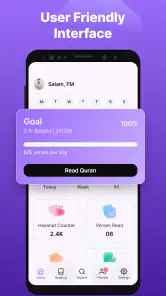
The first thing you'll notice when you open Quranly is its super user-friendly interface. It's like they knew exactly what we needed—something clean, simple, and not overwhelming. The app welcomes you with a dashboard that shows your daily Quran reading goals, progress, and even a reflection section where you can jot down your thoughts. It's almost like having a personal diary that keeps you accountable.
Features That Stand Out
One feature that I absolutely love is the goal-setting option. You can set daily, weekly, or even monthly goals, and the app gently nudges you to stick to them. And if you're anything like me, those little reminders are lifesavers. Plus, there's a streak feature that tracks how many days in a row you've met your targets. It feels so rewarding to see those numbers go up!
More From Our News Desk

Clash of Clans Is Won Between the Battles

Android Auto Makes the Case for Quieter Car Software

MobiOffice: Transforming Mobile Productivity with Seamless Integration

EA SPORTS FC™ Mobile Soccer: Redefining Mobile Sports Gaming

How Microsoft OneDrive Became a Mobile Productivity Giant

How Google Translate Breaks Language Barriers Effortlessly
Another cool aspect is the reflection journal. I mean, how often do we actually sit down and think about what we've read? With Quranly, after you've completed your reading, there's a section for you to pen down your reflections. This has been a game-changer for me, allowing me to connect more deeply with the teachings.
Personal Experience
Using this app has genuinely changed my routine. Before Quranly, I would often skip my readings or rush through them without much thought. Now, I feel more engaged and aware. The app’s gentle nudges keep me on track, and sometimes, I find myself looking forward to my reading sessions. It’s not just about fulfilling a religious duty anymore; it’s about understanding and internalizing the message.
And oh, the community feature! You can connect with friends, see their progress, and even send them little motivational notes. It's like a spiritual social network where everyone uplifts each other. I’ve received messages that have motivated me on days I felt like slacking off.
Making the habit work in real life
A realistic use case is a reader whose mornings are unpredictable. Rather than setting a long daily target, I would choose a small baseline for the day and use a calmer evening as a chance to read more when it suits. On a crowded day, completing that baseline still gives the habit a place in the routine; on an easier day, there is room to linger and reflect. This is where a tracker can help: it turns an intention into a practical cue, without requiring every session to look identical.
For someone who already reads from a printed Quran, the app can serve as a companion for keeping a routine and recording reflections, while the physical copy remains the preferred reading format. Compared with a basic digital Quran reader, Quranly’s emphasis is less about being an unstructured place to open the text and more about encouraging regular practice. If your priority is detailed study, lessons, or guidance from a qualified teacher, I would use those resources directly rather than expect a habit app to provide them.
Points to keep in mind
There is a trade-off in turning worship into goals and streaks: the visible progress can motivate, but it can also make a missed day feel larger than it is. I would use the numbers as a private reminder of a routine, not as a judgment of the quality of your reading. The journal also works best when you are comfortable recording personal thoughts on your device; if you would rather keep reflections on paper or not write them down at all, that part of the experience may not add much for you.
The app is free to download, with optional in-app purchases listed from $4.99 to $194.99 per item. I would start with the free experience and decide whether any paid option is relevant to you only after you have established a routine; there is no need to make a purchase the first step. Version 3.0.53 requires Android 7.0 or later. Its current average rating is 4.7, and it has around 340 written reviews, but I would still judge it by whether the reminders and tracking feel supportive in your own day.
When it may not be the right fit
If you dislike notifications, streaks, or the feeling of being measured, a plain reading app or a printed copy may be a calmer choice. Likewise, readers looking for a structured course or a substitute for personal instruction should look elsewhere for that need. Quranly makes the most sense when the obstacle is remembering to return to reading and you welcome a little structure; it is less compelling when your routine is already settled or when tracking would distract you from the text.
Choosing a routine you can keep
For a first-time user, the first meaningful success does not need to be a long session or a perfect streak. I would set a manageable goal, choose a time I can realistically return to, read without rushing, and then write one brief reflection if it helps. That simple sequence gives the app’s goals and journal a purpose instead of turning setup into a project. If the chosen time proves awkward after a few days, I would move it rather than abandon the habit altogether.
It can also help to decide in advance what a reminder should do for you. If you are usually busy when it appears, treat that as a sign to choose a more useful moment, not as a test of commitment. If you already have a reading time, the reminder may be redundant; the progress view or journal could still be the part that makes the app worthwhile. There is no need to use every element just because it is available.
How it compares with other reading options
A printed mushaf offers a focused, familiar experience without app notifications or visible streaks, and it may be the better choice if screens distract you. A basic digital Quran reader is useful when you mainly want convenient access to the text. Quranly has a different strength: it adds habit cues and a place to reflect, which can help when the hardest part is returning regularly. I would not treat those approaches as competitors; many readers can use the app to support consistency while keeping a printed copy for reading.
For deeper learning, a teacher or a resource built around instruction is more appropriate. A journal can help you capture a question, but it cannot answer it or replace knowledgeable guidance. One practical way to use the app is to note questions that arise during reading and bring them to a trusted teacher or study setting later. That keeps the app in its lane—as support for a reading routine—while making your reflections useful beyond the session.
Who will get the most from it
I think Quranly is best for someone who intends to read but often loses the thread of the routine, or for a returning reader who wants a gentle way to rebuild it. Its goals can make a small commitment concrete, and the journal can make a brief session feel more considered. The social element may also appeal if encouragement from friends genuinely helps you follow through. If you prefer privacy or do not want to compare progress, you can focus on your own reading instead.
It is less suited to readers who already have a settled practice and find tracking intrusive, or to anyone seeking lessons, detailed commentary, or a teacher inside a habit-building app. It may also be the wrong choice if a streak would make you anxious or turn a missed session into self-criticism. In that case, a paper routine or a simple reading app may support your practice with less pressure.
Final Thoughts
In a world where we're constantly busy, finding time for spiritual growth can be challenging. Quranly makes it a little easier by integrating it into our daily lives seamlessly. It's not just an app; it's a companion on your spiritual journey. If you're looking to deepen your understanding and keep up with your reading goals, give Quranly a try. You might just find it as indispensable as I have.
Quranly Frequently Asked Questions
Is Quranly free to download, and what should I know about its paid options?
Quranly is free to download, so you can try its Quran-reading routine without paying upfront. It also offers in-app purchases, with individual items priced from $4.99 to $194.99. These purchases are optional, so consider the available options in the app and whether they suit your needs before buying. The free download and paid items are separate choices.
Who develops Quranly, and when was it released?
Quranly is developed by Quranly and was released on April 6, 2021. It is a Books & Reference app focused on helping people build a Quran-reading habit. Its stated purpose is to make regular reading easier to establish, whether you are starting a routine or trying to maintain one. The current version is 3.0.53.
Who is Quranly intended for, and what is its age rating?
Quranly is a Books & Reference app for people who want to develop a regular Quran-reading habit. Its content rating is Everyone, so it is presented as suitable for a broad audience. The app’s focus is on making Quran reading more consistent, which can appeal to new readers as well as those looking to strengthen an existing routine.
Will Quranly work on my phone or tablet?
Quranly is available for Android and iOS, giving users the option to download it on either platform. On Android, the minimum operating system requirement is Android 7.0, so it is worth checking your device’s software version before installing. The app is developed by Quranly and is free to download, with optional in-app purchases.
What is Quranly and how does it work?
Quranly is a mobile application designed to help users engage with the Quran more effectively. It offers features like personalized reading plans, daily reminders, and progress tracking to ensure consistent Quran reading. The app is user-friendly and allows customization to fit individual needs, making it a valuable tool for anyone looking to deepen their understanding and connection with the Quran.
Pros
- User-friendly interface
- Comprehensive Quranic resources
- Customizable reminders
- Offline access feature
- Regular content updates
Cons
- Requires large storage space
- Occasional performance lags
- Limited free features
- Ads in the free version
- No multi-language support

- Category
- Books & Reference
- Version
- 3.0.53