Power Master 48: Laws of Power
- 146.00
- 4.6
- Installs
- 50.00K
- Price
- Free

Screenshots
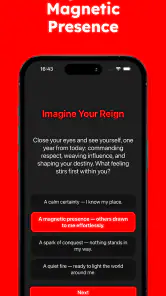
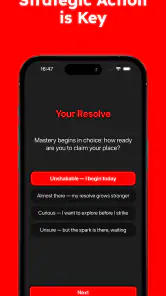
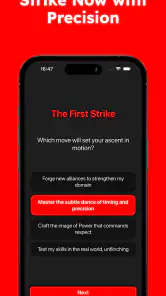
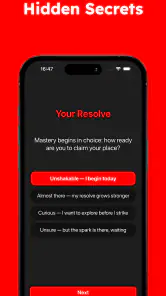
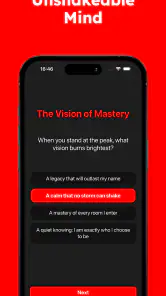
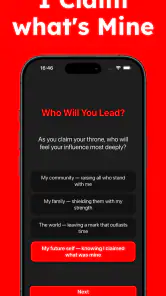
Analysis by Reviewed
I approached Power Master 48: Laws of Power as a short daily education app rather than as a conventional course. Its promise is simple: replace a few minutes of aimless scrolling with a focused lesson about power, influence, and personal effectiveness. That narrow idea is also the key to deciding whether it belongs on your phone. If you want a lightweight routine that gives you something to think about each day, it has an appealing shape. If you want a complete academic program, a research library, or guided coaching, you may find it too limited.
The app comes from The Box App Software SRL and sits in the Education category. It is free to install, suitable for Everyone, and has reached over 50 thousand installs with a 4.6 average from around 2.4 thousand ratings. Those figures suggest that the format is connecting with a meaningful audience, but they do not remove the need to look closely at the experience itself. A high rating can tell me that many people enjoy the concept; it cannot tell me whether the lessons suit my goals, attention span, or preferred way of learning.
How I would decide whether it fits my routine
The first question is not whether the subject sounds interesting. It is whether I would actually use a compact lesson repeatedly. The app is built around a five-minute daily habit, so its strongest audience is someone who wants a small, repeatable prompt rather than a long reading session. I can imagine opening it during a commute, before work, or while waiting for an appointment. That makes it easier to start than a large personal-development book, especially on days when my attention is already divided.
The second question is what I mean by “learning.” A short lesson can introduce an idea, offer a memorable principle, and encourage reflection. It cannot replace careful study of history, psychology, ethics, or communication. I would therefore judge each item by whether it gives me a useful lens for a real situation, not by whether it makes me feel instantly transformed. The most valuable outcome is a better question to ask myself before reacting, negotiating, or making a decision.
There is also an important ethical filter. Lessons about power can be useful when they help me recognize pressure, office politics, status signals, or manipulative behavior. They become less helpful if I treat every relationship as a contest to control. I recommend using the app as a tool for awareness and self-protection, not as a script for treating friends, colleagues, or family members as pieces on a board.
My practical decision criteria would be consistency, clarity, and transfer to everyday life. Can I understand the lesson without a long setup? Can I remember the core idea later in the day? Can I connect it to a conversation, a meeting, or a personal boundary? A five-minute format is worthwhile only when it changes how I notice situations. If I finish a lesson and immediately forget it, the short duration becomes a weakness rather than a benefit.
What the five-minute format changes
Short sessions lower the psychological cost of starting. I do not need to reserve an evening or prepare notes before opening the app. That makes it particularly suitable for people who repeatedly download ambitious learning tools and then abandon them because the commitment feels too large. Here, the sensible approach is to attach the app to an existing cue, such as the first coffee of the day. The cue matters more than finding a perfect time.
More From Our News Desk

Clash of Clans Is Won Between the Battles

Android Auto Makes the Case for Quieter Car Software

MobiOffice: Transforming Mobile Productivity with Seamless Integration

EA SPORTS FC™ Mobile Soccer: Redefining Mobile Sports Gaming

How Microsoft OneDrive Became a Mobile Productivity Giant

How Google Translate Breaks Language Barriers Effortlessly
I would also avoid treating the daily lesson as a complete task in itself. A better workflow is to spend the first few minutes reading or reviewing the idea, then write one sentence about where it appeared in my life. For example, after a difficult team discussion, I might note which person controlled the agenda, who had useful information, and whether I responded deliberately or defensively. That small follow-up turns passive consumption into a practical observation exercise.
Another useful habit is to test a principle against an exception. If a lesson seems to recommend a confident behavior, I would ask when that behavior could damage trust. This is especially important with subjects involving influence. The app can provide a prompt, but I still need judgment, context, and empathy. That distinction is one of the most important trade-offs in using a condensed education product.
Where this app wins over heavier learning tools
Its clearest advantage is focus. Instead of presenting a broad catalog of unrelated subjects, it gives the user a defined theme: laws of power and the behavior surrounding influence. That focus can make a daily routine easier to maintain than a general education app where I spend more time browsing than learning. For a reader who wants a compact mental exercise connected to ambition, negotiation, leadership, or social awareness, the subject has immediate relevance.
The format also works well as a conversation starter with myself. I can use a lesson before a presentation to think about audience expectations, before a negotiation to consider incentives, or after a tense exchange to identify the dynamics I missed. It is not a substitute for preparation, but it can act as a quick reset before I enter a situation with competing interests.
The free entry point is another practical strength. I can try the routine without committing to an upfront purchase, which makes the decision less risky. At the same time, the app includes in-app purchases ranging from $4.99 to $149.99 per item. That wide range means I would pay close attention to what is offered and whether it adds genuine value before spending. The free starting point is useful, but it should not be confused with unlimited access to every possible part of the experience.
Version 1.9.5 gives the app a current, clearly identified form to evaluate. On my side, that means I would check the version shown on my device before comparing impressions with older discussions. Educational apps can change their lesson flow, purchase structure, or presentation over time, so a review of an earlier release may not describe the experience I am about to use.
Where a different category may serve you better
A book or long-form course is the better choice when I want evidence, background, and sustained argument. Power Master 48: Laws of Power can help me notice a pattern, but a deeper source can explain where the pattern comes from, when it fails, and how different cultures or workplaces interpret it. Someone studying leadership seriously should combine short prompts with books, case studies, or supervised discussion rather than relying on condensed lessons alone.
A language-learning app would be more appropriate for a measurable skill with repeated practice. A meditation app would be a better fit for calming the mind or regulating stress. A task manager would be the right tool for turning intentions into scheduled actions. This app may influence how I interpret a situation, but it is not designed to replace those categories. Choosing it because I want organization or emotional support would create disappointment before I even begin.
Free articles and podcasts may also suit a user who prefers exploration. They offer more variety and often allow me to compare several viewpoints. The trade-off is that they demand more filtering. I have to decide which sources are credible, organize the material, and build my own routine. The app’s advantage is convenience and thematic structure; the alternative’s advantage is breadth and the possibility of more nuanced disagreement.
I would be cautious about recommending it to anyone who already feels suspicious of every social interaction. A power-centered framework can sharpen awareness, but it can also encourage overinterpretation. If I start seeing hidden strategy in ordinary kindness or assuming bad motives without evidence, the tool is no longer helping me. In that situation, a communication course focused on listening, conflict resolution, or emotional intelligence would likely be healthier.
Everyday ways I would use it
Imagine that I have a meeting where I need support for a proposal. Rather than opening the app in the middle of the meeting, I would use a lesson earlier in the day as a reflection prompt. I might identify who is affected by the decision, who has influence over the outcome, and what each person needs to feel comfortable. The useful result is not copying a tactic; it is entering the conversation with a clearer map of interests and a lower chance of confusing confidence with preparation.
In a workplace disagreement, I could use the app after the discussion to separate facts from impressions. Who spoke most? Who had authority? Did I interrupt because I had evidence or because I felt challenged? This kind of review can reveal my own habits, which is more valuable than simply labeling another person as powerful or manipulative. The app works best when it turns the lens back toward my behavior.
For a student or early-career professional, the lessons may be useful before presentations, interviews, or group projects. A short prompt can encourage attention to timing, reputation, and the difference between being visible and being useful. However, I would pair it with concrete practice: rehearse the presentation, prepare examples, and ask for feedback. Insight without action tends to remain entertainment.
There is a helpful way to prevent the routine from becoming passive scrolling. After each session, I would choose one of three actions: write a private reflection, ask a respectful question in a real conversation, or observe a group dynamic without intervening. Rotating these actions keeps the app connected to life while avoiding the temptation to test every principle on other people.
The friction I would consider before paying
The most obvious limitation is compression. A five-minute lesson is convenient, but brevity can flatten complicated subjects. Power, persuasion, and social behavior are affected by personality, culture, hierarchy, timing, and consequences. If the app presents an idea too neatly, I need to supply the missing caution myself. That does not make the format useless; it means I should treat it as an introduction or reminder rather than a final authority.
The subject can also become repetitive if I am looking for varied academic content. Someone who wants mathematics, science, languages, or practical software training will not find this focused theme broad enough. Even within personal development, users who prefer wellness, productivity, or habit tracking may get more value from a different app category.
The purchase range deserves deliberate attention. Since the app is free to start but offers individual purchases from $4.99 up to $149.99, I would not unlock anything impulsively because a lesson happened to be engaging. I would first use the free experience long enough to see whether I return voluntarily, whether the material feels balanced, and whether the paid option clearly matches my goals. The most expensive choice is especially difficult to justify for casual curiosity.
Another potential friction is the gap between motivation and retention. A strong daily reminder can get me to open an app, but remembering the ideas requires my own system. I would keep a small note with the date, the principle in my own words, and one example from the day. If that feels like unnecessary work, I should be honest that I may prefer a more interactive learning product with exercises or progress feedback.
What switching from another routine really involves
Moving from a book to this app is easy in terms of time but costly in depth. I would gain a lower barrier to entry and lose the surrounding explanations that help me judge an idea. Moving from podcasts or articles would give me more structure but less variety. Moving from a productivity tool would shift my attention from managing tasks to interpreting relationships and decisions. The right choice depends on which problem I am actually trying to solve.
I would not delete every other learning resource immediately. For the first week, I would use this app as a front door: take one short lesson, then use a longer source only when the idea raises a serious question. That hybrid approach reduces the risk of replacing depth with snippets. It also reveals whether the app is genuinely improving my thinking or merely giving me a pleasant feeling of progress.
There is a social cost to using any power-focused material carelessly. If I begin quoting principles at colleagues or announcing that I have decoded their motives, I will probably damage trust. The better switch is internal: observe more carefully, speak more precisely, and choose ethical responses. The app should make me less naive without making me cynical.
My recommendation for different kinds of readers
I recommend trying it if you enjoy short reflective lessons, are curious about influence and social dynamics, and can maintain a small daily habit. It is particularly promising for someone who wants a focused alternative to endless scrolling and is willing to connect each lesson with a real observation. The Everyone age rating also makes it broadly accessible, although the maturity of the user’s interpretation matters more than the label when the subject involves power.
I would skip it if I need formal credentials, detailed research, interactive assignments, or a broad curriculum. I would also choose another category if my immediate goal is stress relief, language practice, scheduling, or technical training. The app’s narrow focus is its identity, not a flaw to be ignored. It should be selected because that focus is useful to me, not because I expect it to become an all-purpose education platform.
My own approach would be to start with the free version, connect the five-minute session to an existing daily habit, and keep a short reflection log for several days. I would only consider an in-app purchase after seeing consistent use and understanding exactly what I would receive. That is the fairest way to judge value when individual purchases can range from $4.99 to $149.99.
Overall, Power Master 48: Laws of Power is best understood as a compact thinking aid. It can help me pause before a difficult conversation, notice the structure of a group, and question my own reactions. It cannot do the deeper work of research, practice, ethics, or relationship-building for me. For the right reader, that modest role is enough to make it worthwhile. I would recommend it as a focused daily prompt, with the clear advice to use its ideas thoughtfully rather than treating them as universal rules.
Power Master 48: Laws of Power Frequently Asked Questions
Who develops Power Master 48: Laws of Power?
Power Master 48: Laws of Power is developed by The Box App Software SRL. It is an educational app centered on personal development and ideas about influence and human behavior. If you are comparing it with other learning tools, consider whether its short, reflective approach suits the way you prefer to explore these topics.
What does the app’s “5 min/day” approach mean?
The app’s summary encourages users to spend five minutes a day with Power Master 48. That framing suggests a brief, regular learning habit rather than a long study session, which may appeal if you want to fit personal development into a busy routine. The value will depend on how thoughtfully you engage with the lessons and reflect on their ideas.
What is Power Master 48: Laws of Power?
Power Master 48: Laws of Power is an educational and self-improvement app inspired by the well-known 48 Laws of Power. It presents short lessons, explanations, and practical reflections designed to help users understand influence, strategy, communication, and human behavior. The app is better viewed as a reading and personal-development tool rather than a game or a professional psychology course.
Is Power Master 48: Laws of Power free to download?
The application is free to download, but it also offers in-app purchases priced from $4.99 to $149.99 per item. Check the purchase details in the app before paying, especially if you are considering additional content or features. The free download lets you try the app, while any optional purchases should be judged against what you actually want from a learning tool.
Is Power Master 48: Laws of Power suitable for everyone?
The app is rated for Everyone and can be useful for adults interested in personal development, leadership, negotiation, communication, or historical ideas about social influence. However, some principles may appear competitive, manipulative, or ethically controversial when taken literally. Younger users should approach the material with guidance, and all users should treat the lessons as ideas for critical discussion rather than instructions for controlling or exploiting other people.
Pros
- Short lessons make the laws easy to read during spare moments.
- Search and category tools help locate specific power principles quickly.
- Useful for reflecting on negotiation
- leadership
- and social behavior.
- Clean layout keeps the reading experience simple and distraction-free.
- Can inspire practical strategies for handling difficult social situations.
Cons
- Some advice may feel manipulative or overly cynical in everyday relationships.
- Examples can oversimplify complex workplace and personal situations.
- Repeated ideas may reduce the sense of variety across the lessons.
- Not ideal for readers seeking evidence-based psychology or ethics guidance.
- Some features or content may require payment or include advertising.
- Category
- Education
- Version
- 1.9.5