Postmates - Food Delivery
- 72.52K
- 4.5
- Installs
- 10.00M
- Price
- Free

Screenshots

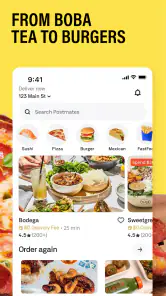
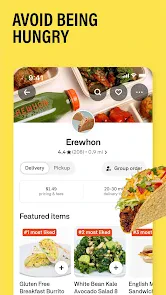
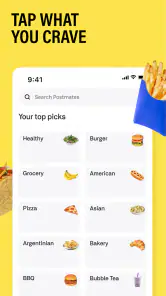
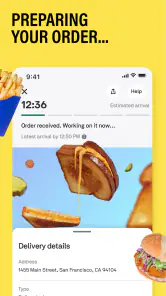
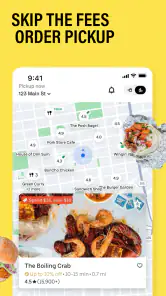

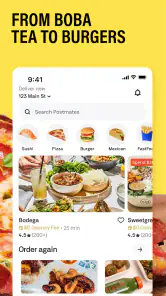
Analysis by Reviewed
When several people are sharing a home, deciding what to eat can take longer than getting the food. I find a delivery app most useful when it helps turn a vague “I’m hungry” into a clear plan: one person checks nearby choices, another confirms what the household actually wants, and nobody has to make a last-minute trip. Postmates - Food Delivery can help with that kind of evening, especially when restaurant food and grocery needs are both on the table.
One household, one order plan
A realistic use is a busy weekday when one person gets home late and the others are already hungry. I’d check what is available around the delivery location, agree on a restaurant or grocery run with everyone, then place the order from the account holder’s phone. That small pause to settle the shared order matters: it can prevent duplicate orders, mismatched sides, or someone assuming that another person has already handled dinner.
Postmates is a free Food & Drink app from Uber Technologies, Inc., and its mix of local meals and grocery delivery makes it more flexible than a restaurant-only ordering app. That flexibility is useful when dinner needs an extra ingredient as much as when nobody wants to cook. It is less compelling if you already know exactly which restaurant you want and its own ordering service is simpler for your household.
Keep account decisions with the account holder
For shared-device use, I’d treat the app as belonging to the person whose account is signed in, rather than as a household account everyone can use without checking. Before anyone places an order, agree on the items, delivery location, and who is paying. This is a practical boundary, not a special family feature: it reduces the chance of an unexpected order or confusion over whose payment details are being used.
One useful habit is to have a second person review the basket before checkout, particularly for a grocery order with several small items. It is easy to overlook a missing staple when everyone is adding requests casually. I’d also make one person responsible for watching the delivery progress and being available at the door; asking several people to monitor it can create the opposite of coordination.
What to check before you commit
Local availability is central to whether the app helps: the choices depend on the address you enter, so I’d check the actual options for the place where the food needs to arrive rather than assume the same selection will appear everywhere. If you are ordering for a group, look over item details and the full order before sending it. A broad menu is convenient, but it can also make it easy to choose quickly without noticing that the group has different preferences or that the grocery list is incomplete.
Delivery tracking is handy when timing matters, but I would not treat an estimated arrival as a firm appointment. If the household has a narrow window for dinner, keep a backup plan rather than letting everyone wait hungry for the order. Compared with picking up food yourself, delivery saves the trip but gives you less control over the final timing; compared with ordering directly from a restaurant, Postmates can make it easier to look across options in one place.
More From Our News Desk

Weather by Xiaomi Review: Clear at a Glance, Less Clear Up Close

X Under Pressure: Can It Recover When Posting Goes Wrong?

Clash of Clans Is Won Between the Battles

Android Auto Makes the Case for Quieter Car Software

MobiOffice: Transforming Mobile Productivity with Seamless Integration

EA SPORTS FC™ Mobile Soccer: Redefining Mobile Sports Gaming
Age, trust, and household expectations
The app is rated for Everyone, but that does not mean every household member should automatically be the person placing orders. I’d keep purchase decisions and account access with an adult or whoever manages the household’s spending, and make expectations clear to anyone using a shared phone. The rating is useful context for the app’s audience, not a substitute for supervision or agreement about payments.
Postmates has a 4.5 average from around 233,000 ratings, and it has been installed over 10 million times. Those figures suggest that it is a familiar option for many people, but they cannot tell you whether your local selection or delivery experience will suit your routine. It is free to download, and version 6.299.10001 runs on iOS 9 or later. The app was released on January 28, 2014, and has about 73,000 written reviews.
I would skip it when the household needs the lowest possible total above all else, when everyone can easily collect food themselves, or when a particular shop’s own ordering route better fits the plan. Delivery convenience is valuable, but it is worth comparing the final order details before deciding that convenience is the best trade-off for that meal.
For a household that often juggles restaurant meals and grocery errands, Postmates is worth trying as a shared planning tool, provided one person stays responsible for the account and checkout. The key question is not just what looks good on screen; it is whether the options at your address, the group’s preferences, and the timing work together. With that simple check, I think it can make an ordinary dinner decision easier without pretending to solve every household’s food routine.
Getting Started with Postmates
So, you download the app, and the first thing you notice is its sleek and user-friendly interface. Navigating through Postmates is a breeze, even for the tech-challenged among us. Once you're in, the app prompts you to enter your location, and voila! A plethora of food choices appear, ranging from your local gem to popular chain restaurants.
What Makes Postmates Stand Out?
One of the features I absolutely love about Postmates is its vast selection. Whether you're in the mood for sushi, craving some spicy Indian curry, or just want a classic cheeseburger, the options are endless. Plus, Postmates isn't just about food. You can order groceries, alcohol, and even that one missing ingredient for your recipe.
The app also offers real-time tracking, which is super handy. Ever been in that situation where you're starving and wondering just how long till your food arrives? With Postmates, you can track your delivery every step of the way, from the restaurant to your doorstep.
Seamless Experience and Great Offers
Nothing beats a good deal, right? Postmates often rolls out promotions and discounts, which is a sweet bonus for frequent users. The app's seamless payment system allows you to pay via credit card, PayPal, or even Postmates gift cards. And hey, if you're feeling generous, you can even tip your delivery person through the app.
Postmates Unlimited is another cool feature for those who find themselves ordering regularly. For a monthly fee, you get free delivery on orders over a certain amount, which, trust me, adds up to significant savings over time.
Final Thoughts
All in all, Postmates - Food Delivery is a must-have app for anyone who loves convenience and variety. It's like having a personal assistant dedicated to your food cravings, and who wouldn't love that? While there are minor hiccups like occasional delivery delays, the overall experience is top-notch. So next time you're lounging at home and hunger strikes, remember Postmates has got you covered, bringing your favorite meals right to your doorstep.
A better way to coordinate the order
For a shared meal, I would separate choosing from buying. First, ask everyone to name one preferred main and any essential grocery items; then browse the available options and settle on a single basket. This keeps the app from becoming a running group chat in which people change their minds while checkout is underway. It is especially useful when one person is paying and the others are simply helping decide.
There is a practical trade-off between a combined order and separate orders. Combining requests makes it easier to keep track of one delivery, but it can force the group to compromise on one place or one shopping list. Separate orders give people more choice, yet they make coordination and arrival timing less predictable. I’d choose the simplest arrangement that matches the occasion, rather than assume one approach is always better.
Restaurant meals and groceries serve different needs
I see the restaurant side as a solution for a meal people want now, while grocery delivery is more useful when the missing item would otherwise interrupt a plan. If a recipe is already underway and one ingredient is absent, checking grocery options can be more sensible than abandoning dinner for a restaurant order. For a full weekly shop, though, I’d compare the available selection and order details carefully before relying on an on-demand app to cover everything.
That distinction also helps avoid a common mistake: adding convenience items without first deciding what the household actually needs. For groceries, I’d make a short list outside the browsing process, then check each item against it before checkout. For a meal order, I’d confirm the number of people and any shared sides before choosing dishes. These small steps reduce the chance of ordering an appealing collection that does not quite make a complete dinner.
Choosing between delivery, pickup, and ordering direct
Compared with calling or ordering from one restaurant directly, Postmates is most useful when I have not settled on a place and want to explore what is available around the delivery address. Direct ordering can be the better choice when I already know the restaurant and want to use its own process. Pickup is often preferable when I am nearby, have time to go out, and would rather avoid depending on delivery timing.
For a household deciding where to order, I would compare the actual choices and the total shown at checkout, not just the menu prices or the first screen of results. The cheapest-looking meal is not necessarily the best fit once the basket is complete, and a convenient option may not justify its trade-off for someone who can collect the order easily. I treat that quick comparison as part of deciding whether to use delivery at all.
Useful checks before a shared-device handoff
If the phone changes hands while people are deciding, I’d keep the signed-in account and final checkout with one trusted person. Other household members can suggest items without taking over payment decisions. Before handing the device to someone else, the account holder should make clear whether the order is only being browsed or is ready to place. That verbal distinction is simple, but it prevents an accidental tap from being mistaken for an agreed purchase.
For a grocery basket, I’d also check quantities and the delivery address as a separate last step. People often make requests in casual terms such as “get some fruit” or “we need milk,” which can leave the person ordering to guess. Confirming the intended item and amount is more useful than trying to resolve a mismatch after placing the order. The same principle applies to restaurant choices: settle the group’s preferences before checkout rather than assuming everyone will be happy with the first appealing menu.
When another plan is the better one
Postmates is not my first choice for every meal. If the delivery address has few appealing options, browsing longer will not solve that limitation. If timing is critical, collecting food yourself or arranging a meal in advance may give you more control. And if a household is trying to keep spending tightly predictable, comparing direct ordering and pickup before committing is a sensible habit.
I would also avoid treating the app as a substitute for a shared household budget or a way to delegate spending without clear permission. Convenience does not remove the need to agree on who is paying and what counts as an acceptable order. For households with different routines, making that expectation explicit is more reliable than assuming everyone understands how the signed-in account should be used.
Who is most likely to appreciate it?
I think the app makes the most sense for people who regularly switch between restaurant meals and small grocery needs, especially when getting out of the house is inconvenient. It can suit roommates coordinating an evening meal, a couple balancing different cravings, or someone working at home who cannot step away easily. The useful part is not simply having many choices; it is being able to check what is available for the relevant address and make one considered decision.
It is less suited to someone who always orders from the same restaurant, prefers to collect every meal, or wants a delivery app to guarantee an exact arrival time. It may also be a poor fit when everyone in a household expects independent access to one account. In those situations, a direct restaurant option, pickup, or a clearer household ordering routine may be less frustrating.
A practical household verdict
My recommendation is to try Postmates when the flexibility of looking for meals and groceries in one place solves a real problem in your routine. Before placing the first shared order, agree on the address, basket, payer, and who will handle the arrival. That gives the app a clear job instead of asking it to manage household expectations on its own.
For a household that values convenience but still wants to stay deliberate, it can be a helpful option rather than an automatic default. I would use it when the available choices suit the group and the saved trip is worth the trade-off, then choose pickup or a direct order when those make more sense. That is the balance I find most useful: let the app simplify the decision, while keeping the final call and account boundaries in the hands of the people sharing the meal.
Postmates - Food Delivery Frequently Asked Questions
Can I browse Postmates before placing an order?
Yes. You can open Postmates and browse the local food and grocery options available to you before deciding what to order. This can help you see whether the app offers choices that suit your needs. Availability is tied to your area, so the selection you see may differ from what someone else sees.
Who makes Postmates, and what kind of app is it?
Postmates is a Food & Drink app developed by Uber Technologies, Inc. It brings local food and grocery delivery options together in one place, letting you explore merchants and order items to your door. The app is free to download, while any charges for an order are separate from the download itself.
Can I use Postmates for grocery orders as well as restaurant meals?
Yes. Postmates supports local food and grocery delivery, so the app can be useful for more than ordering a prepared meal. You can browse available options for your area and place an order for delivery to your door. What appears in the app depends on the service and merchants available where you are.
Is Postmates free to download, and what devices can run it?
Postmates is free to download and is intended for users of all ages. The app is developed by Uber Technologies, Inc., and its current version is 6.299.10001. It requires iOS 9 or later, so check your device’s operating system before downloading. Downloading the app is separate from paying for any orders you choose to place.
What is Postmates and how does it work?
Postmates is a food delivery app that connects you with local restaurants, allowing you to order meals and have them delivered to your doorstep. Users can browse a wide variety of cuisines, place an order through the app, and track their delivery in real-time. The app also offers delivery from grocery stores and other shops, making it a versatile service for getting goods quickly and conveniently.
Pros
- Wide range of restaurants available.
- User-friendly interface for easy navigation.
- Option to schedule deliveries in advance.
- Real-time order tracking feature.
- Frequent promotional discounts offered.
Cons
- Delivery fees can be expensive.
- Limited availability in rural areas.
- Occasional delays during peak hours.
- Customer service can be unresponsive.
- Some menu items are overpriced.
- Category
- Food & Drink
- Version
- 6.299.10001