Peoria Journal Star
- 182.00
- 2.4
- Installs
- 10.00K
- Price
- Free

Screenshots

Analysis by Reviewed
I spent time with Peoria Journal Star as a focused local-news app, and its biggest value is also its clearest limitation: it is built around keeping up with news connected to Peoria rather than trying to replace every news source on your phone. That narrow focus can be useful when local decisions, community events, sports, or regional developments matter to your day. It can also feel restrictive if you want one app to cover the entire country and the world in equal depth.
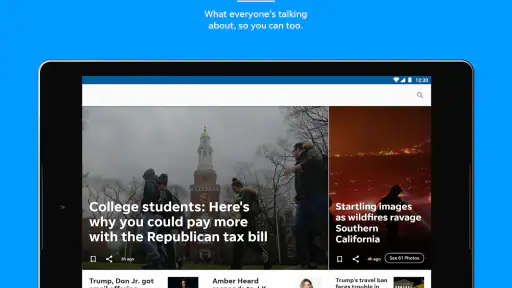
Published by USA TODAY Co., this free News & Magazines app combines local reporting with broader coverage, photography, and video. I found the experience most convincing when I treated it as a quick local briefing rather than as an endless general-news feed. The app’s real strength is reducing the distance between a headline and the place it affects.
Local coverage works best when the app becomes part of a daily routine
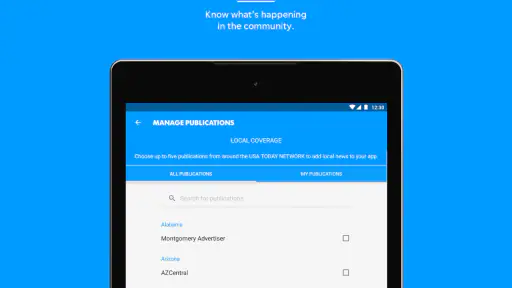
The central capability is straightforward: Peoria Journal Star brings local and national news into one mobile reading experience. The local side is what gives it a reason to exist beside larger national news apps. A national aggregator may tell me that a policy, weather system, or economic change matters, but a local publication can make the story feel more relevant by connecting it to the community around Peoria.
That difference matters in ordinary situations. I might open a general news app for national headlines in the morning, yet still need a local source before making plans for the day. Local reporting can influence which roads I use, whether a community event is worth attending, what is happening with nearby institutions, or how a regional issue is developing. Peoria Journal Star is better suited to that second step than a broad headline service.
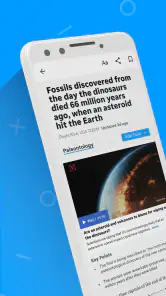
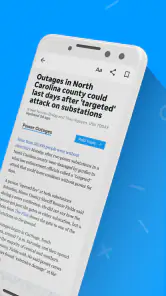
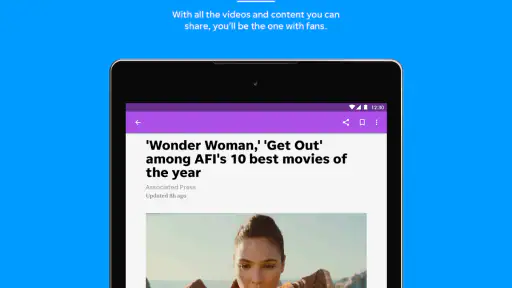
The app also gives visual material and video a meaningful role. News is easier to understand when a photograph shows the setting, people, or consequences behind a story. Video can be especially useful when a written summary feels too compressed. I would not install this app only for visual presentation, but the combination helps local stories feel less like isolated text items and more like reports from a real place.
In practice, I would use it alongside—not instead of—my usual national news source. That is an important distinction. Its local emphasis is an advantage for readers who care about Peoria, but it is not automatically the best choice for someone who wants a worldwide overview, a highly customizable multi-publication feed, or a single neutral dashboard containing many unrelated outlets.
What opening the app feels like in everyday use
The app is free to install, which makes trying it low-risk. It is intended for Everyone, so it is accessible to a broad household audience. The current version is 8.10.3, and the minimum operating-system requirement is Android 8.0. That requirement is worth checking before installing on an older device, especially if the phone has been kept for years and no longer receives modern system updates.
More From Our News Desk

Clash of Clans Is Won Between the Battles

Android Auto Makes the Case for Quieter Car Software

MobiOffice: Transforming Mobile Productivity with Seamless Integration

EA SPORTS FC™ Mobile Soccer: Redefining Mobile Sports Gaming

How Microsoft OneDrive Became a Mobile Productivity Giant

How Google Translate Breaks Language Barriers Effortlessly
I found the most practical workflow was to open it at a natural pause rather than constantly monitor it. A short visit in the morning can establish what is happening locally, while another visit later can catch developments that affect evening plans. This approach prevents the app from becoming another source of background distraction and makes its local focus more useful.
When I encounter a story with a strong image or video, I prefer to treat that material as a starting point rather than as a substitute for the full article. Visuals quickly communicate atmosphere and scale, but the written report usually carries the context needed to understand what happened. My advice is to scan the presentation first, then read beyond the headline whenever the topic could affect a decision.
One useful habit is separating “need to know today” from “worth understanding later.” A local traffic, weather, public-safety, or event story may deserve immediate attention, while a longer community issue is better saved for a quieter moment. The app works more effectively when I use that distinction instead of opening every item simply because it appears in the feed.
A realistic morning with Peoria Journal Star
Imagine a weekday morning before work. I have only a few minutes, so I open the app to check the local picture first. I scan the top headlines, look for anything that could change my route or schedule, and use the photographs to identify which stories are tied to places I recognize. If a video accompanies a major local report, I watch it when I need a faster sense of what is happening, then return to the article for details.
That workflow is more useful than beginning with a long list of national headlines I have already seen elsewhere. The local-first approach helps answer practical questions: Is there a nearby development I should know about? Is an event likely to affect my plans? Is a community issue becoming more significant than yesterday’s brief headline suggested?
Later in the day, I might revisit the app for a deeper read. This is where the broader coverage becomes helpful. I can move from a local story to a national subject without changing apps, which makes the experience more complete than a publication that only offers neighborhood updates. Still, I would keep expectations realistic: the app’s identity remains tied to Peoria, and that is where its editorial value feels most distinctive.
Photography and video change how quickly a story makes sense
The visual side is not merely decoration. A photograph can immediately show whether a story concerns a public meeting, a local event, damage, construction, or a particular community setting. That saves time when I am deciding which article deserves a closer read. Video can provide movement, voices, or a sense of place that a short text preview cannot deliver.
There is a trade-off, though. Rich media can make an app feel heavier during a quick check, particularly when I am trying to read on a limited connection or conserve battery. I also find that visual prominence can draw attention toward a dramatic story even when a quieter local report is more relevant to my day. I try to judge the importance of an article by its information, not only by the size of its image or the presence of video.
For readers who prefer text-only news, this presentation may feel less efficient. For readers who understand local events better through images and clips, it adds genuine context. The best experience depends on whether visual reporting helps you process information or simply encourages more scrolling.
Where the app earns its place beside larger news services
Compared with a general news aggregator, Peoria Journal Star offers a clearer geographic identity. Aggregators are convenient when I want many viewpoints and subjects in one place, but their local coverage can be inconsistent or buried under national stories. This app provides a more direct route to Peoria-related reporting.
Compared with a national newspaper app, it feels more grounded in community-level relevance. A national publication may offer deeper analysis of major international or political stories, while this app is more likely to be useful when the question is, “What does this mean here?” I would choose the national service for broad analysis and this one for local awareness.
Compared with social media, the app offers a calmer starting point for news discovery. Social feeds can surface local events quickly, but they also mix commentary, repetition, and unverified claims with reporting. A dedicated publication gives me a more structured way to begin. I still read critically, especially on emotionally charged subjects, but I prefer not having every headline surrounded by a stream of unrelated reactions.
Compared with a radio or television news routine, the app is more convenient for reading at my own pace. I can inspect a photograph, watch a clip, or return to a story when I have time. The compromise is that a mobile feed requires me to choose what to open; it does not provide the same passive overview as a scheduled broadcast.
The cost question deserves attention before making it a long-term habit
Although the app is free to download, it includes in-app purchases ranging from $14.99 to $69.99 per item. That means I would not assume that every part of the long-term reading experience is included simply because installation costs nothing. Anyone considering a subscription or purchase should examine the offer shown inside the app and decide whether the amount matches how often they expect to use the publication.
For occasional local readers, the free entry point may be enough to decide whether the coverage fits their needs. For frequent readers, the more important question is value over time: will the local reporting become part of your routine, or will you continue relying on another source for nearly everything? I would answer that before paying for anything.
The app’s average rating is 2.4 from around 368 ratings, with roughly 182 written reviews. That feedback suggests a noticeable level of dissatisfaction among some users, so I would approach the installation with measured expectations rather than assuming the experience will suit everyone. Ratings do not explain every individual problem, but they are a useful reminder to test the app personally and pay attention to loading, navigation, and the way access is presented on your own device.
Small habits that make the experience more useful
My first tip is to use the app for local context, not as a replacement for every other source. Start with the stories that could affect your immediate plans, then move to broader subjects only if you have time. This keeps the Peoria focus from being diluted by general headlines.
My second tip is to read the article after using the image or video as a quick orientation tool. Visual material is excellent for deciding whether a report deserves attention, but it can leave out the timeline, qualifications, or background that make a local issue understandable. The combination of visual scanning and full reading is more reliable than either approach alone.
My third tip is to compare an important local story with a second trusted source before acting on it. This is especially sensible for public-safety updates, changing plans, or topics that could affect travel and money. The app can be your starting point, but no single news feed should be treated as the entire picture.
A fourth useful approach is to judge the app after several normal visits rather than after one quick launch. News apps can feel impressive when a major story is breaking and less valuable on a quiet day. I would ask whether the publication consistently helps me understand Peoria better, whether the visual content improves comprehension, and whether the purchase structure feels reasonable for my habits.
Who will benefit most from this focused local perspective
Peoria residents are the obvious audience, but the app can also help people who work in the area, have family nearby, attend local events, or need a regular sense of regional developments. It is particularly suitable for someone who wants a convenient mobile briefing without depending entirely on social media posts or scattered local sources.
People who enjoy photography and video alongside written reporting may appreciate the presentation more than readers who want a bare list of headlines. The app also suits users who like moving from local coverage to national subjects without opening a second publication, provided they understand that the local identity remains the main reason to choose it.
I would be more cautious about recommending it to someone outside the Peoria area with no personal connection to the region. The broader news material may still be useful, but the app’s strongest advantage is geographic relevance. A national aggregator or a publication with wider regional coverage would probably offer better value for that reader.
I would also suggest skipping it if you want a highly personalized news system that pulls together many sources according to detailed topics. This app makes more sense when you trust the value of a specific local publication and want a direct connection to its reporting. If your priority is maximum breadth, deep international analysis, or a completely text-focused interface, another news app may fit better.
My final view after weighing the local benefit against the friction
Peoria Journal Star is most successful when I use it as a local-news companion. Its photography and video help stories feel immediate, while the combination of local and national coverage keeps the app from feeling too narrow. The free download makes it easy to test, and the Everyone age rating makes it broadly approachable.
At the same time, I would not overlook the low average rating, the possibility of paid access through in-app purchases, or the fact that a local publication cannot satisfy every news need. The app is not the obvious choice for someone seeking a universal news dashboard. Its value depends heavily on whether Peoria matters in your daily life.
My recommendation is therefore specific: install it if you want a direct, visual way to follow Peoria and you are willing to judge the paid options carefully. Use it for local awareness, practical planning, and community context, then pair it with another source when you need broader coverage or a second perspective. For the right reader, its focused local viewpoint is more useful than a larger but less relevant stream of headlines.
Peoria Journal Star Frequently Asked Questions
Who publishes the Peoria Journal Star app?
The Peoria Journal Star app is published by USA TODAY Co. and is categorized as a News & Magazines app. It brings the newspaper’s mobile experience to readers who want to follow local and broader news on a phone or tablet. If you already use other news apps, this one is specifically centered on Peoria Journal Star coverage.
What devices and software can run the Peoria Journal Star app?
The app is available for Android and iOS devices that meet the applicable system requirements. On Android, it requires version 8.0 or later, so it is worth checking your device’s software before downloading. Keeping your operating system and the app up to date can also help ensure a smoother experience when browsing articles, photographs, and video.
What is the Peoria Journal Star app?
The Peoria Journal Star app is a mobile news reader for keeping up with local reporting in Peoria and the surrounding Central Illinois area. It typically provides access to breaking news, politics, crime, business, sports, entertainment, opinion, and community stories. The app is designed for readers who want Journal Star coverage in a convenient format while away from a desktop browser.
Is the Peoria Journal Star app free to download and use?
The application is free to download, but access to all articles and features can depend on the publication’s subscription policy. Some stories may be available without an account, while other content can require a digital subscription or an active newspaper subscription. In-app purchases range from $14.99 to $69.99 per item, so review the purchase details before committing to paid access.
What kind of news can I read in the Peoria Journal Star app?
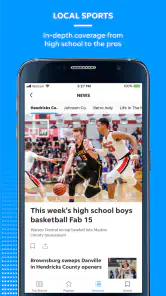
The app focuses primarily on local and regional journalism, making it useful for readers interested in Peoria-area events and issues. Depending on the current edition and available sections, you may find local news, high school and professional sports, obituaries, weather, business updates, investigations, entertainment, and opinion content. Coverage can also include broader Illinois, national, and selected international stories. Its store description also highlights local and national news, photography, and video.
Pros
- Provides local news coverage focused on Peoria and surrounding communities.
- Includes sports reporting for local teams
- schools
- and regional events.
- Breaking-news alerts help users stay informed about important developments.
- Digital access lets subscribers read articles beyond the printed newspaper.
- Offers community-focused stories that may be missed by national news apps.
Cons
- Many full articles may require a paid subscription or active newspaper membership.
- Some content can feel repetitive if you only follow major local headlines.
- Push notifications may become frequent unless carefully customized.
- App performance and loading speed can vary with network conditions.
- Coverage is geographically focused and may have limited value outside central Illinois.
- Category
- News & Magazines
- Version
- 8.10.3