Novelpack
- 2.04K
- 4.6
- Installs
- 500.00K
- Price
- Free
Screenshots


Analysis by Reviewed
I approached Novelpack as a reader looking for something more focused than a general e-book shelf. It is a free Books & Reference app from HK IReader Technology Limited, built around romance novels and web fiction rather than a broad library of every possible reading format. That focus is important: if you enjoy serialized stories, dramatic relationships, and discovering fiction inside a dedicated reading environment, the app has a clear purpose from the moment you open it.
My first impression was that Novelpack is best understood as a discovery-and-reading service, not simply a digital bookshelf. The useful question is not whether it replaces every e-reader you already know, but whether its selection and reading flow match the way you like to consume fiction. I found it most appealing for short reading sessions, ongoing stories, and readers who enjoy browsing until a new plot catches their attention.
The app has a mature audience rating of 17+, so I would not treat it as a family reading app or hand it to a younger reader without checking whether its individual stories are appropriate. It has reached over 500 thousand installs and holds a 4.6 average from around 16 thousand ratings, which suggests that its core audience is responding well to the experience. Those figures are encouraging, but they do not remove the need to judge the actual story catalog against your personal taste.
What to expect when you open Novelpack
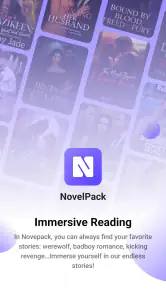
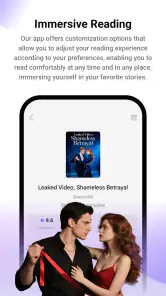
The central experience is straightforward: browse romance and web fiction, choose a story, and read it through the app’s e-reader interface. That sounds simple, but it changes how I would use it compared with a conventional e-book app. A traditional reader often begins with books I already own or deliberately searched for. Novelpack is more suitable when I want the app to help me find my next story.
That makes the first few minutes important. Instead of rushing into the first attractive cover, I recommend pausing to inspect the title’s description, genre cues, and reading position before committing. Web fiction can develop differently from a finished novel. A story may be designed to keep you returning in installments, so the rhythm can feel more like following a series than completing a single book in one sitting.
The strongest reason to try Novelpack is its narrow identity as a romance and web-fiction reader. Readers who want emotional tension, relationship-driven plots, and a steady supply of new fiction will probably understand its appeal quickly. Readers searching for textbooks, technical references, comics, audiobooks, or a personal library manager should look elsewhere instead of expecting this app to become a universal reading tool.
I also noticed a useful distinction between browsing for entertainment and reading with a specific goal. If I have ten minutes before an appointment, the app’s fiction-first approach makes sense: I can look for a promising story and continue where I left off. If I need to consult a reference book, compare passages across documents, or organize my own collection, a more general e-reader would be the better choice.
More From Our News Desk

Clash of Clans Is Won Between the Battles

Android Auto Makes the Case for Quieter Car Software

MobiOffice: Transforming Mobile Productivity with Seamless Integration

EA SPORTS FC™ Mobile Soccer: Redefining Mobile Sports Gaming

How Microsoft OneDrive Became a Mobile Productivity Giant

How Google Translate Breaks Language Barriers Effortlessly
The kind of reader who will get the most from it
Novelpack suits someone who likes discovering stories through recommendations and does not mind reading fiction that may be structured in a continuing format. It is especially convenient for a reader who keeps a phone nearby and wants to turn spare moments into a regular reading habit. The focused catalog also reduces the distraction of browsing unrelated media.
I would be more cautious if you prefer only completed novels, dislike cliffhangers, or want to transfer a carefully organized collection from another reading service. The app’s value depends heavily on whether its selection keeps you interested. A polished reading screen cannot rescue a catalog that does not match your preferred tone, pacing, or level of romance.
Getting started without unnecessary friction
Novelpack is free to install, which makes trying it low-risk at the beginning. I would start by opening the app with a clear idea of what I want from the first session: either find one story worth sampling or decide quickly that the available fiction is not for me. That small goal prevents endless scrolling, which is an easy trap in any story-discovery app.
During setup, I would pay attention to the account and purchase prompts rather than tapping through automatically. The app includes optional in-app purchases ranging from $0.99 to $149.99 per item. That does not mean every reading session requires payment, but it does mean I would check what each purchase unlocks before confirming anything. For a first-time user, the safest habit is to explore the free reading path first and understand the app’s purchase language before spending.
The current version is 12.32.0 and it runs on Android 7.0 or later. That makes it accessible to people using older Android devices, although the practical experience can still vary with screen size, storage, and general device performance. I would install it on the phone I actually use for reading, not assume that compatibility alone guarantees a comfortable session.
On a smaller display, the most important early adjustment is reading comfort. I would test the text size and page appearance with a real chapter rather than judging the interface from a cover or preview. A setting that looks fine for a short description may become tiring after several pages. If the app offers reading controls in the current build, finding them early is worthwhile because comfort matters more than decorative presentation.
Another sensible first step is to decide how you will manage attention. Novelpack is designed around fiction discovery, so the home experience may tempt you to jump between titles. I prefer opening one promising story, reading enough to judge the writing, and only then returning to browse. This gives me a clearer answer about whether a title works for me than collecting several unfinished samples.
Finding a first story worth reading
My recommended first action is not to search for the most popular-looking cover. Instead, I would choose a story whose premise contains a situation I genuinely enjoy, such as a slow relationship build, a high-conflict romance, or a more dramatic web-fiction setup. The reason is practical: a title can look attractive in a feed while its pacing feels completely wrong for your habits.
Once a story opens, I would read past the opening hook before deciding. Romance fiction often needs a little space to establish the characters and the central tension. Stopping after a few lines can make a promising story seem flat, while reading a manageable opening section gives a better sense of voice, pacing, and whether the emotional stakes are convincing.
A realistic use case is an evening commute or a lunch break. I might open Novelpack, continue one story for a few minutes, and stop at a natural point rather than beginning several new titles. The next time I return, I have a clear reading choice instead of having to rebuild my browsing trail. This is where a focused fiction app can become more useful than a large but impersonal library.
For a first successful session, I would use this sequence:
Browse only long enough to identify a premise that matches my taste.
Open the story and read enough of the opening to judge the writing and pace.
Check how the app presents the next reading step before continuing.
Stop after a comfortable session and return later to see whether resuming feels effortless.
This approach also reveals an important trade-off. Discovery is enjoyable when I want variety, but it can become tiring when I already know what I want. If I am looking for one particular author, title, or format, a service built around my existing library may save time. Novelpack feels more rewarding when I am open to being introduced to a new story.
Points that can confuse a first-time reader
The biggest possible confusion is the difference between a free app and completely free reading. Novelpack costs nothing to install, but it also offers in-app purchases. I would therefore treat the installation price and the reading economics as separate questions. Before becoming deeply invested in a story, I would look at how the app presents access to later content and whether a prompt is asking for a purchase, an account action, or simply the next reading step.
This matters particularly with serialized fiction. When a story is released in continuing sections, the emotional momentum can make a reader tap quickly. My advice is to slow down at every payment screen, read the wording, and confirm the amount before proceeding. The available purchase range is wide enough that a casual tap is not a habit I would recommend.
Another point of confusion is the mature rating. The 17+ classification is a meaningful signal that the app is intended for older readers. I would not assume that every title has the same tone or intensity, but I would use the age rating as a reason to preview descriptions carefully and avoid treating the catalog as suitable for children or younger teenagers.
Readers may also wonder whether Novelpack is a replacement for a standard e-reader. In my view, it is not the best replacement if your priority is owning and organizing personal files, reading across many reference categories, or maintaining a carefully curated digital bookshelf. Its identity is much more specific. It is closer to a dedicated fiction destination, where the main activity is discovering and reading romance and web fiction within that environment.
That specialization can be a strength rather than a weakness. A general e-reader may contain more formats but require more effort to find something emotionally engaging. Novelpack narrows the starting point. I would choose it when I want fiction immediately, and choose a general reading app when I need flexibility, document support, or control over an existing library.
How I would handle purchases and reading habits
I would avoid making a purchase during the first few minutes simply because a story has an attractive premise. First, I would test whether the writing keeps my attention and whether I enjoy the installment structure. Then I would decide whether continuing is worth the requested cost. This is a better workflow than treating every promising title as an automatic commitment.
I would also keep my reading list deliberately small. Saving every interesting story can create a crowded shelf and make returning feel like work. Choosing one main story and perhaps one backup title gives the app a clearer role in my routine. The main story supplies continuity, while the backup prevents a poor match from ending the session.
If a story does not work for me, I would move on quickly rather than assuming I need to force myself through it. Novelpack’s value comes from finding fiction that fits my mood. A reader who dislikes the first title should not conclude that the whole app is unsuitable without trying a different premise, but neither should they spend money trying to make an unappealing story become enjoyable.
What stands out after regular use
After the initial novelty, the app’s real test is whether it makes returning to a story easy and whether browsing remains useful instead of repetitive. For me, the best routine would be to open it at a predictable time, continue one title, and only browse after finishing that session. This turns the service from a stream of covers into a manageable reading habit.
The developer, HK IReader Technology Limited, has positioned the product around a specific fiction experience rather than a broad reference toolbox. That clarity helps explain both its appeal and its limits. The app does not need to serve every kind of reader to be worthwhile; it needs to offer enough romance and web fiction that the intended audience can find a continuing reason to return.
I also appreciate that the app can work as a low-commitment way to explore a genre. Someone who normally reads printed novels may use it to sample web fiction without immediately buying a full book. Conversely, an experienced serialized-fiction reader may find the format familiar but judge the app mainly by the strength and variety of the available stories.
The main weakness is that focused discovery can encourage impulse reading and impulse spending at the same time. The more invested I become in a cliffhanger, the more important it is to understand the next access step. That is not a reason to avoid Novelpack, but it is a reason to use it deliberately. I would recommend enabling whatever purchase safeguards are available through the device account and reviewing each transaction before confirming it.
There is also a difference between reading in short bursts and reading deeply. Novelpack makes more sense for phone-based sessions spread across the day. If I want a quiet, uninterrupted reading experience with a book I already own, a dedicated e-reader or a simpler library app may feel calmer. The best option depends less on the label “e-reader” and more on whether discovery or concentration is my priority.
Who should skip it
I would skip Novelpack if I mainly need nonfiction references, school material, professional documents, or a tool for importing and managing my own files. I would also hesitate if I am uncomfortable with mature-rated fiction or do not want an app that includes optional purchases. Those are not minor details; they shape whether the service feels appropriate from the start.
I would choose another option if my ideal reading experience means buying a finished book once and reading it without serialized access decisions. A conventional bookstore app may be clearer for that purpose. I would also look elsewhere if I want audiobooks, a broad multilingual reference collection, or advanced library organization rather than romance-focused discovery.
On the other hand, I would recommend giving it a fair trial if I enjoy relationship-centered plots, like browsing for new web fiction, and often read on my phone in short sessions. The free installation makes that experiment easy, while the mature rating and purchase range provide clear reasons to approach the catalog with adult judgment and financial caution.
My recommendation for the next step
My advice is to begin with one carefully chosen story, not an ambitious reading list. Install Novelpack, browse with a specific mood in mind, open a title whose premise genuinely interests you, and spend the first session judging the writing rather than chasing every recommendation. If the opening keeps you engaged and the reading flow feels comfortable, return to that same story before exploring more of the catalog.
Before paying for anything, make sure you understand what the prompt is offering and whether you are comfortable with the cost. The app is free to start, but optional purchases can reach $149.99 per item, so a thoughtful pause is part of using it well. I would consider the first meaningful success to be finding a story I want to resume tomorrow without feeling pressured to spend immediately.
Novelpack is a good match for readers who want a dedicated home for romance novels and web fiction, especially those who enjoy discovering ongoing stories from a phone. Its 4.6 average and audience of over 500 thousand installs show that it has found a receptive readership, while the 17+ rating and purchase system make it better suited to informed adult users.
My final view is positive but specific: choose Novelpack for focused fiction discovery, not as an all-purpose reading library. If that distinction fits what you want, the app can turn spare moments into an enjoyable reading routine. If you need broad reference material, personal file management, or a completely purchase-free path through every book, another kind of reader will serve you better.
Novelpack Frequently Asked Questions
Can I read novels in Novelpack without paying?
Novelpack is free to download, and readers can explore its romance novels and web fiction through the app. Some stories or reading features may involve in-app purchases, so check the cost of a title or chapter before proceeding. Purchases range from $0.99 to $149.99 per item, and reviewing the checkout details can help you avoid an unexpected charge.
What types of stories can I discover in Novelpack?
Novelpack is an e-reader focused on romance novels and web fiction. It is aimed at readers who want to browse and enjoy written fiction on a mobile device, including stories that may be presented in serialized form. If you have a particular genre or title in mind, explore the app’s catalog before settling on it as your main reading app, since your enjoyment depends on the available stories matching your tastes.
Who develops Novelpack, and what kind of reading experience does it offer?
Novelpack is developed by HK IReader Technology Limited and belongs to the Books & Reference category. Its focus is romance novels and web fiction, presented through an e-reader experience for mobile devices. If you enjoy following stories in serialized form, the app is designed to help you discover fiction and read it on your phone. The overall experience centers on browsing and reading, rather than general-purpose reference material.
What is Novelpack, and what can I use it for?
Novelpack is an app designed for discovering and reading serialized novels and other written stories in a mobile-friendly format. It typically organizes content by genre, popularity, updates, and reading progress, making it easier to find something new. Before downloading, check the current catalog and supported regions, since available titles and features may vary by country or app version.
Is Novelpack free to download and use?
Novelpack is free to download, but access to all stories or reading features can depend on the app’s current business model. Some content may be free, while other chapters could require coins, subscriptions, advertisements, or in-app purchases. In-app purchases range from $0.99 to $149.99 per item, so review the pricing information shown in the app store and inside Novelpack before making any payment.
Pros
- Large selection of novels across multiple genres and reading preferences.
- Simple interface makes browsing and discovering new books straightforward.
- Convenient access to stories from a mobile device wherever you are.
- Useful search and category tools help locate specific titles quickly.
- Regularly updated content can give readers fresh stories to explore.
Cons
- Some titles or chapters may require payment or in-app purchases.
- Content quality can vary between different authors and novels.
- Reading may depend on an internet connection for certain features.
- Advertisements may interrupt browsing or reading in the free version.
- Privacy and account permissions should be reviewed before signing up.
- Category
- Books & Reference
- Version
- 12.32.0