Neonovel-Discover Every Story
- 175.00
- 4.4
- Installs
- 50.00K
- Price
- Free

Screenshots
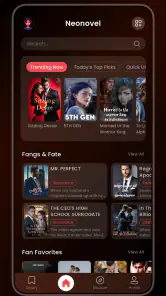

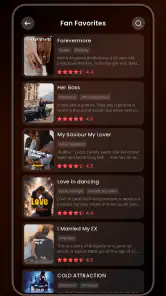

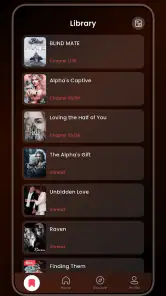
Analysis by Reviewed
I approached Neonovel-Discover Every Story as an education app for readers who want to reconnect with literary moments without treating reading like a homework assignment. Its central appeal is simple: it gives favorite passages and familiar story experiences a more immediate, easy-to-return-to place on a phone. That sounds modest, but it changes how the app fits into a day. Instead of waiting for a long, quiet reading session, I can open it when I have a few spare minutes and let a remembered scene, character, or mood bring me back into literature.
The app is developed by Norkus and is free to install, although it includes optional in-app purchases ranging from $0.99 to $99.99 per item. It is listed for mature users aged 17 and above, runs on Android 7.0 or later, and has reached over 50 thousand installs. Its current version is 1.1.2, while the average rating sits at 4.4 from more than 700 ratings. Those figures suggest a small but active audience rather than a mass-market reading platform, and that is useful context: this feels more like a focused literary companion than a replacement for a full digital library.
What the literary-moment focus changes
The most important capability here is not simply presenting text on a screen. It is the emphasis on reliving favorite literary moments. In practice, that means the experience is built around recognition and return. A conventional ebook app asks me to choose a book, remember where I stopped, and commit to reading onward. Neonovel is more appealing when I want the emotional or imaginative impact of a story without necessarily beginning a full chapter.
That distinction matters for people who read in fragments. I may have enough time for a short bus ride, a coffee break, or a few minutes before sleep, but not enough attention for a long session. With a standard reading app, those moments can feel too brief to justify opening a large book. A focused literary app lowers that barrier. I can approach it with a specific feeling in mind: I want something dramatic, reflective, familiar, or simply absorbing. The value comes from making literature feel available at the scale of a short pause.
I also found that this kind of design encourages a different relationship with remembered scenes. When I return to a favorite moment, I am not only consuming it again. I am comparing my current reaction with the one I had before. A passage that once felt romantic may now seem unsettling; a character I admired may appear less convincing after time away. That makes the app potentially useful for informal study, because rereading small sections can reveal changes in interpretation more clearly than rushing through an entire novel again.
For students, the capability can support revision, but I would not mistake it for a complete academic reading tool. It may help someone revisit a key idea or regain interest in a text, yet serious study still requires the full work, reliable notes, and a way to track arguments or references. I see Neonovel as the spark that brings a story back into focus, not as a substitute for a structured literature platform.
Returning to a story without starting from zero
My favorite aspect of this concept is the reduced effort involved in returning to something meaningful. When I open a full ebook after a long break, I often spend time remembering names, plot points, and the exact place where I stopped. A literary-moment experience can bypass that friction by beginning with the part that already has emotional weight. This is especially helpful with books I enjoyed years ago but do not currently have the patience to reread from the beginning.
More From Our News Desk

Clash of Clans Is Won Between the Battles

Android Auto Makes the Case for Quieter Car Software

MobiOffice: Transforming Mobile Productivity with Seamless Integration

EA SPORTS FC™ Mobile Soccer: Redefining Mobile Sports Gaming

How Microsoft OneDrive Became a Mobile Productivity Giant

How Google Translate Breaks Language Barriers Effortlessly
That convenience also makes the app suitable for readers who are building a personal reading habit. Someone who feels intimidated by long novels can start with shorter encounters and gradually develop curiosity about the larger works behind them. I would recommend it to a friend who says, “I miss reading, but I cannot concentrate for an hour.” The practical answer is not always a productivity plan. Sometimes it is a gentler entry point that makes opening an app feel worthwhile even when attention is limited.
There is a subtle trade-off here. A memorable excerpt can satisfy the desire for a story, but it can also make me stop before discovering the wider context. Literary moments are powerful partly because of what surrounds them: the buildup, contradictions, pacing, and consequences. If I use the app only for highlights, I may enjoy the emotional peaks while losing the architecture of the work. I therefore treat each moment as an invitation to read more, not as proof that the complete experience is unnecessary.
How it fits into everyday use
The app makes the most sense when I give each session a small purpose. I might open it after finishing a demanding task and choose a literary experience that changes my mental pace. I might use a remembered scene as a prompt for journaling, or spend a few minutes comparing how a character’s decision feels now versus when I first encountered it. This is more satisfying than scrolling through unrelated entertainment when I want something with emotional or intellectual texture.
A realistic scenario would be a university student travelling home after a seminar. They may not have the concentration to read a complete academic chapter, but they can revisit a literary moment connected to the day’s discussion. That short session could help them remember a theme, question an interpretation, or find motivation to return to the full text later. The app’s educational category makes sense in this context: its value is not limited to passive amusement, because literary reflection can happen in small, informal intervals.
I also see a use for book clubs. A member who has forgotten a scene can use the app as a quick memory trigger before a meeting. It may help the conversation begin with an emotional response instead of a vague summary. However, I would still verify quotations and context against the complete edition when accuracy matters. A discussion based only on a highlighted moment can become shallow if nobody checks what happened before or after it.
For a parent choosing an app for a younger teenager, the mature 17+ content rating is an important boundary. I would not install it for a child simply because it belongs to education. The subject matter and presentation should be appropriate for the intended reader, and the age classification should be taken seriously. For adults and older students, that rating is less of a concern, but it still signals that this is not designed as a children’s reading product.
A practical routine for getting more from it
I would use Neonovel in three stages. First, I would open it when I have a clear emotional or literary intention rather than browsing without direction. Second, after encountering a moment, I would write down one reaction in my own words. Third, I would decide whether I want to continue exploring that story through a complete book, a class discussion, or another rereading session. This turns a quick visit into a repeatable reading habit.
One useful approach is to pair a moment with a question. Instead of asking only whether I liked it, I might ask what the passage reveals about a character, what has changed since my last reading, or why the scene remains memorable. That small shift makes the app more valuable for education. It also prevents the experience from becoming a stream of disconnected highlights.
Another tip is to avoid using it exclusively when I am already tired. Short literary content is convenient before sleep, but low attention can flatten complex writing into a mood rather than an idea. For reflective use, I get more from it when I have enough energy to pause and think. The app supports brief engagement, but brief does not have to mean careless.
The experience is also better suited to deliberate rereading than to replacing every other reading activity. I would keep a full ebook, printed novel, or library book alongside it. The usual alternatives offer deeper continuity, annotation, and broader context. Neonovel’s advantage is immediacy: it helps me get close to a meaningful part of literature quickly. A conventional reading app wins when I want uninterrupted progress through an entire work.
Where the trade-offs become noticeable
The free entry point is helpful, especially for someone testing whether this style of literary app suits them. At the same time, the presence of optional purchases means I would pay attention before confirming anything. The available purchase range is wide, from less than a dollar to nearly one hundred dollars per item, so the app should be approached with a clear understanding of what is included without payment and what requires an additional purchase. I would not assume that every story experience is available on the same terms.
That pricing structure may be comfortable for a dedicated reader who finds a particular collection valuable, but it can feel less attractive to someone expecting a completely open educational resource. A person who wants a predictable monthly reading service may prefer a library app, subscription ebook platform, or standard store-based reader. Those alternatives can make the cost of ongoing access easier to understand, while Neonovel may appeal more to users who value selected literary experiences enough to consider individual purchases.
The mature age rating is another limitation, not a minor label to ignore. Schools, families, and younger readers may need a different resource even if the educational purpose looks attractive. I would also be cautious about recommending it as the only reading app for a mixed-age household. Its focus is better aligned with adult readers and older students who can choose content responsibly.
The app’s relatively focused purpose may also divide users. If I want searchable access to a large personal library, adjustable reading tools, extensive note-taking, or a clear long-form progress system, I would look elsewhere first. A full-featured ebook reader is more practical for sustained study. If I want literary atmosphere, quick reconnection, and a reason to revisit scenes I already care about, Neonovel has a clearer identity.
There is a further intellectual trade-off: emphasizing favorite moments can encourage a highlights-only view of literature. The most memorable scene is not always the most representative one, and emotional intensity is not the same as literary importance. I would use the app to discover what deserves a closer look, then return to the wider work before forming a strong opinion. That workflow keeps the app’s convenience without allowing it to shrink every novel into a collection of isolated peaks.
When another option is the better choice
I would choose a conventional ebook reader over Neonovel for a long flight, an exam reading list, or any situation where I need to follow a complete narrative from beginning to end. I would choose a library service when budget predictability and broad access matter most. I would choose a note-heavy study tool when I need to mark arguments, organize citations, or build detailed revision material.
I would choose Neonovel when the problem is not access to books but access to the desire to read. That is a different problem, and the app addresses it more directly. It can help someone recover a connection with literature after a busy period, use short breaks more thoughtfully, or revisit a scene that still carries personal meaning. Its success depends less on replacing other tools than on occupying a space they often overlook.
Who will gain the most from this approach
The strongest audience is adults and older students who already respond to stories emotionally but struggle to maintain a long reading routine. The app gives them a manageable way to return to literature without demanding that every session become a major commitment. Readers who enjoy rereading, discussing character choices, or using fiction as a prompt for reflection will probably find more value than people who only want the fastest possible entertainment.
It may also suit someone rebuilding a reading habit after burnout. I would recommend setting a modest goal: one thoughtful session, followed by a note about what stood out. The point is not to measure how much text was consumed. The point is to make reading feel available again. Over time, a powerful moment may naturally lead to the complete story, but that should happen through curiosity rather than pressure.
Teachers and tutors could use the app as a conversation starter with mature learners. A selected moment can open discussion about tone, motivation, conflict, or personal interpretation. Still, I would bring in the surrounding text before treating any excerpt as evidence. The app can make a lesson more inviting, but it does not remove the need for careful reading and responsible context.
I would skip it if I am looking for a children’s literacy tool, a comprehensive digital library, or a single place to manage every book I own. I would also skip it if optional purchases make me uncomfortable unless the access model is completely clear to me. The free installation is a useful opportunity to explore, but “free” should not be confused with unlimited access to every part of the experience.
For my own use, the best role is a bridge between casual phone time and intentional reading. It gives a short pause more substance than ordinary scrolling, while reminding me that literature is worth returning to in different moods and at different stages of life. That is a narrower promise than being a complete reading platform, but it is also what makes the app memorable.
My recommendation after using it as a reading companion
I see Neonovel as a focused education app built around literary reconnection rather than exhaustive reading management. Its strongest capability is the way it makes a meaningful story moment feel close at hand. That works particularly well for fragmented schedules, rereading, informal reflection, and conversations that need a concrete emotional starting point.
My recommendation is positive with clear conditions. Try it if you want a gentle way back into literature, especially if long books currently feel difficult to approach. Keep a complete edition nearby when context, study, or accuracy matters. Check the mature age boundary, and review any purchase carefully before committing. The optional items can suit committed users, but they also mean the free starting point should not be treated as the whole offering.
Ultimately, the app is most successful when I use it as a doorway, not a destination. It can revive interest in a scene, help a forgotten story feel present again, and turn a few spare minutes into a small act of reading. If you want quick literary immersion with enough depth to encourage further thought, this is worth exploring; if you need a full library and serious study controls, a traditional reader will serve you better.
Neonovel-Discover Every Story Frequently Asked Questions
Who develops Neonovel, and what is the app designed for?
Neonovel is an education app developed by Norkus, designed for readers who want to enjoy and relive favorite literary moments through mobile storytelling. Its focus on serialized fiction makes it a fit for people who like reading stories in chapters and exploring different titles at their own pace. If you enjoy following ongoing fiction on a phone, its format may suit your reading habits.
What is Neonovel – Discover Every Story?
Neonovel is a mobile reading and storytelling app focused on serialized fiction. It offers a library of stories that users can read chapter by chapter, often across genres such as romance, fantasy, drama, mystery, and science fiction. The app is designed for readers who enjoy frequent updates, short reading sessions, and discovering stories from different writers and publishing communities.
Is Neonovel free to download and use?
Neonovel is free to download, but the reading experience may include optional in-app purchases, premium chapters, virtual currency, subscriptions, or other paid features. Some stories or chapters may be available for free, while access to additional content can depend on the title. In-app purchases range from $0.99 to $99.99 per item, so check the current pricing and payment terms shown in the app before buying anything.
Does Neonovel require an internet connection?
An internet connection is normally needed to browse the catalog, load stories, synchronize reading progress, access newly released chapters, and use account-related features. Depending on the version and the individual title, some chapters may be available for offline reading after they have been loaded, but offline functionality should not be assumed for the entire library. Availability can also vary between Android and iOS versions.
What types of stories can I find on Neonovel?
The platform is aimed at readers who enjoy ongoing, episodic fiction rather than only completed books. Its selection may include romance, young adult, fantasy, paranormal, thriller, mystery, and other popular categories, with stories presented in a mobile-friendly format. Because the catalog and recommendations can change, users should review the description, genre labels, content notices, and reader feedback before starting a particular story.
Pros
- Large selection of serialized stories across multiple genres.
- Personalized recommendations make it easier to find new reading material.
- Regular updates keep ongoing stories fresh and engaging.
- Simple interface supports comfortable reading on mobile devices.
- Interactive features can make stories feel more immersive.
Cons
- Some stories or chapters may require in-app purchases.
- Content quality can vary between different authors and titles.
- Frequent notifications may feel intrusive for some readers.
- Offline reading options may be limited for certain content.
- The app may use considerable storage as your library grows.
- Category
- Education
- Version
- 1.1.2