MagicWave: Spicy Audio Stories
- 118.00
- 3.5
- Installs
- 100.00K
- Price
- Free

Screenshots



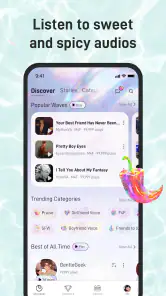
Analysis by Reviewed
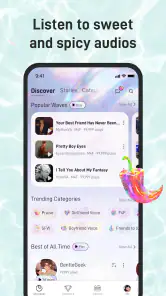
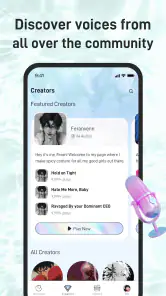
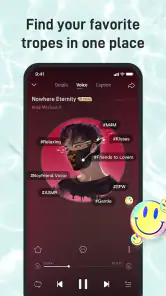
I approached MagicWave: Spicy Audio Stories as an adult audio app rather than a conventional music player. Its focus is spoken entertainment: audible stories, role-play audio, ASMR, and audiobook-style listening with a romantic edge. That makes the first question less about sound quality in the usual music-app sense and more about whether the experience feels comfortable, controllable, and worth fitting into private listening time.
The app comes from META ELEMENTS and sits in the Music & Audio category. It is free to install, marked Mature 17+, and has reached over 100 thousand installs. The audience response is mixed but meaningful: the average is 3.5 from more than 400 ratings, alongside over 100 written reviews. I read that combination as a reason to try it with realistic expectations. There is enough interest to make the concept viable, but not enough consensus for me to call it an automatic recommendation for everyone.
What listening with MagicWave feels like
The strongest part of the concept is its ability to turn short periods of downtime into a more intimate form of entertainment. Instead of opening a feed and visually scrolling, I can choose an audio mood and let the narration carry the session. That suits a quiet evening, a commute with headphones, or a moment when I want something more involving than background music but less demanding than watching a screen.
The romance and role-play angle also changes how I judge the app. With a normal audiobook, I usually care about plot, narration, chapter organization, and whether I can remember where I stopped. With this kind of content, tone and pacing matter just as much. A performance can be technically clear and still feel awkward if the delivery does not match the scenario. I found that the best way to evaluate a title is to give it a few minutes rather than deciding from its label alone.
ASMR listeners may approach the app differently. They are often looking for voice texture, pauses, closeness, or a calming rhythm rather than a conventional story arc. That means the same recording can work for one person as relaxation and feel too slow or too theatrical for another. I would not treat the presence of ASMR as a promise of sleep support; it is better understood as a listening style that may or may not suit your personal response to whispered or deliberately intimate audio.
The audiobook element gives the service a broader use case. If you already enjoy spoken fiction, MagicWave can feel like a more specialized shelf rather than a replacement for every audiobook platform. If your main habit is discovering albums, playlists, or radio, however, the app may seem narrow. It is built around voice-led experiences, not around the depth and breadth I expect from a full music library.
Where it fits into an ordinary day
A realistic example would be an evening when I have finished chores but do not want another television episode. I can put on headphones, lower the room lights, and listen while doing something repetitive such as folding laundry. In that situation, a shorter role-play recording may be more practical than a long audiobook because it gives me a complete mood without requiring a large time commitment. I would still keep the volume moderate, especially if the narration includes sudden changes in intensity.
More From Our News Desk

Clash of Clans Is Won Between the Battles

Android Auto Makes the Case for Quieter Car Software

MobiOffice: Transforming Mobile Productivity with Seamless Integration

EA SPORTS FC™ Mobile Soccer: Redefining Mobile Sports Gaming

How Microsoft OneDrive Became a Mobile Productivity Giant

How Google Translate Breaks Language Barriers Effortlessly
Another useful routine is a short listening window before sleep. Here I would choose carefully. Story tension, romantic dialogue, or lively performances can keep me engaged rather than relaxed. For winding down, a calmer ASMR-style selection may be a better experiment, but I would avoid assuming that every title has the same effect. The app is entertainment first, and personal comfort should decide whether it becomes part of a bedtime routine.
Private listening is important because of the Mature 17+ classification. I would use headphones in shared spaces and remember that notification previews, playback controls, or an unlocked phone can reveal more than intended. That is not a criticism unique to this app; it is a practical consideration for any adult audio service. Still, MagicWave’s subject matter makes the habit especially relevant.
Understanding the free entry point
The free price makes experimentation easy, but it should not be confused with an entirely cost-free listening experience. The app includes in-app purchases ranging from $0.99 to $84.99 per item. I would treat that range as a reason to slow down before confirming anything, particularly when browsing emotionally engaging or serialized content. A low-cost first purchase can feel harmless, while repeated individual purchases may add up quickly.
My preferred approach is to explore without rushing, identify which formats I actually enjoy, and decide on a personal spending limit before buying. I would also check the platform’s purchase confirmation and account settings before handing the phone to someone else. This is one of the less obvious trade-offs of free entertainment apps: removing the installation cost lowers the barrier to entry, but it can make the boundary between sampling and spending less visible during an engaging session.
Because the current version is 1.1.48, I would keep the app updated through the normal store process rather than relying on an old installation. The minimum operating system is Android 6.0, which gives it a broad compatibility range for Android users with older devices. Compatibility alone does not guarantee that every phone will feel equally smooth, though. Audio apps can behave differently depending on battery restrictions, Bluetooth hardware, notification handling, and how aggressively a device pauses background playback.
Trust starts with visible choices
For an adult audio app, trust is not something I would infer from attractive artwork or a polished description. I would look at the permissions requested during installation, the privacy information shown in the store and inside the app, and the controls available around an account. If a permission is unrelated to listening, I would pause and ask why it is needed before allowing it. I would not grant access automatically just because the app is free.
The same caution applies to sign-in. If MagicWave offers a choice between using an account and browsing without one, I would select the least revealing option that still supports the features I want. If an account is required for certain functions, I would use a unique password and avoid entering unnecessary personal details. I would also look for a clear way to sign out, change account information, and remove the account if I stop using the service.
These are not glamorous features, but they matter more to me than a decorative interface. Audio preferences, listening history, saved titles, and purchase activity can all become sensitive in an adult-oriented service. I want visible controls rather than vague reassurance. In practical terms, that means checking the app’s settings before settling into regular use and reviewing the phone’s permission manager afterward.
I would also pay attention to how notifications are worded. A discreet playback notification is useful; a message that displays a suggestive title on a shared lock screen is not. If notification controls are available, I would reduce previews or disable promotional alerts. This is a concrete privacy habit that many people overlook, and it can matter more in daily life than the initial installation screen.
Data-sensitive moments during use
The most sensitive moments are not limited to account creation. They include searching for a title, saving a favorite, making a purchase, and leaving playback history on a device that other people use. I would avoid signing in on a shared tablet unless I could reliably log out afterward. On a personal phone, I would still use a screen lock and consider whether cloud backups or family device sharing might expose app activity.
I would be especially careful with payment confirmation. Since individual purchases can reach a high amount, I would verify the selected item and final price before approving a transaction. If the operating system supports purchase authentication, I would keep it enabled. That adds a small pause, but the pause is valuable when the content is designed to encourage immersive, impulse-friendly listening.
Another practical tip is to test playback with the screen locked and with Bluetooth disconnected before relying on the app during travel. If the app pauses or behaves differently in those situations, I would rather discover that at home than during a commute. I would also check battery settings if playback stops unexpectedly, since some Android devices restrict background activity to preserve power. That troubleshooting step is more useful than immediately assuming the recording itself is faulty.
For people who share a family payment method, the purchase side deserves a direct conversation. A Mature 17+ app should not be treated like a child-friendly music service simply because the installation is free. I would keep purchase authentication active and make sure the device owner understands which account is being charged. This is a simple way to protect both privacy and the household budget.
How much control does the listener really have?
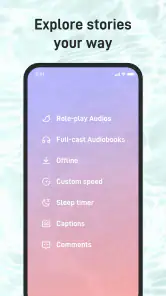
User agency comes down to whether I can decide what to hear, when to stop, and what information remains visible afterward. I would look for ordinary playback controls, a way to pause quickly, and enough organization to return to a story without searching from scratch. For spoken content, resuming matters more than it does with a casual song because losing a scene or chapter can break the experience.
I would also consider whether the app lets me separate different moods in my own routine. Someone may want romantic role-play at one time, relaxing ASMR at another, and story-driven audio on a weekend. If everything is presented as one undifferentiated stream, discovery can become tiring. My workaround would be to keep a small personal shortlist and avoid saving every title that looks interesting. Fewer saved items make it easier to retain control over what appears in the next session.
The mature classification should influence household use as well. I would not assume that a generic family profile, shared speaker, or car audio system is appropriate for this content. Headphones provide the clearest boundary, while a private room and a deliberate volume check reduce the chance of accidental exposure. That is a user-choice issue, not merely a technical one.
There is also a trade-off between convenience and privacy. A personalized history can make returning to a favorite story easier, but it also creates a record of listening behavior. If the app provides history-management options, I would use them according to my comfort level. If I do not need recommendations or synchronized progress, I would avoid creating more account activity than necessary.
Where it beats familiar alternatives
Compared with a standard music streaming app, MagicWave is more focused if what I want is narrated intimacy, role-play, or ASMR rather than songs. A music service may offer spoken podcasts and audiobooks, but finding this particular mood can take more searching. MagicWave’s specialization is its advantage: I can arrive with a clearer idea of the kind of audio experience I want.
Compared with a large audiobook platform, the appeal is different. Traditional audiobook services are usually stronger for major books, long-form narration, library management, and structured reading progress. MagicWave makes more sense when I want shorter, more atmospheric, or more adult-oriented audio rather than a broad literary catalog. I would keep a conventional audiobook app if long novels are my main habit.
Compared with free podcast apps, the decision depends on discovery and ownership. Podcasts are excellent for news, interviews, comedy, and ongoing shows, while MagicWave is aimed at a more private, mood-led form of listening. If I want information or conversation, I would choose podcasts. If I want a narrated scenario that does not feel like a public broadcast, this app has a clearer reason to exist.
Compared with dedicated ASMR platforms, the presence of stories and role-play may be a benefit or a distraction. Someone who wants only carefully categorized relaxation recordings may prefer a specialized ASMR service. Someone who enjoys moving between whispered ambience, romantic scenes, and fiction may appreciate having those styles together. The right choice depends on whether variety feels useful or makes the catalog less focused.
Who should try it, and who should skip it
I would recommend trying MagicWave to an adult listener who already enjoys spoken romance, character-based audio, or ASMR and wants those formats in one place. It is also a reasonable experiment for someone who finds visual entertainment tiring and wants a more private, screen-light alternative. The free installation means the initial test is straightforward, provided the listener pays attention to age suitability, permissions, notifications, and purchase prompts.
I would not choose it as my primary app if I mainly want music discovery, offline album collections, radio, or a large mainstream audiobook catalog. I would also skip it for a shared family device where adult content could appear in recommendations or notifications. People who dislike theatrical narration, intimate dialogue, or whisper-heavy recordings may find the central concept uncomfortable rather than engaging.
I would be cautious if impulse spending is a concern. The individual purchase range makes it important to understand what is paid before starting a series. I would also avoid making it a default bedtime tool until I know which types of audio help me relax rather than keep me awake. The app can support a personal routine, but it should not dictate one.
My cautious verdict
MagicWave is an interesting niche audio app with a clear identity. Its combination of audible stories, role-play, ASMR, and romantic listening gives it more personality than a generic player, and the free entry point makes a careful trial reasonable. I like it most when I treat it as a private entertainment shelf for specific moods, not as a replacement for music streaming, podcasts, or serious audiobook services.
My main reservation is not the concept itself but the need for deliberate use. The Mature 17+ classification, the possible sensitivity of listening history, and the wide in-app purchase range all make account controls, notification settings, permissions, and payment confirmation worth checking before regular use. Those steps take only a little time and give the listener more control over the experience.
With an average of 3.5, the public response suggests a mixed experience rather than universal approval. That matches my view: the app is likely to work best for people who already know they enjoy this style of audio. I would recommend trying it slowly, using headphones, reviewing every visible privacy and purchase choice, and keeping expectations specific. If you want adult spoken entertainment with a romantic and ASMR-leaning atmosphere, MagicWave is worth a cautious look; if you want a complete music or audiobook replacement, choose a broader service instead.
MagicWave: Spicy Audio Stories Frequently Asked Questions
What does MagicWave offer besides spicy romance stories?
MagicWave is an audio app built around narrated stories, role-play audio, ASMR, and audiobooks, with romance among the styles highlighted. That mix may appeal if you want listening content rather than video, though the experience depends on the stories and audio available in the app. Its category is Music & Audio, and the short store description is simply “MagicWave.”
What is MagicWave: Spicy Audio Stories?
MagicWave: Spicy Audio Stories is an audio-focused entertainment app featuring romantic, dramatic, and mature-themed stories designed to be enjoyed through headphones or a mobile speaker. Instead of relying on video, it uses narration, dialogue, sound effects, and atmosphere to create immersive episodes. The catalog may include different genres and story styles, so users should review the available content and age rating before listening.
Is MagicWave: Spicy Audio Stories suitable for everyone?
No. The app is intended for mature audiences because some stories may contain sensual themes, suggestive conversations, adult relationships, strong language, or other content that is not appropriate for children. Parents and guardians should use the platform’s available device-level parental controls and check the store rating. Content can vary between episodes, so reading descriptions before playing is recommended. MagicWave carries a Mature 17+ rating.
Does MagicWave require a subscription or offer in-app purchases?
MagicWave may provide a mixture of free listening and premium access, depending on the current catalog, region, and promotional offers. Certain episodes, series, or listening features can require a subscription, credits, or another in-app purchase. Before confirming payment, check the app’s pricing page, renewal terms, trial conditions, and cancellation instructions, since subscription availability and prices can change over time. The app is free to download, with in-app purchases ranging from $0.99 to $84.99 per item.
Can I listen to MagicWave stories offline?
Offline listening depends on the version of the app and the access provided for each story. If downloads are supported, users generally need to save episodes while connected to the internet and may need to remain signed in to verify access. Downloaded audio can also use considerable storage space. Check the episode menu and app settings for download controls, storage management, and any limitations on offline playback.
Pros
- Immersive audio design makes stories enjoyable without needing to look at the screen.
- Short episodes fit easily into commutes
- breaks
- or relaxing bedtime routines.
- A wide range of romantic scenarios helps appeal to different listener preferences.
- Streaming audio uses less storage than downloading large video-based content.
- Simple playback controls make it easy to pause
- resume
- and continue listening.
Cons
- Some stories may feel repetitive if you listen frequently or prefer more varied plots.
- The mature themes may not be suitable for younger audiences or shared listening spaces.
- Audio quality and narration can vary between individual stories and episodes.
- A stable internet connection may be needed for smooth playback while streaming.
- The most appealing content may be restricted to a paid subscription or premium access.
- Category
- Music & Audio
- Version
- 1.1.48