Lucky Melody - Earn Money
- 16.00
- 4.2
- Installs
- 100.00K
- Price
- Free

Screenshots

Analysis by Reviewed
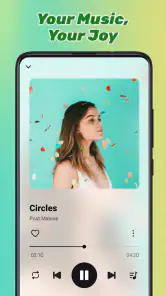
I approached Lucky Melody - Earn Money as a music and audio app rather than as a full replacement for the larger streaming services I already use. Its central promise is simple: keep music available while I move through the day, with an experience aimed at people who want quick access instead of a complicated setup. That focus makes it easy to understand, but it also means the app needs to be judged by how smoothly it fits into ordinary listening habits, not by how many advanced tools it offers.
Developed by Jude Ncusu, the app is free and rated for Everyone. It has reached over 100 thousand installs, with a 4.2 average from around 384 ratings and 16 written reviews. It runs on Android 7.0 and later, and the current version is 1.0.1. Those details place it in the accessible end of the music category: it can work on many older Android phones, and there is no purchase barrier before trying it.
Keeping music close without making listening complicated
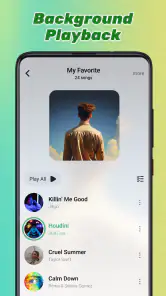
The capability that stood out to me is the app’s portable listening approach. Instead of presenting music as something tied to a particular room, device, or elaborate library routine, Lucky Melody - Earn Money is built around the idea that I can take my listening with me. That sounds modest, but it affects how I use an app during small gaps in the day: while getting ready, walking locally, waiting for transport, or taking a break from work.
In practice, this kind of design is most useful when I want to start listening quickly. I do not want to spend several minutes adjusting a large collection before hearing anything. A lightweight music app can be more appealing when the goal is immediate background audio rather than careful album management. I found that the value is less about replacing every music tool and more about giving casual listeners another straightforward place to begin.
The short store description is simply “Lucky Melody,” while the broader summary presents it as a way to take music anywhere and listen without limits. I would interpret that as a convenience-first message, not a guarantee that every listening situation will match the features of a premium streaming platform. The distinction matters because people often use “without limits” to mean several different things, including unlimited skips, downloads, offline playback, or an unlimited catalog. I would not assume all of those meanings automatically. The practical strength here is the app’s direct purpose: making music feel easy to reach.
What the portable approach changes in everyday use
When I test a music app, I pay attention to the moments before playback starts. An app can have an attractive interface yet still feel tiring if it makes me search too much, repeat setup steps, or navigate through screens that are not relevant to a quick listening session. Lucky Melody - Earn Money makes more sense for someone who values a low-effort routine. Open it when you have a few minutes, choose something suitable, and let it fill the background while your attention stays elsewhere.
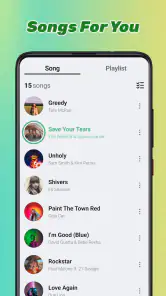
That is particularly useful for listeners who do not maintain carefully organized playlists. Some people want a personal library with folders, mood labels, downloaded albums, and detailed sorting. Others simply want music available during a walk or household task. For the second group, a smaller and more focused app may feel less demanding than a service designed around a huge catalog and constant recommendations.
More From Our News Desk

Clash of Clans Is Won Between the Battles

Android Auto Makes the Case for Quieter Car Software

MobiOffice: Transforming Mobile Productivity with Seamless Integration

EA SPORTS FC™ Mobile Soccer: Redefining Mobile Sports Gaming

How Microsoft OneDrive Became a Mobile Productivity Giant

How Google Translate Breaks Language Barriers Effortlessly
There is also a practical advantage in supporting Android 7.0 and later. Owners of older phones are not automatically pushed toward a newer device just to try a current music app. On an older handset, I would still keep expectations sensible: the listening experience depends on the phone’s storage, battery condition, speakers, headphones, and general performance. Compatibility makes installation possible, but it does not turn an aging phone into a modern media player.
How I would use it during a normal day
My most realistic scenario would be a short afternoon walk after finishing work. I would open the app before leaving, settle on music that matches the pace of the walk, and keep the phone in my pocket. The benefit is not that it transforms the walk; it is that the app can stay in the background of the activity without demanding constant attention. That makes the portable concept feel more meaningful than a slogan.
A similar routine works for cooking or tidying a room. I would choose music before starting, place the phone somewhere safe, and avoid treating the app like a task that needs supervision. This is where a simple audio app has a chance to outperform a more feature-heavy alternative: fewer decisions can be helpful when music is only one part of what I am doing.
For commuting, I would prepare more carefully. Network conditions, phone battery, and the way the app handles interruptions can all affect the experience. I would test it on a short trip before relying on it for a long journey. If I were heading somewhere with unreliable connectivity, I would not assume that a song would remain available unless the app clearly provides a way to save it for offline use. That is an important habit with any music service, and it prevents a convenient listening plan from becoming a silent ride.
Small habits that make the experience smoother
One useful habit is to decide what kind of listening session I want before opening the app. If I am looking for background music, I avoid approaching it with the same expectations I would bring to a dedicated library manager. If I want a specific artist, album, or carefully ordered sequence, I first consider whether a more established music service would be a better match. This simple distinction saves time and keeps the app’s strengths in perspective.
I would also test the app on both headphones and the phone’s speaker. A listening experience that feels fine through headphones may not suit a room, while a speaker-friendly session may reveal that I need a different volume level or placement. These are not special features of Lucky Melody - Earn Money, but they are practical ways to judge whether its portable role fits my own routine rather than someone else’s.
Another worthwhile workflow is to use short sessions as a trial. Instead of making it my only music app immediately, I would use it during a walk, a coffee break, and a household task. After those sessions, I would know whether its navigation and playback style feel natural. This is more informative than deciding based only on the app’s name or its store summary.
Where it differs from the usual alternatives
The familiar alternatives in this category tend to divide into two groups. Large streaming platforms usually offer broad discovery, polished libraries, playlists, artist pages, and account-based continuity across devices. Local music players, on the other hand, are better when I already own audio files and want precise control over folders, tags, playback order, and storage.
Lucky Melody - Earn Money appeals to a different preference: accessible listening without requiring me to treat music like a collection-management project. That can be refreshing for casual use. The trade-off is that I should not expect the same depth as a mature streaming ecosystem or the same control as a dedicated local player. If I spend much of my time organizing albums, building long playlists, or moving a library between devices, one of those alternatives is likely to serve me better.
The free price is a strong reason to try it, especially for someone who wants to avoid committing to a subscription before knowing whether the app fits. At the same time, free apps can involve compromises in presentation, discovery, or the overall flow. I would judge Lucky Melody - Earn Money by how little friction it adds to listening, not simply by the fact that it costs nothing.
The trade-offs I noticed in the concept
The biggest limitation is expectation management. “Take your music anywhere” sounds broad, but portability alone does not answer every question a regular listener has. I still need to think about connectivity, interruptions, battery use, and whether the available listening style matches my habits. A portable app is only genuinely convenient when those surrounding details remain manageable.
I would also be cautious if I wanted a single app for every audio need. Someone who listens to podcasts, radio, audiobooks, personal recordings, and music may prefer a broader platform with separate content types and stronger organization. Lucky Melody - Earn Money is easier to assess when music is the main requirement and the user is comfortable with a focused experience.
There is a second trade-off between simplicity and control. A streamlined app can help me start listening faster, but it may not satisfy me when I want detailed sorting or a carefully planned queue. I see this as a choice rather than an automatic flaw. The right question is whether I value quick access more than deep customization. For casual listening, I lean toward quick access; for serious library management, I would choose a different tool.
People who need dependable listening during flights, rural travel, or places with poor reception should be especially deliberate. I would verify the app’s behavior in the exact conditions that matter to me before making it part of an important trip. A short local test is enough to reveal whether my routine depends on a connection or whether the app supports the kind of preparation I need.
Who is most likely to enjoy it
I think the best audience is the casual Android listener who wants a free way to keep music nearby and does not need a complex media library. It is also a reasonable option for someone using an older Android phone, provided the device itself remains comfortable for audio playback. The Everyone age rating makes it approachable for a broad audience, although parents should still apply their normal judgment to any app used by younger family members.
It may also suit people who prefer trying several music apps rather than placing all their listening inside one large service. A secondary app can be useful for separating casual background sessions from a carefully maintained personal library. In that role, Lucky Melody - Earn Money does not need to replace everything; it only needs to make certain listening moments easier.
I would recommend looking elsewhere if your priority is advanced playlist curation, a large cross-device ecosystem, detailed offline planning, or strict control over locally stored files. Those needs call for an app whose main design is built around them. I would also skip it if I am unwilling to test how it behaves with my connection and headphones before depending on it daily.
My final view after weighing convenience against control
Lucky Melody - Earn Money is most convincing when I treat it as a straightforward companion for everyday music, not as a universal answer to every audio requirement. Its free access, broad Android compatibility, and portable focus make it easy to try. The experience is likely to appeal to listeners who want less ceremony between opening an app and hearing music.
My recommendation is therefore practical rather than absolute: try it during several short, ordinary listening sessions. Use it on a walk, during a household task, and in a place where your connection is typical. If the app’s direct approach fits those moments, it can earn a useful place on your phone. If you need a deeply organized catalog or guaranteed travel-ready playback, a more specialized alternative will be the better choice.
For me, the strongest takeaway is that convenience has value when music is supporting the day rather than becoming the day’s main project. That is the situation in which this app makes the most sense, and it is also the clearest way to decide whether it belongs in your own listening routine.
Lucky Melody - Earn Money Frequently Asked Questions
What kind of app is Lucky Melody - Earn Money?
Lucky Melody - Earn Money is a music and audio app described as a way to take your music anywhere and listen without limits. Its short description is “Lucky Melody.” If you are interested in the listening experience, check the app’s current store page and in-app details before installing so you can decide whether it fits the way you want to listen to music.
Is Lucky Melody - Earn Money free, and which devices can run it?
Lucky Melody - Earn Money is free to download. It requires Android 7.0 or later, so check your device’s software version before installing. The app is listed for everyone, making its stated age suitability broad. App availability and compatibility can depend on the device and platform, so use the official app store listing for your device when deciding whether to download it.
What is Lucky Melody - Earn Money, and how does it work?
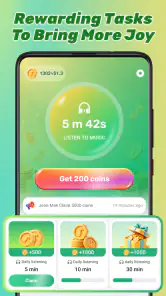
Lucky Melody - Earn Money is an entertainment and rewards app that may let users earn points or virtual credits by completing activities such as listening to music, interacting with content, checking in, or participating in promotional offers. After reaching the required balance, users may be able to request a supported reward. The exact activities, rates, and redemption options can vary by country and app version.
Can you really earn money with Lucky Melody - Earn Money?
The app may provide rewards for eligible activities, but it should not be considered a reliable source of income. Earnings are generally small, and reaching the minimum withdrawal threshold can take time. Availability of tasks, bonuses, and payment methods may depend on your location, account status, and current promotions. Always review the in-app terms before investing significant time.
How can rewards be withdrawn from Lucky Melody - Earn Money?
Withdrawal procedures depend on the options currently offered inside the application. Users may need to accumulate a minimum number of points, verify their account, and provide accurate payment details before submitting a request. Processing times can vary, and some rewards may be unavailable in certain regions. Check the withdrawal page carefully for fees, limits, and eligibility requirements.
Pros
- Simple interface makes the app easy to navigate.
- Multiple earning activities provide variety for users.
- Social features can make participation more engaging.
- Low storage requirements suit devices with limited space.
- Regular tasks may offer reasons to return to the app.
Cons
- Earnings can be small compared with the time required.
- Reward availability may vary by country or region.
- Some tasks may redirect users to external websites.
- Cash-out rules and minimum thresholds may limit flexibility.
- Ads and promotional content can interrupt the user experience.
- Category
- Music & Audio
- Version
- 1.0.1