LingoDeer - Learn Languages
- 16.33K
- 4.4
- Installs
- 10.00M
- Price
- Free

Screenshots



Analysis by Reviewed
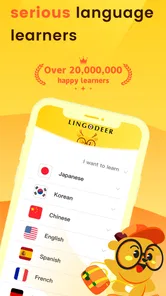
When I’m choosing a language-learning app, I want more than a string of translated phrases: I want to understand why a sentence works and have a practical way to revisit it later. That is the appeal of LingoDeer. It is an education app from LingoDeer - Learn Languages Apps, and its guided lessons make it especially appealing if you want a structured start with Japanese, Korean, Chinese, Spanish, French, or German.
How it fits into a real routine
I can see this working well in the small gaps of an ordinary day. For example, I might complete a lesson while waiting for a train, then use the lesson notes later at home to review a grammar point that did not stick. That split between a short practice session and a slower look at the explanation is more useful than trying to cram a long study session into a busy evening.
One practical habit is to pause after a lesson and make a sentence of your own using its pattern, rather than simply moving on once the exercises are complete. The app can provide structure and practice, but creating a personal example helps me notice whether I understand the idea or have only recognized the right answer on screen. I would also keep a small list of questions to revisit, especially when a similar-looking phrase has a different grammatical role.
The current version is 2.99.374, and the app has grown into a widely used option, with over ten million installs and an average rating of 4.5 from around 446,000 ratings. Those figures suggest that it has found a substantial audience, but they do not tell me whether its teaching style will suit a particular learner. I would use the first sessions to judge the lesson pace and explanations for the language I actually want to study.
What Makes LingoDeer Stand Out?
First off, the app isn’t just another one-size-fits-all language tool. It’s specifically designed for learners of Asian and European languages. This means if you’re diving into Korean, Japanese, Chinese, Spanish, French, or German, you’re in good hands. The lessons are crafted with precision to ensure you’re not just memorizing phrases but actually understanding the grammar and structure of the language.
That emphasis on structure is where I would compare it with the familiar alternatives. A flashcard app can be quicker for drilling a list of words, while a conversation-focused service may be a better fit if your main goal is speaking freely with another person. I would choose LingoDeer when I want a guided path through sentence patterns and explanations, then pair it with real listening or conversation practice if I need more spontaneous use of the language.
A Dive into the Features
When you fire up the app, you’re greeted with a user-friendly interface that’s both intuitive and engaging. You can tell a lot of thought went into making the navigation seamless. One of my favorite features is the offline mode. Let’s be real, we’re not always in places with stellar internet, and having the ability to learn on-the-go without worrying about connectivity is a huge plus.
More From Our News Desk

 Gmail
Gmail in a Busy Inbox: Who Benefits Most?
From first account to crowded workday, Gmail earns its place through dependable search and flexible sorting—but its best fit depends on how much inbox maintenance you can tolerate.

 Prime Video
Switching to Prime Video: What Changes in Your Viewing Routine
Prime Video can make a compelling second home for streaming, but switching means learning a different catalog, rental layer, and route from browsing to playback.

 Universal TV Remote Control
 Works Best as a Reliable Backup
A phone remote earns its place through quick setup and reliable habits. Here is how to get more from Universal TV Remote Control—and where its limits show.

 Weather - By Xiaomi
Weather by Xiaomi Review: Clear at a Glance, Less Clear Up Close
Xiaomi’s weather app makes everyday forecasts quick to scan, but its calm surface can leave useful details and recovery paths harder to find than they should be.

 X
X Under Pressure: Can It Recover When Posting Goes Wrong?
A resilience-focused review of X, examining setup, mistaken posts, interruptions, weak connections, and the gaps that matter when recovery needs to be dependable.

 Clash of Clans
 Is Won Between the Battles
Its raids are quick; its community is a long-term project of coordination, teaching, rivalry, and shared responsibility—with all the friction that entails.
Latest News



Offline access is particularly handy for a commute or travel day, but I would plan ahead: download what I need while connected, then use that time for a focused lesson rather than expecting an offline session to replace every part of language study. A useful routine is to revisit a completed topic after a day or two and check whether I can still recall the pattern without leaning on the answer choices. That turns spare minutes into retrieval practice instead of just another pass through familiar screens.
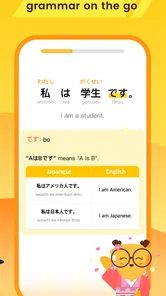
Another standout feature is the detailed notes that accompany each lesson. They’re like having a mini textbook in your pocket. These notes help clarify tricky grammar points and provide cultural insights, which is super handy if you’re a beginner or even at an intermediate level wanting to deepen your understanding.
I would treat those notes as a reference, not as a reason to read every explanation before trying an exercise. Attempting the question first helps reveal exactly what I misunderstood; then the note has a clear job to do. If I am studying a language with unfamiliar sentence order, I would also compare a few examples in the notes rather than memorizing one translation in isolation. That small step can make the difference between learning a reusable pattern and remembering a single answer.
Learning Experience
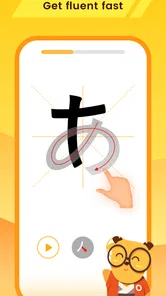
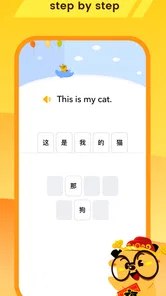
LingoDeer excels in making learning interactive. The app uses a variety of exercises that include listening, speaking, reading, and writing. This multi-faceted approach ensures you’re not just passively absorbing information but actively using what you’ve learned. The cute animations and the gamified experience keep things light-hearted, and honestly, it doesn’t feel like studying at all.
One thing that really impressed me was the speech recognition feature. It’s not just about repeating words; the app actually gives you feedback on your pronunciation. It’s like having a tutor who’s available 24/7. Plus, the spaced repetition system (SRS) is a game-changer. It helps reinforce what you’ve learned at just the right intervals, so it sticks with you longer.
For pronunciation, I would use recognition as a practice signal rather than a final verdict on how I sound. Repeating a short phrase carefully can help me notice sounds I tend to blur, but an app exercise is not the same as being understood in a live conversation. A sensible workflow is to say the phrase aloud, listen again, and then try it at a natural pace; that keeps the exercise useful without mistaking a successful check for conversational fluency.
The structured format is also a trade-off. It can keep a beginner from feeling lost, but learners who already know the basics may find some guided material slower than they want. If I were returning to a language after years away, I would use the early lessons to identify gaps rather than assume I need to complete every exercise at the same pace. And if my priority were free conversation, I would add a speaking partner or another source of open-ended practice instead of expecting any lesson app to do all the work.
The app is free to download, with in-app purchases ranging from $0.99 to $299.99 per item. I would check what is available in the app before committing money and decide whether the amount of guided practice I actually use justifies it. It is suitable for everyone, and it has been available since September 8, 2017; the long-running presence is useful context, but I would still judge it by whether its current course style fits my goals.
Choosing a Language and Setting Expectations
With six languages to choose from, the first useful decision is not which one sounds most impressive but what I expect to do with it. A traveler who wants to recognize common sentence patterns has a different immediate need from someone studying for a class or trying to read more comfortably. I would pick one language and one practical goal before starting, so the lesson sequence has a purpose beyond collecting completed exercises.
That choice also helps answer whether the app should be my main resource. For a beginner who likes clear explanations, a guided course can make the first steps less intimidating than assembling videos, dictionaries, and word lists alone. If I already have a textbook or classroom course, I would use the app to reinforce familiar material and notice weak spots, rather than run two full curricula side by side. The latter can create a lot of activity without much progress.
It is worth distinguishing recognition from recall as the lessons become familiar. Multiple-choice prompts can feel comfortable because the answer is visible, but that does not prove I can produce the same form from memory. Before tapping, I would try to say or write the answer myself. If I cannot, I would mark the pattern for another look instead of treating a correct guess as mastery. This is a simple way to make short sessions more honest and useful.
Small Study Choices That Make a Difference
A realistic weekday routine might be one brief lesson during a commute, followed by a two-minute review at home where I explain one grammar point in my own words. I would keep that review deliberately small. Trying to study every note and exercise in one sitting can make the app feel like a chore; choosing one item to recall later gives me a clearer signal about what actually stuck.
For a trip, I would focus on patterns that help me adapt a phrase, not just repeat a memorized line. If I learn how a basic sentence is arranged, I can try swapping in a different word and see whether the structure still holds. The app’s explanations are useful for that kind of deliberate practice, while a phrase list may be faster when I only need a few expressions for a specific situation. Neither approach covers every need, so I would use the one that matches the task.
Offline use makes planning matter. I would prepare the material before leaving a reliable connection, then save the commute for practice rather than troubleshooting access. If I have only a few minutes, reviewing an older lesson can be more valuable than rushing into new content; if I have a longer quiet stretch, I can work through a new topic and spend time with its notes. Matching the task to the time available keeps the routine realistic.
Another useful check is to revisit an explanation after a few days and try to reconstruct the rule before reading it again. If I can explain it plainly and make a new example, I probably understand more than I would from recognizing a familiar screen. If I cannot, that is not a failure; it tells me exactly what to review. This approach is especially useful when grammar differences are subtle and a quick correct answer can hide a shaky understanding.
Where It May Not Be Enough
LingoDeer is not the app I would rely on alone if my main aim were spontaneous conversation. Its lesson structure can build a foundation, but real exchanges involve pauses, unexpected replies, and having to choose words without a prompt. I would add listening to natural speech and conversation with another person when those skills matter. Likewise, someone who needs specialized vocabulary or detailed correction of longer writing should look for resources aimed at those needs.
It may also be a slower fit for a learner who already has a strong foundation and wants to skip straight to advanced material. In that case, I would first test whether the early content adds value or merely repeats what I know. The app’s guided approach is most compelling when explanations and sequencing help; it is less compelling if I am already comfortable making my own study plan and need narrow, advanced practice instead.
The range of possible in-app purchases is another reason to be deliberate. I would start by learning how the free experience fits my routine, then consider paying only if the available option addresses a specific gap I have noticed. A large purchase is hard to justify simply because I intend to study more someday; I would want evidence from my own use that I return regularly and benefit from the added access.
Who Will Get the Most from It?
I would recommend trying it if you are a beginner who likes clear steps, or a returning learner who wants a refresher with explanations rather than isolated vocabulary drills. It is also a reasonable companion for someone preparing for a trip: short sessions can help build familiarity with basic sentence patterns, while offline access is helpful when connectivity is unreliable. For a more advanced learner who needs specialist vocabulary, nuanced writing feedback, or sustained conversation, I would treat it as one part of a broader study plan rather than the whole plan.
When considering what comes next, I would watch for how well the app continues to serve both first-time learners and people moving beyond the basics. The current version gives a useful point of reference, but a version number alone does not tell me which changes matter to a learner or whether a particular course has changed in a way that suits them. I would judge the experience I can use now, and keep expectations about future improvements separate from that decision.
For someone comparing it with other learning tools, the choice comes down to the kind of effort each one supports. Flashcards are efficient for quick recall, a tutor or exchange partner can respond to my own attempts, and a broader media routine can expose me to language in context. LingoDeer’s strength is the guided lesson and its explanations. I would not expect it to replace all those alternatives; I would use it as the structured part of a mix when that is the gap I need to fill.
My practical advice is to choose one target language, set a modest routine, and pay attention to whether the explanations help you form new sentences—not just recognize completed ones. That is the clearest test of whether this style of learning is working for you. If the lesson format keeps you returning and gives you a better grasp of how sentences fit together, it is doing a useful job. If you need open-ended speaking or advanced specialist work, it is sensible to pair it with a more suitable resource.
Final Thoughts
In a sea of language learning apps, LingoDeer shines brightly. It’s perfect for those starting out or even seasoned learners who want to polish their skills. The app is available on both Android and iOS, making it accessible no matter your device preference.
If you’re serious about learning a new language and want an app that’s comprehensive yet easy to use, give LingoDeer a try. It’s like having a personal language coach in your pocket, ready to help you reach your linguistic goals. So why not take the plunge? You might just find yourself speaking a new language sooner than you think.
LingoDeer - Learn Languages Frequently Asked Questions
What is LingoDeer, and what can I use it for?
LingoDeer is an education app for studying languages through interactive lessons. It is designed for learners who want to build language skills on a phone or tablet, whether they are starting a new subject or adding practice to an existing routine. The app’s courses include Japanese, Korean, Spanish, French, German, and Chinese, giving learners several options to explore.
Is LingoDeer free to download and use?
LingoDeer is free to download, and you can explore its learning experience before deciding whether to make a purchase. In-app purchases are available for learners who want paid content or features, with options ranging from $0.99 to $299.99 per item. Check the purchase details shown in the app before confirming, and consider whether the available options match your learning goals.
Can I use LingoDeer on both Android and iOS?
LingoDeer is a language-learning app for mobile devices, so it can be a convenient option if you want to study in short sessions while using your phone or tablet. Before downloading, check that your device meets the app’s operating-system requirements. The same general learning purpose applies across platforms: choose a course and work through interactive lessons at your own pace.
Who is LingoDeer designed for, and what age rating does it have?
LingoDeer is an education app for people who want to study a language through guided lessons. Its content rating is Everyone, making it suitable for a broad audience, including learners who are just beginning. Whether you are studying for personal interest or adding practice to another learning routine, the app offers a structured way to approach language study.
What languages can I learn with LingoDeer?
LingoDeer offers a diverse range of language courses, including popular languages like Spanish, French, and German, as well as Asian languages such as Korean, Japanese, and Chinese. This makes it an excellent choice for learners interested in both Western and Eastern languages, providing structured lessons tailored to each language's unique characteristics.
Pros
- User-friendly interface for easy navigation.
- Offers offline access to lessons.
- Supports multiple languages for learning.
- Interactive exercises enhance engagement.
- Clear grammar explanations included.
Cons
- Limited advanced content for some languages.
- No voice recognition for pronunciation practice.
- Relatively high subscription cost.
- Occasional app crashes reported.
- Limited cultural context in lessons.