Knoxville News
- 200.00
- 3.1
- Installs
- 50.00K
- Price
- Free

Screenshots


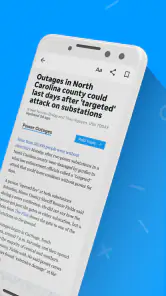

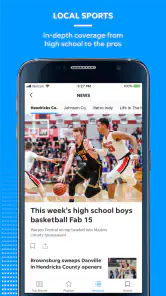
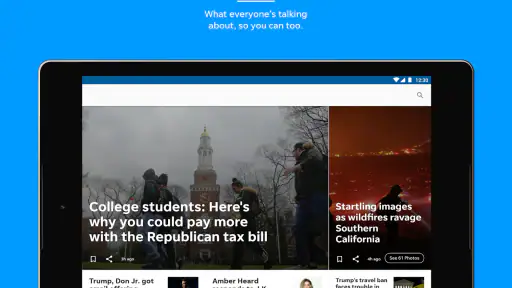
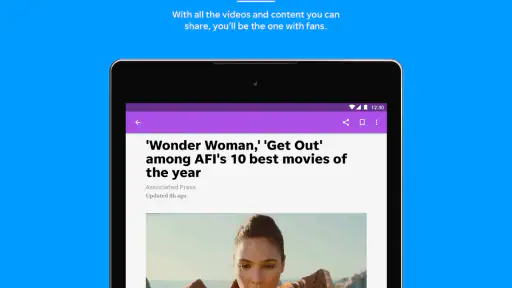
Analysis by Reviewed
I spent time with Knoxville News as a straightforward way to follow local and national reporting, and my overall impression is mixed but useful. This News & Magazines app from USA TODAY Co. is aimed at people who want the Knoxville news angle close at hand while still having access to broader coverage, photography, and video. It is free to install, though in-app purchases range from around twenty dollars to around seventy dollars per item, so the cost question depends on how much of the experience you use.
The app has been around since December 2010, which gives it the feel of an established publication product rather than a newly assembled news feed. Its current version is 8.10.3, and it is rated for Everyone 10+. I found the experience most appealing when I treated it as a focused local-news companion instead of expecting it to replace every source I use for breaking news, national context, weather, commentary, and newsletters.
How Knoxville News feels during everyday reading
The first thing I noticed was that the app’s value depends heavily on what I want to read at a particular moment. If I am checking headlines before work, I prefer a clean route from local stories to wider coverage. If I have more time, the photography and video make the publication feel less like a bare list of links. That mix gives it a more finished editorial character than a simple social feed, where the order and quality of stories can feel unpredictable.
I would not describe it as a universal news dashboard. The short store description, “Knoxville News,” is actually a useful clue: the local identity matters. Someone living in or closely following Knoxville is more likely to notice the app’s purpose immediately. A reader who only wants national headlines may find a general news app more efficient, especially if local reporting is not relevant to their daily routine.
In normal use, I would open it for a quick scan, read one or two stories, and then return later when a visual report or video caught my attention. That workflow suits a phone well. It also avoids one common problem with news apps: trying to turn every visit into a long session. Here, the best use is often short and repeated rather than one extended reading marathon.
What to expect from the reading pace
My expectation for speed would be moderate rather than instant. Text-based headline browsing should feel lighter than loading a page dominated by large photographs or video, and that difference matters when I am using a mobile connection or an older phone. The app’s editorial mix is a strength, but rich media naturally makes some parts of the experience feel heavier than a plain text reader.
That creates a practical habit I recommend: use the headline view for quick decisions, then open visual stories when you have enough time and a dependable connection. It is a small change, but it keeps the app from feeling sluggish simply because I asked it to load its most demanding material during a rushed moment.
More From Our News Desk

Clash of Clans Is Won Between the Battles

Android Auto Makes the Case for Quieter Car Software

MobiOffice: Transforming Mobile Productivity with Seamless Integration

EA SPORTS FC™ Mobile Soccer: Redefining Mobile Sports Gaming

How Microsoft OneDrive Became a Mobile Productivity Giant

How Google Translate Breaks Language Barriers Effortlessly
I also found that perceived speed is tied to how much content I try to consume in one sitting. A short visit feels focused. A longer session involving several articles, photos, and videos asks more from the device and connection. That is not a flaw unique to this app, but it is important here because photography and video are central to its presentation rather than occasional extras.
A realistic morning routine
Imagine checking the app while having coffee before leaving home. I would start with local headlines, open the story that affects my plans, and then glance at national coverage for context. If a video is attached to a major report, I would save that for later instead of interrupting the morning with a heavier load. This makes Knoxville News practical even when I only have a few minutes.
For a commuter, parent, or student, the same approach works in reverse. Read the essential text first, use visual coverage when settled, and avoid treating every notification or headline as a demand for immediate attention. The app is more useful when I control the rhythm of reading instead of letting the richest content control it.
Where heavier use changes the experience
The demanding moments are easy to identify: opening several image-rich reports, watching multiple videos in succession, or repeatedly moving between local and national coverage. Those activities can make a news app feel less immediate than a minimal headline reader. They also consume more of my attention, which is a different kind of resource demand from battery or storage.
I prefer to think of Knoxville News as a mixed-media publication. That means I judge it on more than how quickly a headline appears. A strong photograph can explain the scale or atmosphere of a story more effectively than a paragraph, while video can add immediacy. The trade-off is that the app is not always the most economical choice for someone who wants only text and the lowest possible data use.
One useful tactic is to avoid opening every story from the main feed. I scan first, choose the reports that genuinely matter, and leave the rest alone. This reduces unnecessary loading and makes the session easier to follow. It also helps when the news cycle is busy and the number of available stories is more distracting than helpful.
For heavy readers, the bigger question is not whether the app can provide enough material, but whether its presentation matches their habits. I like a curated publication feel, yet readers who build their day around many independent sources may prefer an aggregator. An aggregator can place more outlets in one screen, while Knoxville News offers a clearer identity and a more consistent editorial environment.
Video and photography: useful, but not free of trade-offs
The visual side is one of the app’s clearest reasons to exist. Strong photography can make local reporting feel immediate, especially for events, public places, and community stories where location matters. Video is similarly helpful when a written summary cannot convey movement, sound, or the sequence of an event.
Still, I would not open the app expecting every visit to be equally light. A visual story can take longer to load and can pull me into a longer session than planned. If I am on a limited connection, traveling, or using a device with little spare capacity, I would be selective. The richer the story format, the less this behaves like a quick headline utility.
That is also why the app compares differently with a newspaper website in a mobile browser. A browser gives me flexibility and may be convenient for one-off searches, but the dedicated app feels more intentional for repeated local reading. On the other hand, a browser is often better when I need to compare several publications quickly or avoid adding another app to my home screen.
Stability and recovering from interruptions
News reading rarely happens in perfect conditions. I may switch to a message, lock the phone, move between Wi-Fi and mobile data, or receive a call while a story is open. In those moments, I judge an app by how easily I can return to the article and regain my place. Knoxville News works best when I keep my sessions simple: choose a story, read it, and move on rather than leaving many media-heavy pages open.
I would also restart a reading session from the main feed after an interruption instead of assuming every previously opened item will remain exactly where I left it. That is a sensible habit for any publication app, particularly one mixing text, images, and video. It reduces confusion and helps me distinguish a genuinely new report from something I had already seen.
For reliability, I care about editorial consistency as much as technical steadiness. A local news app needs to feel worth reopening. The presence of national reporting, photography, and video gives Knoxville News more range than a narrow local bulletin, but the local focus should remain the reason I return. If the local stories are not relevant to me, the broader material alone may not justify choosing it over a larger national service.
How it fits on different phones
The minimum operating-system requirement is Android 8.0, so the app is not aimed only at the newest phones. That is helpful for people keeping an older device in service. Even so, operating-system compatibility does not tell the whole performance story. Screen size, available memory, connection quality, and how many other apps are active can all affect the experience, especially with visual reports.
On a smaller screen, I would prioritize short reading sessions and use the main feed as a filter. On a larger phone or tablet, photography and video have more room to breathe, making the app’s presentation more enjoyable. The trade-off is that a larger display can encourage longer sessions, so the app may become more demanding simply because I use it more extensively.
If storage or data use is a concern, I would avoid treating every video as essential. I would also keep the app updated to the current version, 8.10.3, because staying current is generally the sensible way to receive the latest available refinements. I would not install it on a very old device solely because the operating system qualifies; the phone still needs to handle modern media comfortably.
Who will get the most from it?
Knoxville residents and people with a personal connection to the area are the obvious audience. It makes sense for someone who wants local reporting within a publication-style app rather than relying only on social posts or browser searches. It can also suit readers who appreciate visual storytelling and want national headlines alongside local coverage without constantly changing sources.
I can also see value for former residents, family members, and people who travel to Knoxville regularly. For them, the local focus may be more useful than a generic national feed, while the broader stories prevent the app from feeling completely narrow. The experience is especially suitable for readers who prefer opening one recognizable publication rather than assembling a custom list of sources.
I would skip it if my main goal were a highly personalized feed assembled from dozens of outlets. I would also look elsewhere if I wanted a specialist source for finance, sports, technology, or international reporting. Knoxville News is more convincing as a local publication with national reach than as a complete replacement for every kind of news service.
Cost, expectations, and the rating picture
The app itself is free, which makes trying it low-risk. However, the in-app purchase range means I would check what I can read freely and what may be connected to paid access before building my entire reading routine around it. A free installation does not automatically mean every part of a publication’s deeper offering will remain free, so I would make that decision based on how often I use the app and how important its exclusive local coverage is to me.
Its average rating is 3.1 from around four hundred ratings, with around two hundred written reviews. I read that as a sign to keep expectations realistic. The app clearly works for some readers, but it is not receiving universally enthusiastic feedback. For me, that makes the free starting point important: I would test the daily workflow, media loading, and access model on my own phone before considering any purchase.
The developer, USA TODAY Co., gives the app a recognizable publishing connection, but the developer name alone should not decide whether it belongs on my device. The practical test is whether the Knoxville coverage is timely and relevant enough for me to return. A familiar publisher can make an app easier to trust initially, yet daily usefulness still comes from the stories I actually need.
My performance verdict
After weighing the reading flow, heavier visual moments, recovery habits, and device considerations, I see Knoxville News as a focused local-news app with a richer presentation than a basic headline list. It is at its best when I want Knoxville reporting, appreciate photography and video, and am willing to choose my stories rather than consume everything in one continuous feed.
Its limitations are equally clear. Media-rich reading can feel less economical than text-only alternatives, and the broader news selection may not be enough for someone seeking a fully customized national or international service. The purchase model also deserves attention before I treat the app as my primary source. These are not reasons to dismiss it; they are reasons to use it with the right expectations.
My recommendation is simple: install it if Knoxville news is genuinely part of your everyday interests and you want local reporting presented alongside wider coverage. Give it a few ordinary sessions, including one quick headline check and one longer visual read, before deciding whether it fits your phone and habits. For the right reader, its strongest feature is not sheer volume but the combination of local relevance and a more engaging visual news experience.
For everyone else, a general news aggregator or a browser-based mix of publications may be more flexible. I would not choose Knoxville News as a universal news replacement, but I would recommend giving it a fair trial to anyone who wants a dedicated Knoxville perspective without giving up national stories entirely.
Knoxville News Frequently Asked Questions
Is Knoxville News available for both Android and iOS?
Knoxville News is a news and magazines app, and its minimum operating-system requirement is version 8.0. Before downloading, check the app’s store page on your device to make sure your operating system meets the requirement and that the app is offered for your platform. Compatibility can affect whether the app installs and runs as expected.
Who publishes Knoxville News, and is it intended for younger readers?
Knoxville News is published by USA TODAY Co. and is rated Everyone 10+, so it is intended for a broad audience while carrying that age guidance. The app focuses on local and national news, photography, and video content. If you are choosing apps for a child, consider the age rating alongside your family’s preferences about news coverage and media.
What is Knoxville News, and what can I use it for?
Knoxville News is a local news app focused on keeping readers informed about Knoxville and the surrounding East Tennessee area. After exploring the app, its main purpose is to provide access to breaking news, local reporting, weather updates, sports coverage, community stories, and other regional information in one place. It is useful for residents, commuters, students, and anyone who wants to follow events in Knoxville without relying only on a desktop website.
Does Knoxville News provide breaking news and local alerts?
Yes, Knoxville News is designed to help users follow important local developments as they happen. Depending on the app version and your notification settings, it may send alerts for breaking stories, severe weather, traffic issues, public safety announcements, and major community events. Notifications can be helpful when you need timely information, but users who prefer a quieter experience should review the settings and disable nonessential alerts.
Is the Knoxville News app free to download and use?
The app is free to download, allowing users to browse available content and explore its main features. However, access to certain articles or premium material may depend on the publisher’s subscription policy, account requirements, or limits on free reading. Optional in-app purchases range from $19.99 to $69.99 per item, so review the purchase details before committing to paid access.
Pros
- Covers local Knoxville events
- politics
- weather
- and community updates.
- Offers quick access to breaking news and developing regional stories.
- Useful for residents who want news focused on East Tennessee.
- Article layouts are generally easy to read on a phone.
- May provide alerts for important local developments.
Cons
- Some stories or features may require a subscription to access fully.
- Breaking-news notifications can feel frequent or distracting.
- Coverage is primarily local
- limiting its value for national news readers.
- Video and image-heavy content may use considerable mobile data.
- App performance and update timing may vary by device.
- Category
- News & Magazines
- Version
- 8.10.3