Hungryroot: Healthy Groceries
- 303.00
- 4.6
- Installs
- 100.00K
- Price
- Free
Screenshots


Analysis by Reviewed
Hungryroot: Healthy Groceries is the kind of food app I would recommend to someone who wants to cook more often but keeps losing the battle against planning, shopping, and deciding what to make. It combines grocery ordering with easy meal ideas, so the useful part is not simply having food delivered. The real appeal is reducing the number of small decisions between an empty fridge and a reasonably balanced dinner.
After spending time with it, my view is fairly clear: this is best understood as a convenience tool for building a repeatable food routine, not as a replacement for a full supermarket trip or a serious meal-planning system. It works particularly well when I want ingredients that can move between several meals, rather than a basket filled with one-off products. That flexibility gives the app more practical value than a basic recipe catalog, although it also means the experience depends heavily on how carefully I review my selections before ordering.
How Hungryroot fits into everyday eating
Hungryroot sits in the Food & Drink category and is developed by Hungryroot. It is free to install, available for Everyone, and the current Android release is version 1.67.0, with Android 8.1 or later required. The app was released on February 12, 2024, and its audience has already grown beyond 100K installs. Its average rating is 4.6 from around 1.1K ratings, with 303 written reviews, which suggests that the central idea is connecting with many users even though ratings alone cannot tell me whether it will suit my household.
The first thing I noticed is that the service is organized around making healthy eating feel less demanding. Instead of opening a blank shopping list and trying to remember every ingredient, I can approach the order through ready-to-use groceries and recipe suggestions. That changes the mental workload. I am still choosing what to eat, but I am not starting with an entirely empty page.
That distinction matters on a busy weekday. Imagine finishing work late, knowing there is very little food at home, and not wanting to spend an hour browsing a supermarket app. A conventional grocery service is good at finding individual products, but it leaves me to translate a recipe into a complete basket. Hungryroot is more useful when I want that translation to happen with less effort. I can think in terms of meals and flexible ingredients rather than a long list of separate items.
The strongest part is the bridge between recipes and groceries
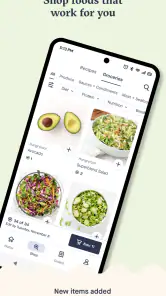
Many food apps are strong in one direction. Recipe apps help me discover meals but do not solve the shopping problem. Grocery apps help me fill a cart but leave the cooking decision until later. Hungryroot is more interesting because it tries to connect those two stages. The recipe ideas give the groceries a purpose, while the grocery selection can support more than one planned dish.
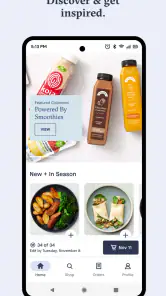
I find this especially helpful when I do not want an exact meal-kit experience. A tightly portioned kit can be convenient, but it can also make leftovers awkward and limit how much I improvise. Hungryroot’s grocery-first approach feels more forgiving. I can use a featured combination as a starting point, then adapt it to what I already have at home. That makes the service better suited to casual home cooking than to someone who wants every step and quantity predetermined.
More From Our News Desk

Clash of Clans Is Won Between the Battles

Android Auto Makes the Case for Quieter Car Software

MobiOffice: Transforming Mobile Productivity with Seamless Integration

EA SPORTS FC™ Mobile Soccer: Redefining Mobile Sports Gaming

How Microsoft OneDrive Became a Mobile Productivity Giant

How Google Translate Breaks Language Barriers Effortlessly
One practical habit improves the experience considerably: I would review the suggested meals first, then look at the individual groceries before confirming the basket. This prevents a common mistake with flexible food services, where several appealing ideas produce overlapping ingredients or more food than one household can use. Treating the app as a planning assistant rather than an automatic order button gives me more control over waste and variety.
Another useful approach is to choose ingredients that can cross over between meals. A versatile base can become part of a quick lunch one day and a different dinner later, while sauces or prepared components can change the flavor without requiring a completely new shopping trip. This is a less obvious strength because it rewards planning at the ingredient level, not just selecting the most attractive recipe image.
What the app does better than ordinary grocery shopping
Compared with a standard supermarket app, Hungryroot is more helpful when the obstacle is indecision. A supermarket catalog may offer more freedom, but too much freedom can be tiring after a long day. I have often opened a grocery app intending to buy healthy food and ended up postponing the order because I still had to invent several meals. Hungryroot addresses that particular friction by giving the basket a meal-oriented structure.
It also has an advantage over ordering takeout repeatedly. The point is not that every delivered grocery choice will be perfect, but that having components ready for simple home meals can make cooking feel achievable on lower-energy days. That can be valuable for people who are trying to establish a routine rather than pursue elaborate recipes.
Against traditional meal-kit services, the trade-off is different. Hungryroot appears more flexible and less tied to a single cooking script, which I appreciate when I want to substitute, combine, or reuse ingredients. A conventional meal kit may be better for learning a specific technique or receiving exactly measured components. If my priority is a guided cooking lesson with a fixed result, I would look elsewhere. If my priority is a smoother path from groceries to several uncomplicated meals, Hungryroot makes more sense.
The app is also more approachable than a nutrition tracker for this particular goal. Tracking tools can be useful when I need detailed records, but they can turn eating into another administrative task. Hungryroot focuses on the practical question of what I can prepare next. That does not make it a substitute for professional dietary guidance, and I would not treat its suggestions as medical advice. It simply makes everyday meal decisions easier to act on.
Where the convenience can become a limitation
The same guided structure that saves time can feel restrictive if I already know exactly what I want. Someone who enjoys browsing local produce, comparing brands, or building meals from scratch may find the app less satisfying than a normal supermarket. I would not choose it as my main tool if shopping itself is part of my cooking hobby.
There is also a risk of over-ordering through enthusiasm. Suggested combinations can make several meals look easy at once, but a busy week may not leave enough time to prepare everything. I would rather begin with a modest order, learn how well the portions and formats fit my household, and then adjust future choices. This is particularly important for people living alone, since flexible ingredients are useful only if they can be finished before quality declines.
Another point is that “healthy” is not a universal experience. My idea of a suitable meal may depend on allergies, religious dietary rules, medical needs, texture preferences, or a strict budget. I would inspect each product and recipe carefully instead of assuming that the app’s overall positioning automatically matches my personal requirements. For a household with complex dietary restrictions, a retailer with deeper filtering and a larger ability to inspect every brand may be the safer and more comfortable choice.
The app’s value can also depend on delivery timing and local availability, two practical details that matter more than attractive meal suggestions. If I need ingredients for a specific event or cannot accept a flexible arrival window, I would confirm the available ordering details before planning around the service. Hungryroot is most convincing as part of a recurring routine, not as a last-minute solution for an important dinner.
Small workflow changes that make it more useful
I would use the app in three passes. First, I would decide how many meals I realistically expect to prepare. Second, I would select ideas that share some ingredients without making every meal taste the same. Third, I would compare the proposed basket with my existing pantry and refrigerator. This simple sequence turns the app from a source of temptation into a more deliberate planning tool.
I would also save the distinction between “easy tonight” and “useful later.” A meal that looks quick may be valuable on a demanding evening, while a versatile grocery item may be better for a weekend when I have more time. Mixing those two kinds of choices makes the order more resilient. If every selection requires the same level of effort, the plan can collapse as soon as one busy day appears.
For families, I would involve the people who will actually eat the food before finalizing the order. The app can reduce planning work, but it cannot remove the need to account for different appetites and preferences. For one person, I would prioritize ingredients that can appear in several forms. For a couple, I would use the meal suggestions as a shared shortlist rather than allowing each person to add unrelated items.
I would be cautious about judging the service after one order. The strongest benefit is not necessarily a single spectacular meal; it is whether the app helps me repeat a manageable pattern over several weeks. After trying it, I would note which ingredients were genuinely convenient, which recipes fit my schedule, and what remained unused. That feedback is more useful than simply deciding whether the first basket felt exciting.
Who should use it, and who should skip it?
I think Hungryroot is a strong fit for people who want healthier home meals but struggle with planning. It is especially suitable for busy professionals, small households, and anyone who wants a middle ground between cooking from scratch and ordering prepared food. It can also help a person who is tired of buying groceries without knowing how they will become meals.
It may suit new cooks because the app lowers the intimidation of starting. The user does not have to design an entire weekly menu before making progress. At the same time, it leaves enough room to adapt ingredients, which is useful for someone who wants to gain confidence gradually rather than follow rigid instructions forever.
I would skip it if the main goal is the lowest possible grocery bill, maximum supermarket choice, or highly specialized dietary control. I would also hesitate if I enjoy spontaneous local shopping and already have a reliable meal-planning habit. In those cases, the app may solve a problem I do not have while adding another layer between me and the food I want.
People who need exact nutritional management should treat the service as a convenience option, not a complete solution. Likewise, anyone who dislikes receiving groceries selected through recommendations may prefer a conventional retailer where every choice begins and ends with a personal search. The best audience is not “everyone who wants healthy food”; it is people who value reduced decision-making and flexible, uncomplicated cooking.
My final view after using the app
Hungryroot succeeds because it targets a very ordinary problem: wanting to eat better while lacking the energy to plan properly. Its combination of groceries and easy meal ideas gives me a more useful starting point than either a bare shopping list or a collection of recipes on its own. The strongest results come when I choose deliberately, reuse ingredients, and treat the suggestions as a framework rather than a command.
It is not the right answer for every kitchen. I would choose a regular grocery app for maximum control, a traditional meal-kit service for tightly guided recipes, and a specialist food service for complicated dietary requirements. Hungryroot occupies the space between those options, and it does so convincingly when convenience matters more than exhaustive choice.
For a free app from Hungryroot with an Everyone age rating, it offers a practical way to make food planning feel less like a weekly project. My recommendation is positive but specific: try it if your biggest barrier is deciding what to buy and how to turn it into simple meals. Just start with a realistic order, check the basket carefully, and judge it by whether it improves your routine—not by whether every suggested dish looks appealing on the first visit.
Hungryroot: Healthy Groceries Frequently Asked Questions
Is the Hungryroot app free to download, and what devices can run it?
Hungryroot is free to download and is listed for everyone. It is a Food & Drink app from Hungryroot, with a minimum operating-system requirement of 8.1. Before installing, check that your device meets that requirement and has enough available storage. The app is intended to help users explore groceries and easy recipes delivered through Hungryroot.
What is Hungryroot: Healthy Groceries?
Hungryroot is a grocery delivery and meal-planning service designed to make healthy eating easier. The app combines a personalized selection of groceries with simple recipes that can usually be prepared quickly. During setup, it asks about dietary preferences, cooking habits, household size, and food dislikes, then uses that information to suggest meals and ingredients suited to your routine.
How does ordering groceries and meals through Hungryroot work?
After creating an account, you complete a preference quiz and receive recommended groceries, recipes, or a combination of both. You can review the suggested cart, remove unwanted items, change quantities, and add products manually before placing an order. The available delivery dates, order minimums, fees, and editing deadlines can vary by location, so check the final checkout details carefully.
Does Hungryroot support special diets and dietary preferences?
Hungryroot offers filters and recommendations for several eating preferences, which may include vegetarian, vegan, gluten-free, dairy-free, and other ingredient-related choices. However, users with allergies or strict medical dietary requirements should read every product label and recipe detail themselves. Shared facilities, changing inventory, and possible cross-contact mean the service should not replace professional dietary guidance.
How much does Hungryroot cost, and can I skip or cancel orders?
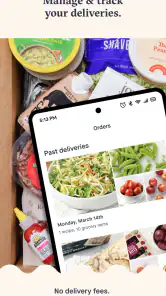
The total price depends on the groceries, recipes, serving quantities, delivery area, and any applicable fees. Hungryroot generally allows customers to review upcoming orders and make changes, skip a delivery, or cancel according to the account’s stated deadline. It is important to check the schedule regularly because missing the editing cutoff may result in the order being processed automatically.
Pros
- Personalized grocery recommendations simplify healthy meal planning.
- Many meals can be prepared in around 10 minutes.
- Flexible mix-and-match options reduce food waste.
- Dietary filters help accommodate vegetarian and other preferences.
- Recurring deliveries make restocking pantry staples convenient.
Cons
- Availability and delivery coverage vary by location.
- Some portions may feel small for larger households.
- Subscription pricing can exceed a regular supermarket trip.
- Fresh ingredients require careful storage and quick use.
- Packaging from individual ingredients may create extra waste.
- Category
- Food & Drink
- Version
- 1.67.0