HTeaO
- 1.55K
- 4.2
- Installs
- 100.00K
- Price
- Free

Screenshots
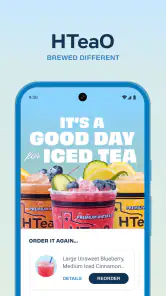
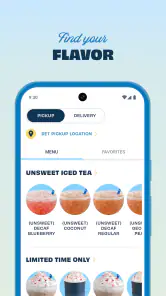
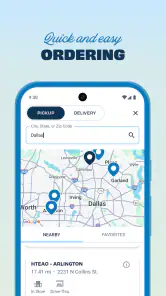

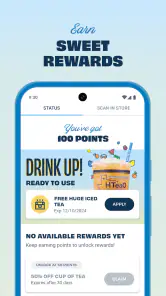
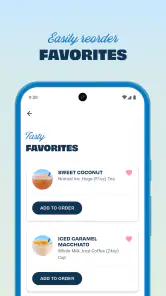
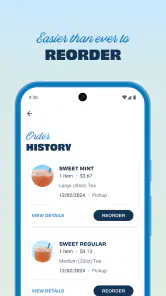
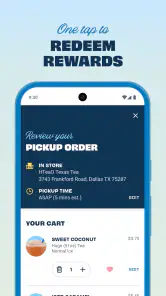
Analysis by Reviewed
I usually judge a food-and-drink app by a simple question: does it make a routine purchase easier, or does it add another layer of tapping between me and my drink? HTeaO is built around ordering, paying, and earning rewards, so its value depends less on novelty and more on how smoothly it fits into a regular visit to an HTeaO location. After spending time with it, I see it as a focused companion for existing customers rather than a general beverage-discovery app.
The app is free, aimed at everyone, and comes from TBevCo IP, LLC. It has reached over one hundred thousand installs, with an average score of 4.2 from around ten thousand ratings. Those figures suggest that plenty of people find the basic idea useful, while also hinting that the experience is not universally effortless. My own view is that the app makes the most sense when you already know what you want, visit often enough to care about rewards, and prefer handling payment before you reach the counter.
How HTeaO fits into an everyday drink run
The first thing I noticed is how narrow the app’s purpose is. It is not trying to replace a full restaurant marketplace, help me compare unrelated cafés, or turn tea into a social activity. Its job is more practical: connect me with the HTeaO ordering process and keep the rewards side nearby. That limited scope is a strength because I do not have to sort through unrelated restaurants or promotions before starting an order.
A realistic use case is a weekday afternoon when I am leaving work and want to pick up tea on the way home. If I already have a preferred drink in mind, opening the app can be more convenient than waiting until I arrive to decide and pay. I can use the travel time to prepare the order, then concentrate on collecting it rather than standing at the counter working through the entire transaction.
That workflow is less compelling for a first-time visitor. If I am unfamiliar with the menu, unsure about sizes or custom choices, or deciding between several drinks, the physical store may be better. A staff member can answer questions in a way an ordering screen cannot always match. This is an important distinction: the app rewards certainty. It is most helpful after I understand my usual order, not necessarily before.
The rewards element also changes how I think about repeat visits. A single use may save a little time, but the longer-term appeal comes from keeping purchases connected to the same account and payment routine. For someone who visits only occasionally, that benefit may feel too small to justify another app. For a regular customer, however, having ordering and rewards in one place is more sensible than relying on memory or separate notes.
What feels quick, and what can slow the routine
In normal use, a focused app like this should feel quicker than browsing a broad delivery service because there are fewer layers between the customer and the brand’s own ordering flow. I found the strongest speed advantage in repeat orders: once I knew my drink and the location I wanted, the process felt direct rather than exploratory.
More From Our News Desk

Clash of Clans Is Won Between the Battles

Android Auto Makes the Case for Quieter Car Software

MobiOffice: Transforming Mobile Productivity with Seamless Integration

EA SPORTS FC™ Mobile Soccer: Redefining Mobile Sports Gaming

How Microsoft OneDrive Became a Mobile Productivity Giant

How Google Translate Breaks Language Barriers Effortlessly
The important word is “repeat.” The first visit involves more attention. I need to check the menu, make choices carefully, confirm the store, and review the order before paying. That setup time is worthwhile if I plan to return to the same routine, but it means the app is not automatically faster than walking in for every situation. A quiet store with no queue can still be the quickest option.
I also recommend treating the final review screen as part of the ordering process rather than rushing through it. Mobile ordering can make a familiar purchase feel automatic, and that is exactly when an incorrect location or unwanted customization can slip past me. The app’s convenience is strongest when I use it deliberately: choose the store first, confirm the drink, check the total, and only then submit.
Another practical tip is to prepare the order before I am in a poor-signal area or already parked in a busy lot. That is not a special feature; it is simply a better workflow for any mobile ordering app. Starting early gives the app time to load the menu and lets me recover calmly if a screen needs to be reopened. I would rather finish the order while stationary than attempt it while driving or rushing through a pickup.
Handling busy periods and repeat orders
The app becomes more valuable during predictable rushes, such as the end of a workday or a warm afternoon when several people want cold drinks at once. In those moments, ordering ahead can reduce the amount of time I spend at the counter. It also gives me a written summary of what I selected, which is useful when I am ordering for more than one person and do not want to keep several modifications in my head.
Still, mobile ordering does not remove every source of delay. The store must prepare the drink, and a busy location can remain busy regardless of how the order was placed. I would not use the app with the expectation that every order will be ready immediately. Its advantage is moving some of the decision and payment work earlier, not guaranteeing a queue-free experience.
For group orders, I think the trade-off becomes more noticeable. The app can be convenient when everyone wants a familiar drink, but a large order creates more opportunities for selection mistakes. I would review each item slowly and keep the confirmation available until the order is collected. If the group is still debating what to get, ordering together at the store may actually be less stressful.
A useful repeat-customer habit is to keep one consistent ordering routine. I would select the location before customizing the drink, review the order once, and then check the rewards status after the transaction rather than interrupting the purchase halfway through. This reduces unnecessary back-and-forth and makes it easier to notice whether the visit was recorded as expected.
Stability, recovery, and what to do when something goes wrong
My impression is that the app is stable enough for ordinary ordering, but no mobile checkout deserves blind trust. The most important reliability test is not whether every screen opens perfectly; it is how calmly I can recover from an interrupted session. If the app closes, the connection changes, or payment takes longer than expected, I want to avoid submitting the same order twice.
My safest approach is to pause before retrying. I check whether I received a confirmation, look at the order history or account area if available, and verify with the store when the situation is unclear. Repeatedly tapping the payment button is the habit most likely to create confusion. A short wait is frustrating, but it is better than guessing.
This recovery mindset matters particularly when I am ordering from a moving vehicle as a passenger, switching between Wi-Fi and mobile data, or using the app in a crowded place. Those conditions can make a perfectly good app feel unreliable because the connection is changing underneath it. I prefer to place the order a few minutes earlier and keep the phone unlocked until I have a clear confirmation.
Rewards deserve the same careful attention. I would not assume that a purchase has been credited simply because payment succeeded. I would check the account after completing the transaction and keep the receipt or confirmation details until everything looks right. That is a small extra step, but it protects the main reason many frequent customers use the app in the first place.
There is also a difference between app reliability and store readiness. The app may accept an order, yet the in-store experience can still depend on staffing, demand, and the timing of preparation. I would judge the complete service rather than blaming the app for every delay. Conversely, if the order details or payment state are unclear, that is exactly where the app experience deserves scrutiny.
Device requirements and practical phone limits
HTeaO runs on devices using at least iOS or Android version 10, which places it within reach of many relatively recent phones. The stated age rating is Everyone, so the app is positioned as a broadly accessible food-and-drink tool rather than something restricted to adults. That makes sense for a purchase companion that may be used by families, students, commuters, and office workers.
Even with a compatible operating system, the phone itself can affect the experience. A nearly full device, aggressive battery saving, poor connectivity, or an outdated system component can make loading and checkout feel slower. I would not interpret a delayed screen as proof that the app is demanding heavy resources. In most cases, the surrounding phone and network conditions are just as important as the app.
For an older phone, I would test the complete flow before relying on it during a rush: open the app, select a location, build an order, reach payment, and confirm that the account and rewards areas load normally. If that test feels sluggish, the store’s regular ordering method may be the safer choice. A free app is not automatically the best tool if it makes me worry about whether checkout completed.
I also prefer keeping enough battery for the pickup itself. Mobile ordering is not useful if the phone dies before I can show the confirmation or check the order details. This is basic advice, but it matters more with a dedicated ordering app because the phone becomes part of the transaction rather than merely a menu screen.
People who dislike creating accounts, saving payment details, or managing rewards may find the app less attractive than paying in person. Likewise, someone who wants delivery across many restaurants should look at a broader service instead. HTeaO is a direct, brand-specific tool; its simplicity is helpful only if that matches the way I buy drinks.
Where it beats the usual alternatives
Compared with walking into the store and ordering at the counter, the app’s main advantage is preparation. I can make choices before arriving, keep payment within the same flow, and use the rewards side without switching to another system. The counter remains better for questions, spontaneous choices, and situations where the store is quiet enough that ordering in person takes almost no time.
Compared with a general delivery marketplace, the app should feel more relevant to an HTeaO regular because it stays centered on this particular brand. A marketplace may be better when I want to bundle drinks with food from elsewhere or compare delivery options. It may also be preferable when I am already using it for several restaurants. The dedicated app makes more sense when pickup and rewards are the priority.
Compared with simply using a mobile browser, a dedicated app can be easier to return to because the ordering and account experience are kept in one place. The trade-off is that it occupies space on my phone and gives me one more app to maintain. I would install it for repeated visits, not for a single experimental purchase.
One non-obvious trade-off is that convenience can make me less attentive. When a saved routine becomes familiar, I may confirm an order too quickly or forget that I changed locations. I get the best results by using the app as a checklist: location, drink, custom choices, payment, confirmation, then rewards. That sequence takes little time and prevents the most avoidable mistakes.
Who should use it, and who should skip it
I would recommend the app to regular HTeaO customers who usually order the same kinds of drinks, want to pay from their phone, and care about collecting rewards over multiple visits. It is also a good fit for commuters who can place an order before reaching the store and for people who prefer reviewing their order privately rather than making decisions at a busy counter.
I would be more cautious about recommending it to occasional visitors, first-time customers with lots of questions, and people who rarely want to install brand-specific apps. If I am still learning the menu, I would rather speak with staff. If I am visiting a location only once, the rewards advantage may not offset the setup effort. And if my phone is old, low on storage, or unreliable on mobile data, paying in person may be more dependable.
The app is free, so the main cost is not the download itself but the attention and account management that come with another ordering service. That is a fair exchange for frequent users. It is less convincing for someone who wants a one-off purchase with no ongoing digital routine.
My performance verdict after regular use
HTeaO is a focused food-and-drink app that succeeds when I use it for what it is designed to do: prepare a drink order, handle payment, and keep rewards connected to repeat visits. I found the perceived speed strongest for familiar orders and planned pickups, while the biggest slowdowns came from first-time menu decisions, busy stores, uncertain connections, or rushing through confirmation.
The current version is 2.4.0, and the app has been available since February 25, 2021. Its 4.2 average from roughly ten thousand ratings gives it a credible level of user acceptance without making it seem flawless. I would describe the experience as practical rather than essential: useful enough to keep if HTeaO is part of my routine, but not compelling enough to install merely because I might visit someday.
My final recommendation is straightforward. Try it if you regularly buy from HTeaO and want a quicker, more organized pickup routine with rewards attached. Use it carefully during heavy demand, confirm every order before retrying a failed-looking payment, and test it on your phone before depending on it for an important pickup. If you prefer personal help, visit different cafés, or dislike brand-specific accounts, the counter or a broader ordering alternative will probably suit you better. For the right customer, though, the best reason to keep HTeaO installed is consistency: it turns a repeated drink run into a routine I can prepare in advance and recover from sensibly when technology gets in the way.
HTeaO Frequently Asked Questions
Is HTeaO available on both Android and iOS?
HTeaO is a mobile app in the Food & Drink category, intended for customers who want to connect with the tea brand on their phones. You can look for it in the official app store for your device and check the compatibility information before installing. The app is free, and downloading it through an official store is the safest way to get the current release.
Who develops the HTeaO app, and is it a well-used app?
HTeaO is developed by TBevCo IP, LLC. It has over 100,000 installs and an average rating of 4.2 from around 9,600 ratings, with roughly 1,500 written reviews. Those figures offer a quick sense of its audience and reception, although individual experiences can differ depending on how someone uses the app and which features matter most to them.
What is HTeaO, and what can I use the app for?
HTeaO is the official mobile app for finding and interacting with HTeaO tea stores. After installing it, users can typically browse nearby locations, view store information, check available tea and drink options, and access current promotions or rewards features. The app is mainly useful for customers who regularly visit HTeaO and want a more convenient way to discover stores and keep track of offers.
Does the HTeaO app offer rewards, points, or special promotions?
The HTeaO app may include a loyalty or rewards program that lets customers earn benefits through eligible purchases, depending on the current program rules and availability in their area. Promotions, bonus opportunities, and reward conditions can change over time, so users should review the details shown inside the app before relying on an offer. Some features may also require account registration.
Can I order HTeaO drinks for pickup or delivery through the app?
Ordering availability can depend on the specific HTeaO location, local operating policies, and the services supported in your region. The app may provide store details or connect users with ordering options, but not every location necessarily supports mobile ordering, pickup, or delivery. Before downloading for this purpose, check whether your nearest store appears in the app and what services it currently offers.
Pros
- Wide variety of iced tea flavors and customization options.
- Rewards program can provide savings for frequent customers.
- Locations often offer convenient drive-thru service.
- Drinks are generally refreshing and easy to personalize.
- Seasonal flavors add variety beyond the regular menu.
Cons
- Availability depends heavily on nearby HTeaO store locations.
- Some specialty drinks can become expensive with add-ons.
- Sugar levels may be high in sweetened tea options.
- Menu and flavor availability can vary by location.
- The app may offer limited usefulness outside participating stores.
- Category
- Food & Drink
- Version
- 2.4.0