Google Sheets
- 22.98K
- 4.3
- Installs
- 1.00B
- Price
- Free
Screenshots
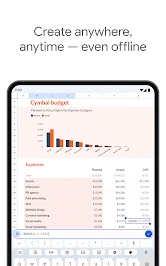
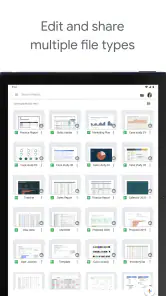
Analysis by Reviewed
When I need to check a shared budget, update a packing list, or jot down figures before I forget them, I want a spreadsheet that works on my phone without making every small task feel like office work. Google Sheets suits that kind of practical routine: it lets me create and edit spreadsheets on the go, then pick up the same work with other people. It is a productivity app from Google LLC, and its broad appeal makes sense once you use it for more than simply opening a table.
The app is free and rated for Everyone, so it is easy to try for personal planning as well as school or work. Google Sheets has an average rating of 4.3 from around 1.3 million ratings, and it has passed one billion installs. Those figures suggest a familiar tool, but they do not guarantee it will suit every workflow. I find it most useful when a task genuinely benefits from rows, columns, formulas, or shared updates—not when a simple note would do.
Getting Started with Google Sheets
First things first, Google Sheets is free, which is music to anyone’s ears. All you need is a Google account, and you're ready to dive in. It’s available on both Android and iOS, so no matter your device, you’re covered. Installation is a breeze, and before you know it, you’ll be staring at a blank spreadsheet, ready to unleash your inner data wizard.
The Latest on Google Sheets
User-Friendly Interface
One thing I absolutely love about Google Sheets is its user-friendly interface. If you’ve used any spreadsheet software before, you’ll feel right at home. Even if you haven’t, the intuitive design makes it easy to pick up. The toolbar is packed with all the essentials, from basic formatting options to more advanced functions like pivot tables and charts. Plus, the app is constantly updated, so you’re always getting the latest features.
For a first project, I would keep the layout simple: give each column one clear job, such as item, date, owner, and status. On a phone, that structure matters more than decorative formatting because you can scan it quickly and avoid sideways scrolling. If several people will edit the sheet, agree on what each column means before entering lots of information; a little consistency saves time later when you sort or filter the rows.
Collaboration Made Easy
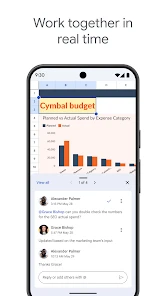
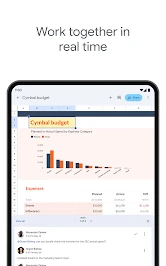
What sets Google Sheets apart from its competitors is its real-time collaboration feature. You can share your spreadsheets with anyone, and they can edit or comment in real-time. It’s like having a virtual meeting room where everyone can throw in their ideas and data. And don’t worry about losing track of changes—Google Sheets keeps a detailed history of edits, so you can always revert back if needed.
A realistic use is a household expense sheet: one person records a purchase while another checks the running totals, rather than collecting receipts in a chat and reconciling them later. I would still decide who is responsible for which entries and keep the headings stable. Shared editing is convenient, but it does not replace a clear process; when several people change a sheet casually, inconsistent labels and accidental edits can make the numbers harder to trust.
More From Our News Desk

Weather by Xiaomi Review: Clear at a Glance, Less Clear Up Close

X Under Pressure: Can It Recover When Posting Goes Wrong?

Clash of Clans Is Won Between the Battles

Android Auto Makes the Case for Quieter Car Software

MobiOffice: Transforming Mobile Productivity with Seamless Integration

EA SPORTS FC™ Mobile Soccer: Redefining Mobile Sports Gaming
Seamless Integration
Another big plus is how well Google Sheets integrates with other Google Workspace apps. Whether you're pulling in data from Google Forms or embedding a chart into Google Slides, the integration is seamless. It’s like having a Swiss Army knife for your productivity suite. And for those who love automation, Google Sheets supports add-ons and scripts that can automate tasks and streamline your workflow.
That wider ecosystem is a real reason to choose it over a standalone spreadsheet app if your documents already live in Google Workspace. For occasional collaboration, the ability to work together in the same sheet is often more useful than a long list of specialized tools. If you mainly need a polished report or complex analysis, though, a desktop spreadsheet may be more comfortable; the phone app is better as a companion than as a full replacement for every computer-based task.
Mobile Experience
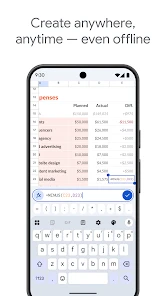
Now, let’s talk about the mobile experience. While the desktop version is robust, the mobile app is no slouch either. It’s perfect for making quick edits or viewing data on the go. The app is optimized for touch, so you can easily navigate through cells and menus. Sure, it might not replace your laptop for heavy-duty data crunching, but it’s more than capable for light tasks.
For a useful mobile habit, I keep edits focused: correct a value, add a row, or check a total, then leave major restructuring for a larger screen. When entering figures, I pause to confirm that I selected the intended cell before typing—small touch targets make that check worthwhile, especially in a busy sheet. This is a simple way to avoid turning a quick update into a cleanup session.
Settings and Habits That Save Time
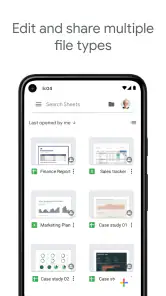
Before building a routine, I check the app’s current controls for how a sheet is displayed and edited, then set up the file itself for the people who will use it. Clear tab names, consistent headers, and restrained formatting make a bigger difference on a small screen than elaborate colors. I also give important files descriptive names, so finding the right budget or checklist later is less of a guessing game.
For recurring work, a template-like starting sheet can prevent repeated setup. A weekly meal plan, for example, can keep the same days and categories while you replace only the meals; a volunteer rota can retain its columns while names and dates change. I avoid copying old totals blindly, though: check formulas and dates whenever you reuse a sheet, since leftover values can look plausible while being wrong.
Where the Phone App Reaches Its Limits
Sheets is not the best place for every kind of information. If I only need to remember one appointment or write a paragraph, a calendar or notes app is quicker and less fussy. If I am building a complicated model, comparing many formulas, or carefully arranging a large chart, I would rather use a computer. The mobile version is useful for keeping work moving, but the screen and touch controls make detailed editing slower than it needs to be.
It also helps to think about the audience. A shared spreadsheet is convenient when contributors need to enter structured information, but people who only need a simple summary may find a finished document or chart easier to read. Before sharing, I review the sheet for stray test values, confusing headings, and formulas that depend on a particular row order. That small quality check matters more than adding extra decoration.
Who Will Get the Most from It?
I would recommend Google Sheets to students tracking assignments, families coordinating plans, small teams collecting updates, and anyone who already works with Google Workspace. Its version 1.25.481.02.90 supports devices running Android 8.0 or later. The basic workflow is approachable, while shared editing and links to other Workspace tools give it room to grow as a project becomes more involved.
I would steer away from it if you dislike working with rows and columns, need a dedicated database, or expect to do all your analysis on a phone. Compared with a traditional desktop spreadsheet, Sheets is strongest when access and collaboration matter more than fine-grained editing comfort. Compared with a notes app, it asks for more setup, but rewards that effort when information needs to be sorted, counted, or updated by several people.
A Routine That Keeps Shared Sheets Reliable
For a group project, I would start by deciding which information belongs in the sheet and which belongs somewhere else. A task tracker can hold an owner, deadline, and current status, while discussion stays in the team’s usual communication channel. That separation keeps rows scannable and prevents a spreadsheet from turning into a long, hard-to-follow conversation.
I also prefer one designated place for each kind of entry. If people type dates in different formats or use several labels for the same status, sorting becomes less useful and totals can become misleading. A short note at the top explaining the expected format can help newcomers contribute without needing a separate walkthrough. This is not glamorous setup, but it makes a shared file easier to maintain over time.
When a sheet grows, I resist the urge to solve every problem with more columns. A small, focused table is often easier to use on mobile than one that tries to track every detail at once. If the information naturally divides into separate topics, separate tabs with clear names can make sense; if contributors keep asking where to enter something, the layout may need simplifying rather than another instruction paragraph.
Choosing the Right Tool for the Job
Against other spreadsheet apps, Google Sheets’ clearest practical advantage is the combination of shared editing and its place in Google Workspace. That matters when a group already uses Google tools and needs one evolving file rather than copies sent back and forth. A desktop spreadsheet can be the better choice for intricate formatting, extensive analysis, or work where precise mouse-and-keyboard control is central. I would not pick a phone spreadsheet simply because it can technically open a file; the task should suit the screen.
Against a dedicated task manager, Sheets offers more freedom to shape columns and calculate totals, but that freedom comes with more responsibility. You have to decide what statuses mean, keep entries consistent, and maintain any formulas you depend on. A task app may be easier for reminders and personal follow-through, while Sheets is stronger when you need a flexible shared record that can be sorted or counted.
The same trade-off applies to notes apps. Notes are quicker for unstructured thoughts, meeting impressions, or a list that only one person needs to read. I reach for a spreadsheet when I expect to compare entries, group them by a field, or update a shared set of facts. Starting in the right format is a small decision that can save a lot of tidying later.
Practical Checks Before You Share
Before inviting collaborators, I check whether the sheet makes sense to someone who did not create it. Are the column headings clear? Are units or date conventions obvious? Can a person tell which cells they should edit? These checks are especially useful for a rota or expense log, where a well-intended change can affect what other people rely on.
For calculations, I test a formula with a simple example before trusting it across a longer list. I also look at how a total responds when a row is added or a value changes. This is a worthwhile habit because a spreadsheet can display a tidy answer even when the underlying range or assumptions are wrong. Sheets helps organize the work; it cannot decide whether the logic matches the real situation.
People often wonder whether they need to be spreadsheet experts to get started. In my experience, no: a small table with clear headings is enough for a shopping list, class schedule, or shared plan. Formulas and charts are optional tools, not a prerequisite. I would learn one useful function when a real need appears instead of trying to master a long menu of features before making the first sheet.
Another practical question is whether the mobile app can handle a whole project. It can be a sensible place to review information and make straightforward edits, particularly when the file is already organized. I would still move to a computer for a dense sheet, complicated formula changes, or careful chart layout. Treating the phone as a convenient working surface rather than the ideal surface for every task makes the experience less frustrating.
My Verdict on Getting Comfortable with Sheets
The strongest way to use this app is to build a few repeatable habits around it: keep columns purposeful, give files and tabs meaningful names, agree on shared conventions, and check calculations before relying on them. Those choices do more for day-to-day clarity than elaborate formatting. Once the structure is sound, collaboration can save the group from maintaining separate versions and copying updates between messages.
Google Sheets is a sensible fit for people who need a flexible, shared spreadsheet and are comfortable keeping information orderly. It is less compelling as a replacement for a notes app, a dedicated database, or desktop software used for demanding analysis. I would start with one real task, such as tracking shared expenses or coordinating a schedule, and keep the first version modest. If rows, formulas, and contributions from other people genuinely help, the app earns its place in your routine.
In conclusion, Google Sheets is a powerhouse app that’s perfect for anyone who needs to manage data effectively. Whether you're a student organizing your class schedule or a business professional handling budgets, Google Sheets has the tools you need to get the job done. Its blend of user-friendliness, powerful features, and seamless collaboration makes it a must-have app in your digital toolkit. So go ahead, give it a try, and see how it can transform the way you work with data.
Google Sheets Frequently Asked Questions
Does Google Sheets require a Google account?
Google Sheets is part of Google Workspace and is designed for working with online spreadsheets. A Google account is needed to create and save your own sheets and use Workspace features such as sharing and collaboration. If you already use Google services, you can use that account; otherwise, consider setting one up before downloading so you can get started smoothly.
Can Google Sheets open spreadsheets created in other apps?
Google Sheets can work with spreadsheet files from other apps, including Excel files and CSV files. That can be helpful if you are moving an existing budget, work document, or list into Sheets instead of starting over. You can also export sheets in formats such as Excel, PDF, and CSV, making it easier to share or continue working with them elsewhere.
Can I use Google Sheets on an Android phone or tablet?
Yes. Google Sheets is an app for creating and editing online spreadsheets, so you can work with sheets on an Android device as well as through Google Workspace. It is a productivity app from Google LLC, and its listed minimum Android requirement is version 8.0. Before downloading, check that your device meets that requirement; the app is free.
Who is Google Sheets designed for, and what kinds of tasks suit it?
Google Sheets is useful for anyone who needs to organize information in a spreadsheet, from personal planning to workplace tasks. You can create and edit sheets for budgets, lists, data analysis, or project planning, and collaborate with others when a task calls for shared input. Its focus on online spreadsheets makes it a practical choice for both everyday organization and team productivity.
What is Google Sheets and how can it be used?
Google Sheets is a web-based application that allows users to create, edit, and collaborate on spreadsheets online. It's part of the Google Workspace suite and can be used for various tasks such as data analysis, budgeting, and project management. Users can access their sheets from any device with internet connectivity, making it a versatile tool for both personal and professional use.
Pros
- Real-time collaboration boosts productivity
- Comprehensive formula options for calculations
- Accessible from any device with internet
- Integrates well with other Google services
- Auto-saves progress to prevent data loss
Cons
- Limited offline functionality
- Less powerful than desktop spreadsheet apps
- Privacy concerns with cloud-based data
- Complex features can overwhelm new users
- Dependent on internet connectivity
- Category
- Productivity
- Version
- 1.25.481.02.90