Goodfic - Web Novel & Booktok
- 1.50K
- 4.7
- Installs
- 100.00K
- Price
- Free

Screenshots





Analysis by Reviewed
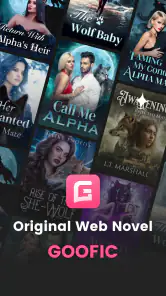
I spend a lot of time testing reading apps, and Goodfic - Web Novel & Booktok quickly showed me that it is aimed at a very particular kind of reader. This is not a general-purpose ebook shelf or a quiet replacement for a traditional library app. It focuses on fantasy, romance, werewolf fiction, and serialized stories, making it a convenient place to browse when I want dramatic chapters, quick emotional hooks, and a steady stream of fictional worlds.
Developed by GoodFic Team, the app sits in the Books & Reference category and is free to install. It carries a Mature 17+ content rating, so I would not treat it as a family reading app. My overall impression is positive: the experience is easy to approach, the genre focus is clear, and the community response is strong, with a 4.7 average from around 23 thousand ratings and more than 100 thousand installs. Still, the free label needs a closer look, because optional purchases range from $0.99 to $99.99 per item.
How Goodfic works as a focused fiction reader
When I open an app like this, I want to reach a story quickly rather than spend time arranging files or importing books. Goodfic is built around that kind of discovery. Its identity comes from web novels and BookTok-friendly reading tastes: fantasy settings, romantic tension, supernatural relationships, and werewolf plots are central rather than occasional categories.
That focus is useful because it narrows the search. On a broad ebook service, I may have to work through literary fiction, nonfiction, classic books, and dozens of unrelated shelves before finding the type of story I actually want. Here, the atmosphere is more direct. If my ideal evening involves a dramatic romance chapter or a supernatural cliffhanger, the app feels better aligned with that mood than a conventional reading library.
I also found the serialized format important to the way the app should be judged. A web novel is not always meant to be consumed like a finished paperback. Stories are often read in short sessions, and the appeal comes from returning to the same characters repeatedly. That makes Goodfic suitable for commuting, waiting rooms, lunch breaks, or the final few minutes before sleep, provided the mature themes and ongoing-story format match my preferences.
The current version is 2.8.3, and the app supports devices running Android 6.0 or later. That gives it a fairly broad technical reach for Android users with older phones, although the actual comfort of reading will still depend on screen size, system performance, and personal accessibility needs. I would check the device requirements before recommending it to someone using an unusually old handset, but the stated minimum is not demanding by modern standards.
What the free download really means
The most important cost distinction is simple: Goodfic is free to install, but it also offers in-app purchases priced from $0.99 to $99.99 per item. I would therefore describe it as a free-entry reading app, not automatically as a completely free library. You can begin without paying, while some parts of the reading experience may involve purchases.
More From Our News Desk

Clash of Clans Is Won Between the Battles

Android Auto Makes the Case for Quieter Car Software

MobiOffice: Transforming Mobile Productivity with Seamless Integration

EA SPORTS FC™ Mobile Soccer: Redefining Mobile Sports Gaming

How Microsoft OneDrive Became a Mobile Productivity Giant

How Google Translate Breaks Language Barriers Effortlessly
That difference matters more in a serialized fiction app than in a static book reader. If I start a story and become invested in its characters, a payment prompt can feel more significant than it would when testing an ordinary utility. Before committing to a long novel, I would pay attention to how much of the opening is available without spending and whether the reading rhythm remains comfortable for me.
The purchase range is wide enough that readers should make decisions carefully rather than assuming every title has the same cost. The listed facts establish the range of individual purchases, but they do not turn that range into a promise about what any particular story will require. My practical advice is to treat free access as a way to sample the app and its writing styles, then decide whether a specific story justifies further spending.
This approach also helps separate value from habit. A reader who enjoys browsing several stories without paying may find the free starting point useful. Someone who dislikes interrupted reading or wants to own a complete book for one predictable price may feel less comfortable with the model. Neither reaction is wrong; it depends on whether I value ongoing discovery more than fixed-cost ownership.
Where the app delivers real value
The strongest value is genre convenience. Goodfic brings together the kinds of stories that are often scattered across web-fiction platforms, social recommendations, and informal reading communities. I do not need to begin with a title already in mind. The app makes more sense when I want to browse inside a mood or theme, such as romantic fantasy, supernatural drama, or werewolf fiction.
That makes it especially useful for readers whose tastes are already clear. If I regularly search for intense relationship plots, magical settings, or stories with a BookTok-style emotional pace, a focused catalog can save time. The app is less valuable to me when I am looking for history, technical reference books, essays, poetry, or a broad selection of established classics.
Another benefit is the short-session nature of web novels. I can read a small portion while waiting for an appointment without carrying a physical book or opening a large general bookstore app. This is not a trivial advantage. A reading service earns its place on my phone when it makes the moment between other tasks feel usable.
I would also use Goodfic as a discovery tool rather than immediately treating it as my permanent reading archive. The app’s greatest strength is helping me find a story that fits my current mood. Once I know whether I want to continue, I can make a more deliberate choice about spending and time. That two-step workflow reduces the chance of paying simply because the first chapter ended at a dramatic point.
For readers who follow online fiction trends, the BookTok positioning may also make the catalog feel more familiar than a traditional ebook storefront. I would not assume that every popular recommendation will match my taste, but the app is clearly designed around the kind of romance and fantasy conversation that thrives in social reading circles.
Tradeoffs I noticed before settling in
The first tradeoff is concentration. Genre focus is helpful when it matches my interests, but restrictive when it does not. A reader who wants one app for novels, reference material, audiobooks, newspapers, and personal documents would probably be better served by a broader reading platform. Goodfic is more like a specialist shelf than a universal library.
The second tradeoff is the mature audience. The 17+ rating is not a minor label I would ignore. Anyone choosing the app for a younger reader should look for a more age-appropriate service instead. Even an adult who prefers gentle romance or low-conflict fantasy may want to sample carefully rather than assume that attractive covers or familiar tropes indicate a mild reading experience.
The purchase structure is another point of friction. Free installation lowers the barrier to trying the app, but the presence of purchases up to $99.99 per item means I would not hand over a phone to an inexperienced reader without discussing spending first. I also would not begin several long stories at once unless I was comfortable tracking which ones might eventually ask for payment.
There is a psychological tradeoff in serialized reading as well. Cliffhangers can make the app exciting, but they can also make it harder to stop at a natural point. I enjoy that momentum when I have spare time. On a busy day, however, a finished book with a clear endpoint may suit me better. Goodfic’s format rewards readers who like returning frequently, not necessarily those who want a single self-contained reading session.
Compared with a standard ebook store, Goodfic feels more discovery-led and genre-specific. Compared with a personal ebook reader, it is less about managing books I already own and more about finding ongoing fiction inside the app. Compared with a social reading network, its appeal is the stories themselves rather than discussion being the main event. Those comparisons explain both its appeal and its limits: it is strongest when I want curated-feeling access to web fiction, not when I want maximum control over files, formats, or subject matter.
Three practical ways I would use it
My first workflow would be a sampling session. I would choose two or three different story types, read enough of each to compare tone and pacing, and avoid making a purchase decision during the first burst of excitement. This is especially useful with romance and fantasy, where a compelling premise can hide a writing style that does not suit me over many chapters.
My second workflow would be mood-based reading. Instead of searching for one supposedly perfect title, I would open Goodfic when I know the feeling I want: a supernatural romance, a dramatic relationship, or an escapist fantasy. That turns the app into a quick entertainment option for short breaks and prevents me from judging it by the standards of a serious reference library.
My third workflow would be spending control. Because the app is free to install but includes purchases across a broad range, I would decide in advance how much a particular story is worth to me. I would also avoid tapping purchase prompts automatically after every cliffhanger. The best value comes from choosing stories deliberately, not from letting the reading rhythm make the decision for me.
These habits are not glamorous features, but they make a noticeable difference. A focused fiction app can be enjoyable without becoming an unplanned expense, and Goodfic benefits from being approached as a catalog to explore rather than a promise that every story will suit every reader.
Who will get the most from Goodfic?
I would recommend it first to adults who already enjoy fantasy romance, werewolf fiction, and web novels. The app is also a good match for readers who prefer frequent short sessions and like discovering stories through current online reading culture. If I often find myself saving dramatic fiction recommendations from social media, Goodfic is more relevant to me than a general reference app.
It can also work for a reader who has become bored with choosing from a huge, unfocused ebook catalog. The narrow subject emphasis reduces the effort involved in finding something familiar. I would install it when I want entertainment reading rather than research, study, or a carefully organized personal collection.
I would skip it if I need a predictable one-time purchase, a broad nonfiction selection, or a reading environment aimed at children and teenagers below the stated age rating. I would also choose another option if I dislike serialized stories, interruptions, or the possibility of paying for individual items after starting for free.
Readers with limited data or storage should make their own practical checks before settling in, especially if they plan long reading sessions away from home. I would also compare the experience with a normal ebook app if adjustable typography, file ownership, or offline access is central to my decision. Goodfic’s appeal is its fiction ecosystem and genre direction, not necessarily its suitability for every technical reading preference.
My verdict after weighing the cost and experience
Goodfic - Web Novel & Booktok is worth trying when my reading tastes line up with its mature fantasy and romance focus. The free installation makes sampling easy, and the strong 4.7 average suggests that many readers are finding the experience worthwhile. I like the direct genre identity, the suitability for short reading breaks, and the way it encourages discovery rather than requiring me to arrive with a title already chosen.
I would not call it an automatic bargain, because free access and paid value are different things here. The in-app purchase range means I need to judge stories individually and keep my spending intentional. For me, that is acceptable when a story has earned my attention, but it would be frustrating if I wanted a complete reading library with one transparent price.
My buy-or-skip decision is therefore straightforward: try it for free if you are an adult fan of serialized fantasy romance, but skip it if you want a broad, fixed-price ebook collection. Goodfic has a clear audience, and it serves that audience better than it serves everyone. I would keep it installed for mood-based fiction and web-novel discovery, while using a more traditional reader for owned books, reference material, and predictable long-term access.
In short, I see it as a specialized entertainment app rather than a replacement for every reading tool on my phone. That is a strength, not a weakness, as long as I understand the mature focus, the serialized format, and the difference between starting free and continuing through optional purchases. For the right reader, those boundaries make the experience easier to appreciate rather than harder to recommend.
Goodfic - Web Novel & Booktok Frequently Asked Questions
Can I read Goodfic stories in different languages?
Goodfic focuses on fantasy, romance, werewolf novels, and other stories, so it may appeal to readers looking for a range of web-fiction themes. Before downloading, consider whether the available titles and their language suit your reading preferences. You can browse the app’s catalog to see which stories interest you and decide whether its selection feels right for your next read.
How much storage space does Goodfic need?
Goodfic is a mobile reading app, and the space it uses can include both the app itself and any chapters you choose to save. The amount of available storage you need may depend on how you use it and how much reading material you keep on your device. Check your device’s free space before installing, especially if you plan to save chapters for later.
Can I save my reading progress and continue later?
Goodfic is designed for reading web novels and serialized stories on a mobile device, where readers may follow chapters over time. Keeping the app updated can help you access its current features. If you plan to switch devices or reinstall the app, check how your reading progress is handled in the app before relying on it to keep your place across devices.
What devices can run Goodfic - Web Novel & BookTok?
Goodfic is a mobile reading app for Android, with a minimum operating-system requirement of Android 6.0. Before downloading, check that your device meets this requirement and has enough available storage for the app and any chapters you choose to save. Keeping the app updated can also help you access its current features and maintain a smooth reading experience.
Who develops Goodfic, and what do readers think of it?
Goodfic is developed by GoodFic Team. It has a 4.7 average from around 23,000 ratings, with roughly 1,500 written reviews, offering prospective readers a useful snapshot of other users’ impressions. Individual experiences can still differ depending on reading preferences, the stories available, and how someone feels about the app’s features.
Pros
- Large selection of web novels across romance
- fantasy
- and other popular genres.
- Personalized recommendations make it easier to discover stories matching your interests.
- Offline reading lets you continue selected books without an internet connection.
- Regular updates and new chapters keep ongoing stories engaging.
- Simple reading interface with adjustable text settings improves comfort.
Cons
- Some chapters or books may require coins
- subscriptions
- or in-app purchases.
- Story quality can vary because much of the catalog comes from independent writers.
- Frequent notifications may feel intrusive if you follow several ongoing novels.
- Offline access may be limited to selected titles or require premium access.
- Ads can interrupt browsing or reading for users on the free version.
- Category
- Books & Reference
- Version
- 2.8.3