GlowVerse: Bible & Daily Verse
- 252.00
- 4.7
- Installs
- 100.00K
- Price
- Free

Screenshots

Analysis by Reviewed
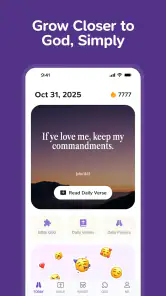
I spent time with GlowVerse: Bible & Daily Verse as a quiet, practical Bible-reading companion rather than treating it like a full study library. That distinction matters. Its main appeal is the way a short daily verse can become part of a routine, supported by audio reading and home-screen widgets. For someone who wants a gentle prompt to pause, read, and listen, that combination feels more useful than simply opening a browser and searching for a passage.
The app sits in the Books & Reference category and is free to use. Everblessed Technology Inc. presents it as a tool for starting the day with Scripture and ending it with a calmer moment. In my experience, the strongest part is not any single screen; it is the reduced effort between remembering that I want to read and actually doing it. A verse placed where I already look at my phone has a better chance of becoming a habit.
It is available for Everyone, runs on Android starting with version 8.0, and is currently at version 1.2.5. The app has reached over one hundred thousand installs, with a 4.7 average from around 2.9 thousand ratings and 252 written reviews. Those figures suggest that its focused approach is connecting with many users, although popularity alone does not make it the right choice for every kind of Bible reader.
Daily Scripture works best when it removes one small obstacle
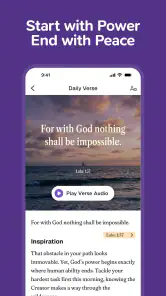
A verse that meets you during the day
The verified capability I kept returning to was the daily verse experience, especially when paired with the widget. A traditional Bible app asks me to decide what book to open, which chapter to read, and how much time I have. That is excellent when I am ready for deliberate study, but it can also create enough decisions to make me postpone reading. GlowVerse takes the opposite route: it gives the daily moment a clear starting point.
That simplicity changes the role of the app. I do not open it expecting to replace a printed Bible, a commentary collection, or a structured reading course. I open it when I want a short reminder that can fit between ordinary tasks. The result is modest but meaningful: the app makes consistency feel more achievable because the first action is already defined.
The wording of a daily verse can also work as a mental reset. I found that the value was often less about finishing a long passage and more about carrying one thought into the next part of the day. That makes the experience suitable for a morning routine, a brief pause at work, or a few quiet minutes before sleep.
Why the audio option matters
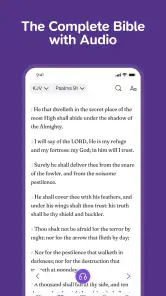
Audio Bible support gives the app a second way to approach Scripture. Reading requires my eyes and a certain amount of visual attention. Listening can fit into moments when I am preparing breakfast, walking, or taking a break away from a screen. This is not merely a decorative extra; it changes when the app can be useful.
More From Our News Desk

Clash of Clans Is Won Between the Battles

Android Auto Makes the Case for Quieter Car Software

MobiOffice: Transforming Mobile Productivity with Seamless Integration

EA SPORTS FC™ Mobile Soccer: Redefining Mobile Sports Gaming

How Microsoft OneDrive Became a Mobile Productivity Giant

How Google Translate Breaks Language Barriers Effortlessly
I would not treat audio as a substitute for reading when I need to examine wording closely. Listening is less convenient for scanning backward, comparing lines, or checking a particular phrase. However, it is a good choice when the goal is reflection rather than detailed reference. The trade-off is clear: audio offers flexibility, while text offers faster control and easier visual review.
One practical habit is to use the displayed verse as the anchor and audio as the background layer. I can read the short selection when I have a moment, then listen when my hands or eyes are occupied. That creates two different entry points without requiring a separate audio-focused application.
Widgets turn intention into a visible reminder
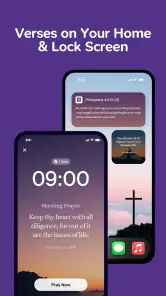
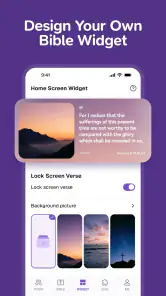
The widget is the part I consider most important for long-term use. An app can be well designed and still be forgotten after the first week. A home-screen placement keeps the daily verse within view, so the reminder arrives before I make a conscious decision to search for it.
That visibility has a useful psychological effect, but it also creates a possible annoyance. A widget is valuable only if it feels like a helpful prompt rather than visual clutter. I would place it somewhere I naturally glance, not necessarily on the first page of my home screen. If it competes with tools I need constantly, I am more likely to remove it even if I like the content.
My advice is to treat the widget as the app’s habit-building layer and the main application as the deeper moment. Glancing at a verse while unlocking the phone is not the same as sitting down to read, but it can be the small trigger that leads to opening the app, listening, or reflecting for longer.
How I would build it into a normal day
For a realistic routine, I would start by checking the widget after waking rather than trying to schedule a lengthy session. I would read the verse once, listen if I had time, and then return to it later only if it stayed relevant. In the evening, I would use the same short passage as a closing thought instead of expecting a second, completely separate study session.
This workflow is intentionally light. It avoids turning spiritual reading into another demanding task on a crowded schedule. It also makes the app easier to sustain during travel, busy workdays, or periods when concentration is limited. The key is not to measure success by how long I remain inside the app; it is whether the daily prompt actually helps me pause.
The best everyday scenario
The clearest use case is a person who wants Scripture in the spaces between fixed activities. Imagine a commuter who has ten minutes before work but does not want to carry a physical book or choose a reading plan. The widget offers an immediate verse, and audio makes the same moment usable while walking. Later, during a quiet break, the reader can return to the text rather than starting from scratch.
Another strong scenario is a household where people have different schedules. One person may read the verse early, while another listens later. The app does not require everyone to sit down at the same time or follow an elaborate shared system. Its strength is accommodating small, personal moments.
I also see value for someone restarting a neglected Bible habit. A large study app can feel intimidating when the user already feels behind. A daily verse is less demanding and can rebuild confidence. After that routine becomes comfortable, the person may decide that a more comprehensive Bible tool is needed for deeper reading.
Where it sits beside ordinary alternatives
Compared with a printed Bible, GlowVerse is more convenient for quick access, audio listening, and a visible phone-based reminder. A printed edition still feels better for uninterrupted reading, annotation, and escaping notifications. I would choose the book when I want depth and the app when I want availability.
Compared with a general Bible application, this app appears more focused on the daily prompt experience. A larger Bible platform is usually the better destination for extensive navigation, study materials, cross-references, or a carefully managed reading plan. GlowVerse is more appealing when those choices would become friction rather than help.
Compared with a simple quote or inspirational-verse widget, the inclusion of audio and Bible-oriented reading gives it more substance. It is not just a reminder to feel positive; it is designed around Scripture as a reference and listening experience. That difference matters to users who want a devotional routine rather than a rotating sentence with no broader context.
Trade-offs I noticed before recommending it
The focused design is also its main limitation. If I want to compare translations, trace a theme across several books, mark passages, or conduct serious study, a dedicated Bible study app is likely a better fit. GlowVerse makes the first step easy, but ease of entry should not be confused with comprehensive research tools.
The widget can encourage consistency, yet it may also turn a meaningful practice into a glance-and-dismiss habit. Seeing a verse is not the same as understanding its context. I would occasionally open the full reading experience or consult a larger Bible resource when a passage raises questions. That keeps the daily feature from becoming too shallow.
Audio is convenient, but it depends on the listener’s situation. In a quiet room, it can support reflection. In a noisy commute, it may be difficult to follow. Someone who prefers silent reading, detailed notes, or complete control over the pace may use the text more often and gain less from the audio side.
There is also a broader phone-related trade-off. The same device that displays a verse can interrupt the moment with messages and other apps. I found that the experience works better when I open it with a specific intention instead of expecting the phone to create peace automatically. The app can lower the barrier to reflection, but it cannot remove every distraction around it.
Small habits that make the capability more useful
Place the widget near an app you already open in the morning, so the verse becomes part of an existing routine rather than a new task to remember.
Use audio when your eyes are busy, but return to the written verse when a phrase deserves slower attention or personal reflection.
Keep a separate note of questions or passages that stand out. The daily format is good at prompting thought, while a dedicated study tool may be better for following that thought in depth.
Do not judge the app only by the number of minutes spent inside it. Its practical purpose is to make a short, repeatable encounter with Scripture easier to maintain.
Who gains the most from GlowVerse
I would recommend it first to people who want a simple devotional starting point, especially those who respond well to visual reminders. It is also a good match for listeners who appreciate hearing Scripture during ordinary activities and for users who have abandoned longer reading routines because they felt too difficult to maintain.
New Bible readers may appreciate the clear daily entry point. There is less pressure to choose a book or understand a complicated navigation system before beginning. The Everyone age rating also makes it suitable for a broad household audience, although each person will still have different expectations about translation, context, and study depth.
I would be more cautious recommending it to academic readers, ministry workers, or anyone whose primary need is detailed reference. Those users may prefer a fuller Bible library with stronger research and organization tools. GlowVerse can still serve as a daily reminder in that setup, but I would not make it their only Bible application.
My closing assessment
What I like most is the app’s understanding that consistency often depends on reducing effort. The daily verse, audio Bible, and widget work together around one practical goal: making Scripture easier to encounter during a normal day. That is a narrower ambition than becoming an all-purpose Bible library, but the narrower focus gives the experience a clear identity.
GlowVerse: Bible & Daily Verse is free, and its current version is a sensible option for anyone looking for a lightweight reading and listening routine rather than an advanced study workstation. I would install it for the widget and keep it for the habit it supports. I would pair it with another resource when I needed context, comparison, or extended research.
My honest recommendation is simple: choose it if a visible daily prompt and flexible audio access are more important to you than a large collection of study controls. Skip it as your main tool if you already know that you need deep navigation and detailed Bible research. For the right user, its real strength is not complexity but making a small moment of Scripture easier to repeat.
GlowVerse: Bible & Daily Verse Frequently Asked Questions
What is GlowVerse: Bible & Daily Verse?
GlowVerse: Bible & Daily Verse is a Christian devotional app designed to help users engage with Scripture regularly. It typically combines a daily Bible verse with inspirational reflections, prayer-focused content, and a calm reading experience. It can be useful for personal devotion, encouragement, or building a consistent Bible-reading habit, although the exact Bible translation and available features may depend on the app version and device platform.
What does GlowVerse offer for daily Bible reading?
GlowVerse’s store summary highlights daily verses, an audio Bible, and widgets, giving users a few ways to bring Scripture into an everyday routine. You can consider whether reading, listening, or seeing a verse through a widget best fits your habits. The app is in the Books & Reference category, so its focus is devotional reading rather than serving as a general-purpose Bible study course.
Is GlowVerse: Bible & Daily Verse free to download and use?
GlowVerse is free to download. The app may be available to download at no initial cost, but some features, content, or customization options can require in-app purchases or a subscription. Before confirming a purchase, users should review the pricing, billing frequency, free-trial conditions, and cancellation policy shown in the relevant app store. It is also worth checking whether the daily verse and essential reading tools remain accessible without paying.
Does GlowVerse work offline?
Offline availability can vary depending on how the app stores verses, devotionals, images, or other content on your device. After installing GlowVerse, users should open several sections while connected to the internet and then test the app in airplane mode. Basic content may remain available, while newly updated verses, synchronization, account features, or media may require an active connection.
Can I customize reminders and daily Bible verse notifications?
Apps focused on daily devotionals commonly provide reminders so users can choose a convenient time for Scripture reading, but the available notification controls may differ by operating system and app version. Check the settings for options such as reminder time, notification sounds, frequency, and permission controls. Android and iOS system settings can also block notifications even when reminders are enabled inside GlowVerse.
Pros
- Personalized daily Bible verses encourage consistent reflection.
- Clean
- calming design makes devotional reading comfortable.
- Helpful reminders support regular prayer and scripture habits.
- Verse sharing makes it easy to send encouragement to friends.
- Suitable for quick devotionals during short breaks or busy days.
Cons
- Some features or content may require a premium subscription.
- Personalization options may feel limited for advanced Bible study.
- Daily verse notifications can become repetitive over time.
- The app may offer less depth than dedicated Bible study tools.
- An internet connection may be needed for certain content or features.
- Category
- Books & Reference
- Version
- 1.2.5