Fit Radio: Train Inspired
- 3.67K
- 4.7
- Installs
- 1.00M
- Price
- Free

Screenshots



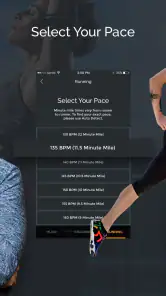
Analysis by Reviewed
I tried Fit Radio: Train Inspired as a music and audio app built around one practical question: can the right soundtrack make exercise easier to start and easier to sustain? My answer is yes, with some important qualifications. It is most useful when I want a ready-made workout atmosphere rather than a carefully assembled playlist, and its focus on energetic music across different genres makes it feel more purposeful than a general music player during training.
The app is free to install, carries a Teen content rating, and comes from Social Study Media LLC. It has built a substantial audience, with over one million installs, a 4.7 average from around thirteen thousand ratings, and roughly three thousand seven hundred written reviews. Those figures suggest that the central idea works for many people, although popularity does not remove the need to check whether its presentation suits your own hearing, vision, movement, and workout habits.
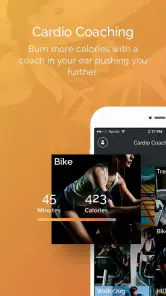
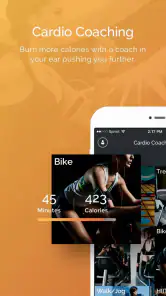
What interested me most was not simply the promise of exercise music. It was how the app fits into real situations: a short walk when I do not want to think about song selection, a gym session where changing tracks interrupts concentration, or a home workout where a strong beat helps create a boundary between ordinary time and training time. The newer Cardio Coaching reference also points toward a more guided approach, although I would treat the music experience as the main reason to try it.
How clearly the app works when I am ready to exercise
A focused starting point instead of a blank music library
Traditional music services give me enormous choice, but that choice can become a chore. I may spend several minutes searching for songs, deciding whether the mood is right, and skipping tracks that do not match the pace of the session. Fit Radio approaches the problem from the other direction: I open it because I want workout-oriented audio, not because I want to browse everything I listen to in daily life.
That distinction matters for readability and navigation. A purpose-built exercise app should make the next action obvious. In my experience, the concept is easy to understand: choose a suitable workout music experience, start listening, and let the session move forward without constant management. That is friendlier to someone who feels overwhelmed by a large catalog or who wants to begin exercising before motivation disappears.
The app’s short name, Fit Radio, is also clearer than a general lifestyle label. It tells me what kind of listening context to expect. The longer product name, Train Inspired, adds an emotional angle, but the useful promise remains straightforward: music selected to support training rather than passive listening.
Why genre variety helps, and where it can complicate decisions
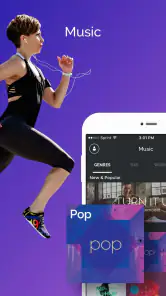
The service covers multiple music genres, which is valuable because “workout music” does not mean the same thing to everyone. One person may need forceful electronic sounds for intervals, while another may prefer a familiar pop or hip-hop feel for a steady walk. Having different styles gives me a better chance of finding audio that feels motivating rather than distracting.
At the same time, variety creates a small navigation trade-off. More choices can help one listener and slow down another. If I am already tired, I do not necessarily want to compare several moods before moving. My practical approach is to decide what the session needs first: calm momentum for walking, a stronger push for resistance work, or something lively for cardio. That simple decision reduces browsing and makes the app feel more accessible to people who have limited energy or attention at the start of a workout.
Readable interaction for different levels of confidence
I would recommend trying the free experience before spending money, especially if unfamiliar apps make you cautious. The basic purpose is simple enough for a new user, while experienced exercisers can use it as a faster alternative to building playlists manually. The current version is 2026.08.05.1848, and it supports devices running operating system version 9 or later, so compatibility should be checked before installation on an older phone or tablet.
One useful habit is to set up the app before arriving at the gym or starting a walk. This is not glamorous advice, but it reduces the need to read small controls while moving. I prefer to choose my audio, connect headphones, and adjust the volume while stationary. That workflow is particularly helpful for people with reduced dexterity, visual fatigue, or difficulty switching attention between exercise and a screen.
What the developer and business model mean for the experience
Social Study Media LLC offers the app at no upfront cost, which lowers the barrier to testing it. The presence of in-app purchases ranging from $2.99 to $99.99 per item means that the free entry point should not be confused with an entirely cost-free long-term experience. I would explore the available listening options carefully and avoid purchasing simply because I am eager to begin a workout.
This model can be reasonable for someone who uses the app often enough to value convenience. It is less attractive if I only need occasional background music, because a normal music service I already pay for may cover that need without adding another subscription or purchase decision. The best value depends on whether Fit Radio’s workout-focused organization saves me enough time to justify the extra cost.
How it feels across bodies, senses, and everyday settings
Supporting different movement abilities without demanding a particular workout
Music can support many kinds of activity, but it should not dictate what exercise looks like. I see Fit Radio as potentially useful for walking, stretching, stationary cycling, gym work, and other routines where a continuous soundtrack helps maintain rhythm. That makes it more flexible than an app designed around one specific training method.
For someone using a wheelchair, exercising while seated, recovering from an injury, or managing limited stamina, the music may still be useful as a pacing tool. A listener can choose audio for a short movement session rather than treating the app as a demand to complete an intense workout. The important point is to use the soundtrack as support, not as a reason to ignore pain, fatigue, or medical guidance.
There is also a psychological accessibility benefit in removing the need to perform a “perfect” routine. I can press play before a ten-minute walk just as easily as before a longer gym visit. That makes the app more welcoming to people who are returning to movement, exercising at a lower intensity, or building consistency gradually.
Volume, headphones, and sensory comfort
Energetic workout audio is not comfortable for everyone. Strong beats, dense production, or sudden changes in musical intensity may be motivating for one listener and unpleasant for another. People who are sensitive to sound should begin at a low volume and test the experience during a calm activity before using it in a demanding session.
Headphones also change the accessibility picture. They can make the music easier to hear in a busy gym, but they may reduce awareness of nearby people, equipment, traffic, or spoken instructions. For outdoor exercise, I would prioritize hearing the surroundings over creating an immersive soundtrack. The app cannot make that safety decision for me, so situational judgment remains essential.
For listeners who rely on hearing aids or other audio equipment, the practical question is not only whether music plays, but whether the mix remains comfortable and understandable through their setup. I would test the app with the exact device used during exercise rather than assuming that a good experience through phone speakers will translate perfectly to headphones or assistive audio hardware.
Visual attention and screen dependence
The strongest use of a workout music app is usually hands-off listening. Once audio is playing, I should not need to stare at the screen. That is helpful for people who experience visual strain, have limited vision, or simply want to avoid screen distraction while moving.
However, the setup stage still requires attention. Selecting audio, checking playback, and dealing with any purchase prompt can be harder for someone with low vision or limited hand control if the interface does not match their preferred device settings. I would make those choices before the workout and keep the phone in a stable, reachable place rather than trying to operate it while walking or lifting.
A useful workaround is to treat the app as a preparation tool rather than a control panel. Start the session, lock the phone if appropriate for your device, and focus on movement. This reduces repeated tapping and makes the experience less dependent on precise gestures. It is a small change, but it can make the difference between music that supports exercise and music that becomes another task to manage.
A realistic everyday scenario
Imagine that I finish work with little motivation and have only a short window before dinner. If I open a general music service, I may start comparing albums and lose the moment. With Fit Radio, I can choose a suitable workout mood, begin listening, and take a brisk walk without building a playlist from scratch. If the session becomes shorter than planned, the app has still served a purpose because it helped me start.
Another scenario is a shared gym. I may not want to hear every conversation or machine sound, but I also should not become unaware of the room. I would use a moderate volume, keep one sense available for surroundings, and avoid changing tracks during exercises that require balance or concentration. The app is helpful here because its value comes from continuity, not from constant interaction.
Situations where another option is better
Fit Radio is not the best choice for every listener. If I want a specific artist, album, podcast, audiobook, or carefully ordered personal playlist, a general audio service is likely more suitable. This app’s strength is workout context, not unlimited control over every detail of listening.
It may also be a poor fit for people who need detailed training instructions, exercise demonstrations, rehabilitation plans, or close monitoring of performance. Music can improve atmosphere and pacing, but it is not a substitute for professional advice or a structured program built around an individual’s abilities.
Someone who exercises in silence, uses music only occasionally, or already has a reliable playlist may not gain enough from installing another app. In that case, the extra navigation and possible purchase choices could outweigh the convenience. I would choose it when the problem is “I need motivating audio now,” not when the problem is “I need a complete fitness system.”
Remaining barriers I noticed
The first barrier is the difference between motivation and suitability. A high-energy soundtrack can encourage me to move, but it can also push me to work faster than is comfortable. Beginners and people returning from illness or injury should decide their pace independently of the music. The app can create momentum, yet the listener still needs to regulate effort.
The second is cost clarity. Free installation is inviting, but in-app items can reach $99.99, so I would read each purchase screen carefully and consider whether I will use the service frequently. A person with a tight budget may prefer to test the no-cost portion thoroughly before committing.
The third is environmental dependence. A soundtrack that works well at home may be too loud or too isolating outdoors. In a busy gym, it may cover useful cues from instructors or equipment. In a quiet shared space, it may disturb others. Inclusive access is not only about whether I can press play; it is also about whether I can use the audio responsibly in the place where I exercise.
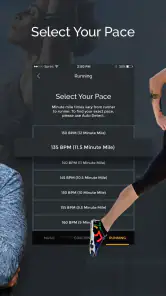
There is a further barrier for people who need very specific pacing or predictable musical structure. Genre variety is welcome, but not every track will suit every movement pattern. I would not rely on a single listening choice for a session that requires exact timing. For those workouts, a dedicated timer, coach, or personally controlled playlist may be more dependable.
My inclusive verdict
I like Fit Radio because it addresses a real friction point: starting exercise without spending time curating music. Its genre range makes it more adaptable than a single-style workout channel, and its free entry makes experimentation easy. The app is especially promising for people who use music to create routine, maintain momentum, or make short sessions feel more intentional.
Its inclusive value comes from flexibility rather than from promising one ideal type of athlete. I can use it for a gentle walk, a seated routine, or a demanding workout, provided I control the intensity and choose a comfortable listening setup. That makes it more approachable than services that assume every user wants the same pace, body position, or training goal.
Still, I would not recommend it blindly. People with sound sensitivity should test the audio carefully. People with low vision or limited dexterity should prepare the session in advance and see whether their device setup makes navigation comfortable. Outdoor users need to preserve awareness of their surroundings, and budget-conscious listeners should examine the in-app purchasing path before deciding that the service is worth paying for.
Overall, I would recommend Fit Radio to anyone who wants workout-focused music with less playlist maintenance, particularly if a ready-made atmosphere helps them begin. I would skip it in favor of a general music player when exact song control matters more than convenience, and I would choose a dedicated fitness tool when coaching or measurable training guidance is the priority. For the right listener, its best feature is not simply loud or upbeat music; it is the way a prepared soundtrack can remove one small obstacle between intention and movement.
Pros
- High-energy playlists help maintain motivation during repetitive workouts.
- Music is organized by workout type
- making sessions easy to start quickly.
- Tempo-focused mixes can complement running
- cycling
- and strength training.
- Fresh playlists provide more variety than relying on a personal music library.
- Simple interface lets users browse mixes without complicated setup.
Cons
- Many useful playlists and features require a paid subscription.
- Some mixes may not match your preferred genre or workout intensity.
- Streaming music can consume mobile data during outdoor workouts.
- Limited control over individual songs may frustrate listeners wanting custom queues.
- Audio quality and playback can depend heavily on your internet connection.

- Category
- Music & Audio
- Version
- 2026.08.05.1848