Exodus 90: Catholic Men's App
- 697.00
- 4.7
- Installs
- 100.00K
- Price
- Free

Screenshots

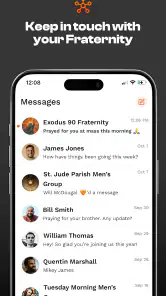

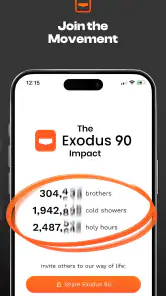
Analysis by Reviewed
I approached Exodus 90 as a Catholic men’s resource rather than as a conventional reading app. That distinction matters immediately. Its purpose is tied to spiritual discipline, brotherhood, and a specific Lenten journey, so it will feel very different from a Bible reader, a general prayer library, or a note-taking tool. The current store summary points users toward the Exodus 90 Brotherhood and St. Michael’s Lent beginning on August 12, 2026, which gives the app a clear seasonal focus instead of presenting it as an all-purpose religious reference.
My overall impression is that this is most useful when I treat it as a commitment companion. It is not simply something I open for a few inspirational paragraphs and then forget. The value depends on whether I am willing to make the app part of a shared routine. For a man looking for structure, accountability, and a Catholic framework for personal discipline, that focus can be compelling. For someone who only wants quick prayers, searchable scripture, or a broad collection of devotional books, a different app will probably be more convenient.
How the app feels today and who it is really for
The application sits in the Books & Reference category, but that label only tells part of the story. I would describe it more precisely as a guided Catholic formation app for men. Its identity comes from the Exodus 90 approach and the idea of moving through a demanding spiritual season with other participants. That makes the social and practical side just as important as the written material.
The developer is Exodus 90, and the app has built a visible audience: it has passed 100K installs, with a 4.7 average from around 2.7K ratings. Those figures suggest that the concept has found a committed user base, but they should not be mistaken for proof that every Catholic will enjoy the experience. A focused program can receive strong feedback from the people it serves while still being a poor match for users who prefer flexible, private, or less structured devotion.
I also appreciate that the app is free to install and carries an Everyone content rating. That makes trying the basic experience relatively approachable, especially if I want to understand the method before deciding whether it fits my life. At the same time, in-app purchases range from $10 to $90 per item, so the word “free” should not be read as meaning that every part of the broader experience is cost-free. I would check the purchase screen carefully and decide what level of commitment makes sense before treating the app as a long-term plan.
The most important question is not whether I already know the Exodus 90 method. It is whether I want a Catholic men’s program that asks for consistency. If I am searching for a quiet app to use occasionally, the structure may feel like pressure. If I am preparing for a serious season of prayer and self-denial, the same structure may be exactly what keeps the intention from fading after a few days.
A realistic weekday use case
Imagine a father who leaves home early, works a full day, and wants Lent to be more than a vague promise to pray more. He could use the app as the touchpoint that starts his morning, then return to it when he needs to remember why the discipline matters. The practical benefit is not that the phone replaces prayer or a parish community. It is that the app can make an otherwise abstract commitment visible during an ordinary Tuesday, when motivation is less dramatic and the routine is harder to protect.
More From Our News Desk

Clash of Clans Is Won Between the Battles

Android Auto Makes the Case for Quieter Car Software

MobiOffice: Transforming Mobile Productivity with Seamless Integration

EA SPORTS FC™ Mobile Soccer: Redefining Mobile Sports Gaming

How Microsoft OneDrive Became a Mobile Productivity Giant

How Google Translate Breaks Language Barriers Effortlessly
That scenario also shows the main trade-off. A structured program can help me act when enthusiasm is low, but it can also become another obligation competing with work, family, sleep, and parish life. I would not recommend beginning with an unrealistic schedule simply because the program feels serious. The better approach is to decide in advance when the app belongs in the day, what I can honestly sustain, and how I will respond when I miss a session or fall short of an intention.
What the app’s identity changes compared with alternatives
A standard Catholic Bible app is usually strongest at reading, searching, bookmarking, and listening. A prayer app often emphasizes a large catalog that lets me choose something based on the moment. A digital book reader is better for long-form material and personal pacing. Exodus 90 occupies a different position: it is centered on a defined spiritual path rather than on giving me an unlimited shelf of unrelated resources.
That focus is its clearest advantage and its clearest limitation. I do not have to spend as much energy deciding what to do next if I am following the program. On the other hand, I lose some freedom compared with a general devotional library. Someone who wants to jump between the Psalms, saint biographies, rosaries, and topical prayers may find a conventional Catholic reference app more satisfying.
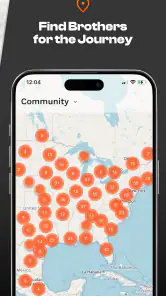
There is also a difference between private inspiration and brotherhood. The Exodus 90 concept is designed around men undertaking the journey together, so the app makes more sense when I am prepared to connect the digital routine with real accountability. I would not install it expecting a solitary reading experience to deliver the whole benefit. The strongest use is likely to come from combining the app with honest conversations, personal prayer, and participation in the life of the Church.
What appears established, what users should expect, and what still needs attention
The app’s release history gives it some maturity. It first appeared on January 11, 2019, so this is not a brand-new experiment that has just arrived in the category. That matters for users who prefer an established product over a short-lived seasonal tool. It also means existing users may approach updates with expectations shaped by several years of familiarity.
There is a subtle difference between a long presence in an app store and a guarantee of constant improvement. I would judge the current experience by how clearly it supports the present program, how easy it is to return to the right place, and how well it fits real life today. A product can be established and still need better navigation, clearer explanations, or a smoother way to recover after a missed day.
The current direction is especially relevant because the app is inviting men toward St. Michael’s Lent beginning August 12, 2026. That future-facing emphasis tells me to think of the application as preparation as well as participation. A prospective user should not wait until the first day to decide whether the schedule, expectations, and cost are workable. I would explore the available material early, read the commitment details carefully, and talk with anyone who may be part of my brotherhood before the start date.
For people who already use the app, a new seasonal invitation may be welcome because it gives the routine a clear destination. It can also create friction if someone is between programs or wants a year-round devotional tool. The app’s strongest moments are likely to occur when its current content and the user’s current season line up. Outside that alignment, it may feel narrower than the average Catholic app.
Three practical ways to get more from it
- Use it as a daily doorway, not as the entire spiritual life. I would open the app at a fixed point in my routine, then move into prayer, scripture, silence, or conversation away from the screen. This prevents the phone from becoming the destination.
- Decide how accountability will work before starting. If I am joining with other men, I would agree on a simple check-in rhythm and a compassionate plan for missed days. The app can support commitment, but it cannot replace the trust required for real brotherhood.
- Review the purchase path before making a serious promise. Because optional items can range from $10 to $90, I would identify which part of the experience I am actually choosing and avoid assuming that installing the free app settles the full financial question.
These steps may sound simple, but they address problems that a store summary cannot solve. The first protects prayer from becoming screen time. The second prevents accountability from turning into embarrassment. The third keeps the spiritual decision separate from an impulsive purchase. Together, they make the app easier to evaluate honestly.
Where the experience may create friction
The first limitation is intensity. A disciplined Catholic program is not automatically better for every person than a flexible prayer app. If I am recovering from burnout, managing an unpredictable family schedule, or trying to establish a very small prayer habit, a demanding framework may discourage me rather than strengthen me. In that situation, a simpler daily prayer tool or a parish-led routine could be wiser.
The second limitation is dependence on fit. The app’s language and purpose are specifically Catholic and specifically directed toward men. That clarity is valuable for its intended audience, but it narrows the audience by design. I would skip it if I wanted an ecumenical resource, a family devotional, a women-focused program, or a broad reference collection that does not revolve around the Exodus 90 identity.
The third limitation concerns expectations around community. Downloading the app alone does not guarantee that I will experience meaningful brotherhood. Community requires people who respond, listen, and remain consistent. If I do not have access to a suitable group, I might still use the material privately, but I would temper my expectations about the social dimension and consider whether a local parish group would offer stronger support.
There is also a practical emotional risk in treating the program as a pass-or-fail test. Spiritual discipline can become unhealthy when one missed practice leads to abandoning everything. I would use the app with seriousness but not perfectionism. A missed day should prompt an honest reset, not a conclusion that the entire effort is ruined. That mindset is particularly important for users who already struggle with guilt around religious routines.
How it affects returning users
Someone who has used the app before will probably evaluate it differently from a first-time installer. A returning user may care less about discovering the concept and more about continuity: can the app help him re-enter a program, prepare for a new season, and keep the lessons connected to daily life? The upcoming St. Michael’s Lent focus gives experienced users a concrete reason to revisit their habits rather than relying on memory alone.
I would advise returning users to reassess the surrounding circumstances, not merely repeat a previous attempt. The same schedule may work in one year and fail in another because of a new job, a newborn, illness, travel, or changes in parish life. The app is more useful when I adapt my practical plan while preserving the underlying intention. Repeating the program mechanically can miss the point; abandoning structure entirely can make it harder to grow.
New users, meanwhile, should give themselves time to understand the commitment before judging the app. A quick opening session may not reveal whether the method fits. I would read the introductory material, consider the demands alongside my calendar, and decide whether I am looking for a seasonal challenge or a permanent reference app. That distinction will prevent disappointment later.
What I would like users to watch as the program develops
When I look at an established app with a strong seasonal identity, I pay attention to clarity and continuity. Future users should watch how easily the app explains the path to newcomers, how smoothly it moves people from preparation into participation, and whether returning members can find their place without confusion. Those details matter more than adding decorative features.
I would also watch the balance between digital guidance and real-world practice. The best version of this kind of app should encourage me to put the phone down and live the discipline through prayer, relationships, service, and self-control. If the experience becomes too focused on checking screens or completing digital actions, it risks weakening the very habits it is meant to support.
Cost transparency is another area worth monitoring. The free installation lowers the barrier to exploration, while the range of optional purchases makes it important for the app to communicate what each choice contributes. I want to understand the commitment before I pay, especially when the higher end of the range represents a meaningful household expense.
Finally, I would watch whether the app remains welcoming to people who stumble. A serious spiritual program should challenge me, but it should also help me return after failure. Clear recovery guidance, respectful language, and a realistic understanding of family and work responsibilities would make the experience more sustainable than a system that only feels successful when every day goes perfectly.
My recommendation is therefore specific rather than universal. I would suggest Exodus 90 to a Catholic man who wants a structured season, is open to accountability, and is prepared to connect app-based guidance with prayer and community. I would not choose it as my first option for casual devotional reading, broad religious research, or a completely private and flexible routine. Its strength is its narrow purpose, and that purpose will either feel deeply relevant or unnecessarily demanding depending on what I need.
As a free Books & Reference app from Exodus 90, with an Everyone rating and a substantial existing audience, it is accessible enough to investigate without committing immediately. The in-app purchase range means I would still make financial decisions carefully. For me, the most honest way to approach it is as a tool for a particular spiritual season, not as a replacement for scripture, parish life, a priest, or personal judgment. Used that way, Exodus 90 can turn a good intention into a more visible and accountable daily practice, while still leaving the real work where it belongs: in how I pray and live beyond the screen.
Exodus 90: Catholic Men's App Frequently Asked Questions
Who develops Exodus 90, and what kind of app is it?
Exodus 90 is developed by Exodus 90 and belongs to the Books & Reference category. It is centered on Catholic spiritual formation for men, combining prayer, personal discipline, and fraternity in a structured program. The app may appeal to users who want their spiritual practices organized in one place, while those looking for a general-purpose prayer or Bible app may find its focused approach more specific than they need.
What is Exodus 90: Catholic Men’s App?
Exodus 90 is a Catholic spiritual formation app designed primarily for men who want to deepen their relationship with God through prayer, ascetic practices, fraternity, and structured daily challenges. It typically guides users through a demanding multi-week program inspired by the Book of Exodus, helping them build discipline while encouraging regular participation with a small group and a spiritual mentor.
What does the Exodus 90 program require from participants?
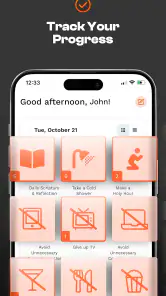
The program combines daily prayer with practical sacrifices and lifestyle commitments. Depending on the current edition and group plan, these may include limiting entertainment, avoiding unnecessary technology use, exercising, taking cold showers, abstaining from alcohol or sweets, and maintaining regular sleep. The purpose is not self-punishment, but creating greater freedom, discipline, and space for prayer and brotherhood.
Do I need a group or spiritual director to use Exodus 90?
You can explore parts of the app independently, but Exodus 90 is designed around fraternity and accountability. Participants are generally encouraged to join a small group of men and remain connected with a spiritual mentor or priest. This support can make the demanding commitments more sustainable, provide encouragement when motivation drops, and help users approach the program in a balanced Catholic and pastoral context.
Is Exodus 90 suitable for every Catholic man?
Exodus 90 may be helpful for men seeking a structured spiritual reset, but its demanding practices are not automatically suitable for everyone. Health conditions, work schedules, family responsibilities, mental health concerns, or other personal circumstances may require modifications. Before beginning, users should review the commitments carefully and consult a doctor for health-related issues and a priest or mentor for spiritual guidance.
Pros
- Clear daily structure helps users stay consistent with spiritual and physical goals.
- Combines prayer
- fasting
- exercise
- and fraternity in one guided program.
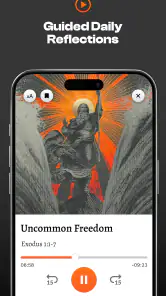
- Daily reflections are focused and easy to fit into a busy routine.
- Accountability with other men can strengthen motivation throughout the challenge.
- Useful progress tracking makes it easier to monitor habits and completed practices.
Cons
- The demanding rules may be difficult for beginners or users with health limitations.
- Some features and program content require a paid subscription.
- The Catholic focus may not suit users seeking a broader spiritual perspective.
- Limited flexibility can make the program challenging around travel or changing schedules.
- Fraternity participation may depend heavily on finding an active local group.
- Category
- Books & Reference
- Version
- Varies with device