Empower - Your ride, your way
- 1.99K
- 4.8
- Installs
- 100.00K
- Price
- Free

Screenshots
Analysis by Reviewed
Using a ride-booking app on a shared household phone sounds simple until several people need different trips, destinations, and payment arrangements. That is where Empower caught my attention. Developed by Yazam Inc, this free Maps & Navigation app is built around giving riders more choice over how they arrange a journey, rather than treating every trip as if it were identical.
I found it most interesting in a household context. One person may need a ride to work, another may be arranging transport for a relative, and a third may simply want a cheaper option for an occasional trip. Empower can be useful in those moments, but it also requires sensible boundaries. It is not a magic family-management tool, and I would not treat a shared device as proof that everyone is using the same account or making the same decisions.
My overall impression is positive. The app feels aimed at people who want an alternative to the usual ride-hailing routine, especially when fare flexibility and service choice matter. At the same time, anyone expecting a full public-transit planner, a traditional taxi directory, or detailed household controls may find the experience narrower than expected.
How Empower fits into a shared household routine
One phone, several real-life travel needs
A realistic example is a busy weekday evening. I might use the phone to arrange my own ride home, then hand it to another member of the household who needs to travel in a different direction. The useful part is not simply requesting another vehicle; it is stopping for a moment and checking whose trip is being arranged, where the pickup point is, and which fare or service choice belongs to that person.
That small pause matters with any ride app, but it becomes especially important on a shared device. A familiar address can be selected by mistake, an old destination can remain visible during the next booking, or one person can assume another person has already completed the request. Empower does not remove those ordinary human errors. In my experience, the safest workflow is to say the rider’s name out loud, confirm the destination, and review the final request before submitting it.
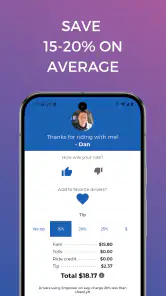
The app’s central appeal is the feeling of having more say in the ride you arrange. Its store summary presents the idea as “your ride, your way,” and that matches the way I approached it: not as a replacement for every transport option, but as a tool for making a more deliberate ride choice. The promise of better service, cheaper fares, and greater choice is attractive, although the practical value will depend on what is available for a particular trip.
For a household, that means Empower is best viewed as a booking option rather than a central travel dashboard. I would not use it as the only place to coordinate school schedules, medical appointments, public transport, or a group itinerary. It can handle the ride decision, while the household still needs its normal method for communicating who is going where and when.
More From Our News Desk

Clash of Clans Is Won Between the Battles

Android Auto Makes the Case for Quieter Car Software

MobiOffice: Transforming Mobile Productivity with Seamless Integration

EA SPORTS FC™ Mobile Soccer: Redefining Mobile Sports Gaming

How Microsoft OneDrive Became a Mobile Productivity Giant

How Google Translate Breaks Language Barriers Effortlessly
Keeping each rider’s request separate
When several people use one phone, I recommend treating every booking as a separate conversation. Start by identifying the rider, then enter or select the pickup location, check the destination, and only afterward consider the available service or fare. This order reduces the chance that a previous person’s details influence the next request.
That is one of the less obvious lessons from using a ride app in a shared setting: convenience can create false confidence. Because the interface is designed to make booking quick, it is easy to tap through familiar steps without noticing that the context has changed. Empower’s flexibility is useful, but it makes careful review more valuable, not less.
If the phone is passed between adults, I would also avoid leaving a booking screen open while someone else is using the device. Even without any unusual situation, an open request can create confusion about whether a ride is still being arranged or has already been confirmed. A clean handoff is a simple habit, but it makes the app much easier to use responsibly.
What the setup feels like in practice
Empower is free to download and use as an app, and its Everyone content rating makes it approachable for a broad audience. That rating should not be confused with independent travel readiness, however. A young person may be able to look at an app interface, but arranging a ride involves judgment about location, timing, personal safety, and communication.
For that reason, I would set it up with the intended rider present whenever possible. Let that person confirm the pickup point and destination instead of relying on someone else to guess. This is particularly important for large buildings, apartment complexes, hospitals, shopping areas, and venues with several entrances. A map pin can look correct while still leaving a driver and rider on opposite sides of the property.
I also prefer to establish a clear household rule before using the app: who is allowed to request rides, who checks the destination, and who handles any follow-up communication. That is not a feature claim about Empower; it is a practical boundary that makes shared use safer. The app can help with the booking, but it cannot replace an agreed process between the people using the phone.
Account boundaries deserve attention
Shared-device use raises a question that is easy to overlook: whose account is active? I would not assume that a profile on a household phone automatically represents every person who uses it. Before arranging a ride for someone else, check that the current account, contact details, and payment context belong to the person who is meant to manage the trip.
This is also where I would be cautious about handing the phone to children or guests. The Everyone rating describes the app’s content suitability, not the maturity needed to make transport decisions. A household can allow someone to view the app while reserving actual ride requests for a responsible adult. That distinction is sensible even when the interface itself appears easy to understand.
Another useful boundary is separating “booking for me” from “booking for someone else.” If I arrange a ride for another person, I want that person to know the pickup location, expected timing, and any identifying details needed to recognize the correct vehicle. The app may make the request straightforward, but the rider still needs a clear handoff from the person who booked it.
Coordinating a ride without overpromising
Empower works best when the household treats it as one part of the coordination chain. I would use a message or direct conversation to confirm that the ride was requested, especially if the rider is not holding the phone. This prevents a common mistake: one person assumes the trip is active while another assumes it was canceled or never submitted.
For a time-sensitive appointment, I would avoid planning around the last possible minute. A ride app can simplify the request, but traffic, pickup difficulty, and local availability can still affect the experience. The app’s emphasis on choice does not turn an uncertain journey into a guaranteed schedule. I would leave enough room for the rider to deal with a delayed pickup or a confusing meeting point.
For shared household errands, Empower may be more useful when one person acts as the coordinator. That person can collect the destination, check who is traveling, and pass the relevant information to the rider. The trade-off is that coordination becomes dependent on that person, so it is wise to make sure the rider also knows the plan rather than relying entirely on the phone holder.
A less obvious advantage of this approach is that it exposes mistakes early. If the rider cannot repeat the pickup point or destination after the booking, the household has a chance to correct the misunderstanding before the trip begins. That is more valuable than simply tapping through the fastest possible booking flow.
Where it differs from familiar alternatives
Compared with a conventional taxi phone call, Empower offers a more self-directed experience. I can work through the request on the device rather than explaining every detail verbally to a dispatcher. That is convenient for people who prefer visual confirmation, but it also places more responsibility on the user to enter accurate information.
Compared with a general map application, it is more focused on arranging a ride than on exploring every possible way to travel. A map app may be the better first stop when I am comparing walking, buses, trains, cycling, and driving. Empower makes more sense once I have decided that a ride service is the appropriate option and want to consider the choices available through that service.
Compared with a familiar single-provider ride-hailing app, Empower’s appeal is its emphasis on choice and fare flexibility. That can be valuable when the usual option is too expensive or does not feel like the best fit. The trade-off is that I would not assume it will be equally useful for every location, time, or trip type. If a journey is unusually urgent, complicated, or dependent on a specific established provider, the alternative app may still be the more predictable choice.
What the app’s scale tells me
Empower has an average rating of 4.8 from around 15 thousand ratings, with roughly 2 thousand written reviews and over 100 thousand installs. Those figures suggest that the app has attracted a meaningful user base and that many people have had a reason to rate it positively. I still would not treat a rating as a guarantee for a particular household, city, or journey.
Ratings are especially easy to misread in transport apps. A person may love the fare options but dislike a pickup experience, or appreciate the interface while rarely needing the service. I use the rating as a signal that the concept works for many users, then make my own decision based on whether the app suits the trip and the people involved.
Age, trust, and responsible use
The Everyone rating makes Empower broadly suitable to encounter, but ride booking has a different level of responsibility from ordinary entertainment or information apps. I would be comfortable introducing it to an adult household member who can verify locations and communicate clearly. For a younger user, I would keep the actual booking under adult supervision unless the family has already agreed on a safe and appropriate routine.
Trust also matters when someone books on another person’s behalf. The rider should know who arranged the trip and how to reach that person if the pickup becomes confusing. I would not rely on a child, elderly relative, or visitor to solve every issue alone just because the request was successfully placed.
For older family members, the app may be helpful if a relative assists with the first few bookings. The key is not to take over permanently without explanation. Showing how to verify the destination, recognize the current trip, and close the session afterward gives the rider more independence while preserving a safety net.
I would skip Empower as a shared household solution if the family needs detailed parental supervision, formal staff-style dispatching, or a complete record of everyone’s transport. The app may still be useful for an individual adult, but those broader management needs call for a different kind of service or a clearly defined household process around the app.
Version, compatibility, and everyday practicality
The current version is 2.14.3, and it supports devices running Android 7.0 or later. That makes compatibility worth checking before planning a ride around an older household phone. A device that cannot run the current version is not a good emergency backup, even if it is normally used for calls and messages.
I would also test the app before the first important journey rather than installing it at the curb. This gives the household time to understand the screens, confirm the correct account, and decide who will coordinate the booking. A short practice run can reveal whether the shared phone is convenient or whether each regular rider should use a separate device.
Because the app is free, trying it alongside an existing ride option is relatively easy. I would not uninstall the household’s usual alternative immediately. Keeping a familiar backup is sensible until everyone understands how Empower fits into local travel routines and whether its choices are consistently useful for the routes that matter most.
My household verdict
After looking at Empower through the lens of shared use, I see it as a practical option for households that want more control over ride arrangements and are willing to coordinate carefully. Its strongest quality is not simply that it requests a vehicle; it encourages the user to think about the ride as a choice involving service, fare, and personal circumstances.
I especially like it for adult family members who occasionally arrange rides for one another. The free price lowers the barrier to trying it, the Everyone rating keeps the app approachable, and the strong average rating shows that the experience has resonated with many users. The developer, Yazam Inc, has positioned the app around a more flexible alternative to the standard ride-booking habit.
My caution is equally clear: Empower should not be treated as a substitute for household communication, account awareness, or adult judgment. Shared phones create blurred boundaries, and no quick booking flow can solve that by itself. Confirm the rider, destination, account, and handoff every time the context changes.
If you want a focused ride-booking app and appreciate having more choice than a single familiar provider offers, I think Empower is worth trying. If you need a full family dashboard, extensive travel planning, or a completely hands-off experience for someone else, I would choose a different tool or keep Empower limited to the actual ride request. For my household verdict, it is a useful addition when paired with clear habits: the app handles the booking, while people handle the trust and coordination.
Empower - Your ride, your way Frequently Asked Questions
What information do I need to create an Empower account?
You’ll need to set up an account before requesting a ride, then provide the pickup and destination details for your trip. Have your contact information ready and make sure you can receive any account-related messages. Keeping your profile and trip details accurate can make booking easier, particularly when you need to coordinate a pickup or plan a journey in advance.
Can I use Empower to compare ride options before booking?
Empower is intended to let passengers review available ride options and trip details before requesting a ride. Enter your pickup and destination, then take a moment to check what the app presents for your journey before confirming. The options and information shown may depend on your location and current service conditions, so review each booking carefully rather than assuming every trip will offer the same choices.
Does Empower require an internet connection to request a ride?
A reliable internet connection is useful for setting up and using Empower, including entering trip details and requesting transportation. If you are traveling somewhere with inconsistent connectivity, consider arranging your ride while you have a stable connection and confirming the pickup information in advance. Having your phone charged can also help you access the app and check the trip details when it is time to meet your driver.
Is Empower free to download, and which devices can run it?
Empower is free to download and is listed for devices running Android 7.0 or later. It is a Maps & Navigation app from Yazam Inc, with an Everyone age rating. Before installing, check that your device’s operating system meets the minimum requirement and that you have enough storage and a reliable internet connection for setting up and using the service.
What is Empower – Your ride, your way, and how does it work?
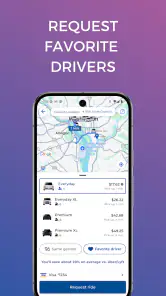
Empower is a ride-hailing app designed to connect passengers with independent drivers for scheduled or on-demand transportation. After creating an account, you can enter your pickup and destination, review available ride options, and request a trip. The app is intended to provide a more direct booking experience, with trip details and driver information shown before the ride begins.
Pros
- Easy booking makes arranging rides quick and convenient.
- Multiple ride options can suit different budgets and travel needs.
- Upfront fare estimates help users plan transportation costs.
- In-app driver tracking improves pickup coordination and safety.
- Digital payments reduce the need to carry cash.
Cons
- Availability may vary significantly by city or region.
- Prices can increase during busy periods or high demand.
- Pickup times may be affected by traffic and driver availability.
- Some features may require location and other personal permissions.
- Support response times may vary when resolving ride issues.
- Category
- Maps & Navigation
- Version
- 2.14.3